


A Sanctuary of Splendor in the Pioneer Valley
Nestled within the vibrant cultural landscape of Springfield, Massachusetts, the Michele & Donald D’Amour Museum of Fine Arts stands as a profound testament to the enduring power of artistic expression. Since its inception in 1933, this distinguished institution has served as much more than a mere repository for beauty; it is a living chronicle of human creativity that invites visitors on an immersive journey through centuries of global achievement. The very architecture of the museum prepares the soul for such an encounter. A striking example of Art Deco design by the renowned architectural firm of Tilton and Githens, the building offers a sophisticated atmosphere where elegant lines and soaring ceilings create a sense of grandeur. For the collector or interior designer, the museum’s setting provides a masterclass in how structural modernism can harmonize with traditional elements to create an inviting, prestigious space.The Dialogue of Light and Landscape
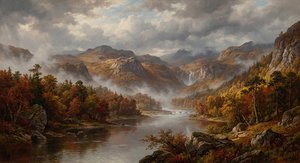
The museum’s collection acts as a breathtaking bridge between continents, weaving a narrative that spans from the meticulous realism of the Dutch Baroque to the revolutionary light of the Impressionists. Within its galleries, one can trace the psychological depth found in the works of Rembrandt and Vermeer, feeling the weight of history in every carefully rendered shadow. This European legacy finds a radical, luminous counterpart in the canvases of Claude Monet and Pierre-Auguste Renoir, whose explorations of color and atmosphere continue to captivate the modern eye with their ephemeral beauty.Yet, this journey does not end at the Atlantic; the museum offers a powerful encounter with the American spirit through the Hudson River School. The sweeping, sublime landscapes of Thomas Cole and Frederic Church evoke a sense of national identity and a profound reverence for the untamed wilderness. These works are not merely depictions of nature but are imbued with a romantic idealism that seeks to capture the very essence of the American landscape, making the collection an essential destination for those seeking to understand the intersection of art, divinity, and the natural world.