 Pregledaj u prostoru
 Pošalji
 Podeli
 Detalji o delu

 Преузми
 Slični predmeti
 Rendgenski snimak
 Slajdovi
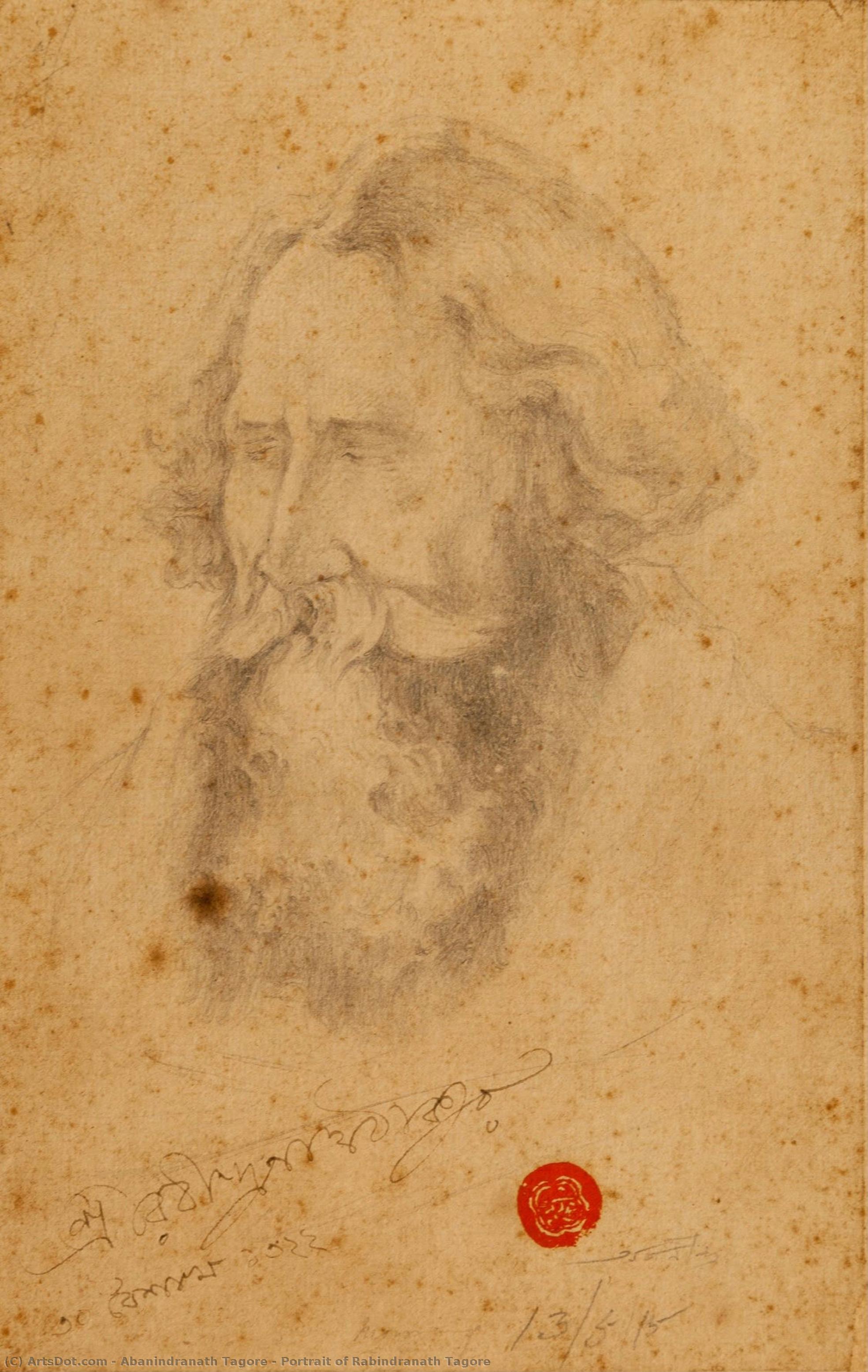
Portrait of Rabindranath Tagore


 Pročitaj više
Ručno rađena uljana reprodukcija
Ručno oslikano uljanim bojama na platnu u dimenzijama i okviru po vašem izboru, izrađeno po porudžbini od strane naših umetnika. ( Kupi print Kupi digitalnu sliku)




P118B $10

P118H $10

P118W $10

P438Z $10

P508JH $12

P508YH $12

P805H $10

P805Z $10

P919BZ $10

P919G $10

P919XJ $10

P959ZH $10

P968JZ $12

W106C $8

W218G $10

W218JH $8

W218Y $10

W307PJ $10

W316G $10

W316PJ $8

W316Y $10

W398PJ $8

W4111J $10

W500HY $15

W500JH $15

W692G $12

W849H $8

W940BG $15

W953PJ $8




Izaberite jednu od naših unapred definisanih veličina koje odgovaraju originalnim proporcijama umetničkog dela.

Можете унети сопствене димензије како бисте прилагодили дело одређеном оквиру или простору. Ако одабрана величина не одговара пропорцијама оригинала, слика ће бити исечена или проширена додатним елементима који се ручно насликавају. Дигитални prikaz ће вам бити послат на одобрење пре почетка производње.
Имајте на уму да преглед на екрану не одражава стварно исецање или проширење. Само приказ (mockup) ће тачно приказати коначну композицију.
Иако су доступне прилагођене величине, препоручујемо да одаберете димензију из дефинисане листе како бисте сачували оригиналне пропорције.
Nakon narudžbine, tim ArtsDot.com će klijentu putem e-pošte poslati uputstva i dostaviti prikaz predloženog rešenja
Isporuka širom sveta () za 3/4 nedelje umesto uobičajenih 5 nedelja. (24 август). Bez kompromisa po pitanju kvaliteta.

Besplatna ekspresna dostava širom sveta

Visokokvalitetno laneno platno

Kompletno osiguranje transporta

Garancija povraćaja carine i uvoznih dažbina

Garancija vernosti boja

Politika povrata u roku od 60 dana (samo u slučaju nedostataka)

Garancija povrata novca od 100%

Popust pri grupnoj kupovini
 Opcija sa staklom dostupna je samo za dimenzije manje od 110 cm

Portrait of Rabindranath Tagore
Tehnika reprodukcije
Dimenzije reprodukcije
-


Konačna cena
$ 263
Opis umetničkog dela
Portrait of Rabindranath Tagore: A Bridge Between Tradition and Modernity
The image before you – “Portrait of Rabindranath Tagore” by Abanindranath Tagore – isn’t merely a likeness; it's a carefully constructed statement, a deliberate attempt to redefine Indian art within the context of its time. Painted in 1907, this work stands as a pivotal moment, marking the genesis of the Bengal School of Art and challenging the prevailing Western artistic dominance that had infiltrated India’s burgeoning art scene. Tagore, a nephew of the literary giant Rabindranath Tagore, wasn't simply capturing his subject; he was crafting an emblem of a new Indian identity – one rooted in tradition yet embracing a forward-looking aesthetic.
Tagore’s artistic journey began with formal training in Europe, studying under European masters and absorbing their techniques. However, a profound disillusionment with the perceived materialism and emotional detachment of Western art led him to seek inspiration within India's rich artistic heritage. He turned to the Mughal miniature paintings – renowned for their intricate detail, stylized figures, and use of vibrant colors – alongside the Rajput painting tradition, characterized by its bold lines, dramatic compositions, and focus on heroic narratives. Crucially, he also drew heavily from Indian folk art, particularly Patachitra (scroll paintings), incorporating their distinctive patterns and symbolic imagery.
A Synthesis of Styles: Mughal, Rajput, and Folk
The portrait itself is a masterful synthesis of these diverse influences. Tagore’s use of muted earth tones – ochre, sienna, and indigo – echoes the palette of Mughal miniatures, lending an air of solemnity and gravitas to the subject. The figure of Tagore is rendered with a deliberate flatness, reminiscent of traditional Indian painting techniques, where depth was suggested through layering and color rather than linear perspective. Notice the stylized rendering of his beard and mustache, a characteristic feature borrowed from Mughal portraiture. Yet, elements of Rajput art – such as the dramatic lighting and the suggestion of movement in the background – are subtly integrated.
The backdrop is equally significant. It’s not a realistic depiction of a studio or location; instead, it's an abstracted representation of a wall covered with Sanskrit script. This deliberate inclusion underscores Tagore’s intellectual background and his deep connection to Indian culture and philosophy. The calligraphy serves as a visual anchor, grounding the portrait in its historical and cultural context.
Symbolism and National Identity
Beyond mere aesthetics, “Portrait of Rabindranath Tagore” is laden with symbolism. The subject’s gaze is direct and unwavering, conveying an air of quiet dignity and intellectual strength. The simple robe he wears – a deliberate rejection of Western attire – symbolizes his commitment to Indian values and traditions. The overall composition evokes a sense of timelessness and spiritual depth, reflecting Tagore's own philosophical beliefs.
This painting wasn’t simply about portraying a man; it was about articulating a vision for a new India—one that would embrace its artistic heritage while engaging with the modern world. It represented a conscious effort to establish an independent Indian art identity, free from colonial influence and rooted in the nation's own cultural roots.
A Legacy of Artistic Innovation
“Portrait of Rabindranath Tagore” is more than just a beautiful painting; it’s a foundational work of modern Indian art. It paved the way for the Bengal School of Art, which profoundly influenced generations of Indian artists and helped to shape the country's artistic landscape. The painting’s enduring appeal lies in its ability to seamlessly blend tradition and modernity, offering a poignant reflection on identity, culture, and the power of art to inspire and transform.
Srodna umetnička dela
Biografija umetnika
Rani život i poreklo
- Rođen: 7. maja 1861, Joransanko, Kalkuta, Britanska Indija
- Preminuo: 5. decembra 1951.
- Porodica: Član istimene porodice Tagore;𝑋 Nepretčnik Rabindranata Tagorea. Njegov deda je bio Girindranath Tagore, a otac Gunendranath Tagore.
- Obrazovanje: Studirao na Sanskrit koledžu u Kolkati 1880-ih, a kasnije je pohađao Umjetničku školu u Kalkuti.
Umetnički razvoj i uticaji
- Prvo obrazovanje: Učio tehnike pastela od O. Ghilardija i slikanje uljanim bojama od Charlesa Palmera u Umjetničkoj školi u Kalkuti.
- Mogulska i Rajput stilovi: Težio modernizaciji ovih stilova, odbacujući zapadne umetničke modele.
- Swadeshi vrednosti: Inkorporirao Swadeshi vrednosti u svoju umetnost, promovišući indijske tradicije.
- Whistlerov esteticizam: Pod uticajem Whistlerovih estetskih principa.
- Japanski uticaj: Kasnije je u svoj stil uključio kineske i japanske kaligrafske tradicije nakon susreta sa umetnicima Tikanom i Hesidom.
Značajna dela i umetnički doprinos
- Rohini II: Znamenito delo koje prikazuje njegovu umetničku veštinu.
- Passing of Shajahan: Još jedna značajna slika koja odražava njegov stil.
- Season Flower in a Vase: Demonstrira njegovo majstorstvo u tehnici i tematici.
- Serija Arabian Nights (1930): Smatra se jednim od njegovih najvećih dostignuća, koristeći priče iz "Arabijskih noći" za istraživanje kolonijalne Kalkute.
- Bharat Mata: Značajna slika koja simbolizuje Majku Indiju.
- Osnivač Bengalske škole umetnosti: Odigrao je ključnu ulogu u oblikovanju moderne indijske slike i promovisanju nacionalističke umetnosti.
- Indijsko društvo orijentalne umetnosti (1907): Osnovao je ovo društvo kako bi promovisao tradicionalne indijske umetničke forme.
Nasleđe i istorijski značaj
- Pionir moderne indijske slike: Prepoznat kao ključna figura u razvoju moderne indijske umetnosti.
- Uticaj na umetnike koji su usledili: Mentor istaknutim umetnicima kao što su Nandalal Bose, Asit Halder, Kshitindranath Majumdar i Jamini Roy.
- Oživljavanje tradicionalnih umetničkih formi: Zalagao se za povratak tradicionalnim indijskim tehnikama i stilovima.
- Uticaj na bengalsku dečju književnost: Pisao je uticajne knjige za decu kao što su Rajkahini, Budo Angla, Nalak i Khirer Putul.
- Nacionalna umetnička blaga: Njegova dela se smatraju nacionalnim umetničkim blagima.
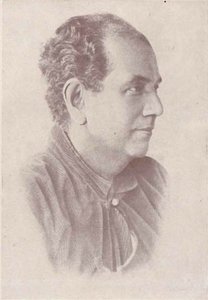
Abanindranath Tagore
1871 - 1951 , Indija
Osnovne informacije
- Artistic Movement Or Style: Bengalska škola umetnosti
- Artists Or Movements Influenced By This Artist:
- Nandalal Bose
- Kshitindranath Majumdar
- Jamini Roy
- Artists Who Influenced This Artist:
- Whistler
- Mogulski umetnici
- Rajput umetnici
- Date Of Birth: 7. maj 1871.
- Date Of Death: 5. decembar 1951.
- Full Name: Abanindranath Tagore
- Nationality: Indijski
- Notable Artworks:
- Rohini II
- Preminuće Šahajana
- Sezonsko cveće u vazi
- Place Of Birth: Jorasanko, Indija
Povezani članci
Watercolor Wonders: 10 Masterpieces That Redefined Art History | ArtsDot
Journey through 10 legendary watercolor masterpieces by Sargent, Turner & Homer! Explore iconic landscapes, portraits & floral art that redefined history. Find museum-quality reproductions and curated decor ideas at ArtsDot.com.
Ephemeral Visions: Exploring the Artistic Legacy & Contemporary Practice of Watercolor Painting
Explore the captivating world of watercolor painting! Discover its rich history, essential techniques, influential artists & collecting tips. A comprehensive guide for art enthusiasts from ArtsDot.
Ephemeral Visions: Exploring the History & Emotional Resonance of Watercolor Painting
Explore the captivating history of watercolor painting, from ancient techniques to modern masters like Kandinsky & Blake. Discover essential artists, collecting tips & the emotional power of this luminous medium. Expert insights for art enthusiasts.
Ephemeral Visions: Exploring the Artistic Legacy & Nuances of Watercolor Painting
Explore the captivating world of watercolor painting! Discover its rich history, essential techniques, influential artists & collecting tips from art experts. A comprehensive guide for enthusiasts.
Акварел кроз векове: Историјски развој, технике и савремена пракса
Истражите историју акварела, технике и савремене трендове уз стручне увиде ArtsDot-а. Сазнајте више о познатим уметницима и материјалима за сликање акварелом. Купите квалитетне репродукције или наручите персонализовани портрет!