

 Pregledaj u prostoru
 Pošalji
 Podeli
 Detalji o delu

 Преузми
 Slični predmeti
 Rendgenski snimak
 Slajdovi
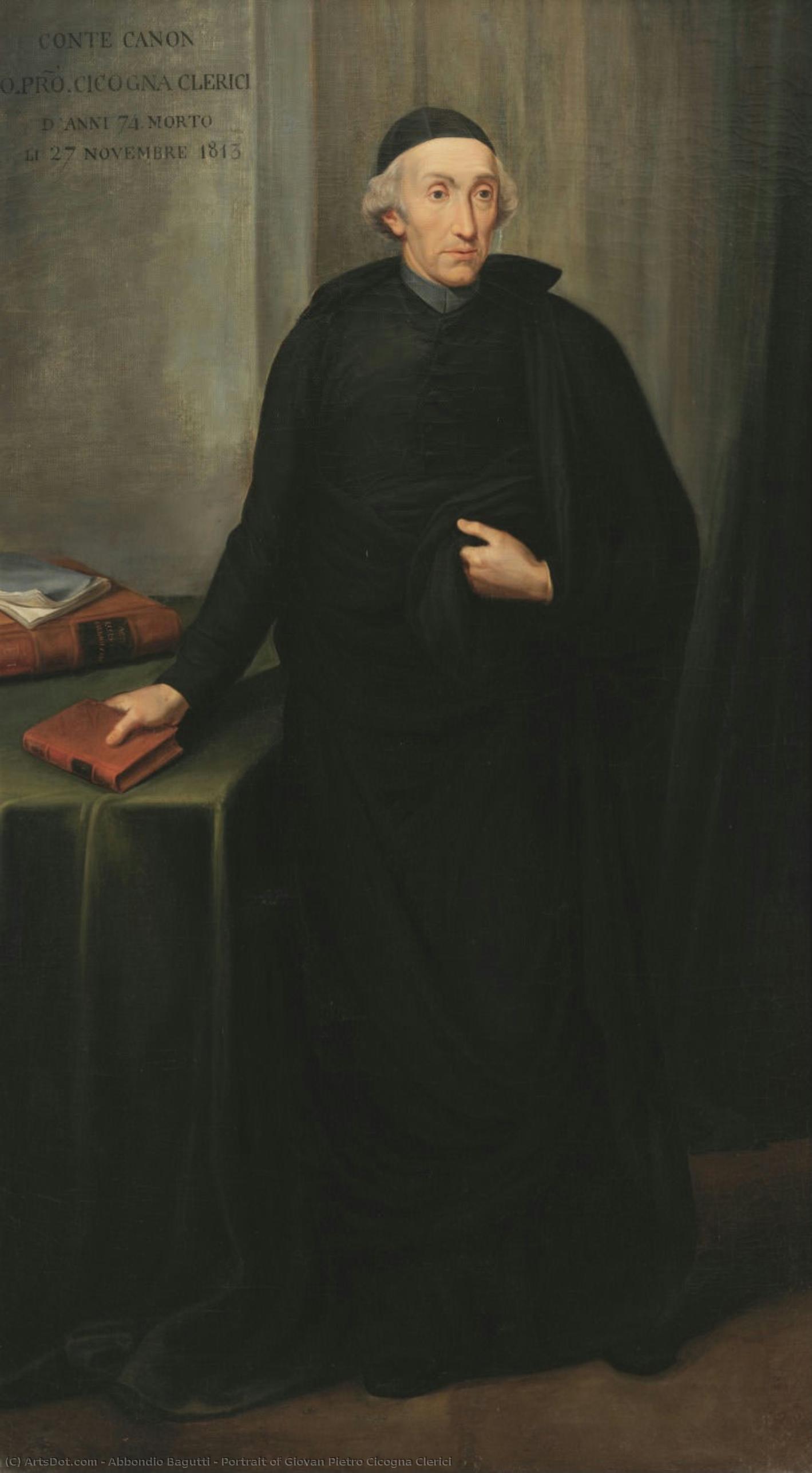
Portrait of Giovan Pietro Cicogna Clerici
 1813
1813 211.0 x 119.0 cm
 Ca’ Granda – Ospedale Maggiore Policlinico
 Pročitaj više
Giclee štampa / Umetnički otisak
Giclée štampa ili print na platnu muzejskog kvaliteta uz brzu proizvodnju i fleksibilne opcije završne obrade. ( Kupi ručno naslikanu sliku Kupi digitalnu sliku)




































Izaberite jednu od naših unapred definisanih veličina koje odgovaraju originalnim proporcijama umetničkog dela.

Možete uneti sopstvene dimenzije kako biste umetničko delo prilagodili specifičnom okviru ili prostoru. Ako odabrani format ne odgovara proporcijama originalne slike, mi ćemo ili iscrtati deo dela ili proširiti sliku pomoću ogledane ivice ili jednobojnog popunjavanja. Digitalni prikaz će vam biti poslat na odobrenje pre početka proizvodnje.
Imajte na umu da pregled na ekranu ne odražava stvarno iscrtavanje ili proširivanje. Samo će prikaz (mockup) precizno pokazati finalnu kompoziciju.
Iako su prilagođene dimenzije dostupne, preporučujemo da odaberete dimenziju sa unapred definisane liste kako biste očuvali originalne proporcije.
Dostava širom sveta () za 2 nedelje umesto uobičajenih 4/5 nedelja. (1 септембар)

Besplatna ekspresna dostava širom sveta

Visokokvalitetno laneno platno

Kompletno osiguranje transporta

Garancija povraćaja carine i uvoznih dažbina

Garancija vernosti boja

Politika povrata u roku od 60 dana (samo u slučaju nedostataka)

Garancija povrata novca od 100%

Popust pri grupnoj kupovini
 Opcija sa staklom dostupna je samo za dimenzije manje od 110 cm

Portrait of Giovan Pietro Cicogna Clerici
Giclee štampa / Umetnički otisak
Dimenzije reprodukcije
-


Konačna cena
$ 62
Srodna umetnička dela








Biografija umetnika
Thomas Gainsborough: A Master of Light and Landscape
Thomas Gainsborough, a name synonymous with the quintessential English countryside, was more than just a painter; he was a chronicler of his time, a keen observer of human nature, and a revolutionary in his approach to landscape art. Born on May 14th, 1727, in Sudbury, Suffolk, into a family of cloth merchants, Gainsborough’s early life offered little indication of the artistic path he would ultimately forge. His apprenticeship as a silversmith provided a valuable grounding in technique and craftsmanship, but it was his time with Hubert Gravelot, a French book-illustrator, that truly ignited his passion for drawing and established his foundational skills. This formative period instilled in him an appreciation for detail, composition, and the subtle nuances of line – qualities that would become hallmarks of his distinctive style.Early Years and Artistic Development
Gainsborough’s artistic journey began modestly, initially focusing on portraiture in London. He established a studio at a young age, quickly gaining recognition for his ability to capture the likenesses of his subjects with remarkable accuracy and charm. However, despite achieving commercial success as a portraitist, Gainsborough harbored a deep-seated desire to paint landscapes – a passion he famously described as “sick of portraits” and yearning for the tranquility of rural life. This internal conflict shaped much of his artistic development, leading him to experiment with looser brushstrokes and atmospheric effects in his landscape paintings while maintaining a polished style in his portraiture. His early works, such as *The Old Bath Keeper* (1768), demonstrate this duality perfectly, blending realistic detail with an emerging sense of light and color. The influence of Gravelot’s training is evident in the meticulous rendering of textures and surfaces, while the burgeoning landscape paintings hint at a future where he would fully embrace his love for capturing the beauty of nature.The Picturesque and Rococo Influences
Gainsborough's artistic vision was profoundly shaped by the emerging aesthetic of “the picturesque,” which emphasized the sublimity, drama, and irregularity of natural landscapes. This concept, championed by artists like Richard Wilson and Claude Gillart, contrasted sharply with the prevailing Neoclassical style that favored idealized, symmetrical compositions. Gainsborough skillfully incorporated elements of the picturesque into his paintings, often depicting scenes of rustic charm, dramatic light effects, and evocative atmospheric conditions. He was also influenced by Rococo art, particularly in his use of delicate color palettes, graceful figures, and a sense of playful elegance. His portraits, while retaining a formal structure, frequently featured relaxed poses, informal settings, and subtle expressions that captured the personalities of his subjects with remarkable sensitivity.Landscapes as Revelation
As Gainsborough matured as an artist, his landscapes became increasingly dominant in his oeuvre. He embarked on numerous sketching tours throughout England, meticulously documenting the diverse landscapes of the countryside – from the rolling hills of Suffolk to the dramatic cliffs of Cornwall and the serene beauty of the Lake District. These journeys were not merely expeditions for artistic inspiration; they were deeply personal experiences that allowed him to connect with nature on a profound level. His landscape paintings are characterized by their luminous color palettes, loose brushwork, and masterful use of light and shadow. He eschewed the rigid conventions of academic painting, instead prioritizing capturing the fleeting effects of atmosphere and the inherent beauty of the natural world. Works like *Red House in Suffolk* (1768) and *The Plebians a Labouring Party at Lamb Inn* (1775-76) exemplify this shift, revealing a deep understanding of light, color, and composition that would set him apart from his contemporaries.Legacy and Historical Significance
Thomas Gainsborough’s impact on the history of British art is undeniable. He played a pivotal role in establishing landscape painting as a legitimate genre, paving the way for future generations of artists like John Constable and J.M.W. Turner. His innovative approach to color, composition, and brushwork profoundly influenced the development of Romanticism, which emphasized emotion, imagination, and the sublime beauty of nature. Despite his initial reluctance to join the Royal Academy, he ultimately organized a series of annual exhibitions in his studio, providing a platform for other artists and fostering a vibrant artistic community. Gainsborough died on August 2nd, 1788, leaving behind a remarkable body of work that continues to captivate audiences today. His paintings are treasured for their beauty, their emotional resonance, and their enduring depiction of the English countryside – a testament to his genius as an artist and his profound understanding of the human spirit. His posthumous sale of his works revealed the considerable esteem in which he was held during his lifetime, solidifying his place as one of Britain’s greatest artistic figures.
abbondio bagutti
1788 - 1850 , Switzerland
Osnovne informacije
- Artistic Movement Or Style: Picturesque, Landscape
- Artists Or Movements Influenced By This Artist:
- Rococo
- Romanticism
- Artists Who Influenced This Artist: ['Hubert Gravelot']
- Date Of Birth: May 14, 1727
- Date Of Death: August 2, 1788
- Full Name: Thomas Gainsborough
- Nationality: British
- Notable Artworks:
- Musidora
- The Baillie Family
- King Lear Weeping
- Place Of Birth: Sudbury, Suffolk

