

 Pošalji
 Podeli
 Detalji o delu

 Преузми
 Slični predmeti
 Slajdovi
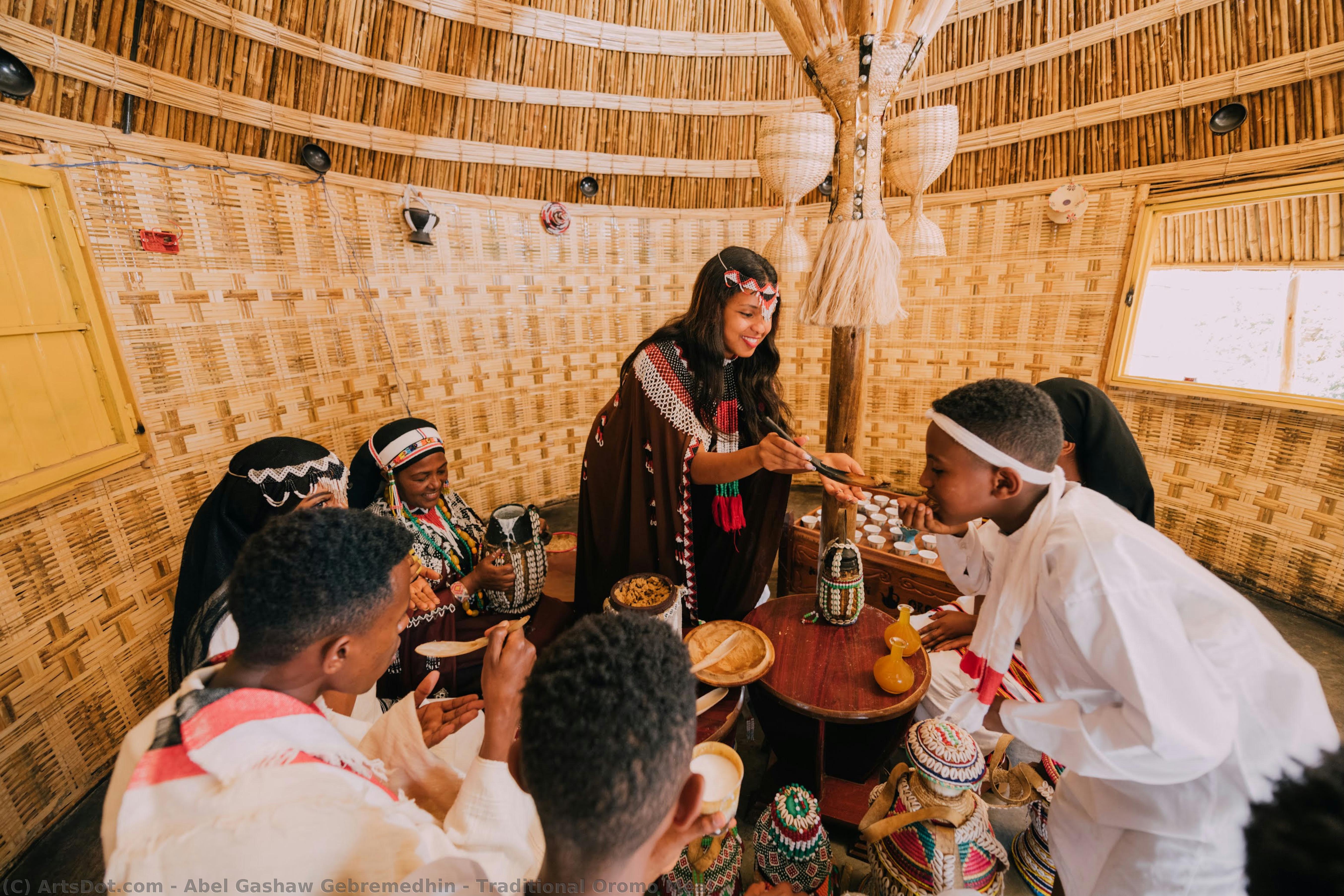
Traditional Oromo Meal


 Pročitaj više
Giclee štampa / Umetnički otisak
Giclée štampa ili print na platnu muzejskog kvaliteta uz brzu proizvodnju i fleksibilne opcije završne obrade. ( Kupi ručno naslikanu sliku Kupi digitalnu sliku)




































Izaberite jednu od naših unapred definisanih veličina koje odgovaraju originalnim proporcijama umetničkog dela.

Možete uneti sopstvene dimenzije kako biste umetničko delo prilagodili specifičnom okviru ili prostoru. Ako odabrani format ne odgovara proporcijama originalne slike, mi ćemo ili iscrtati deo dela ili proširiti sliku pomoću ogledane ivice ili jednobojnog popunjavanja. Digitalni prikaz će vam biti poslat na odobrenje pre početka proizvodnje.
Imajte na umu da pregled na ekranu ne odražava stvarno iscrtavanje ili proširivanje. Samo će prikaz (mockup) precizno pokazati finalnu kompoziciju.
Iako su prilagođene dimenzije dostupne, preporučujemo da odaberete dimenziju sa unapred definisane liste kako biste očuvali originalne proporcije.
Dostava širom sveta () za 2 nedelje umesto uobičajenih 4/5 nedelja. (22 август)

Besplatna ekspresna dostava širom sveta

Visokokvalitetno laneno platno

Kompletno osiguranje transporta

Garancija povraćaja carine i uvoznih dažbina

Garancija vernosti boja

Politika povrata u roku od 60 dana (samo u slučaju nedostataka)

Garancija povrata novca od 100%

Popust pri grupnoj kupovini
 Opcija sa staklom dostupna je samo za dimenzije manje od 110 cm

Traditional Oromo Meal
Giclee štampa / Umetnički otisak
Dimenzije reprodukcije
-


Konačna cena
$ 62
Opis predmeta
A Celebration of Community and Heritage
In the evocative photograph Traditional Oromo Meal, photographer Abel Gashaw Gebremedhin invites us into the heart of Ethiopian communal life. The scene unfolds within the intimate confines of a traditional setting, where the boundaries between host and guest dissolve into a shared moment of nourishment. A group of individuals is gathered around a table laden with the bounty of the earth, their presence creating a tapestry of human connection. As eyes wander across the frame, one notices the gentle movement of a woman standing near the center, her role as a provider and nurturer anchoring the composition. The table itself serves as an altar of hospitality, crowded with bowls, cups, and bottles that speak to a well-prepared feast, while the presence of a simple knife suggests the tactile, hands-on nature of this cultural ritual.
The atmosphere captured by Gebremedhin is one of profound warmth and belonging. There is an undeniable sense of communal harmony that radiates from the subjects, whether they are seated in quiet contemplation or standing in active engagement with their companions. This piece does more than merely document a meal; it captures the very essence of the Oromo spirit—a spirit rooted in togetherness, generosity, and the preservation of ancestral customs. For the collector, this work offers a window into a world where the act of eating is inseparable from the act of loving and honoring one's community.
The Artistry of Documentary Realism
Technically, Gebremedhin utilizes the strengths of documentary photography to achieve a sense of unvarnished truth. His approach avoids the staged artifice often found in commercial photography, opting instead for a candid realism that allows the natural light and organic textures of the setting to breathe. The composition directs the viewer's gaze through the layers of people, using the arrangement of the guests to create depth and a sense of being present at the table. This mastery of spatial storytelling ensures that the viewer does not merely observe the scene from a distance but feels drawn into the circle of friends and family.
For interior designers and art enthusiasts, this photograph serves as a powerful focal point for spaces that value authenticity and cultural depth. The earthy tones and rich textures inherent in the Oromo tradition provide a sophisticated palette that complements both modern minimalist environments and more eclectic, globally-inspired decor. A high-quality reproduction of this work brings with it a narrative of resilience and joy, making it an ideal acquisition for those looking to infuse their collections with pieces that possess both historical weight and emotional resonance.
Symbolism and Lasting Impact
Beyond the visual splendor, Traditional Oromo Meal is rich with symbolic significance. The shared table represents a sanctuary of peace and a rejection of isolation. Each element—from the humble bowls to the communal bottles—acts as a symbol of the abundance found in tradition and the strength found in unity. Gebremedhin, an artist deeply invested in documenting the landscapes and human rights of Ethiopia, uses this medium to ensure that these fleeting moments of cultural splendor are immortalized for future generations.
To possess this artwork is to hold a piece of living history. It serves as a poignant reminder of the universal human need for connection and the beauty found in honoring one's roots. Whether displayed in a private study, a grand gallery, or a curated residential space, this photograph continues to provoke thought about our own connections to heritage and the enduring power of the communal table.
Srodna umetnička dela








Biografija umetnika
The Lens of Ethiopia: The Life and Vision of Abel Gashaw Gebremedhin
In the vibrant, sun-drenched landscapes of Addis Ababa, a profound visual narrative began to take shape through the eyes of Abel Gashaw Gebremedhin. Born in 1994, this Ethiopian photographer has emerged as a vital chronicler of his nation's soul, utilizing the camera not merely as a tool for documentation, but as a medium for deep cultural preservation and social advocacy. His journey began with a simple curiosity, capturing fleeting moments with a standard camera before evolving into a sophisticated mastery of light and composition. Through his studies at Axum University, Gebremedhin refined a technical prowess that allows him to translate the raw, unvarnished beauty of Ethiopia into evocative imagery that resonates far beyond the borders of East Africa.
The essence of Gebremedhin’s work lies in his ability to weave the threads of tradition into the fabric of contemporary photography. He possesses a rare sensitivity for capturing the intimate rituals of daily life, particularly within the Oromo culture. His photographic series act as a visual ethnography, where subjects such as the Traditional Oromo Meal (Cukkoo) and the Arsi Oromo Kitchen serve as more than just portraits; they are profound tributes to heritage and communal identity. In these works, the viewer is invited into the warmth of ancestral spaces, witnessing the textures of food and the dignity of tradition through a lens that celebrates the resilience of cultural continuity.
A Commitment to Truth and Environmental Stewardship
Beyond the celebration of culture, Gebremedhin’s oeuvre is marked by a courageous commitment to documenting the complexities of the human condition. He has utilized his platform to shine a light on pressing social justice issues, most notably through his poignant documentation of human rights struggles in Ethiopia, including the harrowing events surrounding the Gashena massacre in 2021. This facet of his work demonstrates a profound sense of responsibility, as he uses the stillness of a photograph to demand attention for those whose voices are often silenced by conflict and hardship.
This dedication to truth extends into the natural world, where Gebremedhin explores the intersection of humanity and ecology. His selection to document the Green Legacy Project—a massive national tree-planting initiative led by Prime Minister Abiy Ahmed—underscores his role as a visual steward of the environment. By capturing the growth of this ambitious ecological endeavor, he highlights the vital importance of sustainability and conservation in a changing climate. His work serves as a bridge between the historical significance of Ethiopia's landscapes and the urgent necessity of protecting them for future generations.
Legacy and Artistic Contribution
The impact of Abel Gashaw Gebremedhin is felt through both his institutional recognition and his presence in the global art market. His work has been honored by prestigious venues such as the Oromia Museum in Addis Ababa, cementing his status as a significant contributor to the Ethiopian photographic canon. As the founder of Age Photography, he continues to push the boundaries of the medium, ensuring that the stories of his people are told with both artistic elegance and unflinching honesty.
Today, Gebremedhin’s photographs find a global audience through platforms like ArtsDot, where his ability to capture the essence of Ethiopian life allows international collectors to connect with the profound beauty and struggle of his homeland. His career stands as a testament to the power of photography to act as both a mirror to society and a window into the heart of a culture, leaving an indelible mark on the history of contemporary African photography.

abel gashaw gebremedhin
1994 - , Ethiopia
Osnovne informacije
- Artistic Movement Or Style: Travel and documentary photography
- Date Of Birth: 1994
- Full Name: Abel Gashaw Gebremedhin
- Nationality: Ethiopian
- Notable Artworks:
- Traditional Oromo meal (Cukkoo)
- Arsi Oromo kitchen
- Place Of Birth: Addis Ababa, Ethiopia
Povezani članci

Witnessing History Through Lens & Light: Documentary Photography's Enduring Legacy
Explore the powerful history of documentary photography – from its origins to contemporary masters like Gordon Parks & W. Eugene Smith. Discover how this art form shapes our understanding of society and witness pivotal moments in time.

Documentary Photography's Defining Moments: 10 Masterpieces for Your Home |
Explore 10 defining documentary photography masterpieces – from Dorothea Lange to Robert Capa. Discover powerful stories, iconic images & timeless art for your home. Museum-quality prints at .

Witnessing History: Documentary Photography as an Art Movement
Explore the powerful history of documentary photography – from its origins to contemporary masters like Gordon Parks. Discover how this art form shapes our understanding of society and witness pivotal moments in time.

Monochrome Visions: Exploring the Aesthetic & Historical Significance of Black & White Photography
Explore the rich history & artistic power of black and white photography. From early techniques to iconic masters like Ansel Adams, discover why monochrome continues to captivate art lovers today. Expert insights for collectors.
Beyond the Lens: Photography's Enduring Influence on Modern & Contemporary Art
Explore photography's pivotal role in shaping modern & contemporary art. Discover key movements, influential artists like Stieglitz, and expert collecting advice from ArtsDot.

