

 Pregledaj u prostoru
 Pošalji
 Podeli
 Detalji o delu

 Преузми
 Slični predmeti
 Rendgenski snimak
 Slajdovi
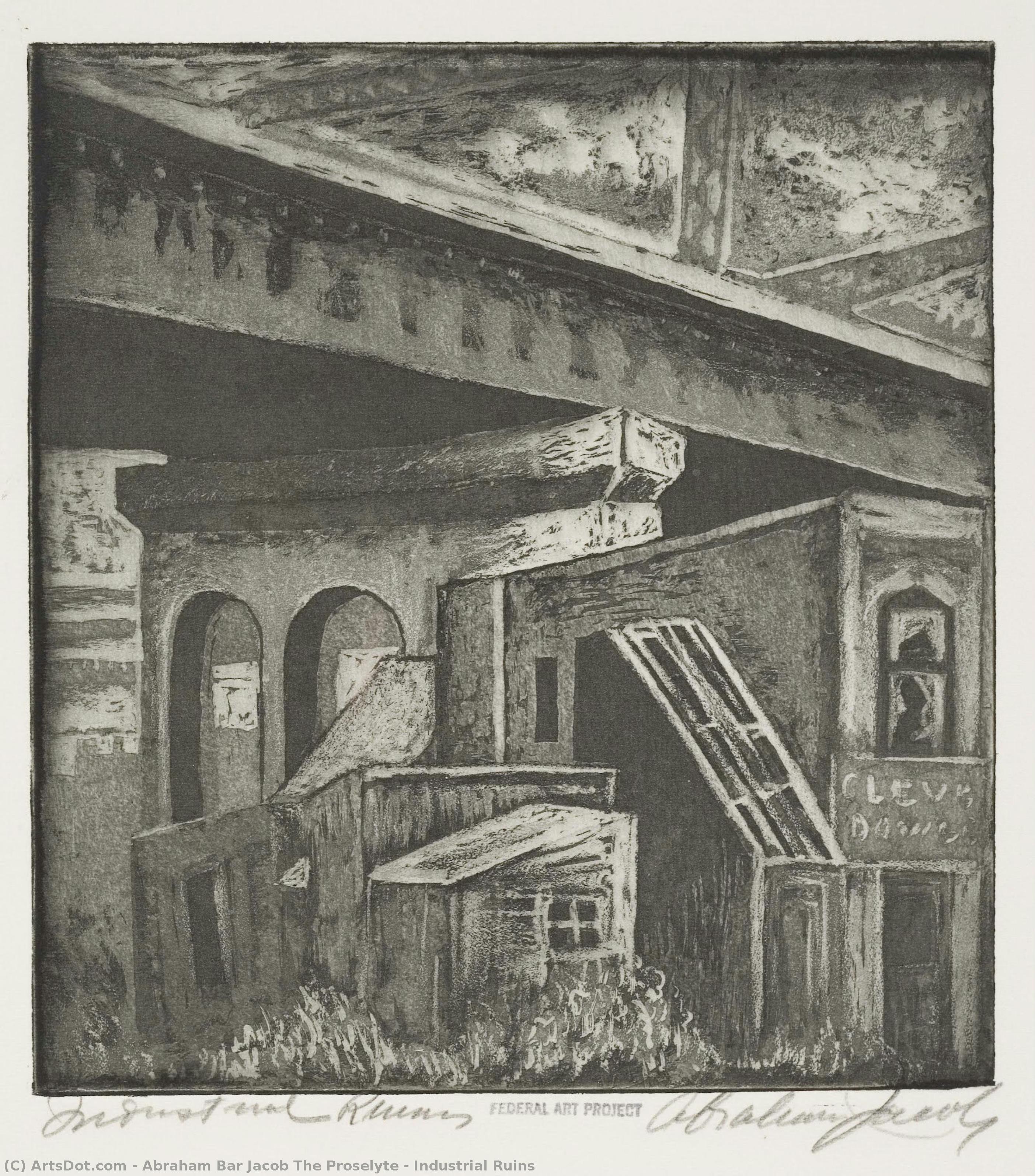
Industrial Ruins


 Pročitaj više
Ručno rađena uljana reprodukcija
Ručno oslikano uljanim bojama na platnu u dimenzijama i okviru po vašem izboru, izrađeno po porudžbini od strane naših umetnika. ( Kupi print Kupi digitalnu sliku)




































Izaberite jednu od naših unapred definisanih veličina koje odgovaraju originalnim proporcijama umetničkog dela.

Можете унети сопствене димензије како бисте прилагодили дело одређеном оквиру или простору. Ако одабрана величина не одговара пропорцијама оригинала, слика ће бити исечена или проширена додатним елементима који се ручно насликавају. Дигитални prikaz ће вам бити послат на одобрење пре почетка производње.
Имајте на уму да преглед на екрану не одражава стварно исецање или проширење. Само приказ (mockup) ће тачно приказати коначну композицију.
Иако су доступне прилагођене величине, препоручујемо да одаберете димензију из дефинисане листе како бисте сачували оригиналне пропорције.
Nakon narudžbine, tim ArtsDot.com će klijentu putem e-pošte poslati uputstva i dostaviti prikaz predloženog rešenja
Isporuka širom sveta () za 3/4 nedelje umesto uobičajenih 5 nedelja. (6 септембар). Bez kompromisa po pitanju kvaliteta.

Besplatna ekspresna dostava širom sveta

Visokokvalitetno laneno platno

Kompletno osiguranje transporta

Garancija povraćaja carine i uvoznih dažbina

Garancija vernosti boja

Politika povrata u roku od 100 dana (samo u slučaju nedostataka)

Garancija povrata novca od 100%

Popust pri grupnoj kupovini
 Opcija sa staklom dostupna je samo za dimenzije manje od 110 cm

Industrial Ruins
Tehnika reprodukcije
Dimenzije reprodukcije
-


Konačna cena
$ 263
Srodna umetnička dela








Biografija umetnika
A Convert’s Vision: The Life and Art of Abraham Bar Jacob
The story of Abraham Bar Jacob is one steeped in transformation, a compelling narrative of religious conversion woven into the fabric of 17th-century Amsterdam's vibrant artistic landscape. Born in Berlin around 1669 as a Christian pastor, his journey took an unexpected turn when he embraced Judaism, adopting the name by which we know him today – Abraham Bar Jacob, meaning “Abraham, son of Jacob.” This profound shift wasn’t merely a change of faith; it fundamentally altered his artistic trajectory and imbued his work with a unique perspective. Little is known about his early life or training before arriving in Amsterdam, adding an air of mystery to the origins of his considerable skill as a copper engraver.
Amsterdam and the Haggadah: A Flourishing Career
Amsterdam in the late 17th century was a haven for Sephardic Jews fleeing persecution, a bustling center of trade, intellectual life, and artistic production. It was within this dynamic environment that Bar Jacob established himself as a respected artist. He quickly became known for his meticulous engravings, often employed to illustrate books printed by prominent Amsterdam publishing houses. However, it is his collaboration on the 1695 Amsterdam Haggadah that cemented his place in art history. This wasn’t simply an act of commercial artistry; it was a deeply personal undertaking. The Haggadah, the text recited during the Passover Seder, holds immense spiritual significance for Jewish people, recounting the story of the Exodus from Egypt.
Bar Jacob's contribution extended beyond mere illustration. He created a series of intricate engravings that adorned the pages, but his most striking achievement was the inclusion of a detailed map of Palestine rendered with Hebrew lettering. This wasn’t just a geographical depiction; it was a visual expression of longing for the Holy Land and a testament to his newfound faith. The map is remarkable for its accuracy—considering the limitations of contemporary cartography—and its symbolic weight, representing both historical connection and future aspiration.
Beyond the Haggadah: Diverse Artistic Expressions
While the Amsterdam Haggadah remains his most celebrated work, Bar Jacob’s artistic output was surprisingly diverse. He produced title pages for various books, showcasing his skill in decorative design and typography. Perhaps one of his more unusual commissions was an amulet created for women in childbirth, a testament to the practical role art played in everyday life during this period. This amulet, likely intended to offer protection during a vulnerable time, demonstrates his ability to adapt his style to suit different needs and audiences.
Another intriguing project was a wall calendar spanning 130 years, adorned with baroque illustrations. The sheer scale of such an undertaking speaks to Bar Jacob’s ambition and dedication. These calendars weren't merely functional timekeeping devices; they were works of art in their own right, reflecting the aesthetic sensibilities of the era.
A Legacy Marked by Faith and Art
In his later years, a curious phenomenon emerged: Bar Jacob began to obliterate or conceal his signature from his work. The reasons for this remain speculative, but it’s widely believed to be connected to his status as a convert. In a society where religious identity was often closely tied to artistic patronage and recognition, he may have feared discrimination or sought to distance himself from potential scrutiny. Regardless of the motivation, this act adds another layer of complexity to his story.
Abraham Bar Jacob’s legacy is that of an artist who seamlessly blended faith and artistry. His work offers a rare glimpse into the world of 17th-century Jewish life in Amsterdam, reflecting both the challenges and opportunities faced by converts. He wasn't simply replicating existing styles; he was creating something new—a unique visual language informed by his personal journey and deeply rooted in religious tradition. His engravings are not merely decorative objects; they are windows into a soul grappling with identity, belonging, and the enduring power of belief. The Amsterdam Haggadah, in particular, stands as a testament to his skill and a powerful symbol of Jewish resilience and cultural continuity.
abraham bar jacob the proselyte
1669 - 1730 , Germany
Osnovne informacije
- Artistic Movement Or Style: Baroque Illustration
- Date Of Birth: 1669
- Date Of Death: 1730
- Full Name: Abraham Bar Jacob the Proselyte
- Nationality: German-Jewish
- Notable Artworks:
- Amsterdam Haggadah
- Holy Land maps
- Amulet for childbirth
- Place Of Birth: Berlin, Germany