

 Pregledaj u prostoru
 Pošalji
 Podeli
 Detalji o delu

 Преузми
 Slični predmeti
 Rendgenski snimak
 Slajdovi
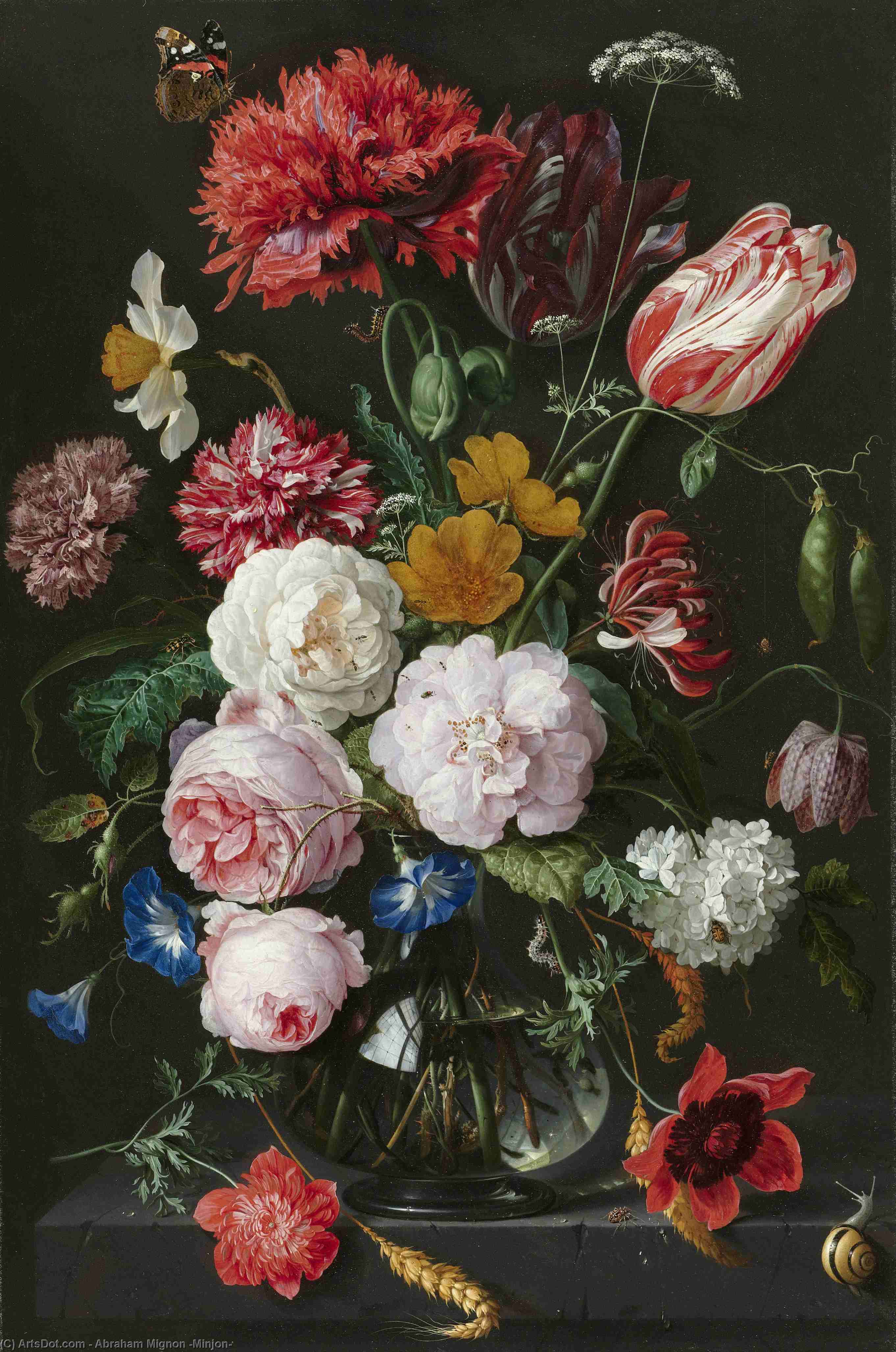
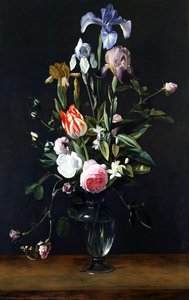
Still life with flowers in a glass vase
 Pročitaj više
Ručno rađena uljana reprodukcija
Ručno oslikano uljanim bojama na platnu u dimenzijama i okviru po vašem izboru, izrađeno po porudžbini od strane naših umetnika. ( Kupi print Kupi digitalnu sliku)




































Izaberite jednu od naših unapred definisanih veličina koje odgovaraju originalnim proporcijama umetničkog dela.

Можете унети сопствене димензије како бисте прилагодили дело одређеном оквиру или простору. Ако одабрана величина не одговара пропорцијама оригинала, слика ће бити исечена или проширена додатним елементима који се ручно насликавају. Дигитални prikaz ће вам бити послат на одобрење пре почетка производње.
Имајте на уму да преглед на екрану не одражава стварно исецање или проширење. Само приказ (mockup) ће тачно приказати коначну композицију.
Иако су доступне прилагођене величине, препоручујемо да одаберете димензију из дефинисане листе како бисте сачували оригиналне пропорције.
Nakon narudžbine, tim ArtsDot.com će klijentu putem e-pošte poslati uputstva i dostaviti prikaz predloženog rešenja
Isporuka širom sveta () za 3/4 nedelje umesto uobičajenih 5 nedelja. (22 август). Bez kompromisa po pitanju kvaliteta.

Besplatna ekspresna dostava širom sveta

Visokokvalitetno laneno platno

Kompletno osiguranje transporta

Garancija povraćaja carine i uvoznih dažbina

Garancija vernosti boja

Politika povrata u roku od 60 dana (samo u slučaju nedostataka)

Garancija povrata novca od 100%

Popust pri grupnoj kupovini
 Opcija sa staklom dostupna je samo za dimenzije manje od 110 cm

Still life with flowers in a glass vase
Tehnika reprodukcije
Dimenzije reprodukcije
-


Konačna cena
$ 263
Srodna umetnička dela
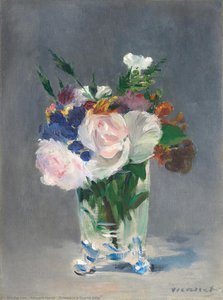
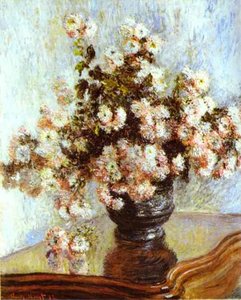
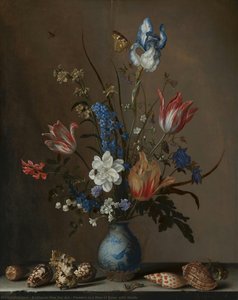
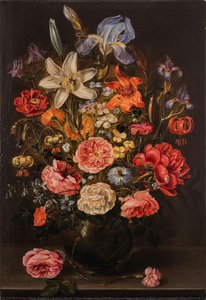
Biografija umetnika
A Life Immersed in Stillness: The World of Abraham Mignon
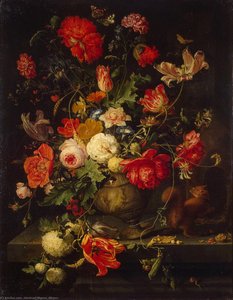
Abraham Mignon, or Minjon as he was sometimes known, remains a captivating figure within the Dutch Golden Age still life tradition, despite a tragically short career spanning only from 1640 to 1679. Born in Frankfurt, Germany, into a family with roots in the Southern Netherlands and a Calvinist faith, Mignon’s artistic journey was one of rapid development and remarkable skill. His paintings—exquisite arrangements of flowers, fruits, game, and luxurious objects—are not merely depictions of material beauty but rather carefully constructed meditations on life's fleeting nature, imbued with symbolism and technical mastery.
Mignon’s early training began under the tutelage of Jacob Marrel in Wetzlar. Marrel, a respected flower painter and art dealer, recognized young Abraham’s talent and fostered his abilities. This apprenticeship was crucial, providing Mignon with a solid foundation in botanical accuracy and composition. However, it was the move to Utrecht in the Dutch Republic that truly ignited his artistic potential. The vibrant art scene of Utrecht, coupled with exposure to the works of masters like Jan Davidszoon de Heem, would profoundly shape his style.
The Influence of De Heem and a Blossoming Style
Utrecht was a hub for still life painting, and Mignon quickly integrated himself into this artistic community. In 1669, he joined the Guild of Saint Luke, solidifying his position as a professional artist. More importantly, he became an assistant in Jan Davidszoon de Heem’s workshop. De Heem was a pivotal figure in the development of opulent and complex still lifes, known for their dramatic lighting, rich textures, and symbolic depth. Mignon absorbed these lessons with remarkable speed, developing a style that echoed De Heem's grandeur while simultaneously establishing his own unique voice.
After de Heem’s return to Antwerp in 1672, it is widely believed that Mignon took over the reins of his workshop. This transition speaks volumes about the esteem in which he was held by his contemporaries and the confidence De Heem placed in his abilities. Mignon's paintings from this period demonstrate a heightened level of sophistication, characterized by meticulous detail, vibrant color palettes, and an increasingly refined understanding of light and shadow. His compositions often feature a profusion of blooms, ripe fruits, delicate insects, and gleaming glassware, all arranged with a sense of dynamic energy.
Symbolism and the Vanitas Tradition
Mignon’s still lifes were not simply exercises in technical skill; they were deeply rooted in the Vanitas tradition—a genre that served as a visual reminder of mortality and the transience of earthly pleasures. The inclusion of wilting flowers, decaying fruit, extinguished candles, or hourglasses all alluded to the inevitable passage of time and the futility of worldly possessions. However, Mignon’s work wasn't solely focused on somber contemplation. His paintings also celebrated the beauty and abundance of nature, creating a delicate balance between joy and melancholy.
The presence of exotic fruits, rare shells, or imported porcelain hinted at wealth and status, but these symbols were often juxtaposed with elements that underscored their impermanence. A half-peeled lemon, for example, could represent both the sweetness of life and its eventual decay. This subtle interplay of symbolism elevated Mignon’s still lifes beyond mere decoration, transforming them into profound statements about the human condition.
Legacy and Historical Significance
Despite his untimely death at the age of 39 in Utrecht, Abraham Mignon left an indelible mark on the world of still life painting. His works were highly sought after by collectors throughout Europe during his lifetime, adorning the homes of nobility and wealthy merchants. The Orange-Nassau family was among his most prominent patrons, further cementing his reputation as a leading artist of his time.
Today, Mignon’s paintings are prized for their exquisite beauty, technical brilliance, and symbolic depth. He stands as a testament to the power of observation, the allure of material splendor, and the enduring human fascination with the fleeting nature of existence. His influence can be seen in the works of later still life painters, solidifying his place as a significant figure within the Dutch Golden Age and a master of Vanitas painting.
abraham mignon (minjon)
1640 - 1679 , Germany
Osnovne informacije
- Artistic Movement Or Style: Baroque still life
- Artists Who Influenced This Artist:
- Jan Davidszoon de Heem
- Jacob Marrel
- Date Of Birth: June 21, 1640
- Date Of Death: March 27, 1679
- Full Name: Abraham Mignon
- Nationality: German
- Notable Artworks:
- Still Life with Flowers...
- Still Life with Fruit...
- Still Life with Oysters...
- Place Of Birth: Frankfurt, Germany

