

 Pregledaj u prostoru
 Pošalji
 Podeli
 Detalji o delu

 Преузми
 Slični predmeti
 Rendgenski snimak
 Slajdovi
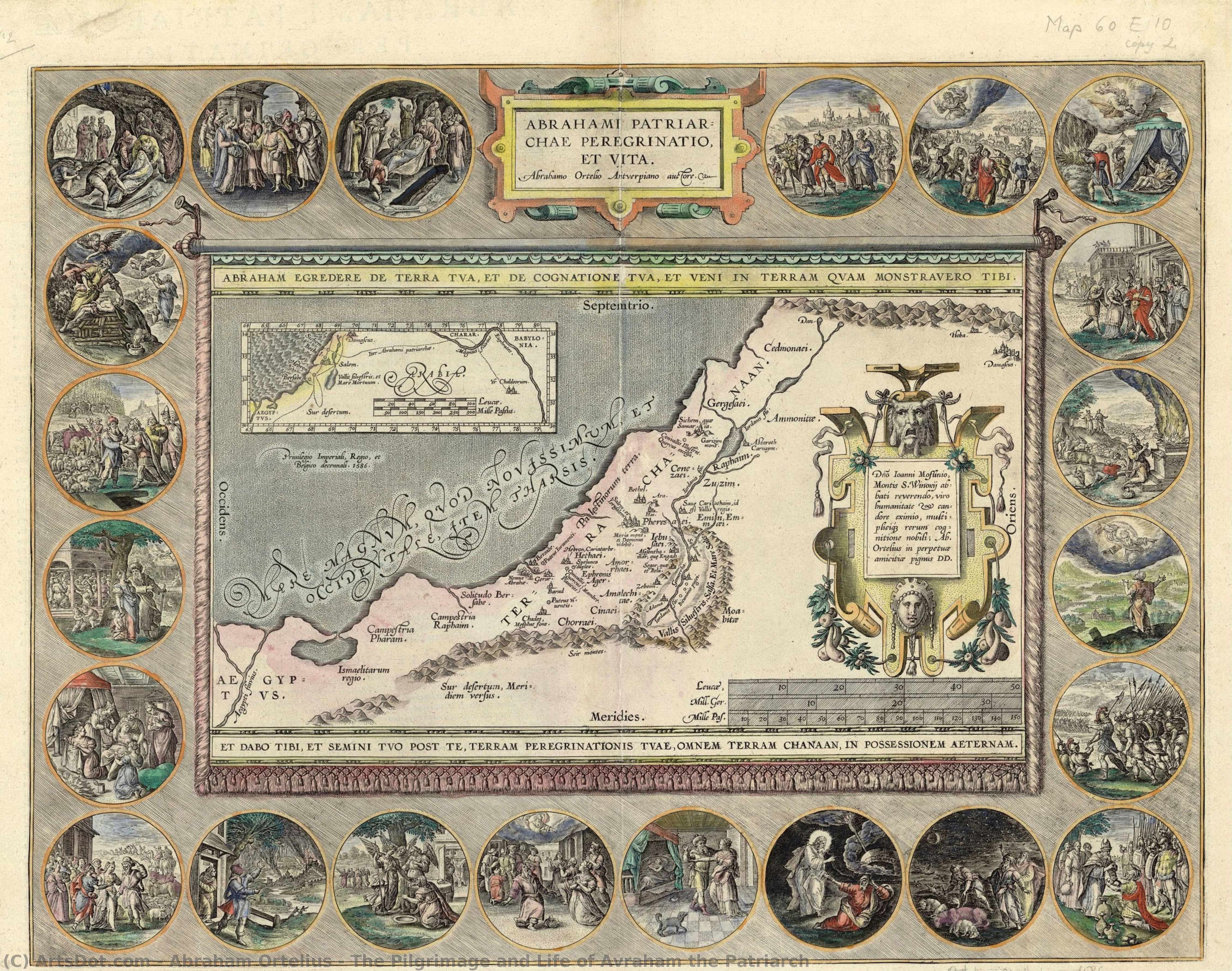
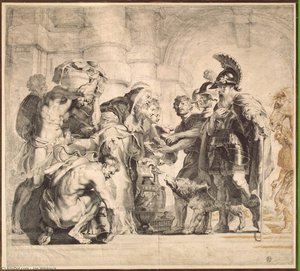
The Pilgrimage and Life of Avraham the Patriarch
 Engraving
- Renaissance
 1590
1590- Early Modern
 35.0 x 45.0 cm
 Nacionalna biblioteka Izraela
 Pročitaj više
Kupite digitalnu sliku visoke rezolucije i poboljšanog kvaliteta, koja je znatno superiornija od onoga što vidite u online prikazu.
Svaka datoteka je pedantno pripremljena od strane naših stručnjaka koristeći napredne alate i profesionalnu ručnu retušu. Osiguravamo da svaka slika ima izuzetnu oštrinu, preciznu reprodukciju boja i fine detalje.
Konačna datoteka se dostavlja putem e-pošte u roku od 72 sata, optimizovana za neposrednu upotrebu u profesionalnim, izdavačkim i štamparskim okruženjima. To je isti kvalitet kojem veruju vrhunski studiji dizajna, izdavači i galerije.
Digitalna slika
Preuzmite datoteku visoke rezolucije za ličnu upotrebu, štampanje i kreativne projekte. ( Kupi print Kupi ručno naslikanu sliku)
Uključeno uz svaku porudžbinu digitalne slike
Profesionalna digitalna isporuka, zagarantovana
Kada odaberete ArtsDot.com, ne dobijate samo sliku – vi primate profesionalno unapređeno digitalno umetničko delo, izrađeno sa najvećom preciznošću i uz garanciju zadovoljstva. Evo svega što automatski dolazi uz vašu porudžbinu:

Brza dostava putem e-pošte
Vaša digitalna slika visoke rezolucije biće vam poslata putem e-pošte u roku od 72 sata od poručivanja – spremna za trenutnu upotrebu.

Digitalna datoteka unapređena veštačkom inteligencijom
Vaše umetničko delo je profesionalno optimizovano korišćenjem naprednih AI alata i ručne obrade, čime se osiguravaju maksimalni detalji, oštrina i preciznost boja.

Besplatna ponovna isporuka doživotno
Slučajno ste obrisali ili izgubili svoju datoteku? Ne brinite – poslaćemo vam je ponovo u bilo kom trenutku, potpuno besplatno.

Bez troškova uvoza – zauvek
Uživajte u svojim umetničkim delima trenutno, bez carine, dažbina ili troškova dostave – digitalni download je uvek bez poreza.

Garancija vernosti boja
Uz pomoć profesionalnih alata i upravljanja bojama, osiguravamo da vaša digitalna slika što vernije odražava originalne boje.

Garancija zadovoljstva u roku od 60 dana
Ako niste zadovoljni svojom digitalnom slikom, revidirat ćemo je ili vratiti 100% novca u roku od 60 dana – bez ikakvih pitanja.

100% garancija povrata novca
Niste zadovoljni? Obezbedite pun povrat novca u roku od 60 dana od trenutka kada ste primili svoju digitalnu datoteku – bez suvišnih pitanja.

Popusti na velike porudžbine
Kupite 3 slike, uštedite 10% - Kupite 5 slika, uštedite 15% - Kupite 10+ slika, uštedite 20%. Odlično za kreativne projekte, galerije i agencije.
Opis kolekcionarskog dela
A Journey Through Sacred Cartography
In the delicate interplay of ink and imagination, Abraham Ortelius’s "The Pilgrimage and Life of Avraham the Patriarch" serves as more than a mere depiction of biblical narrative; it is a profound visual odyssey. Created around 1590, this intricate masterpiece functions as a spiritual map, guiding the viewer through the pivotal moments of Abraham's existence. As one gazes upon the composition, the eye is immediately drawn into a tapestry of movement and divine encounter. From the arduous trek toward Egypt to the quiet, hallowed stillness of the oak grove at Mamre, every brushstroke and etched line breathes life into the ancient chronicles of faith. The work transcends simple illustration, acting as a window into a time when geography and theology were inextricably linked, woven together by the hand of a master who understood that to map the world was also to map the soul.
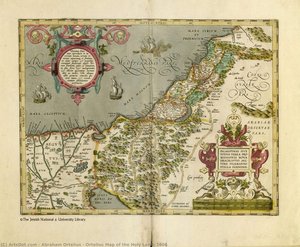
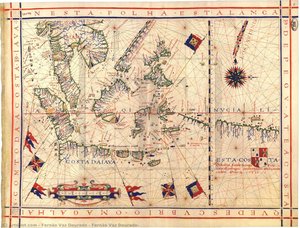
The technical brilliance of this piece lies in its remarkable density of detail and its ability to balance multiple temporalities within a single frame. Ortelius, a pioneer of modern cartography, utilizes his engraver’s precision to create a sense of immense scale and historical depth. The inclusion of a meticulously rendered map of the Holy Land provides a grounding, physical reality to the ethereal scenes of pilgrimage. This juxtaposition of scientific accuracy with religious storytelling creates a unique tension—a marriage of the observable earth and the unseen divine. For the discerning collector or interior designer, this piece offers a sophisticated layer of intellectual texture, inviting long periods of contemplation as one discovers new figures, landscapes, and symbolic gestures hidden within its complex layers.
Beyond its historical significance, the emotional resonance of the artwork is found in its portrayal of human perseverance and divine providence. There is a palpable sense of motion—the weary stride of travelers, the expectant gaze of those awaiting a sign, and the vast, sweeping vistas that suggest both the loneliness of the desert and the abundance of God's promise. The palette, though rooted in the earthy tones of the late Renaissance, possesses a luminous quality that highlights the sanctity of the events depicted. To display a high-quality reproduction of this work is to bring a sense of timelessness and narrative grandeur into a space. It serves as an anchor for any room, offering a sophisticated dialogue between the classical past and the modern aesthetic, making it an incomparable choice for those who seek art that speaks of legacy, exploration, and the enduring human spirit.
Srodna umetnička dela
Biografija umetnika
Abraham Ortelius: Pioneer of Modern Cartography
Abraham Ortelius (1527-1598) stands as a monumental figure in the history of mapmaking and scientific exploration, largely unrecognized until recent decades. Born in Antwerp, Belgium—a vibrant hub of Renaissance scholarship and artistic innovation—Ortelius’s life was marked by intellectual curiosity and unwavering dedication to advancing geographical knowledge. Trained initially as an engraver, he swiftly transitioned into publishing, establishing a workshop that would become synonymous with the production of groundbreaking atlases and meticulously crafted maps. His ambition wasn't merely decorative; it was driven by a profound belief in the power of accurate representation to illuminate understanding of the world.- Early Life & Training: Ortelius’s formative years were steeped in humanist ideals, fostering an appreciation for classical learning and observation. He honed his engraving skills under Rubens, absorbing techniques that would prove invaluable in reproducing his maps with exceptional detail.
- Theatrum Orbis Terrarum (1570): Ortelius's magnum opus, *Theatrum Orbis Terrarum*, represents a pivotal moment in cartographic history. Published during the tumultuous Reformation era, it was the first atlas to employ copperplate engraving on a grand scale—a revolutionary method that allowed for unprecedented precision and artistic beauty. It meticulously charted Europe, Asia, Africa, and the Americas, incorporating Ptolemy’s geocentric model alongside observations from explorers like Magellan and Drake.
- Influence & Collaborations: Ortelius didn't operate in isolation; he actively engaged with fellow scholars and artists. Notably, his collaboration with Ludovico Teixeira—a Portuguese cartographer—resulted in the creation of a comprehensive atlas of Brazil, significantly bolstering Portugal’s maritime empire and establishing a benchmark for future Brazilian mapping endeavors.
- Legacy & Significance: Ortelius's impact extends far beyond the production of atlases. His meticulous research into ancient texts and his insistence on incorporating new scientific data fundamentally reshaped how Europeans perceived their surroundings. *Theatrum Orbis Terrarum* served as a cornerstone for subsequent generations of cartographers, influencing exploration, navigation, and ultimately contributing to the dissemination of knowledge about the globe.
A Detailed Examination of Ortelius’s Cartographic Technique
Ortelius's maps weren’t simply copied from existing sources; they were painstakingly reconstructed using a combination of Ptolemaic calculations, astronomical observations, and firsthand accounts from explorers. The engravers employed by Ortelius utilized techniques perfected during the Renaissance—particularly hatching and cross-hatching—to convey tonal variations in terrain elevation with remarkable accuracy. Color printing was also experimented with, albeit sparingly, adding visual richness to certain sections of the atlas. These innovations underscored Ortelius’s commitment to presenting a scientifically informed depiction of the Earth.Notable Works Beyond Theatrum Orbis Terrarum
While *Theatrum Orbis Terrarum* cemented Ortelius's reputation as a visionary, he produced numerous other maps and atlases that showcased his exceptional skill and dedication to geographical accuracy. These included detailed charts of the Mediterranean Sea, explorations of Scandinavia, and depictions of Persia—reflecting Ortelius’s broad interests in maritime navigation and scholarly pursuits. His meticulous attention to detail ensured that these works remained invaluable resources for navigators and scholars alike.Ortelius's Portrait by Rubens: A Reflection of Renaissance Idealism
Sir Peter Paul Rubens commissioned a portrait of Abraham Ortelius, capturing him amidst his workshop—a scene replete with maps, instruments, and scholarly texts. The painting exemplifies the humanist ideals prevalent during the Renaissance, portraying Ortelius as an intellectual figure engaged in serious contemplation. Rubens skillfully rendered Ortelius’s face with subtle shading and anatomical precision, reflecting the artistic standards of the era and solidifying Ortelius's place within the cultural landscape of Antwerp.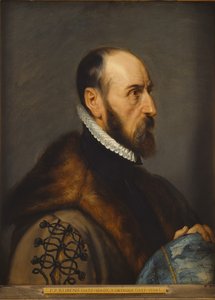
Abraham Ortelius
1527 - 1598 , Belgium
Kratke činjenice
- Artistic Movement Or Style: Renaissance cartography
- Artists Or Movements Influenced By This Artist: ['Cartography']
- Artists Who Influenced This Artist: ['Johannes Mercator']
- Date Of Birth: 1527 Antwerp, Belgium
- Date Of Death: 1598
- Full Name: Abraham Ortelius
- Nationality: Flemish
- Notable Artworks: ['Theatrum Orbis Terrarum']
- Place Of Birth: Antwerp

