
- Početna strana

- Štampa na platnu
- Abū Al-Thanā’ Shihāb Ad-Dīn Sayyid Maḥmūd Ibn ‘Abd Allāh Al-Ḥusaynī Al-Ālūsī Al-Baghdādī
 Pregledaj u prostoru
 Pošalji
 Podeli
 Detalji o delu

 Преузми
 Slični predmeti
 Rendgenski snimak
 Slajdovi
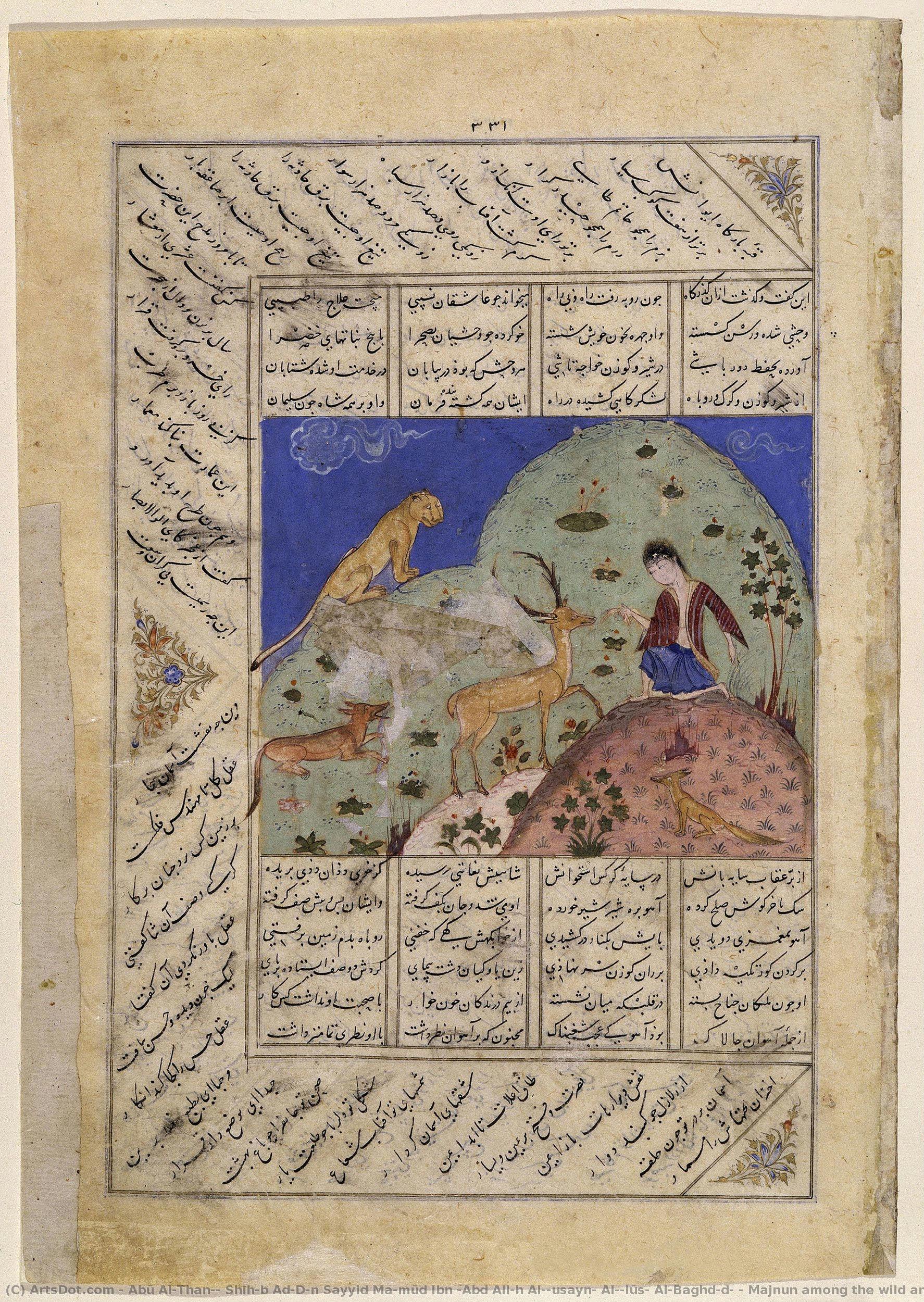
Majnun among the wild animals
 Manuscript
- Persian Miniature
 1420
1420- Late Medieval
 20.0 x 29.0 cm
 Pergamonmuseum
 Pročitaj više
Giclee štampa / Umetnički otisak
Giclée štampa ili print na platnu muzejskog kvaliteta uz brzu proizvodnju i fleksibilne opcije završne obrade. ( Kupi ručno naslikanu sliku Kupi digitalnu sliku)




P118B $10

P118H $10

P118W $10

P438Z $10

P508JH $12

P508YH $12

P805H $10

P805Z $10

P919BZ $10

P919G $10

P919XJ $10

P959ZH $10

P968JZ $12

W106C $8

W218G $10

W218JH $8

W218Y $10

W307PJ $10

W316G $10

W316PJ $8

W316Y $10

W398PJ $8

W4111J $10

W500HY $15

W500JH $15

W692G $12

W849H $8

W940BG $15

W953PJ $8




Izaberite jednu od naših unapred definisanih veličina koje odgovaraju originalnim proporcijama umetničkog dela.

Možete uneti sopstvene dimenzije kako biste umetničko delo prilagodili specifičnom okviru ili prostoru. Ako odabrani format ne odgovara proporcijama originalne slike, mi ćemo ili iscrtati deo dela ili proširiti sliku pomoću ogledane ivice ili jednobojnog popunjavanja. Digitalni prikaz će vam biti poslat na odobrenje pre početka proizvodnje.
Imajte na umu da pregled na ekranu ne odražava stvarno iscrtavanje ili proširivanje. Samo će prikaz (mockup) precizno pokazati finalnu kompoziciju.
Iako su prilagođene dimenzije dostupne, preporučujemo da odaberete dimenziju sa unapred definisane liste kako biste očuvali originalne proporcije.
Dostava širom sveta () za 2 nedelje umesto uobičajenih 4/5 nedelja. (1 септембар)

Besplatna ekspresna dostava širom sveta

Visokokvalitetno laneno platno

Kompletno osiguranje transporta

Garancija povraćaja carine i uvoznih dažbina

Garancija vernosti boja

Politika povrata u roku od 60 dana (samo u slučaju nedostataka)

Garancija povrata novca od 100%

Popust pri grupnoj kupovini
 Opcija sa staklom dostupna je samo za dimenzije manje od 110 cm

Majnun among the wild animals
Giclee štampa / Umetnički otisak
Dimenzije reprodukcije
-


Konačna cena
$ 62
Srodna umetnička dela
Biografija umetnika
The Luminary of Baghdad: Abū al-Thanā’ Shihāb ad-Dīn Sayyid Maḥmūd ibn ‘Abd Allāh al-Ḥusaynī al-Ālūsī
Abū al-Thanā’ Shihāb ad-Dīn Sayyid Maḥmūd ibn ‘Abd Allāh al-Ḥusaynī al-Ālūsī, often simply known as Al-Allusi, stands as a towering figure in 19th-century Islamic scholarship. Born in Baghdad on December 10, 1802, into a family of considerable religious standing, his life unfolded against the backdrop of a declining Ottoman Empire and burgeoning intellectual currents. Al-Allusi wasn’t merely an academic; he was a *mufti* – a legal expert empowered to deliver rulings on Islamic law – deeply involved in the socio-political fabric of his time. His lineage connected him to the esteemed ‘Alid family, descendants of Prophet Muhammad, lending further weight to his authority and influence within the Sunni Muslim community. He passed away on July 29th, 1854, leaving behind a legacy that continues to resonate through Islamic thought.A Life Dedicated to Interpretation: The Genesis of *Rūḥ al-Ma‘ānī*
Al-Allusi’s most enduring contribution is undoubtedly his monumental commentary on the Qur'an, titled *Rūḥ al-Ma‘ānī fī tafsīr al-Qur’ān al-‘aẓīm wa-al-sab‘ al-mathānī* – “The Spirit of the Meaning in Commentary upon the Mighty Qur’ān and the Seven Oft-Repeated Verses.” This work, spanning approximately thirty volumes, is a testament to his profound knowledge of Islamic theology, jurisprudence, Arabic language, literature, and history. It wasn't simply an exegesis; it was a comprehensive exploration of the Qur'anic text, drawing upon a vast array of sources and perspectives. Al-Allusi’s approach was characterized by its meticulous detail, intellectual honesty, and willingness to engage with diverse interpretations. He didn’t shy away from acknowledging differing viewpoints, often presenting them before offering his own reasoned analysis. The sheer scale of *Rūḥ al-Ma‘ānī* reflects a lifetime devoted to understanding the divine word, making it one of the largest and most respected tafsirs in existence.Intellectual Influences and Scholarly Positioning
Al-Allusi’s intellectual formation was deeply rooted in the traditions of Sunni Islam, particularly the Hanafi school of jurisprudence. However, he wasn't confined by rigid adherence to a single school of thought. He demonstrated a remarkable openness to other perspectives, including those from the Shafi'i school and even elements of Sufism. This eclecticism is evident in *Rūḥ al-Ma‘ānī*, where he frequently references scholars from various backgrounds. His connection to the Naqshbandi *tariqa* (Sufi order) further broadened his intellectual horizons, imbuing his work with a mystical sensibility and an appreciation for the inner dimensions of faith. He engaged with contemporary debates within Islamic scholarship, navigating complex theological issues with nuance and sophistication. He corresponded with figures like Sayyid Kāẓim Rashtī, a prominent Shaykhī leader, demonstrating his willingness to engage in dialogue even with those holding differing beliefs.Historical Significance and Enduring Legacy
Al-Allusi’s significance extends beyond the realm of purely theological scholarship. He lived during a period of significant upheaval, witnessing the decline of traditional power structures and the rise of new intellectual forces. His commentary on the Qur'an served not only as an interpretation of scripture but also as a reflection of the challenges facing the Muslim world at the time. His willingness to engage with diverse perspectives and his emphasis on reasoned analysis made him a respected figure among both scholars and laypeople. *Rūḥ al-Ma‘ānī* continues to be studied today, serving as a valuable resource for understanding the Qur'an and Islamic thought. His work has been reprinted numerous times, ensuring its accessibility to future generations of scholars. Furthermore, his engagement with contemporary issues, such as the Bābī movement, provides insights into the intellectual landscape of 19th-century Iraq.Beyond *Rūḥ al-Ma‘ānī*: A Broader Intellectual Contribution
While *Rūḥ al-Ma‘ānī* remains his most celebrated work, Al-Allusi’s contributions extended beyond Qur'anic exegesis. He was a prolific writer on various Islamic topics, including jurisprudence, theology, and Arabic grammar. His writings demonstrate a deep understanding of classical Islamic texts and a commitment to preserving the intellectual heritage of Islam. He also engaged in practical religious leadership as a *mufti*, providing guidance and rulings on matters of law for his community. He was known for his fairness, integrity, and dedication to upholding justice. The fact that he held the position of mufti while simultaneously producing such a monumental scholarly work speaks volumes about his intellectual capacity and unwavering commitment to both theory and practice. His legacy is one of profound scholarship, intellectual openness, and dedicated service to the Muslim community.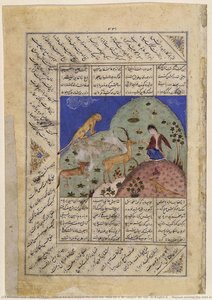
Osnovne informacije
- Artistic Movement Or Style: Islamic scholarship
- Date Of Birth: December 10, 1802
- Date Of Death: July 29, 1854
- Full Name: Abū Al-Thanā’ Shihāb Ad-Dīn Sayyid Maḥmūd Ibn ‘Abd Allāh Al-Ḥusaynī Al-Ālūsī Al-Baghdādī
- Nationality: Iraqi
- Notable Artworks: ["Ruh al-Ma'ani"]
- Place Of Birth: Baghdad, Iraq
Povezani članci
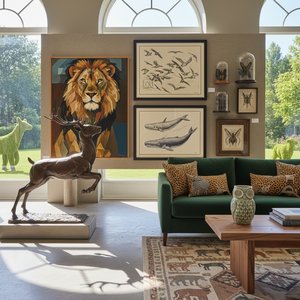
Životinjski svet u umetnosti: Simbolika, istorijski uticaj i savremene interpretacije
Istražite bogatu simboliku životinja u umetnosti kroz istoriju! Otkrijte primere dela slavnih umetnika i savremene interpretacije. Kvalitetne reprodukcije i konsultacije za vaš dom.
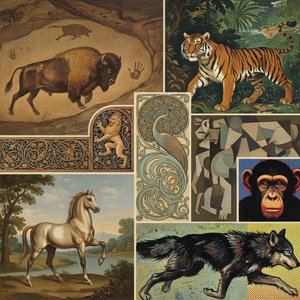
Beastly Brushstrokes: A Historical Journey Through Animal Painting & Aesthetic Movements
Explore the rich history of animal painting across cultures & movements. Discover iconic artists, symbolism, collecting trends & expert art consultation at ArtsDot.com.
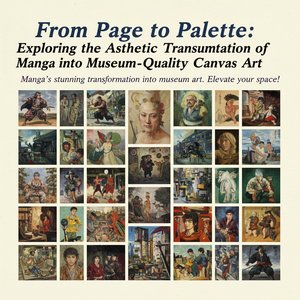
From Page to Palette: Exploring the Aesthetic Transmutation of Manga into Museum-Quality Canvas Art
Explore the stunning transformation of manga into museum-quality canvas art! Discover expert reproductions, custom portraits & the rich history behind this captivating art form. Elevate your space with authentic Japanese aesthetics.
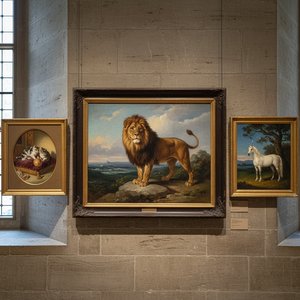
Jacques-Laurent Agasse: Pioneering Animalier Painting & Romantic Naturalism
Explore the captivating animal paintings of Jacques-Laurent Agasse (1767-1849). Discover his pioneering realism, Romantic influences & legacy in 19th-century art. Learn about this Swiss master's techniques and impact on wildlife art.
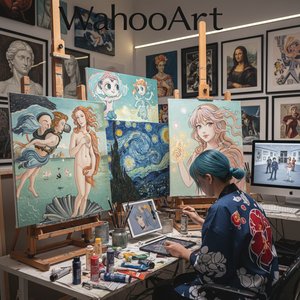
ArtsDot: Ekskluzivni anime reprodukcije i personalizovane umetničke kopije – kreirajte autentične likove u stilu majstora
Upoznajte ArtsDot – stručnjake za hand‑painted anime reprodukcije i personalizovane likove. Pružamo vrhunsku kvalitetu, pouzdanu uslugu i garanciju zadovoljstva, čineći vašu umetničku viziju stvarnošću.

