

 Pregledaj u prostoru
 Pošalji
 Podeli
 Detalji o delu

 Преузми
 Slični predmeti
 Rendgenski snimak
 Slajdovi
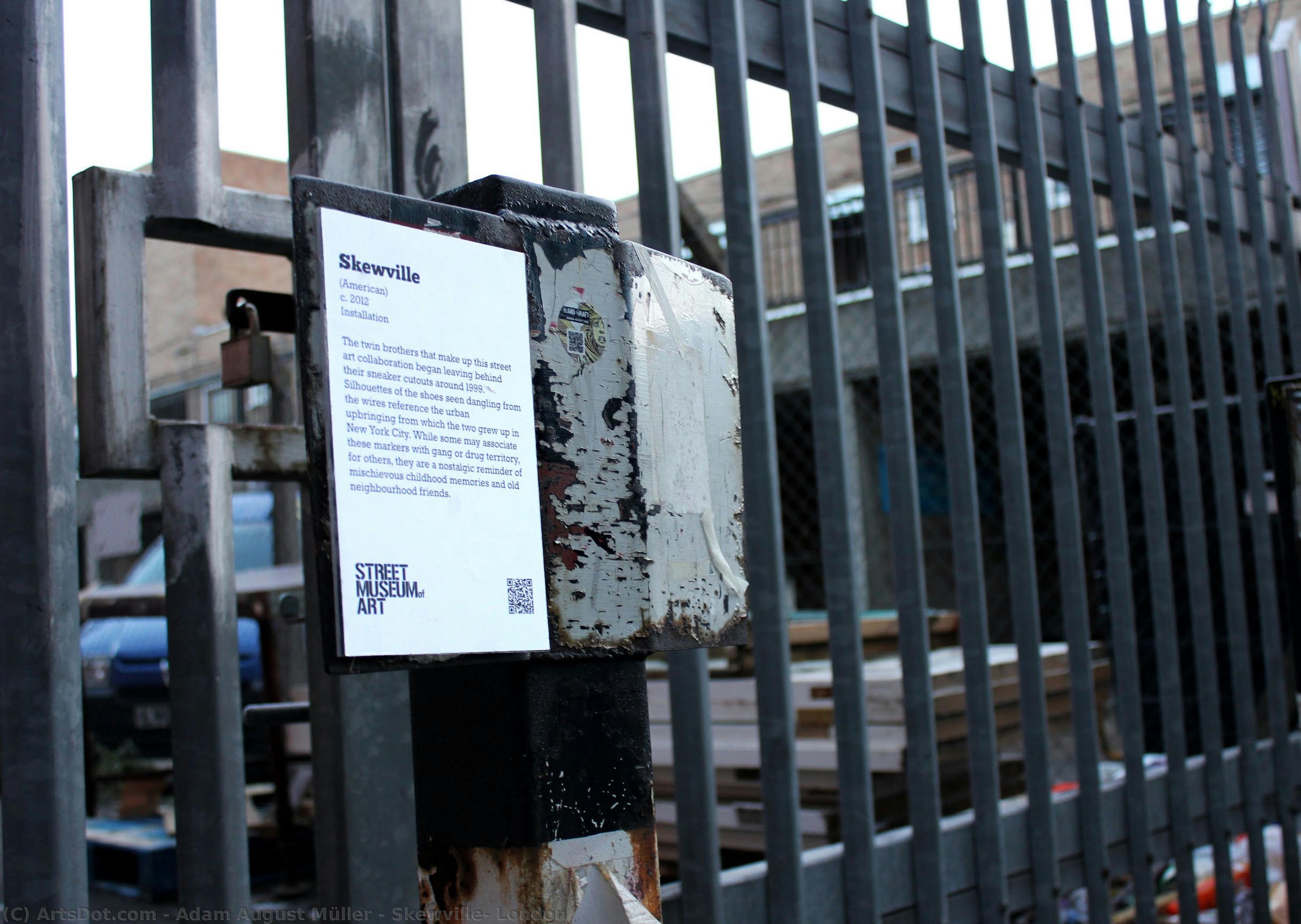
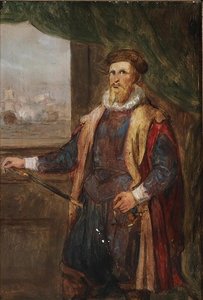
Skewville, London

 Pročitaj više
Ručno rađena uljana reprodukcija
Ručno oslikano uljanim bojama na platnu u dimenzijama i okviru po vašem izboru, izrađeno po porudžbini od strane naših umetnika. ( Kupi print Kupi digitalnu sliku)




































Izaberite jednu od naših unapred definisanih veličina koje odgovaraju originalnim proporcijama umetničkog dela.

Можете унети сопствене димензије како бисте прилагодили дело одређеном оквиру или простору. Ако одабрана величина не одговара пропорцијама оригинала, слика ће бити исечена или проширена додатним елементима који се ручно насликавају. Дигитални prikaz ће вам бити послат на одобрење пре почетка производње.
Имајте на уму да преглед на екрану не одражава стварно исецање или проширење. Само приказ (mockup) ће тачно приказати коначну композицију.
Иако су доступне прилагођене величине, препоручујемо да одаберете димензију из дефинисане листе како бисте сачували оригиналне пропорције.
Nakon narudžbine, tim ArtsDot.com će klijentu putem e-pošte poslati uputstva i dostaviti prikaz predloženog rešenja
Isporuka širom sveta () za 3/4 nedelje umesto uobičajenih 5 nedelja. (1 септембар). Bez kompromisa po pitanju kvaliteta.

Besplatna ekspresna dostava širom sveta

Visokokvalitetno laneno platno

Kompletno osiguranje transporta

Garancija povraćaja carine i uvoznih dažbina

Garancija vernosti boja

Politika povrata u roku od 60 dana (samo u slučaju nedostataka)

Garancija povrata novca od 100%

Popust pri grupnoj kupovini
 Opcija sa staklom dostupna je samo za dimenzije manje od 110 cm

Skewville, London
Tehnika reprodukcije
Dimenzije reprodukcije
-


Konačna cena
$ 263
Srodna umetnička dela







Biografija umetnika
A Visionary of the Danish Golden Age
The history of the Danish Golden Age is often told through the lens of serene landscapes and intimate genre scenes, yet within this era lived a spirit far more dramatic and profound. Adam August Müller (1811–1844) was an artist whose brief, thirty-two-year life burned with the intensity of a short-lived flame. Born in Copenhagen into a family of intellectual and ecclesiastical distinction—the son of the prominent Bishop Peter Erasmus Müller—Müller was destined for a life of deep contemplation. While his contemporaries often sought the quiet charm of the Danish countryside, Müller turned his gaze toward the monumental, aspiring to the lofty heights of history painting. His career, though tragically truncated by illness, remains a vital chapter in Scandinavian art, representing a bridge between Northern precision and the emotive grandeur of the Southern Renaissance.
Müller’s artistic journey began under the watchful eye of Christoffer Wilhelm Eckersberg, the "Father of Danish Painting." Entering the Royal Danish Academy of Fine Arts in 1825, Müller became one of Eckersberg’s most cherished pupils. From his mentor, he inherited a rigorous commitment to meticulous observation and a belief that art should serve as a vessel for moral truth. However, where Eckersberg often found beauty in the clarity of light and the simplicity of form, Müller sought to infuse his work with a more turbulent, Romantic energy. He joined the Model School in 1828, refining a technique that balanced the disciplined anatomical accuracy taught at the Academy with an emerging desire to capture the raw essence of human emotion and spiritual narrative.
The Italian Influence and the Pursuit of Grandeur
The trajectory of Müller’s development was irrevocly altered by his encounter with the traditions of the South. Though his path to Italy was fraught with the physical frailty that would eventually claim his life, his travels through Munich and eventually into the heart of Italy provided him with a new visual vocabulary. It was here that he moved away from the restrained aesthetics of the North and began to embrace the dramatic chiaroscuro reminiscent of Caravaggio. His studies of Florentine painting encouraged a profound shift in his approach to religious subjects, leading him to adopt an older, more classical Italian style characterized by weight, shadow, and theatricality.
This period of exploration culminated in some of his most significant achievements, marking him as a rising star of the Danish art scene. His talent was formally recognized through prestigious accolades, including:
- The Silver Medal (1833): Awarded by the Royal Danish Academy, signaling his mastery of form and composition.
- The Gold Medal (1836): A testament to his growing reputation as one of Denmark's most promising historical painters.
- The Thorvaldsen Medal: Earned for his masterpiece "Christ Blesses the Four Evangelists" (1843), a work that synthesized his academic training with his newfound passion for Italianate drama.
A Legacy Interrupted
Despite the brilliance of his ascent, Müller’s life was defined by a persistent struggle with ill health. His journey to Italy was marked by bouts of sickness, and upon his return to Copenhagen, his physical decline became irreversible. He died in 1844, leaving behind a collection of works that feel like fragments of a much larger, unfinished epic. Because he focused on history and religious themes—genres that were notoriously difficult to sustain within the smaller Danish market—much of his potential remained locked within unfinished commissions.
Yet, the historical significance of Adam August Müller transcends the tragedy of his early death. He challenged the boundaries of the Danish Golden Age, proving that the movement could encompass not just the observation of the everyday, but the exploration of the eternal. Through his use of light and shadow, and his dedication to the monumental, he brought a sense of cosmic scale to Danish painting. Today, his work stands as a poignant reminder of a visionary who sought to elevate the human spirit through the grandest possible canvas, leaving an indelible mark on the soul of Scandinavian art history.
adam august müller
1811 - 1844 , Denmark
Osnovne informacije
- Artistic Movement Or Style: Historical Painting
- Artists Or Movements Influenced By This Artist: August Bournonville
- Artists Who Influenced This Artist: Christoffer Wilhelm Eckersberg
- Date Of Birth: August 16, 1811
- Date Of Death: March 15, 1844
- Full Name: Adam August Müller
- Nationality: Danish
- Notable Artworks:
- The Hall of Antiquities at Charlottenborg Palace
- Skewville
- Place Of Birth: Copenhagen, Denmark

