

 Pregledaj u prostoru
 Pošalji
 Podeli
 Detalji o delu

 Преузми
 Slični predmeti
 Rendgenski snimak
 Slajdovi
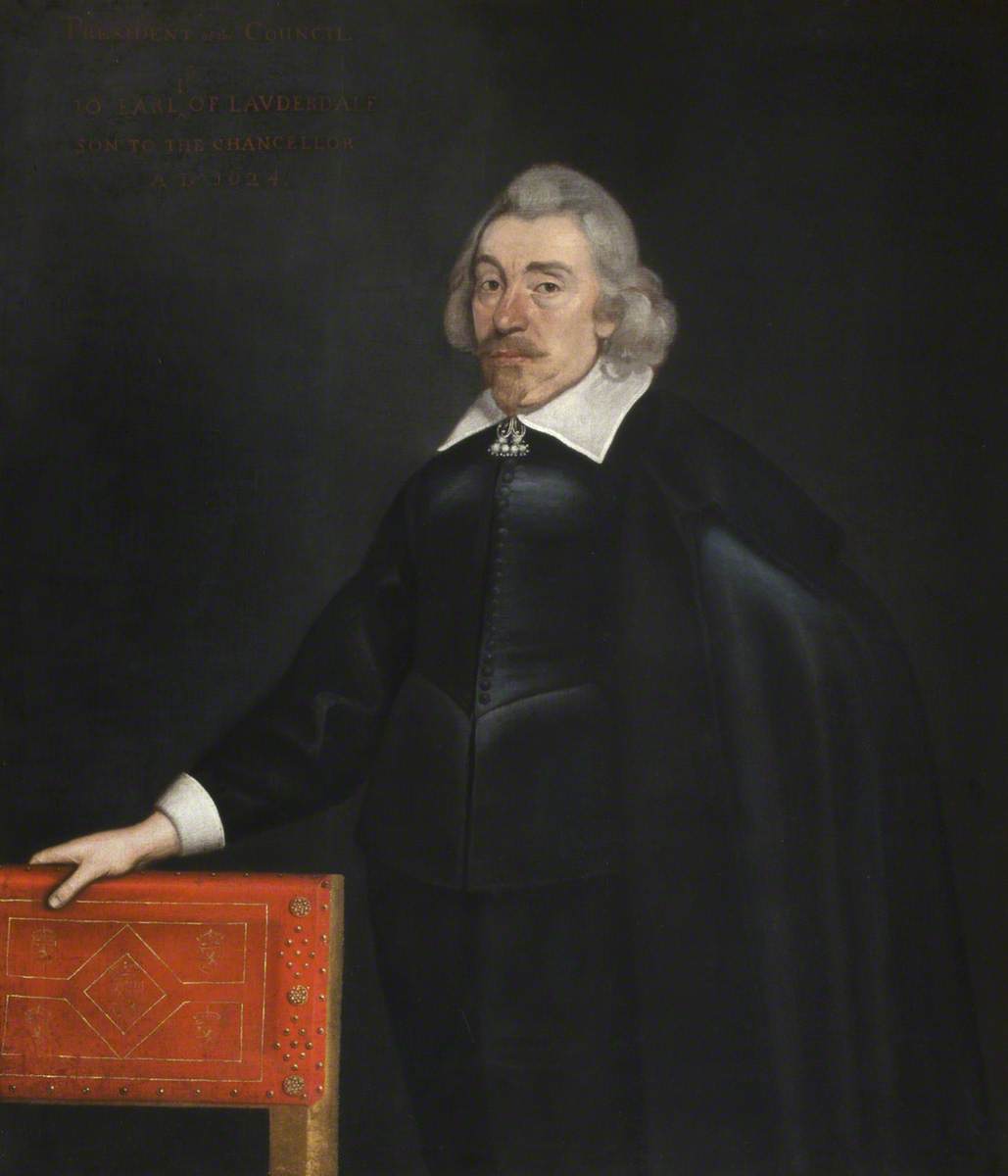
John Maitland (d.1645), 1st Earl of Lauderdale
 122.0 x 106.0 cm
 Pročitaj više
Giclee štampa / Umetnički otisak
Giclée štampa ili print na platnu muzejskog kvaliteta uz brzu proizvodnju i fleksibilne opcije završne obrade. ( Kupi ručno naslikanu sliku Kupi digitalnu sliku)




































Izaberite jednu od naših unapred definisanih veličina koje odgovaraju originalnim proporcijama umetničkog dela.

Možete uneti sopstvene dimenzije kako biste umetničko delo prilagodili specifičnom okviru ili prostoru. Ako odabrani format ne odgovara proporcijama originalne slike, mi ćemo ili iscrtati deo dela ili proširiti sliku pomoću ogledane ivice ili jednobojnog popunjavanja. Digitalni prikaz će vam biti poslat na odobrenje pre početka proizvodnje.
Imajte na umu da pregled na ekranu ne odražava stvarno iscrtavanje ili proširivanje. Samo će prikaz (mockup) precizno pokazati finalnu kompoziciju.
Iako su prilagođene dimenzije dostupne, preporučujemo da odaberete dimenziju sa unapred definisane liste kako biste očuvali originalne proporcije.
Dostava širom sveta () za 2 nedelje umesto uobičajenih 4/5 nedelja. (28 август)

Besplatna ekspresna dostava širom sveta

Visokokvalitetno laneno platno

Kompletno osiguranje transporta

Garancija povraćaja carine i uvoznih dažbina

Garancija vernosti boja

Politika povrata u roku od 60 dana (samo u slučaju nedostataka)

Garancija povrata novca od 100%

Popust pri grupnoj kupovini
 Opcija sa staklom dostupna je samo za dimenzije manje od 110 cm

John Maitland (d.1645), 1st Earl of Lauderdale
Giclee štampa / Umetnički otisak
Dimenzije reprodukcije
-


Konačna cena
$ 62
Srodna umetnička dela









Biografija umetnika
Adam de Colone: Bridging Netherlandish Tradition and Scottish Portraiture
Adam de Colone (c.1572–1651) stands as a pivotal figure in the artistic landscape of 17th-century Scotland, representing a fascinating confluence of influences—primarily rooted in the vibrant traditions of the Low Countries yet skillfully adapted to capture the spirit of his adopted homeland. While biographical details remain somewhat elusive due to gaps in historical records, recent scholarship spearheaded by the Netherlands Institute for Art History has illuminated crucial aspects of his life and career, revealing him as the brother of Susanna de Colonia—a connection that underscores a familial legacy intertwined with entrepreneurial endeavors within Antwerp’s saddle-making trade. Born into a family steeped in mercantile activity, Adam’s formative years were spent amidst the bustling commercial hub of Antwerp, where he honed his artistic skills under the tutelage of Louis Jansz Colonia, his father. This early exposure to the artistic currents circulating throughout Europe undoubtedly shaped his aesthetic sensibilities. By 1598, he formally joined the guild in Dordrecht, demonstrating a commitment to professional development and establishing himself as an active painter within the burgeoning Dutch Republic. Notably, Adam’s brother-in-law was Adrian Vanson—a celebrated court painter serving James VI of Scotland—a relationship that fostered artistic exchange and contributed to the dissemination of Netherlandish stylistic principles across the British Isles. De Colone's artistic output is characterized by a distinctive approach: he employed meticulously crafted inscriptions featuring uniquely shaped letters and numerals – a practice that continues to intrigue art historians today. These markings serve as tangible evidence of his involvement in commissions and provide valuable insights into the patronage system prevalent during his time. His early works showcased an undeniable influence from the Flemish masters, particularly Hugo van der Goes’s monumental Trinity Altarpiece, which arrived in Scotland in 1625, sparking considerable artistic debate and inspiring a new generation of Scottish painters. The altarpiece's dramatic lighting and expressive figures established a benchmark for visual storytelling that would resonate throughout the century. His career culminated in London during the reign of James I, where he secured lucrative commissions from royalty—a testament to his reputation as a skilled portraitist. Among his most enduring achievements are two full-length portraits of James VI, executed in 1623, capturing the king’s regal bearing and conveying an aura of authority. Furthermore, De Colone's prolific output extended beyond royal patronage; he documented the Scottish nobility with remarkable accuracy and sensitivity, preserving a visual record of Scotland’s cultural elite during a period of significant political upheaval. The portrait of Sir William Stewart of Grandtully (1567–1646), completed in 1613, exemplifies his masterful technique—a testament to his ability to convey psychological depth alongside formal elegance. Adam de Colone's legacy extends beyond individual portraits; he fostered a creative lineage through his son Isaac Colonia (1611–1663) and grandson Adam Colonia (1634–1685), ensuring that the traditions of Netherlandish painting continued to flourish in Scotland for decades after his death. His contribution to Scottish art history is undeniable, marking him as a crucial link between European artistic innovation and the evolving visual culture of Scotland during its golden age.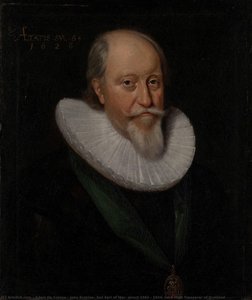
adam de colone
1572 - 1651
Osnovne informacije
- Artistic Movement Or Style: Dutch Renaissance
- Artists Or Movements Influenced By This Artist: ['Baroque']
- Artists Who Influenced This Artist:
- Hugo van der Goes
- Adrian Vanson
- Date Of Birth: 1572
- Date Of Death: 1651
- Full Name: Adam de Colone
- Nationality: Scottish
- Notable Artworks:
- James VI Portraits
- Scottish Nobility
- Place Of Birth: Antwerp

