

 Pregledaj u prostoru
 Pošalji
 Podeli
 Detalji o delu

 Преузми
 Slični predmeti
 Rendgenski snimak
 Slajdovi
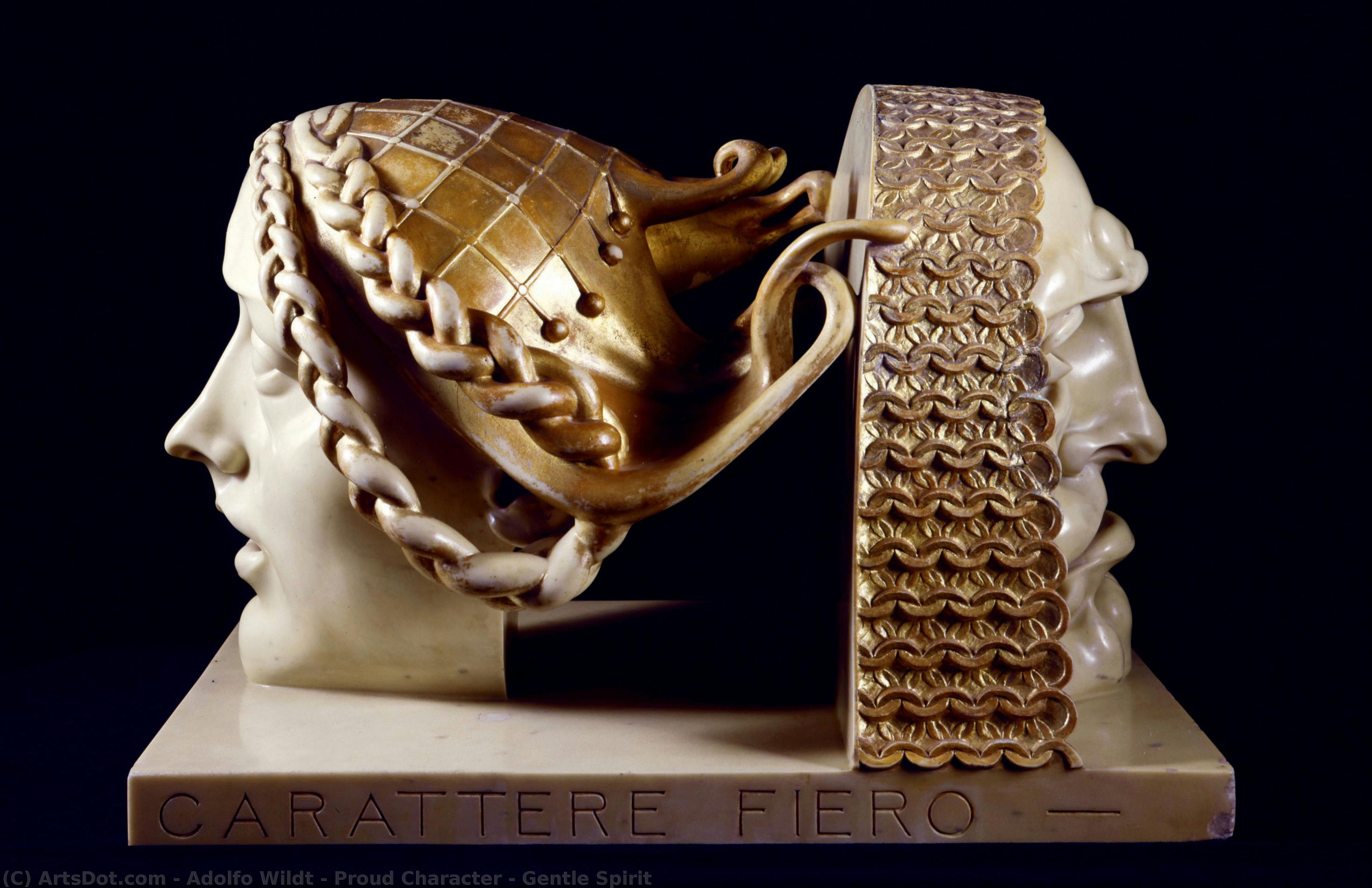
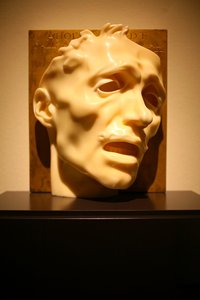
Proud Character - Gentle Spirit

 Pročitaj više
Kupite digitalnu sliku visoke rezolucije i poboljšanog kvaliteta, koja je znatno superiornija od onoga što vidite u online prikazu.
Svaka datoteka je pedantno pripremljena od strane naših stručnjaka koristeći napredne alate i profesionalnu ručnu retušu. Osiguravamo da svaka slika ima izuzetnu oštrinu, preciznu reprodukciju boja i fine detalje.
Konačna datoteka se dostavlja putem e-pošte u roku od 72 sata, optimizovana za neposrednu upotrebu u profesionalnim, izdavačkim i štamparskim okruženjima. To je isti kvalitet kojem veruju vrhunski studiji dizajna, izdavači i galerije.
Digitalna slika
Preuzmite datoteku visoke rezolucije za ličnu upotrebu, štampanje i kreativne projekte. ( Kupi print Kupi ručno naslikanu sliku)
Uključeno uz svaku porudžbinu digitalne slike
Profesionalna digitalna isporuka, zagarantovana
Kada odaberete ArtsDot.com, ne dobijate samo sliku – vi primate profesionalno unapređeno digitalno umetničko delo, izrađeno sa najvećom preciznošću i uz garanciju zadovoljstva. Evo svega što automatski dolazi uz vašu porudžbinu:

Brza dostava putem e-pošte
Vaša digitalna slika visoke rezolucije biće vam poslata putem e-pošte u roku od 72 sata od poručivanja – spremna za trenutnu upotrebu.

Digitalna datoteka unapređena veštačkom inteligencijom
Vaše umetničko delo je profesionalno optimizovano korišćenjem naprednih AI alata i ručne obrade, čime se osiguravaju maksimalni detalji, oštrina i preciznost boja.

Besplatna ponovna isporuka doživotno
Slučajno ste obrisali ili izgubili svoju datoteku? Ne brinite – poslaćemo vam je ponovo u bilo kom trenutku, potpuno besplatno.

Bez troškova uvoza – zauvek
Uživajte u svojim umetničkim delima trenutno, bez carine, dažbina ili troškova dostave – digitalni download je uvek bez poreza.

Garancija vernosti boja
Uz pomoć profesionalnih alata i upravljanja bojama, osiguravamo da vaša digitalna slika što vernije odražava originalne boje.

Garancija zadovoljstva u roku od 60 dana
Ako niste zadovoljni svojom digitalnom slikom, revidirat ćemo je ili vratiti 100% novca u roku od 60 dana – bez ikakvih pitanja.

100% garancija povrata novca
Niste zadovoljni? Obezbedite pun povrat novca u roku od 60 dana od trenutka kada ste primili svoju digitalnu datoteku – bez suvišnih pitanja.

Popusti na velike porudžbine
Kupite 3 slike, uštedite 10% - Kupite 5 slika, uštedite 15% - Kupite 10+ slika, uštedite 20%. Odlično za kreativne projekte, galerije i agencije.
Srodna umetnička dela






Biografija umetnika
A Milanese Bridging Worlds: The Life and Art of Adolfo Wildt
Adolfo Wildt, born in Milan on March 1st, 1868, to a Swiss family who had embraced Lombardy as their new home, emerged as a pivotal figure in Italian sculpture during a period of profound artistic transition. His journey was one marked by early hardship and relentless dedication, beginning not within the hallowed halls of an academy but amidst the practical demands of labor. Leaving school at the tender age of nine, Wildt’s initial forays into the working world saw him apprenticed first as a hairdresser, then as a goldsmith – experiences that instilled in him a meticulous attention to detail and a nascent understanding of form. However, it was his apprenticeship at eleven with Giuseppe Grandi, a prominent sculptor associated with the Scapigliatura movement, that truly ignited his artistic calling. Under Grandi’s tutelage, Wildt began to master the demanding art of sculpting marble, laying the foundation for a career defined by technical brilliance and emotional depth. By eighteen, his talent was already garnering recognition within Milanese artistic circles, foreshadowing the significant contributions he would make to the world of sculpture. He continued his education at the Brera Academy of Fine Arts, solidifying his theoretical knowledge alongside his burgeoning practical skills.Patronage, Innovation, and a Translucent Style
The year 1893 marked a turning point in Wildt’s career with the exhibition of his first major work – a portrait of his wife. Its immediate acquisition by the Galleria Nazionale d'Arte Moderna in Rome was not merely a sale; it was an affirmation of his artistic promise and a signal to the wider art world. However, perhaps the most defining moment came in 1894 when he forged an extraordinary agreement with Franz Rose, a Prussian collector with discerning taste and considerable financial resources. For eighteen years, Rose provided Wildt with both economic security and first refusal on all his sculptures, effectively liberating him from commercial pressures and allowing him to dedicate himself entirely to his creative vision. This patronage facilitated Wildt’s participation in numerous exhibitions across Europe – Milan, Munich, Zurich, Berlin, and Dresden – introducing his work to an international audience. His style began to coalesce, blending the lingering romanticism of the 19th century with the emerging currents of Secessionism and Art Nouveau. He became renowned for a complex symbolism woven into gothic forms, imbued with a dramatic intensity that captivated viewers. Sculptors like Adolf von Hildebrand and Auguste Rodin themselves recognized Wildt’s innovative approach to marble, praising his ability to achieve an almost ethereal transparency within the stone – a quality that set him apart from his contemporaries.Themes of Faith, Sorrow, and the Human Condition
Wildt's sculptures are not merely representations of form; they are explorations of profound themes—religion, faith, spirituality, and the complexities of the human soul. His most celebrated works, such as *Fulcieri Paulucci de’ Calboli* (1919), *Saint Lucia* (1926), *St. Francis of Assisi* (1926), and perhaps most hauntingly, *Mask of Sorrow* (1908-1909) – all housed in the Civic Museums of Forlì – are imbued with a sense of introspection and longing. These pieces often depict religious figures or allegorical representations that invite contemplation on mortality, suffering, and redemption. The influence of his personal struggles, including periods of intense depression, is palpable in the expressive quality of his work, foreshadowing the rise of Expressionism in sculpture. Beyond individual commissions, Wildt also made significant contributions to the artistic landscape of the Cimitero Monumentale di Milano, creating tombs and monuments that stand as testaments to both his skill and his sensitivity. His sculpture ‘Faith’ exemplifies this classical style combined with dramatic lighting, a powerful statement within Italian art history. The recurring motif of veiled faces or obscured features in his work adds another layer of mystery and invites viewers to project their own emotions onto the sculpted forms.Legacy and Influence: A Teacher and a Modernist
The death of Franz Rose in 1912 brought an abrupt end to Wildt’s period of financial security, forcing him to navigate the art market independently. Despite this challenge, he continued to receive recognition, including the prestigious Premio Principe Umberto in 1913 for his fountain design exhibited at The Trilogy of Secession in Monaco. Recognizing the importance of passing on his knowledge and expertise, Wildt founded his own Marble School in Milan in 1921, emphasizing traditional techniques honed over years of practice. This school was later integrated into the Brera Academy in 1927 as a three-year course, ensuring that his legacy would endure through generations of aspiring sculptors. Among his most notable students were luminaries such as Lucio Fontana, Fausto Melotti, and Luigi Broggini – artists who would themselves become leading figures in Italian modernism. Adolfo Wildt passed away in Milan on March 12th, 1931, leaving behind a body of work that continues to inspire and challenge viewers today. He is remembered as a crucial link between Romanticism and Modernism in Italian sculpture, an innovator who pushed the boundaries of his medium and paved the way for future artists with his expressive style and technical mastery. His sculptures remain powerful reminders of the enduring human search for meaning, beauty, and spiritual connection.A Lasting Impact
- Bridging Eras: Wildt’s work represents a fascinating intersection of artistic movements, seamlessly blending Romantic sensibilities with the emerging aesthetics of Modernism.
- Technical Innovation: His mastery of marble sculpting and his ability to create an almost translucent quality in the stone were highly admired by his contemporaries.
- Thematic Depth: The exploration of themes such as faith, sorrow, and the human condition gives his sculptures a timeless resonance.
- Influence on Future Generations: As a teacher and mentor to prominent artists like Lucio Fontana, Wildt played a vital role in shaping the course of Italian sculpture.
- A Legacy of Expression: His work continues to inspire sculptors today, solidifying his place as a significant figure in art history.
Adolfo Wildt
1868 - 1931

