

 Pregledaj u prostoru
 Pošalji
 Podeli
 Detalji o delu

 Преузми
 Slični predmeti
 Rendgenski snimak
 Slajdovi
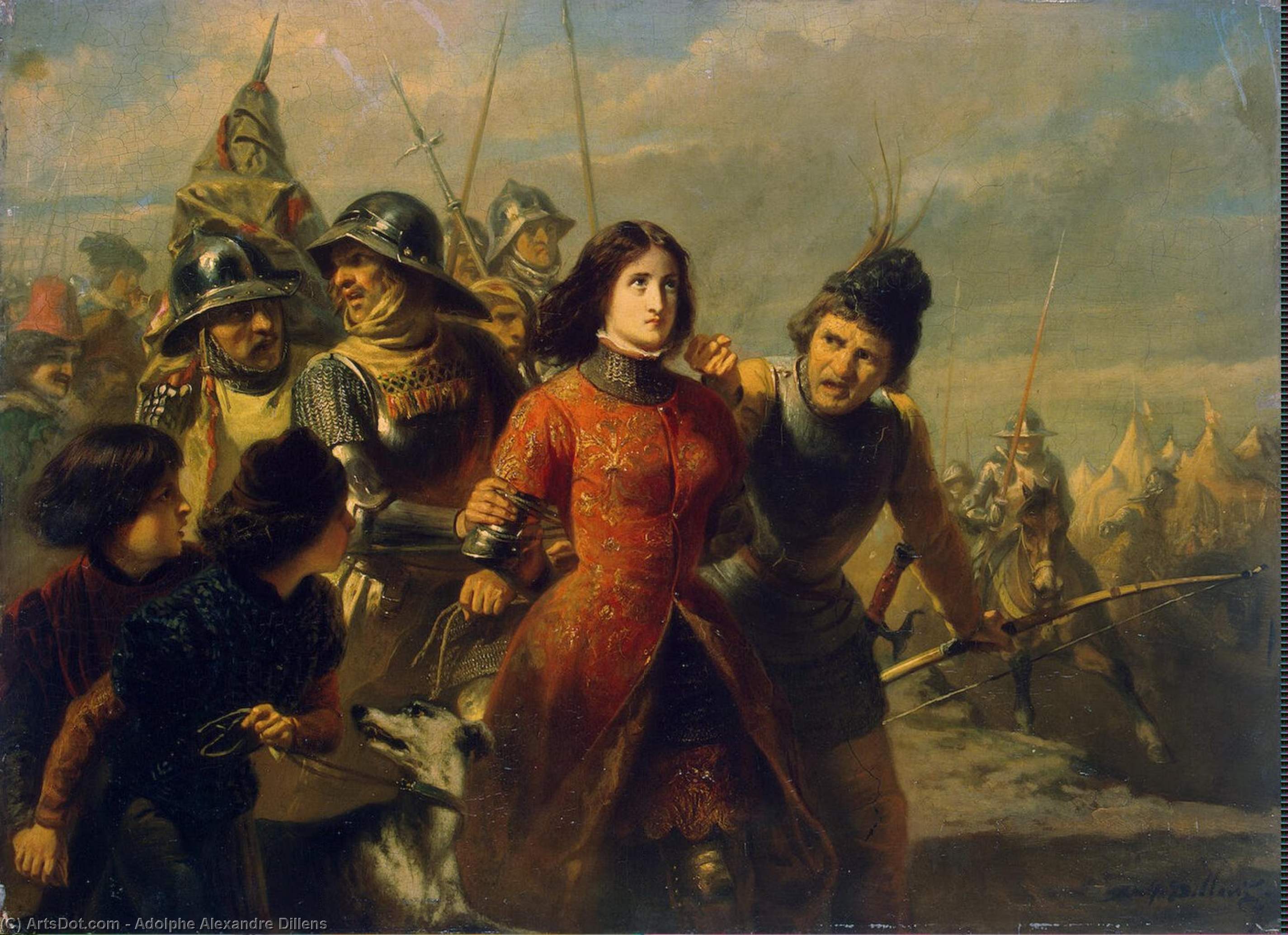
Capture of Joan of Arc
 Oil On Canvas
- WallArt
- Academic Art
 1847
1847- 19th Century
 53.0 x 72.0 cm
 Hermitage Museum
 Pročitaj više
Kupite digitalnu sliku visoke rezolucije i poboljšanog kvaliteta, koja je znatno superiornija od onoga što vidite u online prikazu.
Svaka datoteka je pedantno pripremljena od strane naših stručnjaka koristeći napredne alate i profesionalnu ručnu retušu. Osiguravamo da svaka slika ima izuzetnu oštrinu, preciznu reprodukciju boja i fine detalje.
Konačna datoteka se dostavlja putem e-pošte u roku od 72 sata, optimizovana za neposrednu upotrebu u profesionalnim, izdavačkim i štamparskim okruženjima. To je isti kvalitet kojem veruju vrhunski studiji dizajna, izdavači i galerije.
Digitalna slika
Preuzmite datoteku visoke rezolucije za ličnu upotrebu, štampanje i kreativne projekte. ( Kupi print Kupi ručno naslikanu sliku)
Uključeno uz svaku porudžbinu digitalne slike
Profesionalna digitalna isporuka, zagarantovana
Kada odaberete ArtsDot.com, ne dobijate samo sliku – vi primate profesionalno unapređeno digitalno umetničko delo, izrađeno sa najvećom preciznošću i uz garanciju zadovoljstva. Evo svega što automatski dolazi uz vašu porudžbinu:

Brza dostava putem e-pošte
Vaša digitalna slika visoke rezolucije biće vam poslata putem e-pošte u roku od 72 sata od poručivanja – spremna za trenutnu upotrebu.

Digitalna datoteka unapređena veštačkom inteligencijom
Vaše umetničko delo je profesionalno optimizovano korišćenjem naprednih AI alata i ručne obrade, čime se osiguravaju maksimalni detalji, oštrina i preciznost boja.

Besplatna ponovna isporuka doživotno
Slučajno ste obrisali ili izgubili svoju datoteku? Ne brinite – poslaćemo vam je ponovo u bilo kom trenutku, potpuno besplatno.

Bez troškova uvoza – zauvek
Uživajte u svojim umetničkim delima trenutno, bez carine, dažbina ili troškova dostave – digitalni download je uvek bez poreza.

Garancija vernosti boja
Uz pomoć profesionalnih alata i upravljanja bojama, osiguravamo da vaša digitalna slika što vernije odražava originalne boje.

Garancija zadovoljstva u roku od 60 dana
Ako niste zadovoljni svojom digitalnom slikom, revidirat ćemo je ili vratiti 100% novca u roku od 60 dana – bez ikakvih pitanja.

100% garancija povrata novca
Niste zadovoljni? Obezbedite pun povrat novca u roku od 60 dana od trenutka kada ste primili svoju digitalnu datoteku – bez suvišnih pitanja.

Popusti na velike porudžbine
Kupite 3 slike, uštedite 10% - Kupite 5 slika, uštedite 15% - Kupite 10+ slika, uštedite 20%. Odlično za kreativne projekte, galerije i agencije.
Opis kolekcionarskog dela
The Drama of Defeat: An Encounter with Joan of Arc
Adolphe Alexandre Dillens’s depiction of the Capture of Joan of Arc is not merely a historical record; it is a visceral tableau vivant, frozen at the apex of dramatic confrontation. The canvas pulses with the raw energy of conflict and the profound weight of destiny. At its heart stands the figure of Joan, clad in striking red, embodying both divine fervor and sudden vulnerability. She is surrounded, held by the sheer force of numbers—the English army closing in—creating an immediate sense of claustrophobic tension that pulls the viewer directly into the fray. Dillens masterfully captures the moment where heroism collides violently with overwhelming military might.
Technique and Compositional Power
Dillens, known for his precise draughtsmanship, employs a rich palette to heighten the emotional stakes of this scene. The composition is inherently dramatic, utilizing diagonals formed by the bodies of the soldiers and the implied lines of conflict to guide the eye across the narrative action. Observe the interplay between light and shadow; the illumination seems theatrical, spotlighting Joan while allowing the surrounding chaos—the drawn swords, the grim faces of the onlookers—to recede into deeper tones of struggle. His technique allows for both meticulous detail in the uniforms and weaponry, grounding the piece in historical reality, while simultaneously elevating it to the realm of high melodrama.
Historical Echoes and Symbolism
To stand before this painting is to confront a pivotal moment in French history. The capture itself was an event steeped in myth and political maneuvering. Artistically, however, Dillens transcends mere reportage. Joan symbolizes unwavering faith, the voice of conviction against entrenched power structures. Her subjugation here becomes a potent symbol for any struggle against overwhelming odds—a universal resonance that speaks to modern viewers as much as it did to his contemporaries. The contrast between her vibrant red attire and the muted, martial tones of her captors creates an immediate visual argument: the enduring spirit versus brute force.
An Emotional Resonance for the Modern Collector
For the collector or designer seeking a piece with narrative depth, this work offers unparalleled emotional resonance. It is art that demands contemplation, prompting dialogues about martyrdom, conviction, and the cost of belief. Reproducing such a powerful scene allows one to infuse a space—be it a grand hall or a richly decorated study—with intellectual gravity and dramatic flair. The Capture of Joan of Arc does not simply decorate; it narrates, inviting viewers to feel the tension in the air and ponder the enduring power found even in moments of apparent defeat.
Srodna umetnička dela
Biografija umetnika
Adolf Alexander Dillens (1821 - 1877)
Belgian painter and etcher, part of a family of artists. Adolf Dillens was born at Ghent in 1821, and received his formal training from his elder brother Hendrik Joseph Dillens (1812 - 1872) and studied at the academy in Ghent. Like his brother, Adolph specialized in genre scenes and portrait painting; however he was also an accomplished engraver and drawer. He spent a majority of his career working in Zeeland where he became known for his scenes of that region's daily life. At the end of his life Dillens turned to painting historical and military scenes from Flemish life, such as Enlistment in the Austrian Netherlands (Brussels, Musées Royaux des Beaux-Arts). He was a prolific and successful artist, who worked with facility and did not hesitate to repeat himself in order to satisfy collectors. Although his pictures lack originality, they are notable for their precise draughtsmanship, clear composition and rich colouring.- Early Life & Training: Dillens’s artistic inclination began early, nurtured by the influence of his brother, Hendrik Joseph Dillens, who was himself a respected painter. His formative years were spent honing his skills at Ghent Academy, absorbing classical techniques and establishing a foundation for his future endeavors.
- Zealand Landscapes & Genre Paintings: Dillens gained considerable renown for his depictions of Zeeland peasant life—a genre he pursued with unwavering dedication. These canvases capture the essence of rural existence, characterized by meticulous observation and expressive brushwork. Notable works include “Taking Toll at the Bridge” (of this picture he painted three versions) and “A Fair at Westcapelle,” which showcased at the Paris International Exhibition in 1855.
- Portraiture & Engraving: Dillens excelled as a portrait artist, producing evocative likenesses that conveyed both physical appearance and psychological nuance. His engravings complemented his paintings, demonstrating mastery of printmaking techniques and furthering his artistic vision. Among his portraits are “The Gossip at the Window” and “Asking in Marriage.”
- Historical Commissions & Exhibitions: Dillens accepted commissions to depict significant historical events—particularly military engagements—often portraying Flemish soldiers with dignity and realism. His paintings were prominently displayed at the London International Exhibition of 1862, cementing his reputation as a respected artist within Europe’s artistic circles.
- Legacy & Museums Collections: Dillens's oeuvre is housed in museums across Belgium, including Brussels Museum and Ixelles Museum, where visitors can admire his masterful landscapes and portraits—testaments to his enduring contribution to Belgian art history.
- “The Gossip at the Window”
- “Taking Toll at the Bridge” (of this picture he painted three versions)
- “Asking in Marriage”
- “A Fair at Westcapelle”
- “A Ball at Goes”
- “The Juggler”
- “Skaters”
- Bryan, Michael (1886). “Dillens, Adolf”. In Graves, Robert Edmund (ed.). Bryan's Dictionary of Painters and Engravers (A–K). Vol. I (3rd ed.). London: George Bell & Sons.
Influences
Dillens’s artistic style was profoundly shaped by the Romantic movement, particularly German Romanticism. Artists like Caspar David Friedrich and Eugène Delacroix served as inspiration for Dillens's exploration of dramatic landscapes and emotive narratives. He also absorbed elements from Neoclassical painting, evident in his meticulous attention to detail and idealized representations of human form—a stylistic duality that distinguishes his oeuvre.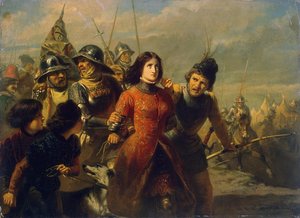
adolphe alexandre dillens
1821 - 1877 , Belgium
Kratke činjenice
- Artistic Movement Or Style: German Romanticism
- Artists Who Influenced This Artist: ['Hendrik Dillens']
- Date Of Birth: 1821 Ghent
- Date Of Death: 1877 Brussels
- Full Name: Adolf Alexander Dillens
- Nationality: Belgian
- Notable Artworks:
- Capture of Joan of Arc
- The Gossip at the Window
- Place Of Birth: Belgium

