

![St. Hedwig Church In Chicago, Inside [polish Parishes And Churches In Chicago] — Adolphus Druiding](/media/artworks/images-full/c0/6c/c06c8fdfde2b0aa970c2cc1e2861fc3e.jpg)
 Pošalji
 Podeli
 Detalji o delu

 Преузми
 Slični predmeti
 Slajdovi
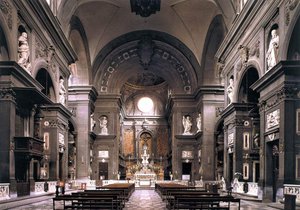
St. Hedwig Church in Chicago, inside [Polish parishes and churches in Chicago]
 Black and White Photography
- Photo
 1901
1901- 19th Century
 POLONIKA The National Institute of Polish Cultural Heritage Abroad
 Pročitaj više
Ručno rađena uljana reprodukcija
Ručno oslikano uljanim bojama na platnu u dimenzijama i okviru po vašem izboru, izrađeno po porudžbini od strane naših umetnika. ( Kupi print Kupi digitalnu sliku)




































Izaberite jednu od naših unapred definisanih veličina koje odgovaraju originalnim proporcijama umetničkog dela.

Можете унети сопствене димензије како бисте прилагодили дело одређеном оквиру или простору. Ако одабрана величина не одговара пропорцијама оригинала, слика ће бити исечена или проширена додатним елементима који се ручно насликавају. Дигитални prikaz ће вам бити послат на одобрење пре почетка производње.
Имајте на уму да преглед на екрану не одражава стварно исецање или проширење. Само приказ (mockup) ће тачно приказати коначну композицију.
Иако су доступне прилагођене величине, препоручујемо да одаберете димензију из дефинисане листе како бисте сачували оригиналне пропорције.
Nakon narudžbine, tim ArtsDot.com će klijentu putem e-pošte poslati uputstva i dostaviti prikaz predloženog rešenja
Isporuka širom sveta () za 3/4 nedelje umesto uobičajenih 5 nedelja. (29 август). Bez kompromisa po pitanju kvaliteta.

Besplatna ekspresna dostava širom sveta

Visokokvalitetno laneno platno

Kompletno osiguranje transporta

Garancija povraćaja carine i uvoznih dažbina

Garancija vernosti boja

Politika povrata u roku od 60 dana (samo u slučaju nedostataka)

Garancija povrata novca od 100%

Popust pri grupnoj kupovini
 Opcija sa staklom dostupna je samo za dimenzije manje od 110 cm

St. Hedwig Church in Chicago, inside [Polish parishes and churches in Chicago]
Tehnika reprodukcije
Dimenzije reprodukcije
-


Konačna cena
$ 263
Srodna umetnička dela

Biografija umetnika
Paul Cézanne: The Architect of Modern Vision
Paul Cézanne, a name synonymous with the transition from Impressionism to modern art, remains one of the most profoundly influential figures in the history of painting. Born in Aix-en-Provence in 1839, his life was marked by a quiet dedication to observation and a relentless pursuit of capturing the essence of form and space. He wasn’t a flamboyant revolutionary like some of his contemporaries; rather, Cézanne meticulously dismantled and rebuilt artistic conventions, laying the groundwork for Cubism, Fauvism, and countless subsequent movements. His legacy isn't found in dramatic gestures or bold pronouncements, but in the subtle yet seismic shifts he enacted within the very fabric of painting itself.Early Influences and Artistic Beginnings
Cézanne’s early artistic education was a blend of traditional instruction and independent exploration. He initially studied at the École des Beaux-Arts in Paris, where he received training in academic techniques – drawing, sculpture, and history painting. However, he quickly grew disillusioned with the rigid rules and idealized subjects demanded by the academy. His early works, particularly portraits of his uncle Dominique Aubert, reveal a fascination with costume and theatricality, echoing the influence of Édouard Manet’s Spanish scenes. These pieces demonstrate a darker palette and expressive brushwork, reminiscent of Eugène Delacroix – a key figure in Cézanne's formative years. Crucially, these early studies weren’t simply imitations; they were experiments, testing the boundaries of representation and hinting at the radical changes to come. He was searching for a way to depict reality that went beyond mere visual perception.The Pursuit of Structure: A New Approach to Painting
Cézanne's artistic journey took a decisive turn in the mid-1870s, driven by a desire to understand and represent the underlying structure of objects and landscapes. He began to systematically analyze nature – breaking down forms into their fundamental geometric components: cylinders, spheres, and cones. This analytical approach wasn’t about creating mechanical copies; it was about distilling the essence of an object, its three-dimensional form, and translating that understanding onto a two-dimensional surface. He famously stated, “I would like to make painting art for arts' sake.” He moved away from the fleeting effects of light and color favored by Impressionism, focusing instead on creating paintings that possessed a sense of solidity and permanence. His brushstrokes became deliberate and controlled, building up layers of paint to suggest volume and depth. The *Bathers* series (1874-75) exemplifies this shift – figures emerge from a landscape rendered with an almost architectural precision, suggesting the underlying structure beneath the surface.Key Works and Artistic Developments
Cézanne’s oeuvre is remarkably consistent in its exploration of these principles. His still lifes, particularly those featuring fruit and vases (e.g., *Still Life with Apples and a Pot of Primroses*, circa 1890), are masterpieces of constructive painting. He abandoned traditional chiaroscuro – the dramatic contrasts of light and shadow – in favor of subtle gradations of color, creating an illusion of volume through carefully modulated tones. His landscapes, such as *Mont Sainte-Victoire* (painted repeatedly over several decades), demonstrate his ability to capture not just a visual likeness but also the feeling of place—the solidity of rock, the warmth of sunlight, and the sense of distance. The influence of Japanese prints is evident in his cropped compositions and flattened perspectives, further contributing to his innovative approach. He continued to experiment with perspective, often distorting it to create a more dynamic and engaging composition.Legacy and Historical Significance
Paul Cézanne’s impact on the course of art history is immeasurable. He didn't invent abstraction; rather, he provided a crucial bridge between Impressionism and the radical innovations of the early 20th century. His emphasis on form, structure, and the materiality of paint directly inspired Cubists like Pablo Picasso and Georges Braque, who sought to break down objects into their geometric components – mirroring Cézanne’s own analytical approach. His work also paved the way for Fauves, known for their bold use of color, and influenced countless artists who followed. Cézanne's quiet dedication to his craft, coupled with his profound understanding of visual perception, cemented his place as a pivotal figure in the evolution of modern art—a true architect of our visual world. He demonstrated that painting could be both descriptive and conceptual, offering a new way of seeing and representing reality.
adolphus druiding
1839 - 1900 , Germany
Osnovne informacije
- Artistic Movement Or Style: Post-Impressionism
- Artists Or Movements Influenced By This Artist:
- Cubism
- Fauvism
- Artists Who Influenced This Artist:
- Eugène Delacroix
- Édouard Manet
- Date Of Birth: 19 January 1839
- Date Of Death: 22 October 1906
- Full Name: Paul Cézanne
- Nationality: French
- Notable Artworks:
- Bathers at Asnières
- The Basket of Apples
- Mont Sainte-Victoire
- Still Life with Apples and a Pot of Primroses
- Place Of Birth: Aix-en-Provence, France
Povezani članci

El Greco: 25 Remek-dela koji definišu Viziju i Duh (Reprodukcije za vaš Dom)
Istražite 25 remek-dela El Greka! Otkrijte priče iza njegovih ikoničnih slika, baroknog stila i duboke spiritualnosti. Reprodukcije vrhunskog kvaliteta za vaš dom na ArtsDot.com.
Harmonizacija Kontrasta: Integracija Apstraktne Umetnosti u Klasične Enterijere za Vječnu Modernost
Откријте тајне хармонизовања класичних ентеријера и апстрактне уметности! Ексклузивни савети професионалних дизајнера за луксузан, безвременски стил. Инспиришите се и трансформишите ваш дом!
Harmonizing History & Hue: A Guide to Matching Art Styles with Interior Architecture for Balanced Décor
Elevate your interior design with our expert guide to harmonizing art styles & architecture. Discover timeless pieces, color palettes, & custom artwork solutions for balanced, luxury spaces. Expert advice included!
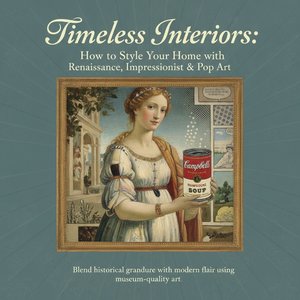
Beyond Ephemeral Trends: Cultivating Enduring Interior Aesthetics Through Renaissance Reverie, Impressionist Light, and Pop Art Vibrancy
Discover enduring interior aesthetics inspired by Renaissance artistry, Impressionist light & Pop Art vibrancy. Expert guidance for creating timeless, luxury homes. Explore art curation & design principles.
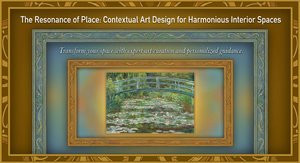
The Resonance of Place: Contextual Art Design for Harmonious Interior Spaces
Discover how expert art curation transforms interiors into harmonious spaces. Elevate your home with personalized selections & the guidance of a dedicated art concierge at ArtsDot.com.

