

 Pregledaj u prostoru
 Pošalji
 Podeli
 Detalji o delu

 Преузми
 Slični predmeti
 Rendgenski snimak
 Slajdovi
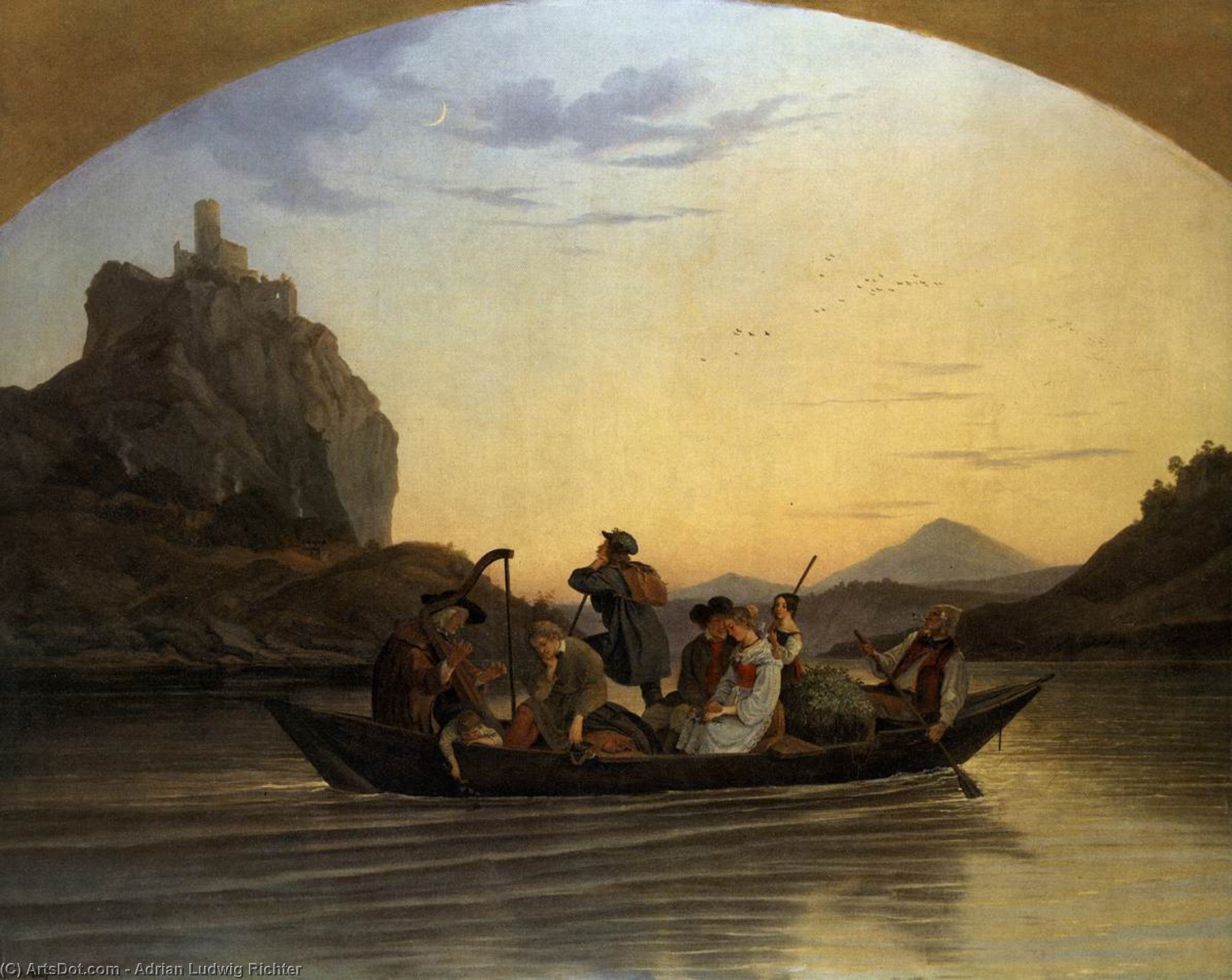
Crossing the Elbe at Aussig
 Oil On Canvas
- WallArt
- German Romanticism
 1837
1837- 19th Century
 117.0 x 157.0 cm
 Gemäldegalerie Alte Meister
 Pročitaj više
Kupite digitalnu sliku visoke rezolucije i poboljšanog kvaliteta, koja je znatno superiornija od onoga što vidite u online prikazu.
Svaka datoteka je pedantno pripremljena od strane naših stručnjaka koristeći napredne alate i profesionalnu ručnu retušu. Osiguravamo da svaka slika ima izuzetnu oštrinu, preciznu reprodukciju boja i fine detalje.
Konačna datoteka se dostavlja putem e-pošte u roku od 72 sata, optimizovana za neposrednu upotrebu u profesionalnim, izdavačkim i štamparskim okruženjima. To je isti kvalitet kojem veruju vrhunski studiji dizajna, izdavači i galerije.
Digitalna slika
Preuzmite datoteku visoke rezolucije za ličnu upotrebu, štampanje i kreativne projekte. ( Kupi print Kupi ručno naslikanu sliku)
Uključeno uz svaku porudžbinu digitalne slike
Profesionalna digitalna isporuka, zagarantovana
Kada odaberete ArtsDot.com, ne dobijate samo sliku – vi primate profesionalno unapređeno digitalno umetničko delo, izrađeno sa najvećom preciznošću i uz garanciju zadovoljstva. Evo svega što automatski dolazi uz vašu porudžbinu:

Brza dostava putem e-pošte
Vaša digitalna slika visoke rezolucije biće vam poslata putem e-pošte u roku od 72 sata od poručivanja – spremna za trenutnu upotrebu.

Digitalna datoteka unapređena veštačkom inteligencijom
Vaše umetničko delo je profesionalno optimizovano korišćenjem naprednih AI alata i ručne obrade, čime se osiguravaju maksimalni detalji, oštrina i preciznost boja.

Besplatna ponovna isporuka doživotno
Slučajno ste obrisali ili izgubili svoju datoteku? Ne brinite – poslaćemo vam je ponovo u bilo kom trenutku, potpuno besplatno.

Bez troškova uvoza – zauvek
Uživajte u svojim umetničkim delima trenutno, bez carine, dažbina ili troškova dostave – digitalni download je uvek bez poreza.

Garancija vernosti boja
Uz pomoć profesionalnih alata i upravljanja bojama, osiguravamo da vaša digitalna slika što vernije odražava originalne boje.

Garancija zadovoljstva u roku od 60 dana
Ako niste zadovoljni svojom digitalnom slikom, revidirat ćemo je ili vratiti 100% novca u roku od 60 dana – bez ikakvih pitanja.

100% garancija povrata novca
Niste zadovoljni? Obezbedite pun povrat novca u roku od 60 dana od trenutka kada ste primili svoju digitalnu datoteku – bez suvišnih pitanja.

Popusti na velike porudžbine
Kupite 3 slike, uštedite 10% - Kupite 5 slika, uštedite 15% - Kupite 10+ slika, uštedite 20%. Odlično za kreativne projekte, galerije i agencije.
Opis kolekcionarskog dela
A Journey Through Romantic Landscape
To gaze upon Adrian Ludwig Richter's depiction of Crossing the Elbe at Aussig is to step directly into the heart of German Romanticism. This painting is far more than a mere record of a river crossing; it is an evocative meditation on passage, memory, and the sublime power of nature. The scene unfolds with a palpable sense of drama, captured under a vast, arched sky that seems to hold the weight of history itself. The composition draws the eye immediately into the foreground where the small boat navigates the water, its occupants embarking on what feels like a pilgrimage. Richter masterfully frames this human endeavor against the monumental backdrop of rolling hills and distant architecture, suggesting both the journey undertaken and the destination sought.
Mastery in Light and Atmosphere
Technically, the work is a breathtaking display of 19th-century landscape painting prowess. Richter employs a soft, diffused lighting—the ethereal glow of dawn or twilight—to imbue every element with an almost dreamlike quality. Observe how the water reflects this muted palette of blues and greens, creating a surface that seems liquid poetry. The artist’s brushwork is notably loose and expressive, particularly in the rendering of the landscape contours and the sky itself. This technique allows for a profound sense of depth; through atmospheric perspective, the distant castle on the left appears hazier and paler than the immediate drama unfolding on the water, guiding the viewer's vision across miles of imagined terrain.
Symbolism of Passage and Contemplation
The subject matter itself is rich with symbolic resonance. The river, a timeless motif in art, universally represents the flow of time and life’s inevitable journey. The figures within the boat are engaged in an act of transition, suggesting themes of departure or arrival—a moment suspended between what was and what will be. Coupled with the imposing, perhaps historical, castle on the horizon, the painting whispers tales of destiny and human endurance against the grandeur of nature. It invites quiet contemplation, prompting the viewer to consider their own journeys and the weight of moments passed.
A Touch of German Romantic Soul
Richter’s signature style anchors this piece firmly within the tradition of German Romanticism. This movement prized emotion, intuition, and the overwhelming power of nature over strict classical order. The color palette—dominated by muted earth tones, deep blues, and subtle highlights of gold in the sky—contributes to an overall emotional tone of quiet longing mixed with adventurous spirit. For collectors and designers alike, this reproduction offers not just a beautiful vista, but a piece of captured emotion; it is an anchor for any space that desires depth, history, and a touch of sublime melancholy.
Srodna umetnička dela


Biografija umetnika
The Soul of the Saxon Landscape: The Life and Legacy of Adrian Ludwig Richter
Born in the cultural heart of Dresden in 1803, Adrian Ludwig Richter emerged as a defining voice of the German Romantic movement. His journey into the world of fine art was one of inherited passion and rigorous discipline, shaped profoundly by his father, Carl August Richter, a master engraver. This early immersion in the meticulous world of printmaking provided Adrian with a foundational eye for detail and an unparalleled command over tonal subtlety. As he transitioned from the precision of etching to the expansive possibilities of oil on canvas, Richter developed a style that bridged the gap between the technical accuracy of the Biedermeier period and the emotive, sweeping grandeur of Romanticism.
Richter’s artistic evolution was deeply intertwined with the landscapes of his homeland. His training at the Dresden Art Academy allowed him to absorb the influences of contemporaries such as Johann Christian Dahl, fostering a deep reverence for the natural world. He did not merely seek to document scenery; he sought to capture its spirit. Whether rendering the rugged, mist-shrouded peaks of the Riesengebirge mountains or the tranquil, sun-dappled valleys of Saxony, his work possesses a luminous quality that breathes life into the canvas. His brushwork often employed a delicate balance of realism and atmosphere, creating scenes that felt both tangibly present and dreamlike in their perfection.
A Mastery of Atmosphere and Narrative
The brilliance of Richter’s oeuvre lies in his ability to weave narrative elements into the very fabric of the landscape. His paintings often serve as windows into a serene, idealized era, where human presence is harmoniously integrated with nature. This is evident in works such as "Crossing the Elbe at Aussig," where the drama of a journey is captured through the evocative interplay of light and water, or in his more tranquil compositions like "The Well in the Wood at Ariccia." In these pieces, the viewer is invited to linger within a moment of profound stillness, experiencing the atmospheric detail and the quiet majesty of the rural landscape.
Beyond the sweeping vistas, Richter was also a master of the intimate and the pastoral. His ability to depict seasonal shifts—as seen in the delicate, balanced beauty of "Spring near Ariccia"—showcases his technical prowess in using muted tones and soft impasto to evoke the warmth of new growth. This talent for capturing the ephemeral qualities of light and season made him a celebrated illustrator of fairy tales and folk legends, as he could imbue even the smallest woodland scene with a sense of enchantment and historical weight.
Historical Significance and Artistic Triumph
The enduring significance of Adrian Ludwig Richter resides in his role as a chronicler of the German spirit during a transformative century. His work stands as a testament to the Biedermeier era's appreciation for domesticity, nature, and order, while simultaneously embracing the Romantic fascination with the sublime. Through his prolific output of drawings, etchings, and paintings, he helped define a visual language for the Saxon landscape that continues to resonate with collectors and art historians today.
His achievements can be summarized through several key artistic contributions:
- Technical Versatility: A seamless transition from the precise, linear discipline of engraving to the expressive, textured freedom of oil painting.
- Landscape Innovation: The ability to elevate regional Saxon scenery into universal symbols of natural beauty and emotional resonance.
- Narrative Depth: Integrating elements of folklore and pastoral life to create landscapes that tell stories of peace, journey, and seasonal change.
- Cultural Legacy: Establishing a lasting aesthetic influence on 19th-century German art through his meticulous observation and romanticized vision of the natural world.
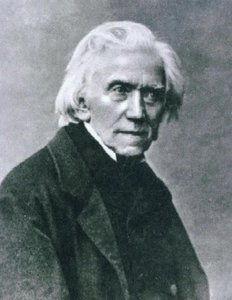
adrian ludwig richter
1803 - 1884 , Germany
Kratke činjenice
- Artistic Movement Or Style: Romanticism & Biedermeier
- Artists Or Movements Influenced By This Artist: ['Grimm']
- Artists Who Influenced This Artist:
- Erhard
- Chodowiecki
- Date Of Birth: September 28, 1803
- Date Of Death: June 19, 1884
- Full Name: Adrian Ludwig Richter
- Nationality: German
- Notable Artworks:
- Crossing the Elbe at Aussig
- The Well in the Wood at Ariccia
- Spring near Ariccia
- Place Of Birth: Dresden, Germany

