

 Pregledaj u prostoru
 Pošalji
 Podeli
 Detalji o delu

 Преузми
 Slični predmeti
 Rendgenski snimak
 Slajdovi
Italiano Ritratto
 Oil On Canvas
- WallArt
- Post-Impressionism
 1917
1917- Modern
 40.0 x 51.0 cm
 Museum of Modern and Contemporary Art of Trento and Rovereto
 Pročitaj više
Ručno rađena uljana reprodukcija
Ručno oslikano uljanim bojama na platnu u dimenzijama i okviru po vašem izboru, izrađeno po porudžbini od strane naših umetnika. ( Kupi print Kupi digitalnu sliku)




P118B $10

P118H $10

P118W $10

P438Z $10

P508JH $12

P508YH $12

P805H $10

P805Z $10

P919BZ $10

P919G $10

P919XJ $10

P959ZH $10

P968JZ $12

W106C $8

W218G $10

W218JH $8

W218Y $10

W307PJ $10

W316G $10

W316PJ $8

W316Y $10

W398PJ $8

W4111J $10

W500HY $15

W500JH $15

W692G $12

W849H $8

W940BG $15

W953PJ $8




Izaberite jednu od naših unapred definisanih veličina koje odgovaraju originalnim proporcijama umetničkog dela.

Можете унети сопствене димензије како бисте прилагодили дело одређеном оквиру или простору. Ако одабрана величина не одговара пропорцијама оригинала, слика ће бити исечена или проширена додатним елементима који се ручно насликавају. Дигитални prikaz ће вам бити послат на одобрење пре почетка производње.
Имајте на уму да преглед на екрану не одражава стварно исецање или проширење. Само приказ (mockup) ће тачно приказати коначну композицију.
Иако су доступне прилагођене величине, препоручујемо да одаберете димензију из дефинисане листе како бисте сачували оригиналне пропорције.
Nakon narudžbine, tim ArtsDot.com će klijentu putem e-pošte poslati uputstva i dostaviti prikaz predloženog rešenja
Isporuka širom sveta () za 3/4 nedelje umesto uobičajenih 5 nedelja. (4 септембар). Bez kompromisa po pitanju kvaliteta.

Besplatna ekspresna dostava širom sveta

Visokokvalitetno laneno platno

Kompletno osiguranje transporta

Garancija povraćaja carine i uvoznih dažbina

Garancija vernosti boja

Politika povrata u roku od 60 dana (samo u slučaju nedostataka)

Garancija povrata novca od 100%

Popust pri grupnoj kupovini
 Opcija sa staklom dostupna je samo za dimenzije manje od 110 cm

Italiano Ritratto
Tehnika reprodukcije
Dimenzije reprodukcije
-


Konačna cena
$ 263
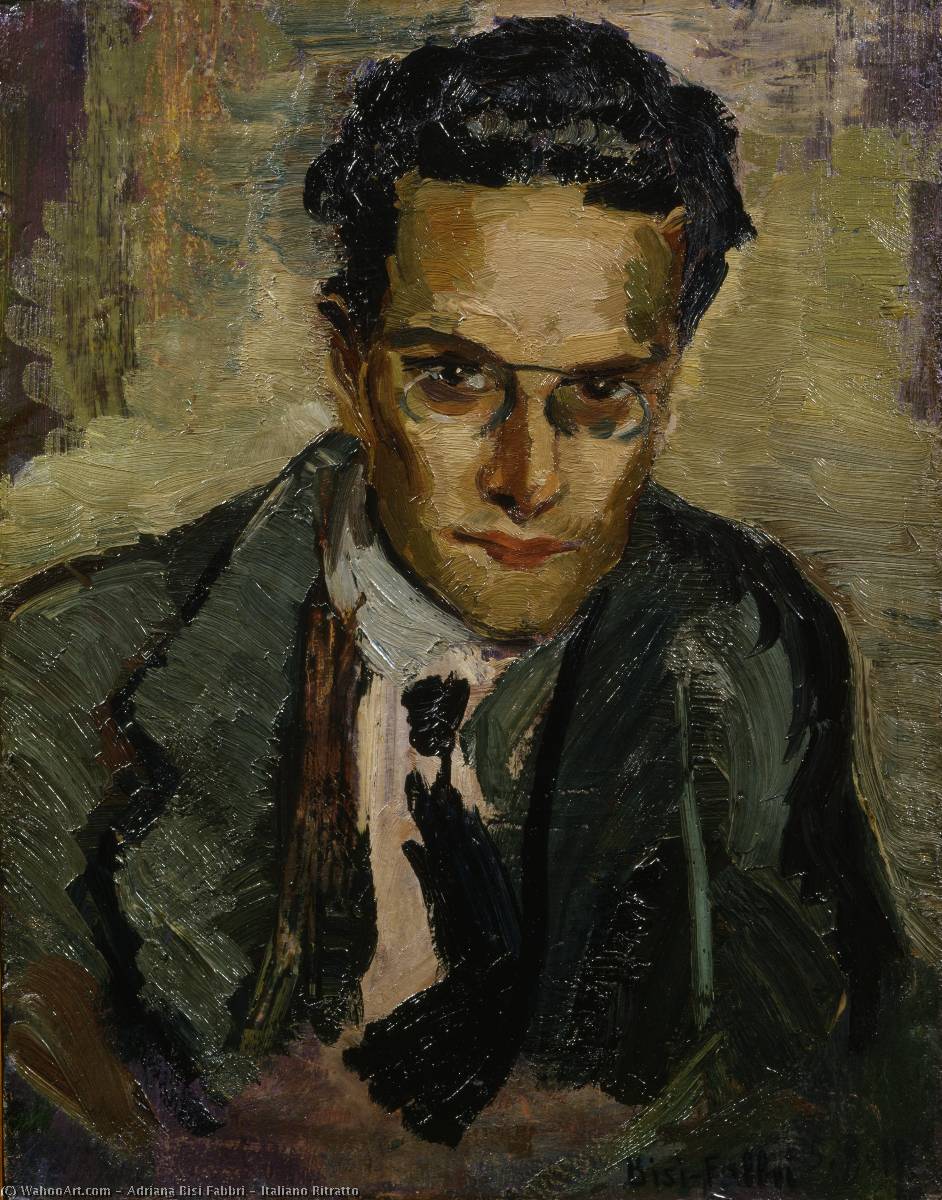
A Gaze Through Time: The Soul of Italiano Ritratto
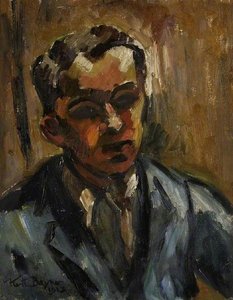
In the evocative depths of Adriana Bisi Fabbri’s Italiano Ritratto, we encounter more than just a mere likeness; we meet a profound psychological presence. Painted in 1917, this striking portrait captures a man of quiet dignity, his gaze piercing through the layers of history to meet the viewer with an unsettling intimacy. The composition is masterfully tight, eschewing unnecessary background distractions to focus entirely on the subject’s face and upper torso. This deliberate cropping forces an immediate confrontation between the observer and the observed, creating a sense of urgency and emotional weight that is rare in traditional portraiture. Through his formal attire—the structured suit jacket and precise tie—the subject projects an aura of professional status and social composure, yet it is within the eyes behind his glasses that the true narrative resides, hinting at a complex inner world of introspection and quiet confidence.
The technical brilliance of this piece lies in its raw, tactile energy. Bisi Fabbri employs a vigorous impasto technique, where the oil paint is applied with such thickness that the canvas itself seems to pulse with life. Each brushstroke is visible and unapologetic, contributing to a surface texture that is as much a sculptural element as it is a painterly one. This expressive handling of medium draws heavily from the traditions of Post-Impressionism and early Expressionism, where the artist’s hand is never hidden but rather celebrated as a vehicle for emotion. The interplay of light and shadow across the man's features is not achieved through smooth blending, but through rhythmic, energetic applications of pigment that catch the light, creating a dynamic topography of highlights and deep, resonant shadows.
The color palette of Italiano Ritratto is a sophisticated study in earth tones, dominated by somber greens, rich browns, and warm ochre. These hues ground the portrait in a sense of historical permanence, evoking the atmosphere of early 20th-century European studios. This muted tonality serves to amplify the emotional impact of the subject's expression, allowing the subtle variations in skin tone and the glint of light on his spectacles to command the viewer's attention. For the discerning collector or interior designer, this artwork offers a magnificent centerpiece of intellectual depth. It is a piece that does not merely decorate a wall but commands a room, providing a sophisticated anchor for spaces that value historical resonance, textural complexity, and the enduring power of the human spirit.
Srodna umetnička dela



Biografija umetnika
Adriana Bisi Fabbri: Life and Art
Early Life and Education
- Born: 1881 in Ferrera, Italy.
- Adriana Bisi Fabbri spent part of her youth in Padua as a guest of Umberto Boccioni’s mother, an early connection to the burgeoning Futurist movement.
- She moved to Milan with her family in 1905 and began developing her artistic skills through self-study and by frequenting the studios of Gaetano Previati and Luigi Conconi.
Artistic Development and Influences
- Initially a self-taught artist, Bisi Fabbri’s style evolved through exposure to various artistic circles.
- Umberto Boccioni played an indirect but significant role in her development due to the early connection and later participation in exhibitions he organized.
- Her work demonstrates influences from Post-Impressionism and early Futurism, blending expressive brushwork with a focus on modern life and social commentary.
Career and Major Achievements
- Bisi Fabbri debuted at the 2nd Quadriennale in Turin in 1908 with two drawings.
- In 1911, she won a bronze medal at the international humour exhibition Frigidarium and participated in the 1st Esposizione Libera organized by Boccioni and other Futurists.
- She became a member of the Nuove Tendenze group in 1914 and held a solo exhibition of 51 works at an art store in Milan.
- Bisi Fabbri was a sought-after portraitist, and her political caricatures were published in Il Popolo d'Italia during World War I. She also contributed to La Domenica Illustrata and created fashion plates.
Themes and Style
- Portraits: Bisi Fabbri’s portraits are characterized by expressive brushwork, psychological depth, and a direct engagement with the subject.
- Social Commentary: Her work often reflects social issues and political concerns of her time, particularly through her caricatures and illustrations.
- Modern Life: She depicted scenes from modern life, including theatrical performances and aviation, capturing the dynamism of the early 20th century.
Historical Significance and Legacy
- Adriana Bisi Fabbri represents a significant figure in Italian art during a period of rapid change and experimentation.
- Her connection to Futurism, combined with her unique artistic voice, positions her as an important contributor to the development of modern Italian painting.
- As a female artist working in a male-dominated field, she challenged gender norms and paved the way for future generations of women artists.
- Death: She died prematurely in 1918 in Travedona-Monate (Varese), Italy.
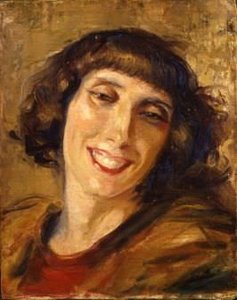
Adriana Bisi Fabbri
1881 - 1918 , Italy
Osnovne informacije
- Birth Date: 1881
- Birth Place: Ferrera, Italy
- Death Date: 1918
- Influenced By:
- Gaetano Previati
- Luigi Conconi
- Movement: Futurism
- Name: Adriana Bisi Fabbri
- Nationality: Italian
- Notable Works:
- Italiano Aviatore (Ricordo Géo Chávez)
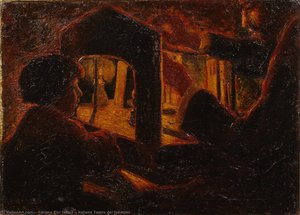
- Italiano Teatro dei burattini
- Italiano Ritratto
- Italiano Chiesa di Sant'Alessandro
Povezani članci
Iza svetlosti i boje: Impresionizam protiv postimpresionizma za diskriminatornog kolekcionara
Istražite suptilne razlike između Impresionizma i Postimpresionizma sa ArtsDot-om. Saveti za kolekcionare, investicije u umetnost i vrhunske reprodukcije slika. Pronađite savršeno delo za vašu kolekciju!

Postimpresionizma: 10 Remek Dela Koje Su Izmenila Umjetnost i Dekor
Otkrijte 10 remek dela postimpresionizma koja su revolucionisala umetnost! Van Gog, Monet, Sezan... Istorija, tehnika i emocije u svakoj slici. Inspiracija za vaš dom i vrhunske reprodukcije na ArtsDot.com. Explore the full collection online!

Beyond Impressionism: Exploring the Emotional Depth of Post-Impressionist Painting
Explore the profound emotional depth & innovative techniques of Post-Impressionism with ArtsDot. Discover Cézanne, Van Gogh, Gauguin & more – and their lasting impact on modern art.

Impressionism's Masterpieces: 10 Paintings That Defined a Movement | ArtsDot
Journey through Impressionism's heart with 10 iconic paintings by Monet, Renoir & Degas. Explore light, color & the stories behind these masterpieces. Find museum-quality art reproductions and elevate your home decor on ArtsDot.com.
Beyond Impressionism: Exploring Emotional Depth & Formal Innovation in Post-Impressionist Art
Explore the profound emotional depth & formal innovations of Post-Impressionism with our expert guide. Discover Cézanne, Van Gogh, Gauguin & more. Learn about art history, collecting, and investing in this pivotal movement.

