

 Pregledaj u prostoru
 Pošalji
 Podeli
 Detalji o delu

 Преузми
 Slični predmeti
 Rendgenski snimak
 Slajdovi
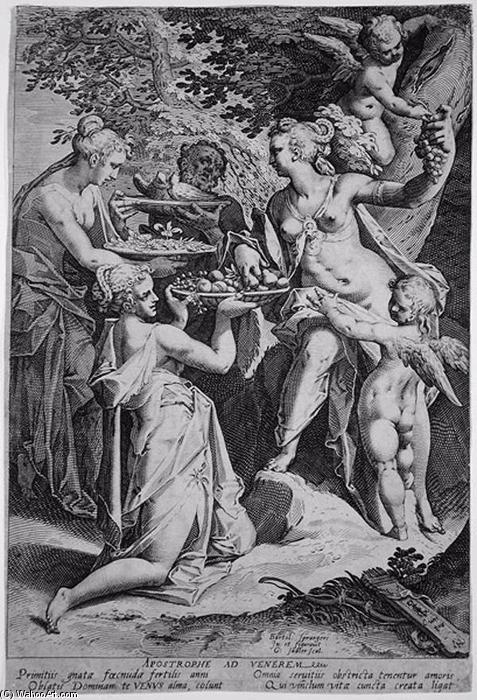
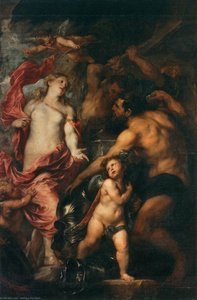
Venus Receiving Gifts
 Baroque
 281.0 x 190.0 cm
 Pročitaj više
Ručno rađena uljana reprodukcija
Ručno oslikano uljanim bojama na platnu u dimenzijama i okviru po vašem izboru, izrađeno po porudžbini od strane naših umetnika. ( Kupi print Kupi digitalnu sliku)




































Izaberite jednu od naših unapred definisanih veličina koje odgovaraju originalnim proporcijama umetničkog dela.

Можете унети сопствене димензије како бисте прилагодили дело одређеном оквиру или простору. Ако одабрана величина не одговара пропорцијама оригинала, слика ће бити исечена или проширена додатним елементима који се ручно насликавају. Дигитални prikaz ће вам бити послат на одобрење пре почетка производње.
Имајте на уму да преглед на екрану не одражава стварно исецање или проширење. Само приказ (mockup) ће тачно приказати коначну композицију.
Иако су доступне прилагођене величине, препоручујемо да одаберете димензију из дефинисане листе како бисте сачували оригиналне пропорције.
Nakon narudžbine, tim ArtsDot.com će klijentu putem e-pošte poslati uputstva i dostaviti prikaz predloženog rešenja
Isporuka širom sveta () za 3/4 nedelje umesto uobičajenih 5 nedelja. (6 септембар). Bez kompromisa po pitanju kvaliteta.

Besplatna ekspresna dostava širom sveta

Visokokvalitetno laneno platno

Kompletno osiguranje transporta

Garancija povraćaja carine i uvoznih dažbina

Garancija vernosti boja

Politika povrata u roku od 100 dana (samo u slučaju nedostataka)

Garancija povrata novca od 100%

Popust pri grupnoj kupovini
 Opcija sa staklom dostupna je samo za dimenzije manje od 110 cm

Venus Receiving Gifts
Tehnika reprodukcije
Dimenzije reprodukcije
-


Konačna cena
$ 313
Srodna umetnička dela
Biografija umetnika
The Master of the Burin: The Life and Legacy of Aegidius Sadeler II
In the vibrant, swirling currents of the late Renaissance and early Baroque periods, few artists possessed the ability to translate the monumental grandeur of painting into the intimate, precise language of printmaking as masterfully as Aegidius Sadeler II. Born in 1570 within the illustrious artistic dynasty of Antwerp, Sadeler was destined for a life steeped in the fine arts. As a member of the famed Sadeler family of engravers and print dealers, his very lineage was woven into the fabric of European visual culture. His early training under his uncle, Jan I, provided him with a rigorous foundation in the exacting techniques of the Antwerp Guild of St. Luke, instilling in him a discipline that would later allow him to capture the most delicate nuances of light and shadow through the sharp tip of a burin.
The trajectory of Sadeler’s career was as much a journey across Europe as it was an evolution of style. His wanderings took him through the intellectual hubs of Munich, Rome, and Naples, exposing him to the diverse aesthetic currents of the continent. This cosmopolitan upbringing allowed him to absorb the sophisticated elegance of Italian Mannerism and the robust realism of the Northern traditions. By the time he settled in Prague in 1597, he had become a versatile virtuoso, capable of navigating the complex visual vocabulary required by the most demanding patrons of the age.
At the Heart of the Imperial Court
The zenith of Sadeler’s professional life was undoubtedly his appointment as the court engraver to Rudolf II, the Holy Roman Emperor. The court in Prague was a glittering epicenter of Mannerist innovation, a place where art, alchemy, and intellect converged. Within this rarefied atmosphere, Sadeler found his greatest inspiration and his most significant subjects. He did not merely record the images of his era; he acted as a vital conduit for their dissemination. Through his meticulous reproductions, the masterpieces housed in the Emperor's private collections were liberated from the confines of palace walls and shared with the wider European intelligentsia.
His collaboration with the leading lights of the Mannerist movement was profound. Sadeler possessed a rare ability to translate the fluid, often elongated forms of Bartholomeus Spranger and the whimsical, transformative imagery of Giuseppe Arcimboldo into the monochromatic medium of engraving. His work after the sculptures of Giambologna and Adriaen de Vries demonstrated an uncanny ability to render the tactile quality of bronze and marble through nothing more than black ink and white paper. This period of his life was marked by a relentless pursuit of technical perfection, where every line served to heighten the theatricality and emotional depth characteristic of the era.
A Lasting Impression on Art History
The significance of Aegidius Sadeler II extends far beyond the individual prints he produced. He was a pivotal figure in the democratization of high art, playing a crucial role in the creation of a shared European visual language. By reproducing the works of masters like Albrecht Dürer and Raphael, he helped sustain the prestige of these Renaissance icons long after their original eras had passed. His engravings served as both a tribute to the past and a blueprint for the future, influencing generations of artists who looked to his prints for compositional guidance and technical inspiration.
Even today, when we examine his portraits or his dramatic religious scenes, such as his poignant etchings of The Martyrdom of St. Sebastian, we are struck by a sense of profound permanence. His work captures the tension between the physical and the spiritual, the human and the divine, with a clarity that remains undiminished by time. Through his mastery of the engraver's craft, Sadeler ensured that the fleeting brilliance of the Prague court would be etched into the enduring memory of art history.
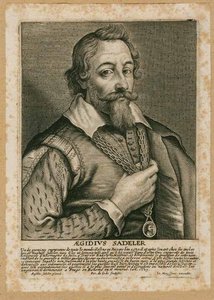
aegidius ii sadeler
1570 - 1629 , Belgium
Osnovne informacije
- Artistic Movement Or Style: Mannerism
- Artists Or Movements Influenced By This Artist: ['Rudolf II']
- Artists Who Influenced This Artist: ['Albrecht Dürer']
- Date Of Birth: Antwerp, Belgium (1570)
- Date Of Death: 1629
- Full Name: Aegidius Sadeler II
- Nationality: Flemish
- Notable Artworks:
- The Interior of the Vladislav Hall, Prague
- Venus Receiving Gifts
- Place Of Birth: Antwerp
Povezani članci

Cultivating Prestige: The Strategic Significance of Executive Desk Art as a High-Impact Recognition Gift
Discover the strategic power of executive desk art for impactful recognition gifting. Expert guidance on selecting luxury gifts that foster loyalty, strengthen relationships & elevate your brand. Learn more!

The Canvas of Connection: Quantifying the ROI of Art-Based Gifting on Corporate Relationships and Brand Equity
Discover how strategic art gifting boosts brand loyalty & ROI. Expert insights on personalized gifts, employee recognition, & building lasting corporate relationships. Learn more!

Beyond Corporate Gifts: Scaling Personalized Art Experiences for Enhanced Client Engagement and Brand Loyalty
Elevate client relationships with personalized art experiences. Discover bespoke gifts & expert consulting for lasting impact. Scale thoughtful appreciation & build brand loyalty – learn how!
The Symbolic Canvas: Leveraging Art as a Medium for Expressing Motivation, Inspiration, and Gratitude in Corporate Gifting
Elevate corporate relationships with thoughtful art gifts. Discover bespoke commissions, museum-quality reproductions & expert consultation for lasting impact. ArtsDot – fostering connection through symbolic expression.
Engraving's Golden Age: 10 Masterpieces That Redefined Art | ArtsDot
Journey through art history with our Top 10 Legendary Engravings! Explore masterpieces by Dürer, Rembrandt & Goya. Discover the stories behind these iconic prints and find museum-quality reproductions for your home at ArtsDot.com.