

 Pregledaj u prostoru
 Pošalji
 Podeli
 Detalji o delu

 Преузми
 Slični predmeti
 Rendgenski snimak
 Slajdovi
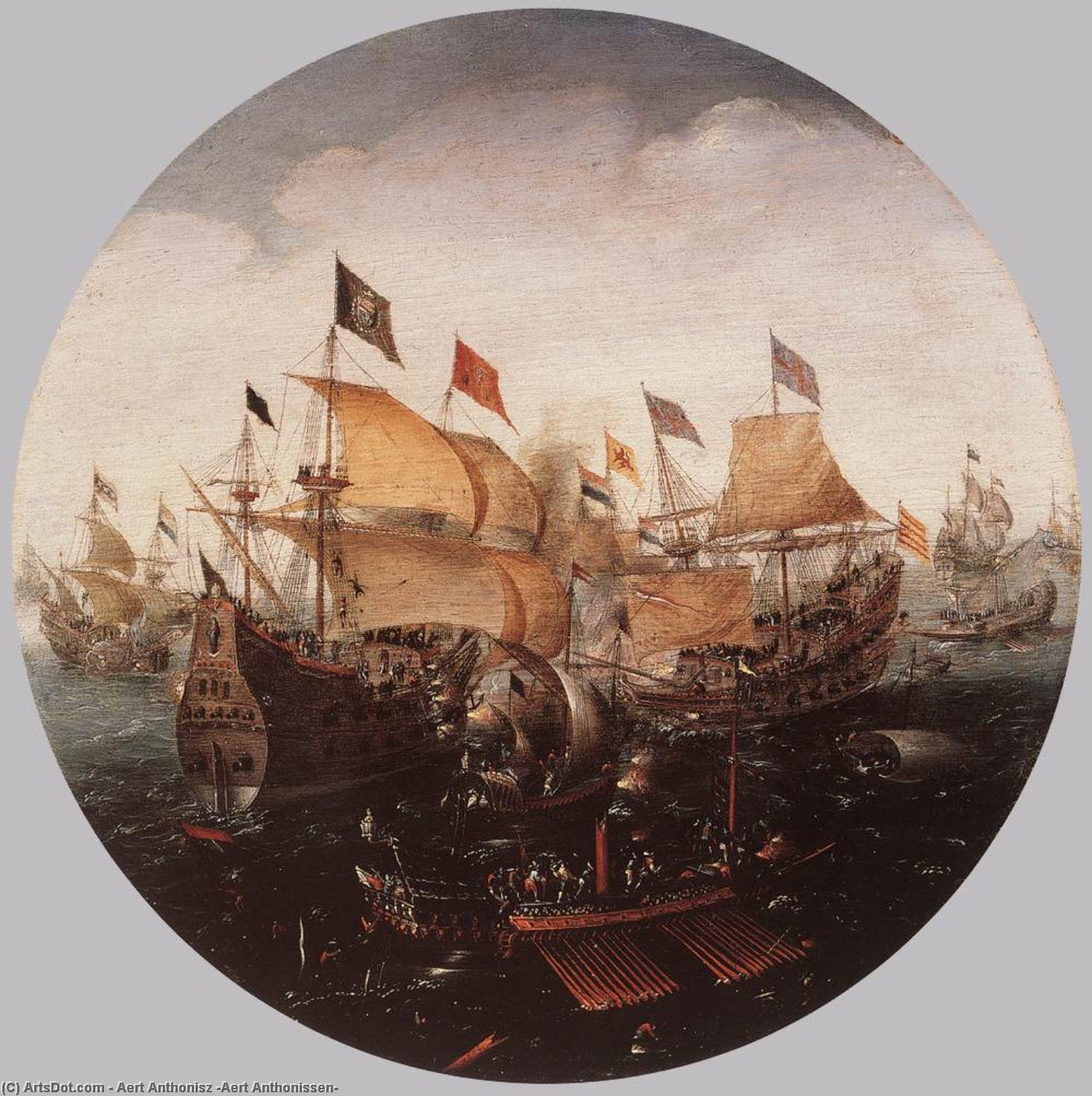
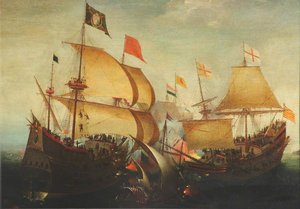
Sea Battle between Dutch and Spanish Boats
 Oil On Canvas
- WallArt
 1604
1604 22.0 x 22.0 cm
 Staatliche Museen zu Berlin
 Pročitaj više
Ručno rađena uljana reprodukcija
Ručno oslikano uljanim bojama na platnu u dimenzijama i okviru po vašem izboru, izrađeno po porudžbini od strane naših umetnika. ( Kupi print Kupi digitalnu sliku)




P118B $10

P118H $10

P118W $10

P438Z $10

P508JH $12

P508YH $12

P805H $10

P805Z $10

P919BZ $10

P919G $10

P919XJ $10

P959ZH $10

P968JZ $12

W106C $8

W218G $10

W218JH $8

W218Y $10

W307PJ $10

W316G $10

W316PJ $8

W316Y $10

W398PJ $8

W4111J $10

W500HY $15

W500JH $15

W692G $12

W849H $8

W940BG $15

W953PJ $8




Izaberite jednu od naših unapred definisanih veličina koje odgovaraju originalnim proporcijama umetničkog dela.

Можете унети сопствене димензије како бисте прилагодили дело одређеном оквиру или простору. Ако одабрана величина не одговара пропорцијама оригинала, слика ће бити исечена или проширена додатним елементима који се ручно насликавају. Дигитални prikaz ће вам бити послат на одобрење пре почетка производње.
Имајте на уму да преглед на екрану не одражава стварно исецање или проширење. Само приказ (mockup) ће тачно приказати коначну композицију.
Иако су доступне прилагођене величине, препоручујемо да одаберете димензију из дефинисане листе како бисте сачували оригиналне пропорције.
Nakon narudžbine, tim ArtsDot.com će klijentu putem e-pošte poslati uputstva i dostaviti prikaz predloženog rešenja
Isporuka širom sveta () za 3/4 nedelje umesto uobičajenih 5 nedelja. (25 август). Bez kompromisa po pitanju kvaliteta.

Besplatna ekspresna dostava širom sveta

Visokokvalitetno laneno platno

Kompletno osiguranje transporta

Garancija povraćaja carine i uvoznih dažbina

Garancija vernosti boja

Politika povrata u roku od 60 dana (samo u slučaju nedostataka)

Garancija povrata novca od 100%

Popust pri grupnoj kupovini
 Opcija sa staklom dostupna je samo za dimenzije manje od 110 cm

Sea Battle between Dutch and Spanish Boats
Tehnika reprodukcije
Dimenzije reprodukcije
-


Konačna cena
$ 263
Opis umetničkog dela
A Moment Frozen in Time: Exploring Aert van Antum’s “Sea Battle Between Dutch and Spanish Boats”
The painting "Sea Battle Between Dutch and Spanish Boats," attributed to Aert van Antum, stands as a testament to the dramatic fervor of the Dutch Golden Age – specifically, the first quarter of the seventeenth century. More than just a depiction of naval warfare, it’s an immersive experience into a pivotal moment in European history, skillfully rendered by an artist whose legacy has been rediscovered through recent scholarly investigations. This captivating artwork resides within the Museo Nacional del Prado's collection, where its vibrant colors and dynamic composition continue to inspire admiration.A Canvas Alive with Action: Style and Technique
Van Antum’s approach distinguishes itself from many of his contemporaries. He eschewed the idealized grandeur favored by some artists of the period, opting instead for a strikingly realistic portrayal of combat. The artist meticulously captured the turbulent sea conditions—waves crashing against the hulls of ships—creating an atmosphere palpable with tension and danger. Brushstrokes are bold and expressive, conveying movement and energy through layering techniques that build up texture and depth. Notice particularly how Van Antum utilizes chiaroscuro – dramatic contrasts between light and shadow – to illuminate key figures and heighten the visual impact of the scene. This masterful manipulation of light enhances the sense of immediacy and draws the viewer into the heart of the battle.Historical Context: The Rivalry Between Dutch and Spanish Empires
The painting’s subject matter speaks volumes about the geopolitical landscape of its time. The conflict between the Dutch Republic and Spain dominated European affairs throughout the early Baroque era. This rivalry fueled naval expeditions, asserting dominance over trade routes and challenging Habsburg authority. “Sea Battle Between Dutch and Spanish Boats” isn't merely a visual spectacle; it’s a snapshot of this intense struggle for power—a confrontation between two ambitious nations vying for supremacy on the high seas. The inclusion of the Amsterdam coat of arms underscores the importance of the city as a center of commerce and naval prowess during this period.Symbolism Within the Storm: Interpreting Visual Elements
Beyond its historical significance, the artwork is rich in symbolic elements. The positioning of the ships—one large vessel dominating the center—suggests hierarchy and strategic advantage. Furthermore, the depiction of sailors engaged in combat embodies courage and resilience – virtues celebrated during this era. The billowing sails represent ambition and aspiration, mirroring the aspirations of both nations involved. The artist’s deliberate use of color contributes to the overall emotional resonance; reds and yellows dominate, conveying passion and urgency, while blues evoke the vastness and unpredictability of the ocean.Emotional Resonance: Capturing the Spirit of a Turbulent Age
Ultimately, “Sea Battle Between Dutch and Spanish Boats” succeeds in transporting the viewer back to a time of upheaval and excitement. The artist’s ability to convey emotion through visual means is remarkable—a testament to his artistic skill. It's not simply a record of events; it’s an emotional response to them. Viewing this painting evokes feelings of awe, admiration for bravery, and contemplation on the complexities of power dynamics. Like many Baroque masterpieces, it compels us to confront the drama and grandeur of human endeavor against the backdrop of history itself—a timeless reminder of artistic brilliance and its enduring capacity to captivate audiences centuries later.Srodna umetnička dela
Biografija umetnika
Aert Anthonisz: Master of Dutch Maritime Drama
Aert Anthoniszoon, more commonly known as Aert van Antum or simply Anthonisz., remains a captivating figure in the history of 17th-century Dutch painting. Born around 1579 in Antwerp and tragically dying in Amsterdam in 1620, his life was relatively short but profoundly impactful on the development of maritime art within the Dutch Golden Age. While initially overlooked by many historical accounts, recent scholarship has resurrected Anthonisz.’s importance, revealing a remarkably skilled artist who captured the dynamism and drama of naval encounters with unparalleled realism and emotional intensity.
Anthonisz.’s early life is shrouded in some mystery. He likely received his initial artistic training from Hendrick Cornelisz Vroom, a prominent painter in Amsterdam at the time. This connection suggests an exposure to the prevailing Flemish style, characterized by rich colors, detailed rendering, and a focus on religious or mythological subjects. However, Anthonisz.’s trajectory quickly shifted towards a distinct maritime aesthetic. Around 1603, he married Baycken Coutermans from Mechelen, and soon after began signing his works with the abbreviated “AERT ANT[...]”, reflecting a deliberate effort to establish his own identity within the burgeoning art market.
The Rise of Maritime Painting
The mid-17th century witnessed an unprecedented surge in interest in maritime subjects within Dutch painting. This fascination stemmed from the Netherlands’ position as a global trading power, reliant on a vast network of ships traversing the world's oceans. Artists like Anthonisz., Jan van de Velde the Younger, and Willem van de Velde the Elder responded to this demand by producing a prolific series of paintings depicting naval battles, ship-to-ship engagements, and scenes of maritime commerce. Unlike earlier depictions that often prioritized heroic grandeur, Anthonisz.’s works emphasized the gritty reality of seafaring life – the chaos of battle, the vulnerability of ships, and the sheer power of nature.
Anthonisz.’s style is immediately recognizable. He eschewed idealized compositions in favor of dynamic arrangements filled with movement and detail. His ships are rendered with meticulous accuracy, capturing their rigging, hull shapes, and the effects of wind and waves. He masterfully employed a cool color palette – blues, grays, and greens – to convey the atmosphere of the sea and the overcast skies typical of maritime weather. Crucially, Anthonisz.’s paintings aren’t simply technical exercises; they are infused with a palpable sense of drama and immediacy. He skillfully used light and shadow to heighten the tension of his scenes, drawing the viewer into the heart of the action.
Key Works and Influences
Among Anthonisz.’s most celebrated works is “The Battle of Cadix” (1608), a monumental painting depicting the Dutch victory over the Spanish fleet at Cadiz. This work exemplifies his signature style, showcasing a chaotic yet meticulously rendered naval engagement. Another significant piece is "Ships off IJsselmonde" (1618), which captures a dramatic storm brewing on the North Sea. These paintings demonstrate his ability to convey both the technical complexities of shipbuilding and the raw power of the elements.
While Anthonisz.’s style draws inspiration from Flemish masters, particularly Hendrick Cornelisz Vroom, he developed a uniquely Dutch approach to maritime painting. He was influenced by contemporary accounts of naval battles and the practical knowledge of sailors, incorporating realistic details into his compositions. Furthermore, his work reflects the broader artistic trends of the Dutch Golden Age, characterized by realism, naturalism, and a focus on everyday life.
Legacy and Historical Significance
Despite being largely forgotten for centuries, Aert Anthonisz.’s paintings have recently experienced a resurgence in popularity. His dynamic compositions, realistic details, and emotional intensity continue to captivate viewers today. His work provides invaluable insight into the maritime history of the Dutch Golden Age and offers a compelling glimpse into the lives of sailors and shipbuilders. Anthonisz.’s legacy lies not only in his artistic skill but also in his contribution to the development of a distinctly Dutch style of maritime painting, one that continues to inspire artists and art historians alike.
His paintings are now housed in major museums worldwide, including the Rijksmuseum Amsterdam, the British Museum, and the Hermitage Museum in St. Petersburg, ensuring that this remarkable artist’s dramatic vision will continue to be appreciated for generations to come.
aert anthonisz (aert anthonissen)
1579 - 1620 , Belgium
Osnovne informacije
- Artistic Movement Or Style: Maritime painting
- Artists Or Movements Influenced By This Artist: ['Hendrick van Anthonissen']
- Artists Who Influenced This Artist: ['Hendrick Cornelisz Vroom']
- Date Of Birth: c. 1579–1580
- Date Of Death: 1620
- Full Name: Aert Anthonisz (Anthonissen)
- Nationality: Dutch
- Notable Artworks:
- Slag bij Cadix
- Sea Battle
- Ships off IJsselmonde
- Place Of Birth: Antwerp, Belgium
Povezani članci
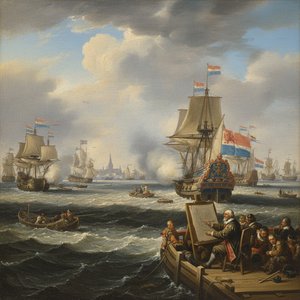
Willem van de Velde the Elder: Master of Maritime Painting & Chronicler of the Dutch Golden Age
Discover the captivating maritime paintings of Willem van de Velde the Elder, a master chronicler of the Dutch Golden Age. Explore his unparalleled realism and lasting influence on naval art history.
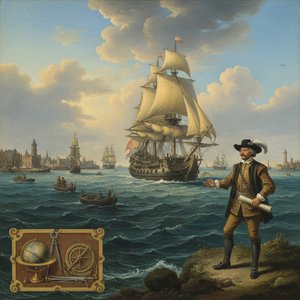
Abraham Hulk Senior: Pioneering Maritime Topography of the Dutch Golden Age
Explore the captivating seascapes of Abraham Hulk Senior, a leading Anglo-Dutch marine painter of the 19th century. Discover his signature style, family legacy & collectable artworks at ArtsDot.
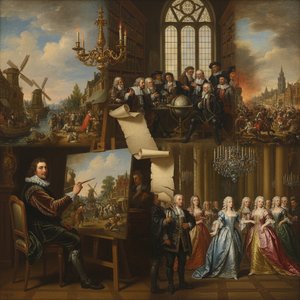
Illuminating a Century of Change: Artistic Expression & Societal Shifts in 17th-Century Europe
Explore the artistic brilliance of the 17th-century Dutch Golden Age & Baroque period. Discover Rembrandt, genre painting, and chiaroscuro techniques. Expert insights for art lovers & collectors.
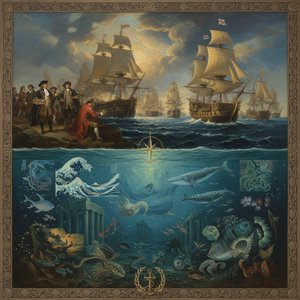
Navigating the Depths of Representation: A Historical Exploration of Marine Painting
Explore the rich history of marine painting with ArtsDot. Discover Dutch Masters, Romantic seascapes & renowned artists like Wyllie and Harris. Expert guidance for collectors & custom reproductions.
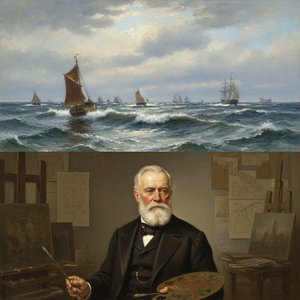
Hendrik Willem Mesdag: Pioneering Impressionism & the Dutch Maritime Tradition
Explore the life & work of Hendrik Willem Mesdag, a pioneer of Dutch Impressionism and leading figure of the Hague School. Discover his captivating seascapes and the immersive Panorama Mesdag – a true masterpiece.

