 Pregledaj u prostoru
 Pošalji
 Podeli
 Detalji o delu

 Преузми
 Slični predmeti
 Rendgenski snimak
 Slajdovi
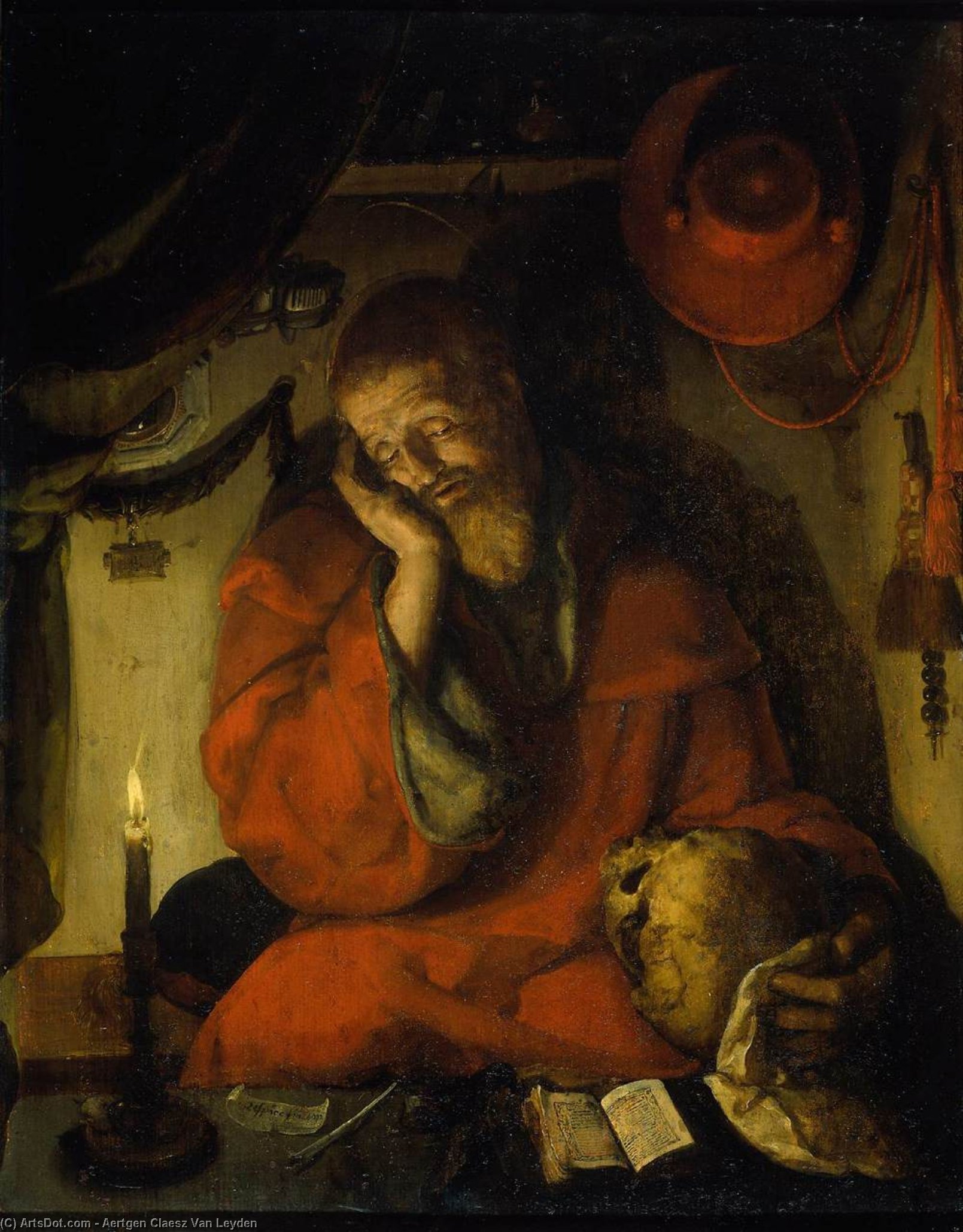
St Jerome
 Oil On Panel
- Northern Renaissance
 48.0 x 38.0 cm
 Rijksmuseum
 Pročitaj više
Ručno rađena uljana reprodukcija
Ručno oslikano uljanim bojama na platnu u dimenzijama i okviru po vašem izboru, izrađeno po porudžbini od strane naših umetnika. ( Kupi print Kupi digitalnu sliku)




P118B $10

P118H $10

P118W $10

P438Z $10

P508JH $12

P508YH $12

P805H $10

P805Z $10

P919BZ $10

P919G $10

P919XJ $10

P959ZH $10

P968JZ $12

W106C $8

W218G $10

W218JH $8

W218Y $10

W307PJ $10

W316G $10

W316PJ $8

W316Y $10

W398PJ $8

W4111J $10

W500HY $15

W500JH $15

W692G $12

W849H $8

W940BG $15

W953PJ $8




Izaberite jednu od naših unapred definisanih veličina koje odgovaraju originalnim proporcijama umetničkog dela.

Можете унети сопствене димензије како бисте прилагодили дело одређеном оквиру или простору. Ако одабрана величина не одговара пропорцијама оригинала, слика ће бити исечена или проширена додатним елементима који се ручно насликавају. Дигитални prikaz ће вам бити послат на одобрење пре почетка производње.
Имајте на уму да преглед на екрану не одражава стварно исецање или проширење. Само приказ (mockup) ће тачно приказати коначну композицију.
Иако су доступне прилагођене величине, препоручујемо да одаберете димензију из дефинисане листе како бисте сачували оригиналне пропорције.
Nakon narudžbine, tim ArtsDot.com će klijentu putem e-pošte poslati uputstva i dostaviti prikaz predloženog rešenja
Isporuka širom sveta () za 3/4 nedelje umesto uobičajenih 5 nedelja. (26 август). Bez kompromisa po pitanju kvaliteta.

Besplatna ekspresna dostava širom sveta

Visokokvalitetno laneno platno

Kompletno osiguranje transporta

Garancija povraćaja carine i uvoznih dažbina

Garancija vernosti boja

Politika povrata u roku od 60 dana (samo u slučaju nedostataka)

Garancija povrata novca od 100%

Popust pri grupnoj kupovini
 Opcija sa staklom dostupna je samo za dimenzije manje od 110 cm

St Jerome
Tehnika reprodukcije
Dimenzije reprodukcije
-


Konačna cena
$ 263
Opis umetničkog dela
The Quiet Contemplation of St. Jerome
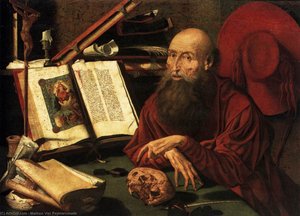
To gaze upon Aertgen Claesz Van Leyden's depiction of St. Jerome is to step directly into the hushed, candlelit atmosphere of a Renaissance scholar’s private study. This painting transcends a mere portrait; it is an immersive meditation on the confluence of human intellect and spiritual reckoning. The central figure, St. Jerome, is rendered with a profound dignity, his aged beard framing a countenance steeped in contemplation. Draped in a striking red robe that seems to absorb and reflect the dim light, he sits amidst the accumulated weight of knowledge—a visual symphony composed by a master hand.
Mastery of Northern Renaissance Detail
Van Leyden’s technique is a breathtaking display of Northern Renaissance meticulousness. Observe how the artist has captured not just the forms, but the very texture of existence: the heavy fold of fabric upon the robe, the aged patina on the wooden desk, and the creamy, brittle quality of the vellum pages. The handling of light here is nothing short of miraculous. A single, unseen source—perhaps that flickering candle to the left—casts dramatic chiaroscuro across the scene. This interplay of deep shadow and illuminated surface gives the composition an almost three-dimensional depth, pulling the viewer into the quiet drama unfolding within the room.
Symbolism: The Dialogue Between Life and Lore
The genius of this work lies in its rich symbolic vocabulary. St. Jerome is not merely reading; he is engaged in a profound dialogue with mortality itself. The skull resting near his hand serves as an undeniable memento mori, a stark reminder that earthly knowledge must ultimately bow to the passage of time. Juxtaposed against this contemplation are the open book and the scattered scholarly objects—testaments to a life dedicated to learning and divine truth. Even the casually placed red hat on the wall seems imbued with narrative weight, hinting at his station within the Church.
A Touch for the Modern Collector
For those who appreciate art that speaks volumes in whispers, this piece offers unparalleled depth. Owning a reproduction of St. Jerome is not simply acquiring decoration; it is curating an atmosphere of thoughtful permanence for your home or gallery. The vibrant yet subdued palette, anchored by that commanding red robe against the muted browns and ochres, ensures that the artwork commands attention without ever shouting. It invites moments of pause, encouraging the viewer to slow down and consider the enduring themes of wisdom, devotion, and the passage of time.
Srodna umetnička dela
Biografija umetnika
Aertgen Claesz van Leyden: A Master of Subtle Detail in the Dutch Renaissance
Aertgen Claesz van Leyden (c. 1498 – c. 1564), a name perhaps less familiar than those of his contemporaries, stands as a quietly significant figure within the rich tapestry of early Netherlandish painting. Born and primarily active in Leiden, Netherlands, he carved out a distinctive artistic identity characterized by an exquisite attention to detail, a profound understanding of religious iconography, and a masterful command of oil paint—qualities that secured him a place among the esteemed Leiden Masters.
Van Leyden’s early life remains somewhat shrouded in mystery. Records suggest he was the son of a Leiden fuller, a profession indicating a family rooted in textile production. This humble background contrasts sharply with the refined artistry he would later develop. His formal artistic training began under the tutelage of Cornelis Engebrechtsz., a prominent Leiden painter known for his meticulous realism and detailed depictions of religious scenes. Engebrechtsz.’s influence is readily apparent in Aertgen’s initial works, characterized by a similar emphasis on precise rendering and a restrained palette. However, it was not merely imitation; Van Leyden quickly developed his own unique style, subtly diverging from his mentor's approach.
The Development of a Distinctive Style
Van Leyden’s artistic journey reveals a fascinating evolution, influenced by a diverse range of masters and contemporary trends. Early works demonstrate a clear debt to Engebrechtsz., particularly in the meticulous rendering of drapery and the careful observation of natural forms. Yet, as he matured, Van Leyden absorbed elements from Jan van Scorel, renowned for his luminous colors and atmospheric effects, and even the more dramatic style of Maarten van Heemskerck, a master of narrative painting. This eclectic blend resulted in a highly individualistic approach—one that is both technically accomplished and emotionally resonant.
Crucially, Van Leyden’s style wasn't simply a synthesis of influences; he possessed a remarkable ability to distill these elements into a cohesive and deeply personal vision. His paintings are distinguished by their subtle gradations of tone, their delicate modeling, and their almost photographic realism—a hallmark of the Leiden school. He frequently employed a limited palette, favoring muted earth tones and rich jewel colors, creating a sense of quiet solemnity and spiritual depth.
Religious Themes and Iconographic Significance
Van Leyden’s oeuvre is overwhelmingly devoted to religious subjects, reflecting the prevailing artistic climate of the 16th century. He produced numerous altarpieces, panel paintings, and devotional images—each imbued with profound symbolic meaning. His depictions of biblical scenes, such as *The Raising of Lazarus* (attributed to him), are not merely illustrations but carefully constructed narratives designed to convey theological truths. The artist’s meticulous attention to detail extends beyond mere representation; he meticulously incorporates symbolism into every element of the composition—from the gestures and expressions of the figures to the arrangement of objects within the scene.
Notable works include *St. Jerome in his Study*, a poignant portrayal of the hermit contemplating scripture, and depictions of *The Last Judgment*. His *Calling of St. Anthony* is particularly noteworthy for its intimate portrayal of the saint’s conversion—a moment of profound spiritual awakening rendered with remarkable sensitivity.
Legacy and Historical Context
Despite his considerable talent and prolific output, Van Leyden's name has often been overshadowed by that of his more famous brother, Lucas van Leyden. This is partly due to the challenges inherent in attributing paintings to individual artists within the Leiden school—a group characterized by a high degree of stylistic similarity. However, recent scholarship has increasingly recognized Aertgen’s unique contribution to Netherlandish art.
Van Leyden's work reflects the broader cultural and artistic currents of the 16th century—the rise of humanism, the rediscovery of classical antiquity, and the burgeoning interest in religious imagery. His paintings offer a valuable window into the spiritual and intellectual life of Renaissance Europe, demonstrating the power of art to both illuminate and inspire.
His legacy endures through his meticulously crafted works, which continue to be admired for their technical brilliance, emotional depth, and profound symbolic significance. Aertgen Claesz van Leyden remains a testament to the quiet artistry and enduring influence of a master painter who deserves greater recognition within the history of art.
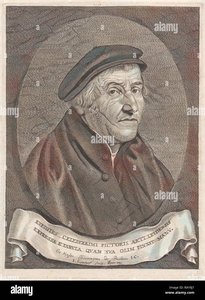
aertgen claesz van leyden
1498 - 1564 , Netherlands
Osnovne informacije
- Artistic Movement Or Style: Early Netherlandish
- Artists Or Movements Influenced By This Artist:
- Jan van Scorel
- Maarten van Heemskerck
- Artists Who Influenced This Artist: ['Cornelis Engebrechtsz']
- Date Of Birth: c. 1498
- Date Of Death: c. 1564
- Full Name: Aertgen Claesz van Leyden
- Nationality: Dutch
- Notable Artworks:
- The Raising of Lazarus
- St Jerome
- Place Of Birth: Leiden, Netherlands
Povezani članci

Giclée Prints: Archival Quality & Aesthetic Nuances for the Discerning Collector
Explore the world of giclée prints with ArtsDot. Learn about archival quality, aesthetic nuances & investment potential. Expert guidance for discerning art collectors seeking museum-quality reproductions and lasting value.

The Enduring Legacy of Fine Art Prints: Technique, History & Aesthetic Impact
Explore the rich history & techniques of fine art prints. Discover investment potential, assess authenticity, and learn how to preserve your collection with expert guidance. Trusted insights for discerning collectors.

Oil on Canvas: A Historical & Technical Exploration of a Timeless Artistic Medium
Explore the rich history & enduring techniques of oil painting on canvas. Discover the science behind its longevity, conservation practices, and contemporary relevance. Expert insights for art enthusiasts.

Echoes of Time: Exploring the Enduring Appeal & Historical Context of Vintage Art Prints
Explore the captivating world of vintage art prints! Discover their history, collecting tips & enduring appeal. Expert insights on chromolithography and building a legacy collection with ArtsDot.

The Enduring Legacy of Oil on Canvas: Technique, History & Aesthetic Impact
Explore the rich history & techniques of oil painting – from Renaissance masters to Impressionism. Discover pigments, layering methods, and why this timeless medium endures. Expert insights for artists & art enthusiasts.