

 Pregledaj u prostoru
 Pošalji
 Podeli
 Detalji o delu

 Преузми
 Slični predmeti
 Rendgenski snimak
 Slajdovi
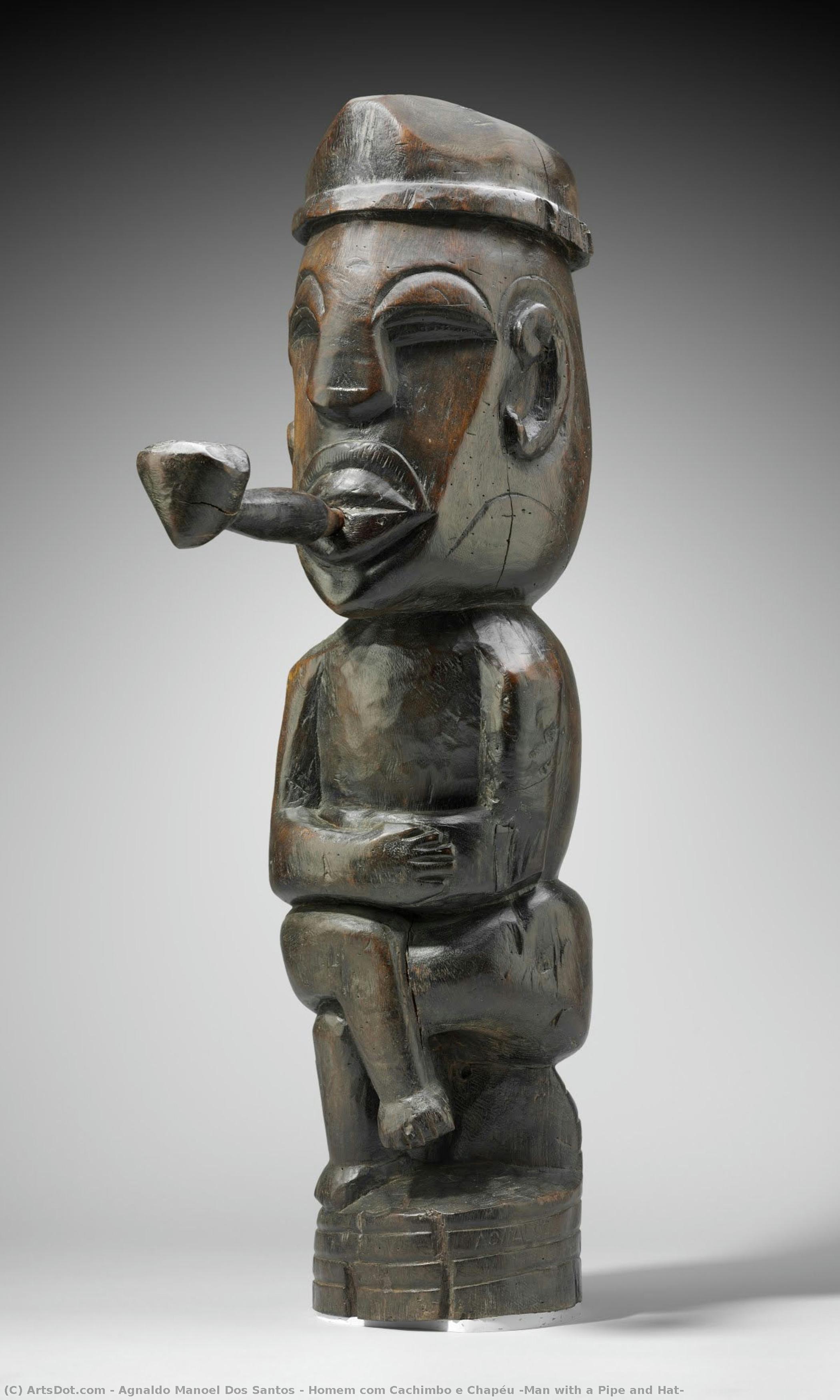
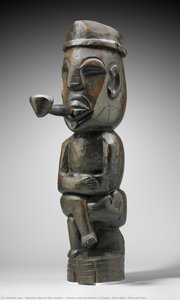
Homem com Cachimbo e Chapéu (Man with a Pipe and Hat)


 Pročitaj više
Ručno rađena uljana reprodukcija
Ručno oslikano uljanim bojama na platnu u dimenzijama i okviru po vašem izboru, izrađeno po porudžbini od strane naših umetnika. ( Kupi print Kupi digitalnu sliku)




































Izaberite jednu od naših unapred definisanih veličina koje odgovaraju originalnim proporcijama umetničkog dela.

Можете унети сопствене димензије како бисте прилагодили дело одређеном оквиру или простору. Ако одабрана величина не одговара пропорцијама оригинала, слика ће бити исечена или проширена додатним елементима који се ручно насликавају. Дигитални prikaz ће вам бити послат на одобрење пре почетка производње.
Имајте на уму да преглед на екрану не одражава стварно исецање или проширење. Само приказ (mockup) ће тачно приказати коначну композицију.
Иако су доступне прилагођене величине, препоручујемо да одаберете димензију из дефинисане листе како бисте сачували оригиналне пропорције.
Nakon narudžbine, tim ArtsDot.com će klijentu putem e-pošte poslati uputstva i dostaviti prikaz predloženog rešenja
Isporuka širom sveta () za 3/4 nedelje umesto uobičajenih 5 nedelja. (23 август). Bez kompromisa po pitanju kvaliteta.

Besplatna ekspresna dostava širom sveta

Visokokvalitetno laneno platno

Kompletno osiguranje transporta

Garancija povraćaja carine i uvoznih dažbina

Garancija vernosti boja

Politika povrata u roku od 60 dana (samo u slučaju nedostataka)

Garancija povrata novca od 100%

Popust pri grupnoj kupovini
 Opcija sa staklom dostupna je samo za dimenzije manje od 110 cm

Homem com Cachimbo e Chapéu (Man with a Pipe and Hat)
Tehnika reprodukcije
Dimenzije reprodukcije
-


Konačna cena
$ 263
Srodna umetnička dela
Biografija umetnika
A Life Carved in Wood: The Story of Agnaldo Manoel dos Santos
Agnaldo Manoel dos Santos, born on the idyllic island of Itaparica, Bahia, Brazil, in 1926, emerged as a profoundly original voice within Brazilian sculpture. His life, though tragically cut short in 1962, left an indelible mark on the nation’s artistic landscape. He wasn't formally trained in the traditional sense; his education was rooted in the rich cultural soil of Bahia – a place where African heritage intertwined with Catholicism and everyday life to create a unique aesthetic sensibility. Initially working as a studio assistant for Mário Cravo Neto, he quickly demonstrated an innate talent for woodworking, moving beyond mere assistance to forge his own distinct path. This early exposure provided a crucial foundation, but it was Santos’s deep connection to the folklore, religious beliefs, and lived experiences of his community that truly fueled his artistic vision. His biography is often described as having gaps, yet within those silences lies the power of an artist deeply embedded in a world he didn't need academic validation to understand.The Language of Form: Influences and Development
Santos’s sculptures are not easily categorized. They resist simple labels like “primitive” or “folk art,” though they certainly draw upon these traditions. His work is best understood as a synthesis – a powerful distillation of Brazilian popular culture, African iconography, and a distinctly modern sensibility. The *carrancas*, the carved boat figureheads used in the São Francisco River region to ward off evil spirits, were a significant influence, evident in their bold forms and protective symbolism. Catholic imagery, particularly ex-votos – small devotional offerings left as thanks for prayers answered – also permeated his work, though he transformed these familiar motifs into something entirely new. He wasn’t simply replicating these objects; he was reinterpreting them through a contemporary lens, stripping away extraneous detail to reveal the essential emotional and spiritual core. This process of reduction, or subtractive carving, became a hallmark of his style. He began exhibiting in the mid-1950s, quickly gaining recognition for his unique approach. His first solo show in Rio de Janeiro in 1956 brought him wider attention, attracting critics, dealers and collectors who were captivated by the raw power and originality of his work.Themes of Faith, Identity, and the Brazilian Spirit
The themes explored in Santos’s sculptures are deeply rooted in the Brazilian experience. He often depicted figures from everyday life – men with pipes, women carrying burdens, children at play – elevating these ordinary subjects to a level of dignity and significance. His work is imbued with a sense of spirituality, but it's not necessarily tied to any specific religious dogma. Rather, it reflects a broader reverence for the human spirit and the power of belief. His sculptures are often described as embodying a uniquely “Brazilian” identity, reflecting the country’s complex history and cultural diversity. Clarival do Prado Valladares, a pioneering historian of Brazilian art, emphasized this aspect of Santos's work, highlighting his ability to synthesize different racial influences into a cohesive artistic vision. Santos wasn’t interested in creating idealized representations; he sought to capture the essence of his subjects – their strength, resilience, and humanity.Major Achievements and Recognition
Despite his premature death at the age of 36, Agnaldo Manoel dos Santos achieved significant recognition during his lifetime. He participated in the 4th São Paulo Biennial in 1957, winning the sculpture prize – a testament to the growing appreciation for his work within the art world. Posthumously, his sculptures were featured in the First World Festival of Black Arts in Dakar, where he again received acclaim and represented Brazil alongside other important artists like Heitor dos Prazeres and Rubem Valentim. His retrospective exhibition at the Pinacoteca de São Paulo in 1993, curated by Emanoel Araújo, helped to solidify his place as a major figure in Brazilian art history. The exhibition showcased the breadth of his work and highlighted his enduring influence on subsequent generations of artists.A Lasting Legacy: Santos’s Place in Art History
Agnaldo Manoel dos Santos's legacy extends far beyond his sculptures themselves. He challenged conventional notions of what constituted “art” in Brazil, paving the way for a more inclusive and diverse artistic landscape. His work continues to resonate with audiences today, offering a powerful glimpse into the soul of Brazil. He demonstrated that true artistry doesn’t require formal training or academic validation; it emerges from a deep connection to one's culture, community, and lived experience.- His sculptures are celebrated for their raw power, emotional depth, and unique aesthetic sensibility.
- Santos is considered a pivotal figure in the construction of a history of art of northeastern Brazil.
- He remains an inspiration to artists seeking to explore themes of identity, spirituality, and cultural heritage.
agnaldo manoel dos santos
1926 - 1962 , Brazil
Osnovne informacije
- Artistic Movement Or Style: Wood sculpture, Popular art
- Artists Who Influenced This Artist: ['Mario Cravo Júnior']
- Date Of Birth: 1926
- Date Of Death: 1962
- Full Name: Agnaldo Manoel dos Santos
- Nationality: Brazilian
- Notable Artworks: ['Homem com Cachimbo e Chapéu']
- Place Of Birth: Ilha de Itaparica, Brazil
Povezani članci

Bronze Sculptures That Defined Art History | ArtsDot
Journey through art history with our Top 10 bronze sculptures! Explore masterpieces by Rodin, Michelangelo & more. Discover stories behind iconic statues and find museum-quality reproductions for your home decor at ArtsDot.com.

The Enduring Form: Exploring Themes & Techniques in Sculpture Across Historical Periods
Explore the rich history of sculpture from ancient masterpieces to contemporary innovations. Discover key techniques, influential artists & investment potential for discerning art collectors.
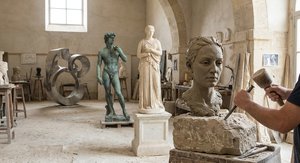
The Enduring Form: Sculpture Across History, Technique & Emotional Resonance
Explore the rich history of sculpture with ArtsDot. Discover key techniques, influential artists & investment potential for discerning collectors. Expert insights into valuing and collecting timeless masterpieces.

Bronze Age to Modern Masters: 10 Sculptures That Redefined Art | ArtsDot
Journey through art history with 10 legendary bronze sculptures – from Michelangelo's David to Rodin’s Thinker. Explore the stories, techniques & timeless beauty of these masterpieces. Find museum-quality reproductions & elevate your home decor on ArtsDot.com.
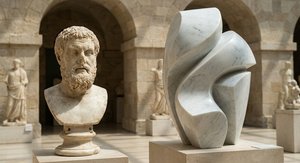
The Enduring Allure of Marble in Art History: From Classical Sculpture to Modern Abstraction
Explore the captivating history of marble sculpture from ancient Greece to modern art. Discover renowned artists like Canova & Michelangelo, carving techniques, and investment insights at ArtsDot.

