

 Pregledaj u prostoru
 Pošalji
 Podeli
 Detalji o delu

 Преузми
 Slični predmeti
 Rendgenski snimak
 Slajdovi
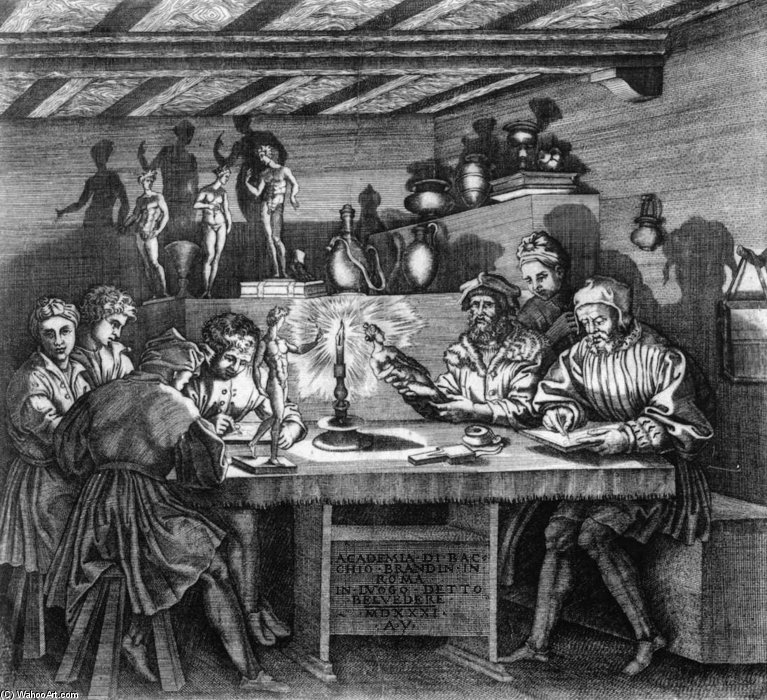
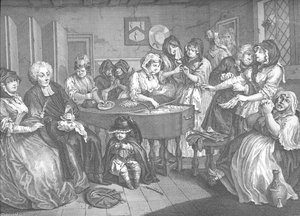
The Academy Of Baccio Bandinelli In Rome
 Pročitaj više
Giclee štampa / Umetnički otisak
Giclée štampa ili print na platnu muzejskog kvaliteta uz brzu proizvodnju i fleksibilne opcije završne obrade. ( Kupi ručno naslikanu sliku Kupi digitalnu sliku)




































Izaberite jednu od naših unapred definisanih veličina koje odgovaraju originalnim proporcijama umetničkog dela.

Možete uneti sopstvene dimenzije kako biste umetničko delo prilagodili specifičnom okviru ili prostoru. Ako odabrani format ne odgovara proporcijama originalne slike, mi ćemo ili iscrtati deo dela ili proširiti sliku pomoću ogledane ivice ili jednobojnog popunjavanja. Digitalni prikaz će vam biti poslat na odobrenje pre početka proizvodnje.
Imajte na umu da pregled na ekranu ne odražava stvarno iscrtavanje ili proširivanje. Samo će prikaz (mockup) precizno pokazati finalnu kompoziciju.
Iako su prilagođene dimenzije dostupne, preporučujemo da odaberete dimenziju sa unapred definisane liste kako biste očuvali originalne proporcije.
Dostava širom sveta () za 2 nedelje umesto uobičajenih 4/5 nedelja. (1 септембар)

Besplatna ekspresna dostava širom sveta

Visokokvalitetno laneno platno

Kompletno osiguranje transporta

Garancija povraćaja carine i uvoznih dažbina

Garancija vernosti boja

Politika povrata u roku od 60 dana (samo u slučaju nedostataka)

Garancija povrata novca od 100%

Popust pri grupnoj kupovini
 Opcija sa staklom dostupna je samo za dimenzije manje od 110 cm

The Academy Of Baccio Bandinelli In Rome
Giclee štampa / Umetnički otisak
Dimenzije reprodukcije
-


Konačna cena
$ 62
Srodna umetnička dela

Biografija umetnika
Agostino dei Musi (c.1490-1536): Venetian Mannerist Master of Printmaking
Agostino dei Musi, born around 1490 in Venice, stands as a pivotal figure within the burgeoning Renaissance printmaking tradition—a testament to artistic innovation and stylistic convergence during a transformative period in European art history. While biographical details remain scarce, his legacy rests firmly on his prolific output of engravings, primarily influenced by the groundbreaking work of Albrecht Dürer and Giulio Campagnola, cementing his place as one of Venice’s most celebrated artists of his time.- Early Training & Apprenticeship: Precise information regarding Musi's formative years is elusive, yet he honed his skills under the tutelage of Giulio Campagnola, a renowned engraver whose workshop served as a crucible for stylistic experimentation and technical mastery. This mentorship instilled in Musi a deep appreciation for Roman artistic ideals—particularly the grandeur and precision of Dürer’s prints—which would permeate throughout his oeuvre.
- Florence & Artistic Exploration: Around 1515-16, Musi traveled to Florence, immersing himself in the intellectual ferment of the Florentine Renaissance. Exposure to Michelangelo's monumental sculptures and frescoes undoubtedly broadened his artistic horizons, fostering a fascination with dramatic composition and expressive gesture—elements that would become hallmarks of his engravings.
- Rome & Collaboration with Raimondi: Musi’s relocation to Rome in 1514 marked the beginning of a fruitful partnership with Marc Antoine Raimondi, arguably Venice's most influential printmaker. Together they established a workshop that became a hub for artistic innovation and produced prints reflecting the stylistic currents of Mannerism—characterized by elongated figures, distorted perspectives, and theatrical lighting.
A Style Defined: Mannerist Influence & Venetian Tradition
Musi’s engravings are distinguished by their meticulous attention to detail and a masterful command of line engraving technique. Unlike the idealized beauty favored by earlier Renaissance artists, Musi embraced Mannerist aesthetics—rejecting harmonious proportions in favor of unsettling distortions that conveyed psychological complexity and emotional intensity. His prints frequently depict mythological subjects with dramatic flair, mirroring the theatrical conventions of Venetian opera and capturing the spirit of the era.Notable Prints & Artistic Achievements
Musi’s artistic output spanned a remarkable range of themes—from biblical narratives to classical mythology to portraits—demonstrating his versatility as an engraver. Among his most celebrated works are ‘Hercules,’ a monumental depiction of the hero's labors imbued with dynamism and grandeur, and ‘The Climbers,’ which meticulously captures Michelangelo’s cartoon for Raphael’s ceiling fresco in the Vatican Stanze—a testament to Musi’s dedication to faithfully reproducing artistic masterpieces. His prints after Raphael and Giulio Romano exemplify his ability to distill complex visual ideas into striking engravings.Legacy & Historical Significance
Agostino dei Musi's contribution to printmaking history is undeniable. He stands as the sole major artist whose career coincided with the genesis of reproductive printmaking—a revolutionary innovation that fundamentally altered the dissemination of art and transformed artistic practice. His workshop’s success in preserving prints during the Sack of Rome underscores his foresight and resilience, ensuring that Musi's engravings continue to inspire admiration and scholarly study centuries later. He remains a cornerstone of Venetian Renaissance art, embodying the stylistic fusion of Roman grandeur and Mannerist drama—a legacy etched indelibly onto the annals of printmaking history.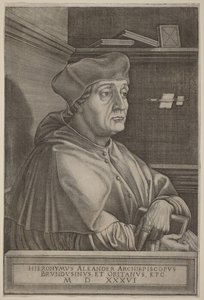
agostino dei musi
1490 - 1536 , Italy
Osnovne informacije
- Artistic Movement Or Style: Mannerist
- Artists Or Movements Influenced By This Artist: ['Michelangelo']
- Artists Who Influenced This Artist:
- Albrecht Dürer
- Giulio Campagnola
- Date Of Birth: Venice, Italy (c.1490)
- Date Of Death: c. 1536
- Full Name: Agostino dei Musi
- Nationality: Italian
- Notable Artworks: ['Hercules & The Climbers']
- Place Of Birth: Venice

