

 Pregledaj u prostoru
 Pošalji
 Podeli
 Detalji o delu

 Преузми
 Slični predmeti
 Rendgenski snimak
 Slajdovi
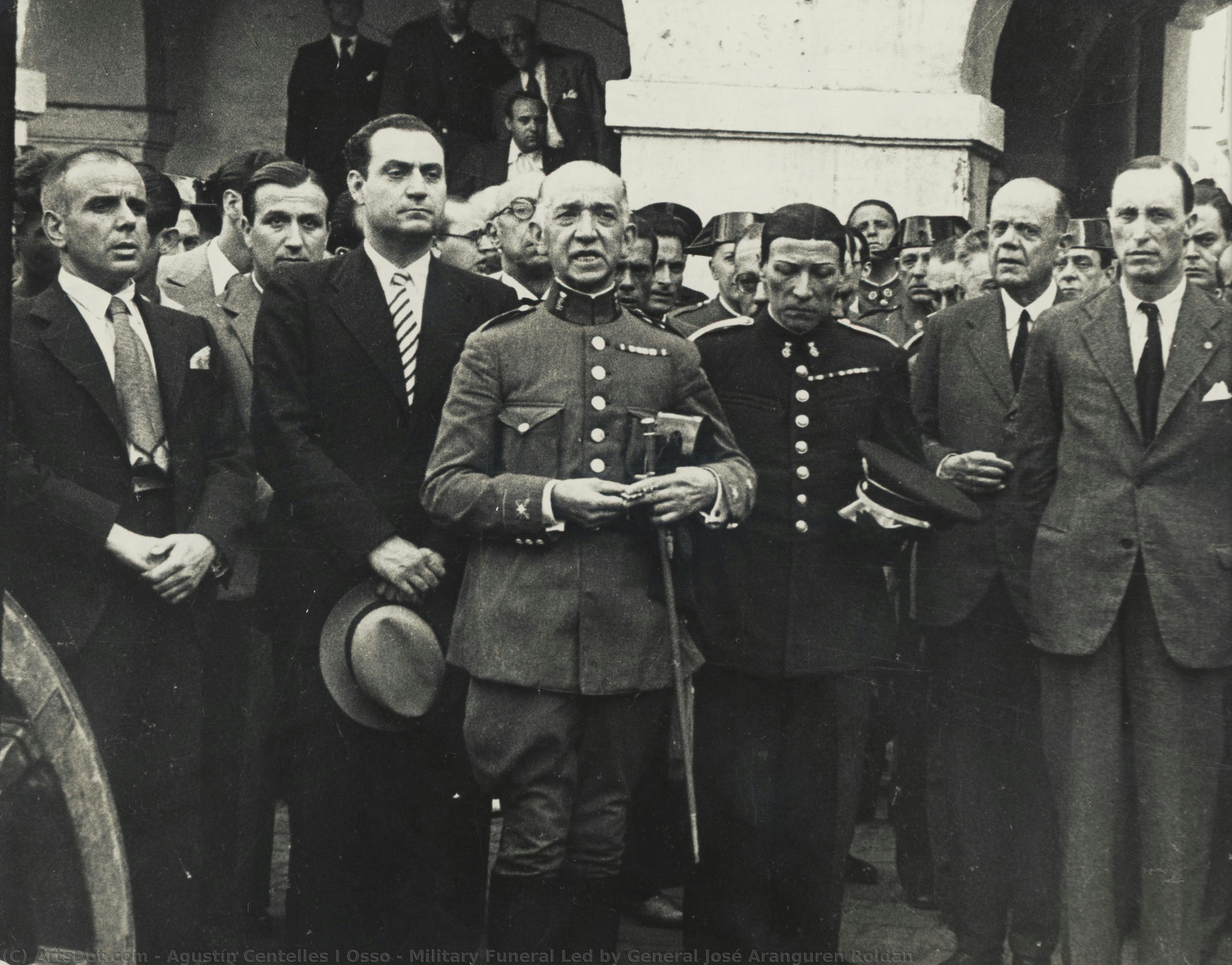
Military Funeral Led by General José Aranguren Roldán


 Pročitaj više
Kupite digitalnu sliku visoke rezolucije i poboljšanog kvaliteta, koja je znatno superiornija od onoga što vidite u online prikazu.
Svaka datoteka je pedantno pripremljena od strane naših stručnjaka koristeći napredne alate i profesionalnu ručnu retušu. Osiguravamo da svaka slika ima izuzetnu oštrinu, preciznu reprodukciju boja i fine detalje.
Konačna datoteka se dostavlja putem e-pošte u roku od 72 sata, optimizovana za neposrednu upotrebu u profesionalnim, izdavačkim i štamparskim okruženjima. To je isti kvalitet kojem veruju vrhunski studiji dizajna, izdavači i galerije.
Digitalna slika
Preuzmite datoteku visoke rezolucije za ličnu upotrebu, štampanje i kreativne projekte. ( Kupi print Kupi ručno naslikanu sliku)
Uključeno uz svaku porudžbinu digitalne slike
Profesionalna digitalna isporuka, zagarantovana
Kada odaberete ArtsDot.com, ne dobijate samo sliku – vi primate profesionalno unapređeno digitalno umetničko delo, izrađeno sa najvećom preciznošću i uz garanciju zadovoljstva. Evo svega što automatski dolazi uz vašu porudžbinu:

Brza dostava putem e-pošte
Vaša digitalna slika visoke rezolucije biće vam poslata putem e-pošte u roku od 72 sata od poručivanja – spremna za trenutnu upotrebu.

Digitalna datoteka unapređena veštačkom inteligencijom
Vaše umetničko delo je profesionalno optimizovano korišćenjem naprednih AI alata i ručne obrade, čime se osiguravaju maksimalni detalji, oštrina i preciznost boja.

Besplatna ponovna isporuka doživotno
Slučajno ste obrisali ili izgubili svoju datoteku? Ne brinite – poslaćemo vam je ponovo u bilo kom trenutku, potpuno besplatno.

Bez troškova uvoza – zauvek
Uživajte u svojim umetničkim delima trenutno, bez carine, dažbina ili troškova dostave – digitalni download je uvek bez poreza.

Garancija vernosti boja
Uz pomoć profesionalnih alata i upravljanja bojama, osiguravamo da vaša digitalna slika što vernije odražava originalne boje.

Garancija zadovoljstva u roku od 60 dana
Ako niste zadovoljni svojom digitalnom slikom, revidirat ćemo je ili vratiti 100% novca u roku od 60 dana – bez ikakvih pitanja.

100% garancija povrata novca
Niste zadovoljni? Obezbedite pun povrat novca u roku od 60 dana od trenutka kada ste primili svoju digitalnu datoteku – bez suvišnih pitanja.

Popusti na velike porudžbine
Kupite 3 slike, uštedite 10% - Kupite 5 slika, uštedite 15% - Kupite 10+ slika, uštedite 20%. Odlično za kreativne projekte, galerije i agencije.
Srodna umetnička dela









Biografija umetnika
A Pioneer of Witness: The Life and Legacy of Agustín Centelles
Agustín Centelles i Ossó, born in Valencia, Spain, in 1909, emerged as a pivotal figure in the nascent field of European photojournalism—a chronicler whose lens captured not merely images, but the raw, unvarnished truth of a nation fractured by conflict and exile. Often hailed as “the Spanish Robert Capa,” this comparison speaks to Centelles’s direct, unflinching style and his dedication to documenting life on the front lines, yet it only begins to scratch the surface of a career marked by both artistic brilliance and profound human empathy. His early life saw a relocation to Barcelona with his family, where he embarked upon an apprenticeship in 1924 at Ramón de Baños’s photographic studio, laying the foundation for his technical mastery in portraiture. This formal training was soon complemented by a growing fascination with the possibilities of the miniature Leica camera—a revolutionary tool that allowed him unprecedented mobility and immediacy in capturing unfolding events.The Spanish Civil War: A Visual Testament
Centelles's name is inextricably linked to the Spanish Civil War (1936-1939). As one of the first photojournalists on the scene following the fascist uprising, he relentlessly pursued the story, eschewing the cumbersome equipment of his contemporaries for the agility afforded by his Leica. He wasn’t simply *reporting* the war; he was immersed in it, documenting the formation of militias, the arduous journeys to the front lines, and the brutal realities of battles like Teruel. In 1937, Centelles assumed a critical role as head of the Photographic Services Unit of the Eastern Army, later commissioned by the Department for Information, working alongside figures like Jaume Miravitlles, Salvador Pujol, and Pere Català i Roca. His photographs from this period are not grand narratives of heroism or political ideology; they are intimate glimpses into the lives of ordinary people caught in extraordinary circumstances—a mother’s grief, a soldier’s exhaustion, the quiet determination of those defending their ideals. This commitment to portraying the human cost of conflict set his work apart and established him as a uniquely powerful voice during this tumultuous era.Exile and Endurance: Documenting Life Within the Camps
The fall of Barcelona in 1939 forced Centelles into exile, a fate shared by countless Republicans fleeing Franco’s regime. This displacement did not halt his photographic endeavors; instead, it led him to document another harrowing chapter of human suffering—life within the French internment camps at Argelès-sur-Mer and Bram. These photographs are perhaps among his most poignant work, revealing the squalor, desperation, and resilience of refugees stripped of their homes and dignity. Within these confines, Centelles, alongside Salvador Pujol, secretly established a clandestine photographic laboratory, preserving images that would otherwise have been lost to history. He slept with his suitcase containing the negatives clutched close, safeguarding not just his work but also the stories of those he photographed. This act of preservation speaks volumes about his unwavering commitment to bearing witness and ensuring that these experiences were not forgotten.Rediscovery and Lasting Impact
For decades following the war, Centelles’s work remained largely hidden from public view, a casualty of political repression and exile. It wasn't until 1976, when his sons unearthed a cache of over 4,000 negatives concealed in Carcassonne, that his legacy began to be fully recognized. The subsequent exhibition *Imatges d’un reporter* (Images of a Reporter) in 1978 marked a turning point, bringing his powerful photographs to a wider audience and solidifying his place as a pioneer of modern photojournalism. The eventual sale of his archive to the Spanish Ministry of Culture in 2009—despite competing offers from other institutions—ensured that his work would be preserved for future generations. Today, Centelles’s images serve as a vital historical record, offering invaluable insights into the complexities of the Spanish Civil War and the human consequences of political conflict. His influence extends beyond the realm of photography; he remains an enduring symbol of courage, empathy, and the power of visual storytelling to shape our understanding of the past.- Key Influences: Ramón de Baños (early training), Josep Badosa (artistic development), Robert Capa (comparative figure in photojournalism).
- Major Achievements: Pioneering Spanish photojournalism, documenting the Spanish Civil War and French internment camps, establishing a clandestine photographic laboratory during exile.
- Historical Significance: Centelles’s work provides an invaluable visual record of a pivotal period in Spanish history, offering insights into the human cost of conflict and the resilience of those affected by political upheaval. His photographs continue to be studied and exhibited worldwide, serving as a powerful reminder of the importance of bearing witness.
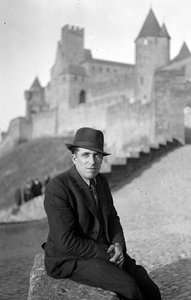
agustín centelles i osso
1909 - 1985 , Spain
Kratke činjenice
- Artistic Movement Or Style: Photojournalism
- Date Of Birth: 1909
- Date Of Death: 1985
- Full Name: Agustín Centelles i Ossó
- Nationality: Spanish
- Notable Artworks:
- Images of Spanish Civil War
- French internment camps photos
- Place Of Birth: Valencia, Spain

