

 Pregledaj u prostoru
 Pošalji
 Podeli
 Detalji o delu

 Преузми
 Slični predmeti
 Rendgenski snimak
 Slajdovi
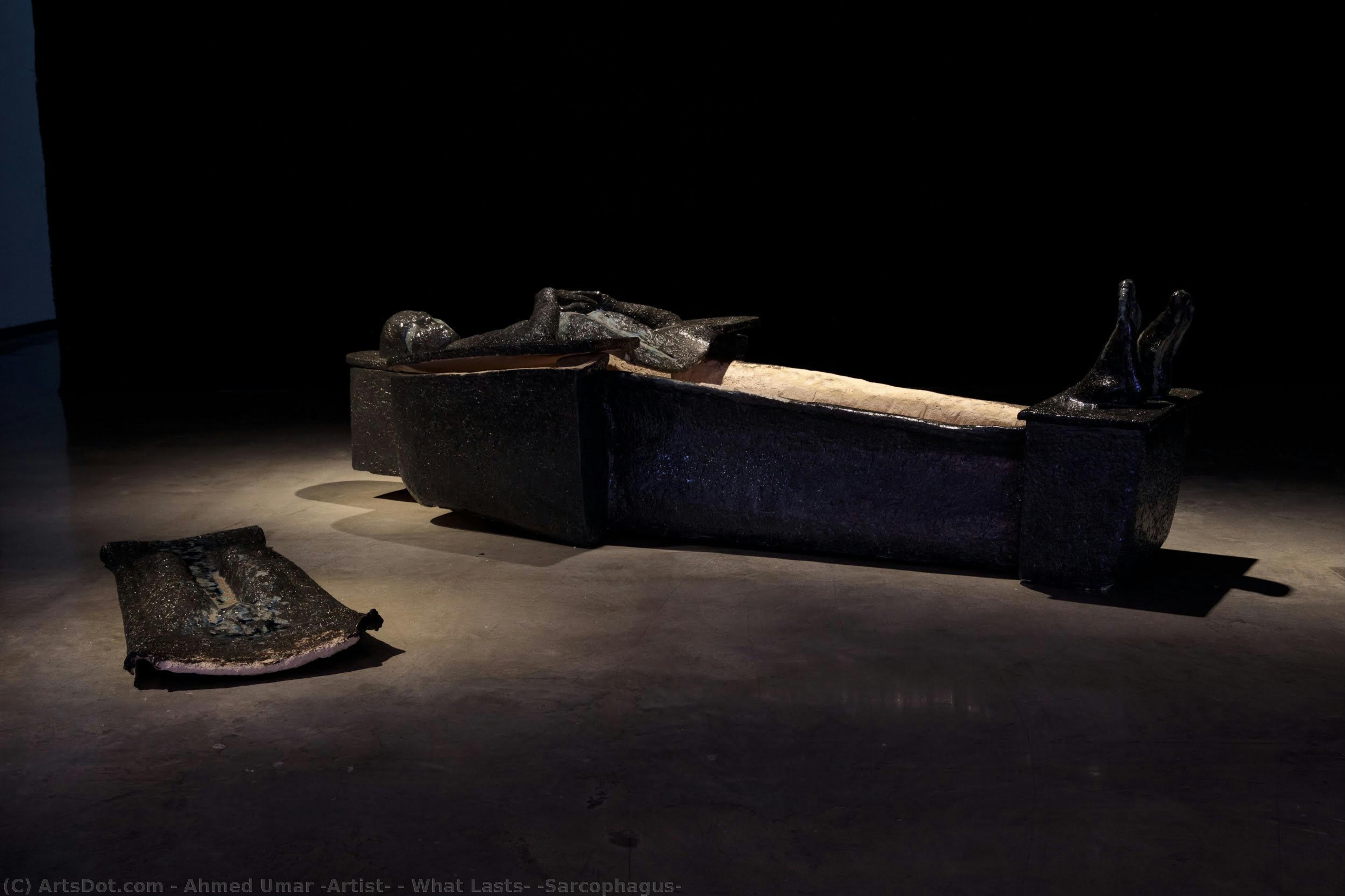
What Lasts! (Sarcophagus)
 2016
2016 85.0 x 200.0 cm
 Biennale of Sydney
 Pročitaj više
Giclee štampa / Umetnički otisak
Giclée štampa ili print na platnu muzejskog kvaliteta uz brzu proizvodnju i fleksibilne opcije završne obrade. ( Kupi ručno naslikanu sliku Kupi digitalnu sliku)




































Izaberite jednu od naših unapred definisanih veličina koje odgovaraju originalnim proporcijama umetničkog dela.

Možete uneti sopstvene dimenzije kako biste umetničko delo prilagodili specifičnom okviru ili prostoru. Ako odabrani format ne odgovara proporcijama originalne slike, mi ćemo ili iscrtati deo dela ili proširiti sliku pomoću ogledane ivice ili jednobojnog popunjavanja. Digitalni prikaz će vam biti poslat na odobrenje pre početka proizvodnje.
Imajte na umu da pregled na ekranu ne odražava stvarno iscrtavanje ili proširivanje. Samo će prikaz (mockup) precizno pokazati finalnu kompoziciju.
Iako su prilagođene dimenzije dostupne, preporučujemo da odaberete dimenziju sa unapred definisane liste kako biste očuvali originalne proporcije.
Dostava širom sveta () za 2 nedelje umesto uobičajenih 4/5 nedelja. (7 септембар)

Besplatna ekspresna dostava širom sveta

Visokokvalitetno laneno platno

Kompletno osiguranje transporta

Garancija povraćaja carine i uvoznih dažbina

Garancija vernosti boja

Politika povraćaja u roku od 100 dana (isključivo u slučaju nedostataka)

Garancija povrata novca od 100%

Popust pri grupnoj kupovini
 Opcija sa staklom dostupna je samo za dimenzije manje od 110 cm

What Lasts! (Sarcophagus)
Giclee štampa / Umetnički otisak
Dimenzije reprodukcije
-


Konačna cena
$ 62
Srodna umetnička dela







Biografija umetnika
The Soul of a Nomad: Between Khartoum and Norway
Ahmed Umar’s artistic journey is a profound meditation on the concept of belonging, woven from the threads of displacement, exile, and the search for a stable identity. Born in 1988 in Khartoum, Sudan, his early life was shaped by a complex duality, moving between the cultural landscapes of Sudan and the strict spiritual atmosphere of Mecca, Saudi Arabia. This upbringing, marked by the tension between the fluid traditions of Sudanese Sufism and the rigorous doctrines of Wahhabism, instilled in him a lifelong preoccupation with the boundaries of faith, gender, and social norms. When the realities of political instability led to his relocation to Norway, Umar did not merely leave behind a homeland; he entered a transformative period of exile that would become the crucible for his creative vision. His work serves as a bridge between these disparate worlds, translating the visceral experience of being a refugee into a universal language of resilience and cultural negotiation.
The Geometry of Memory and Ancient Echoes
In his visual practice, Umar masterfully synthesizes the aesthetics of Western modernism with the rich, storied iconography of his African heritage. He draws deep inspiration from the Black Pharaohs of the ancient kingdom of Kush, utilizing their historical grandeur to anchor contemporary struggles for recognition. His style is a striking fusion where the structured, geometric precision of Constructivism meets the intricate, organic patterns of Sudanese textiles and decorative arts. This dialogue between form and tradition allows him to explore themes that are both deeply personal and historically resonant. One of his most poignant explorations can be found in his sculptural work, such as What Lasts! (Sarcophagus). In this piece, the ceramic vessel becomes more than a funerary object; it is a site of protest and a celebration of existence. By creating a sarcophagus that reflects his own body in a state of peaceful prayer, he confronts the historical and contemporary erasure of queer lives, turning a symbol of death into an assertion of eternal presence.
- Identity and Intersectionality: Navigating the complex overlaps of ethnicity, religion, and sexuality.
- Cultural Reclamation: Using Sudanese motifs to reassert the importance of African history in a globalized art context.
- The Aesthetics of Displacement: Transforming the trauma of exile into a powerful medium for social activism.
Reclaiming the Narrative on the Global Stage
As his career has progressed, Umar has moved from the periphery to the very center of the contemporary art discourse. His presence at prestigious institutions, such as the Munch Museum in Oslo and the La Biennale di Venezia, marks a significant achievement in bringing Sudanese narratives to the forefront of the international stage. His performance-based works, notably Talitin, The Third, demonstrate his ability to use the body as a canvas for political and social reclamation. In this piece, he takes an insult once used to marginalize him—referring to those who do not conform to traditional masculine roles—and transforms it into a celebratory performance of Sudanese bridal dance. Through the use of wearable art, fabrics, and braids, he reclaims the very practices that were once used to exclude him. Ultimately, Ahmed Umar’s significance lies in his ability to turn the pain of being "othered" into a vibrant, unyielding celebration of human complexity, ensuring that the stories of the marginalized are not just heard, but indelibly etched into the fabric of art history.

ahmed umar (artist)
1988 - , Sudan
Osnovne informacije
- Artistic Movement Or Style: Abstract Art & Constructivism
- Artists Or Movements Influenced By This Artist: ['Abstract Art']
- Artists Who Influenced This Artist: ['Edvard Munch']
- Date Of Birth: 1988
- Full Name: Ahmed Umar
- Nationality: Sudanese-Norwegian
- Notable Artworks:
- What Lasts!
- Separation
- Place Of Birth: Khartoum, Sudan