

 Pregledaj u prostoru
 Pošalji
 Podeli
 Detalji o delu

 Преузми
 Slični predmeti
 Rendgenski snimak
 Slajdovi
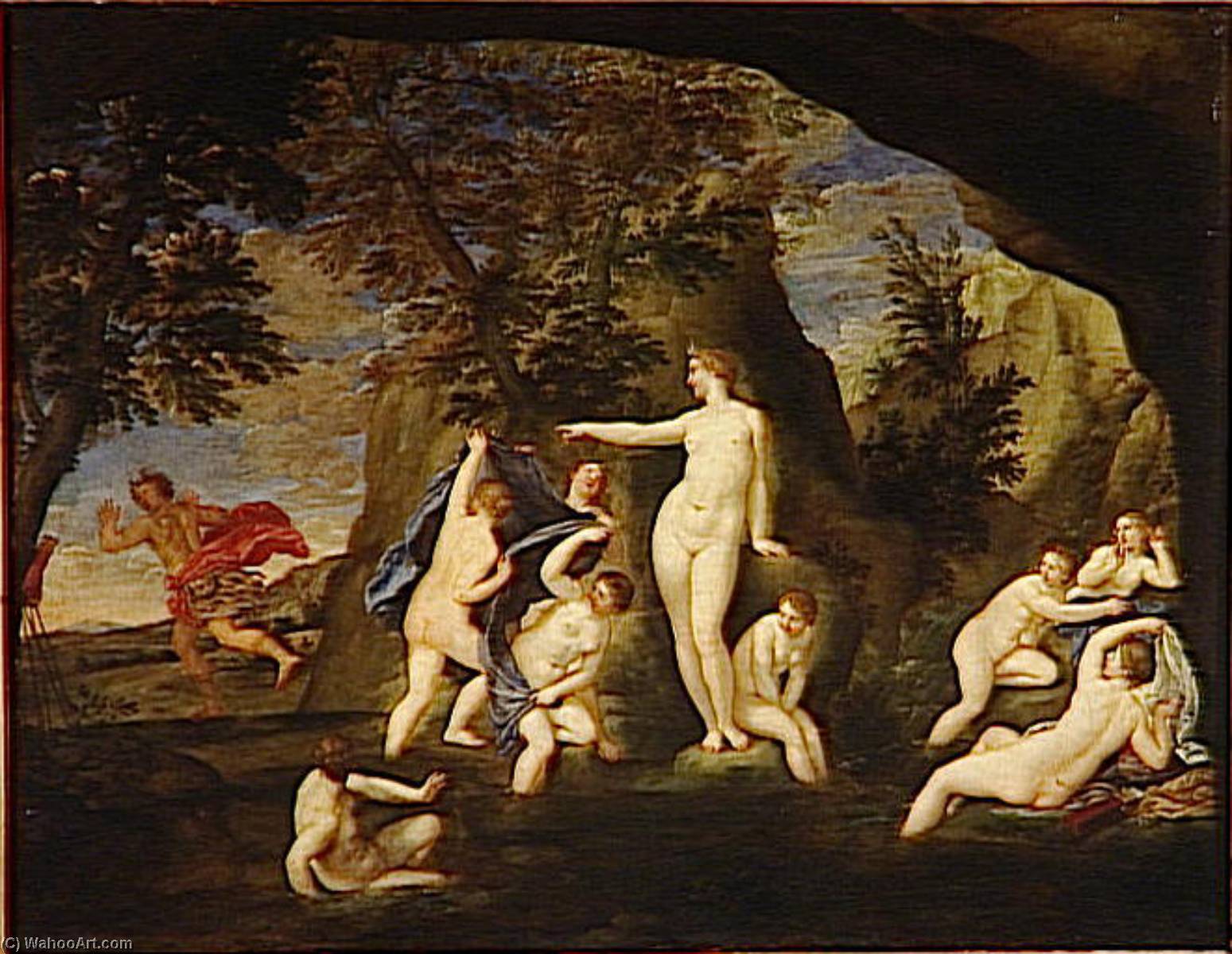
ACTEON METAMORPHOSE EN CERF


 Pročitaj više
Ručno rađena uljana reprodukcija
Ručno oslikano uljanim bojama na platnu u dimenzijama i okviru po vašem izboru, izrađeno po porudžbini od strane naših umetnika. ( Kupi print Kupi digitalnu sliku)




P118B $10

P118H $10

P118W $10

P438Z $10

P508JH $12

P508YH $12

P805H $10

P805Z $10

P919BZ $10

P919G $10

P919XJ $10

P959ZH $10

P968JZ $12

W106C $8

W218G $10

W218JH $8

W218Y $10

W307PJ $10

W316G $10

W316PJ $8

W316Y $10

W398PJ $8

W4111J $10

W500HY $15

W500JH $15

W692G $12

W849H $8

W940BG $15

W953PJ $8




Izaberite jednu od naših unapred definisanih veličina koje odgovaraju originalnim proporcijama umetničkog dela.

Можете унети сопствене димензије како бисте прилагодили дело одређеном оквиру или простору. Ако одабрана величина не одговара пропорцијама оригинала, слика ће бити исечена или проширена додатним елементима који се ручно насликавају. Дигитални prikaz ће вам бити послат на одобрење пре почетка производње.
Имајте на уму да преглед на екрану не одражава стварно исецање или проширење. Само приказ (mockup) ће тачно приказати коначну композицију.
Иако су доступне прилагођене величине, препоручујемо да одаберете димензију из дефинисане листе како бисте сачували оригиналне пропорције.
Nakon narudžbine, tim ArtsDot.com će klijentu putem e-pošte poslati uputstva i dostaviti prikaz predloženog rešenja
Isporuka širom sveta () za 3/4 nedelje umesto uobičajenih 5 nedelja. (22 август). Bez kompromisa po pitanju kvaliteta.

Besplatna ekspresna dostava širom sveta

Visokokvalitetno laneno platno

Kompletno osiguranje transporta

Garancija povraćaja carine i uvoznih dažbina

Garancija vernosti boja

Politika povrata u roku od 60 dana (samo u slučaju nedostataka)

Garancija povrata novca od 100%

Popust pri grupnoj kupovini
 Opcija sa staklom dostupna je samo za dimenzije manje od 110 cm

ACTEON METAMORPHOSE EN CERF
Tehnika reprodukcije
Dimenzije reprodukcije
-


Konačna cena
$ 438
Opis umetničkog dela
A Dramatic Transformation: Francesco Albani’s “Actéon Métamorphosé en Cerf”
Francesco Albani's "Actéon Métamorphosé en Cerf" (Actaeon Transformed into a Stag), painted around 1640, is more than just a depiction of a classical myth; it’s a potent visual poem exploring themes of divine retribution, the transgression of boundaries, and the poignant beauty of transformation. The painting, now housed within the Louvre's collection in Salle 716, immediately commands attention with its dynamic composition and masterful use of chiaroscuro – the dramatic interplay of light and shadow that defines Baroque artistry. Albani, a key figure in the Bolognese school of painting, expertly blends elements of classical idealism with the heightened emotionalism characteristic of his era, creating an artwork brimming with narrative force and subtle psychological depth.
The scene unfolds within a densely wooded landscape, rendered not as a realistic wilderness but rather as a carefully constructed stage for this pivotal moment. At the heart of the composition stands Actaeon, the hunter who, in a moment of impulsive curiosity, glimpsed Diana (Artemis) bathing in a sacred grove. As punishment for his transgression – a violation of the sacred space and an unwelcome intrusion into the goddess’s privacy – he is transformed into a stag, destined to be hunted and killed by his own hounds. The figures surrounding him—Nymphs, Diana herself radiating authority and sorrow, and the horrified hounds—are arranged with a deliberate asymmetry that mirrors the chaotic nature of the event itself. Albani doesn't shy away from depicting the raw emotion of the moment; Actaeon’s expression is one of bewildered terror, while Diana’s gesture – a pointed finger directed towards the stag – conveys both judgment and a profound sense of loss.
Baroque Drama and Technical Mastery
Albani's technical skill is immediately evident in the painting’s rich textures and vibrant colors. He employs oil paints on canvas with remarkable precision, layering brushstrokes to create a palpable sense of volume and depth. The drapery of the figures flows with an almost liquid quality, while the foliage bursts forth with intricate detail. Crucially, Albani masterfully utilizes *chiaroscuro*, employing strong contrasts between light and shadow to sculpt the forms and heighten the drama. Light dramatically illuminates Actaeon’s transformed body, emphasizing his vulnerability and highlighting the horror of his fate. The darker tones surrounding him create a sense of foreboding and underscore the severity of the punishment.
The painting's composition is further enhanced by Albani’s skillful use of perspective. While not strictly adhering to linear perspective, he creates an illusion of depth through the layering of figures and the strategic placement of elements in the background. The rock formation on the right side acts as a visual anchor, drawing the eye towards Actaeon's plight while simultaneously contributing to the overall sense of drama. Albani’s attention to detail extends beyond mere representation; he imbues the scene with a palpable atmosphere of tension and impending doom.
Symbolism and Mythological Resonance
“Actéon Métamorphosé en Cerf” is deeply rooted in classical mythology, drawing upon a well-established narrative from Ovid’s *Metamorphoses*. The story serves as an allegory for the dangers of unchecked curiosity and the consequences of violating sacred boundaries. Diana represents divine authority and the sanctity of nature, while Actaeon embodies human fallibility and the potential for transgression. The stag itself becomes a potent symbol of transformation – a creature both familiar and alien, representing the irreversible change brought about by divine punishment.
Beyond its mythological framework, the painting resonates with broader themes of loss, regret, and the acceptance of fate. Actaeon’s transformation is not merely a physical one; it represents a profound psychological shift – a descent into animalistic instinct and a permanent separation from his former human existence. The overall mood is melancholic, reflecting the tragic consequences of a single, impulsive act. Albani's ability to convey such complex emotions through a relatively simple narrative underscores the enduring power of classical mythology.
A Timeless Masterpiece for Collectors and Designers
“Actéon Métamorphosé en Cerf” remains a captivating work of art centuries after its creation, offering a glimpse into the artistic sensibilities of the Baroque period. Its dramatic composition, masterful technique, and profound symbolism continue to resonate with viewers today. Reproductions of this iconic painting are highly sought after by collectors and interior designers alike, who appreciate its ability to infuse any space with a sense of grandeur, drama, and timeless beauty. The painting’s rich colors and evocative imagery make it an ideal choice for creating sophisticated and emotionally resonant environments.
Srodna umetnička dela
Biografija umetnika
Francesco Albani, poznat i kao L'Albane, bio je istaknuti italijanski slikar rođen 1578. godine, čiji je umetnički rad trajao sve do njegove smrti 1660. godine. On je predstavljao ključnu figuru u razvoju baroknog slikarstva u Italiji, sa posebnim značajem u Rimu.
Rano detinjstvo i edukacija
Francesco Albani je rođen u Bolonji, u srcu Italije, u porodici koja je umetnost imala u svojoj krvi. Njegov otac, Daniele Albani, bio je slikar, dok je njegov ujak, Giovanni Paolo Cavagna, bio veoma cenjen umetnik. Prvi koraci u njegovom umetničkom putovanju dogodili su se u studiju Denzio Ferrarija, gde je savladao osnovne principe slikarstva. Kako je njegova umetnička duša sazrevala, preselio se u Rim kako bi pod stručnim vođstvom Guidobalda Gandolfija usavršio svoj talenat.Umetnička karijera
Albanijeva umetnička karijera bila je obeležena jedinstvenim stilom koji je na nesebičan način spojio elemente baroka i klasične umetnosti. Postao je poznat po svojim prelepim i nežnim prikazima mitoloških i biblijskom scena, gde svaka četkica priča priču o božanskom i ljudskom. Jedno od njegovih najslavnijih dela je Kupanje Venere, slika koja savršeno demonstrira njegovu sposobnost da uhvati samu suštinu lepote ljudskog oblika. Njegov bogat opus obuhvata i druga remek-dela kao što su:- Krštenje Hristovo, delo koje svedoči o njegovoj moći da prenese duboku emociju i dramu.
- Sveti Sebastijan, rad koji ističe njegovo majstorstvo u igri svetlosti i senke.
- Devica i dete sa Svetim Jovanom Krstiteljem, slika koja prikazuje njegovu veštinu u dočaravanju najsuptilnijih ljudskih izraza.
Uticaj i nasleđe
Uticaj koji je Albani ostavio na razvoj baroknog slikarstva u Italiji bio je neosporan. Bio je jedan od prvih umetnika koji je uveo upotrebu tehnike kjaroskura (chiaroscuro), koja naglašava dramatični kontrast između svetlosti i tame. Njegov rad je takođe snažno uticao na razvoj pejzažnog slikarstva, jer je često umešao prirodne prizore u svoje kompozicije, stvarajući harmoniju između čoveka i prirode. Danas se Albanijeva dela mogu pronaći u prestižnim muzejima širom sveta, uključujući Muzej Lavr u Parizu, gde je njegovo čuveno delo Kupanje Venere dostupno posmatračima. Njegov rad je takođe istaknut na ArtsDot.com, gde ljubitelji umetnosti mogu saznati više o njegovom životu i dostignućima.Zaključak
Francesco Albani je bio izuzetan slikar koji je ostavio neizbrisiv trag u svetu umetnosti. Njegov jedinstveni stil, koji je spajao baroknu dinamiku sa klasičnom elegancijom, nastavlja da inspiriše umetnike i danas. Kroz njegove slike, mi zapravo učimo da cenimo lepotu i dramu ljudske forme, kao i važnost svetlosti i senke u stvaranju osećaja dubine i emocije. Za više informacija o Albanijevom životu i delu, posetite ArtsDot.com ili istražite njegovu biografiju na Wikipedia.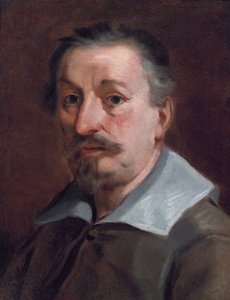
Frančesko Albani (L'Albane)
1578 - 1660 , Italija
Povezani članci

Барокна драма: Уношење величине и емоција у савремене ентеријере
Откријте барокну драму и унесите величину у ваш ентеријер! ArtsDot нуди ручно насликане репродукције, персонализоване портрете и стручне консултације за љубитеље класичне уметности. Потражите савршено дело већ данас!

The Dramatic Flourish: Exploring the Baroque Movement's Enduring Legacy in Art History
Explore the dramatic world of Baroque art! Discover iconic artists like Caravaggio & Rubens, defining techniques, and its lasting impact on art history. Expert insights for collectors & enthusiasts at ArtsDot.

Barok Majstor dela: Top 10 Umjetničkih Remeka za Vaš Dom
Otkrijte 10 remek dela koja su definisala baroknu umetnost! Karavagio, Bernini i više – istražite priče iza ovih ikoničnih slika. Inspiracija za vaš dom? Pogledajte kolekciju na ArtsDot.com!
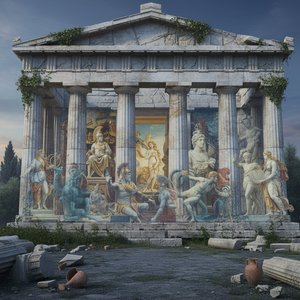
Echoes of Olympus: Mythological Narratives in Western Art Through the Ages
Explore the captivating history of mythological narratives in Western art! From ancient Greece to modern masterpieces, discover iconic artworks & symbolism. Expert analysis and high-quality reproductions at ArtsDot.

The Visceral Stage: Exploring Dramatic Narratives & Emotional Intensity in Baroque Art
Explore the dramatic world of Baroque art! Discover iconic masters like Caravaggio & Rembrandt, their techniques, and the movement's lasting impact. Expert insights for collectors & enthusiasts at ArtsDot.

