

 Pregledaj u prostoru
 Pošalji
 Podeli
 Detalji o delu

 Преузми
 Slični predmeti
 Rendgenski snimak
 Slajdovi
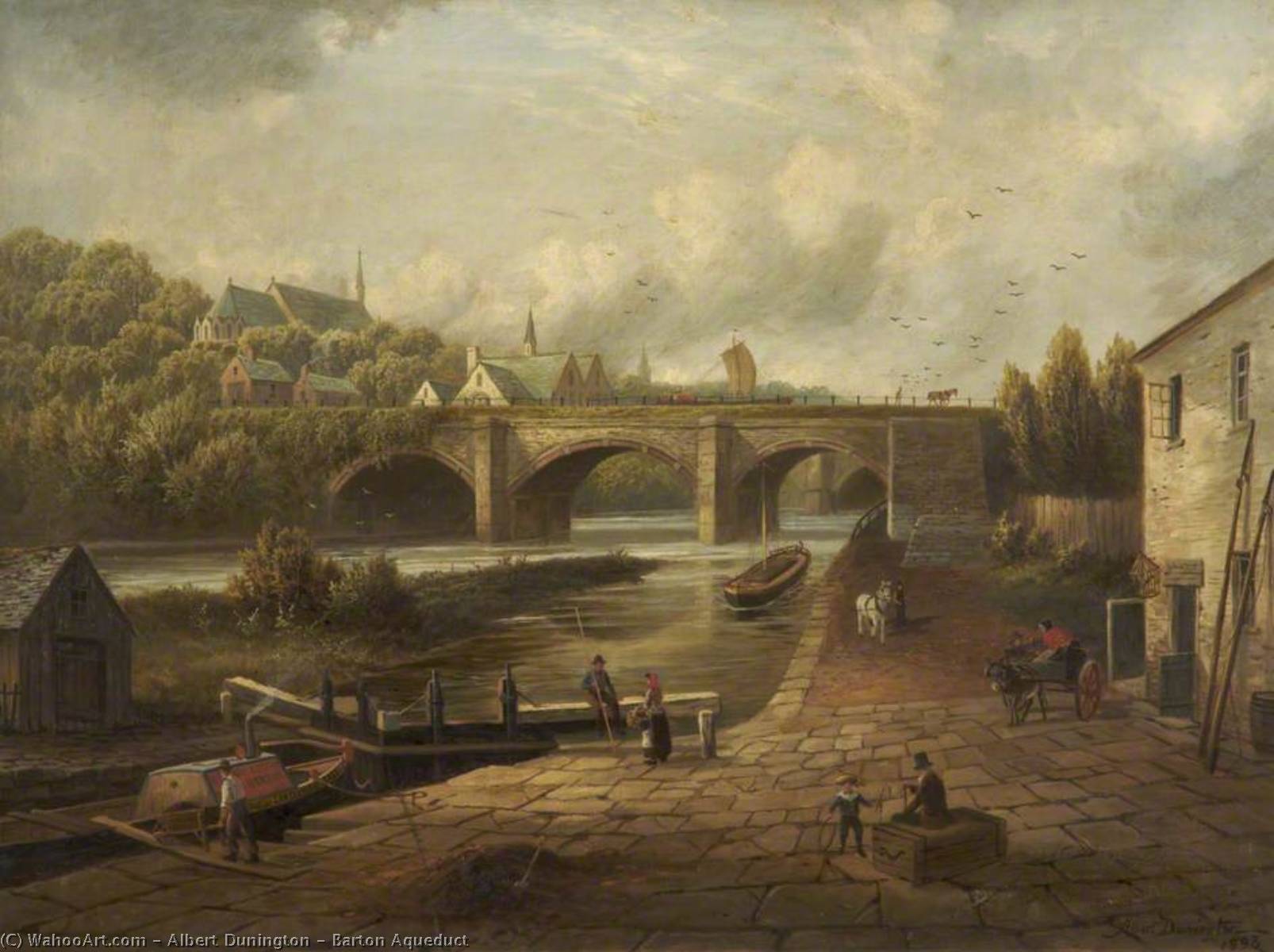
Barton Aqueduct
 1894
1894 40.0 x 51.0 cm
 Salford Museum - Art Gallery
 Pročitaj više
Ručno rađena uljana reprodukcija
Ručno oslikano uljanim bojama na platnu u dimenzijama i okviru po vašem izboru, izrađeno po porudžbini od strane naših umetnika. ( Kupi print Kupi digitalnu sliku)




































Izaberite jednu od naših unapred definisanih veličina koje odgovaraju originalnim proporcijama umetničkog dela.

Можете унети сопствене димензије како бисте прилагодили дело одређеном оквиру или простору. Ако одабрана величина не одговара пропорцијама оригинала, слика ће бити исечена или проширена додатним елементима који се ручно насликавају. Дигитални prikaz ће вам бити послат на одобрење пре почетка производње.
Имајте на уму да преглед на екрану не одражава стварно исецање или проширење. Само приказ (mockup) ће тачно приказати коначну композицију.
Иако су доступне прилагођене величине, препоручујемо да одаберете димензију из дефинисане листе како бисте сачували оригиналне пропорције.
Nakon narudžbine, tim ArtsDot.com će klijentu putem e-pošte poslati uputstva i dostaviti prikaz predloženog rešenja
Isporuka širom sveta () za 3/4 nedelje umesto uobičajenih 5 nedelja. (7 септембар). Bez kompromisa po pitanju kvaliteta.

Besplatna ekspresna dostava širom sveta

Visokokvalitetno laneno platno

Kompletno osiguranje transporta

Garancija povraćaja carine i uvoznih dažbina

Garancija vernosti boja

Politika povraćaja u roku od 100 dana (isključivo u slučaju nedostataka)

Garancija povrata novca od 100%

Popust pri grupnoj kupovini
 Opcija sa staklom dostupna je samo za dimenzije manje od 110 cm

Barton Aqueduct
Tehnika reprodukcije
Dimenzije reprodukcije
-


Konačna cena
$ 263
A Glimpse into the Past
The painting depicts a scene of people gathered near a bridge over a river, with boats on the water and a horse in the background. The attention to detail is impressive, with the artist's use of color and light creating a sense of depth and atmosphere. The presence of birds flying around the area adds a touch of dynamism to the scene. Key Features of the painting include:- The use of warm colors to create a sense of comfort and tranquility
- The depiction of everyday life, showcasing the artist's ability to find beauty in mundane scenes
- The level of detail, from the people's clothing to the boats on the water
Similar Paintings
For those interested in similar paintings, Albert Dunington's Barton Aqueduct (50 x 75 cm) is another notable piece. Additionally, Charles Barlow's Barton Old Aqueduct and Albert Milton Drinkwater's Barton Aqueduct and Bridge are also worth exploring.The Barton Aqueduct painting by Albert Dunington is a testament to the artist's skill and attention to detail. For those interested in learning more about the artist and his work, visiting the Salford Museum - Art Gallery or exploring the collection on ArtsDot.com is highly recommended.
Srodna umetnička dela










Biografija umetnika
The Visionary of the Victorian Canal
Albert Dunington (1860–1941) remains a singular and evocative figure in the annals of British watercolour and oil painting, a master who captured the very soul of a transforming nation. Born in Lewisham, Kent, Dunington emerged from the prestigious Slade School of Fine Art, where his artistic sensibilities were forged under the watchful eyes of titans such as Frederic Leighton and Joseph Noel Paton. This rigorous classical training provided him with a profound command over composition and anatomy, yet it was his unique ability to marry this academic precision with a Romantic sensibility that truly defined his legacy. His work does not merely document landscapes; it breathes life into the industrializing veins of late nineteenth-century Britain, offering a window into an era where the pastoral beauty of the countryside met the burgeoning might of engineering progress.
The essence of Dunington’s oeuvre lies in his unparalleled ability to render the atmospheric nuances of the British landscape. He possessed an almost scientific eye for the subtle interplay of light, mist, and shadow, techniques that allowed him to imbue even the most industrial scenes with an ethereal, dreamlike quality. Whether he was capturing the quiet ripples of the Worcestershire Canal or the dramatic sunset over a river landscape, his brushwork conveyed a deep emotional resonance. His dedication to realism was never hollow; rather, it was underpinned by a sophisticated understanding of colour theory that allowed him to recreate the textures of stone, water, and sky with breathtaking fidelity. In his hands, the damp air of an English morning or the golden warmth of a departing sun became palpable elements that the viewer could almost feel.
A Legacy of Progress and Pastoral Serenity
Dunington’s artistic journey was marked by a fascinating tension between the celebration of natural beauty and the documentation of human achievement. He was an artist who found profound meaning in the intersection of nature and industry, a theme most vibrantly expressed in his depictions of the Manchester Ship Canal. His celebrated work, ‘The Snowdrop’ with the Directors of the Manchester Ship Canal Passing Barton Bridges (1893), serves as a magnificent historical document, capturing the grandeur of steamships and the excitement of engineering marvels set against the timeless backdrop of the Sussex countryside. This ability to find beauty in the mechanical and the monumental allowed him to transcend simple landscape painting, turning his canvases into narratives of national identity and progress.
Beyond the industrial, Dunington’s repertoire extended into the deeply tranquil and the classically sublime. His paintings often invite a sense of quiet contemplation, as seen in works like Tintern Abbey, where he masterfully utilizes soft brushstrokes and muted tones to evoke a sense of peace. In these pieces, the artist explores the relationship between man and the environment, often placing solitary figures within vast, sweeping vistas to emphasize the grandeur of the natural world. His prolific output, which includes over 300 paintings, demonstrates a lifelong commitment to exploring these diverse themes:
- The Industrial Landscape: Capturing the monumental scale of new canals and bridges, documenting the era of great engineering feats.
- Rural Life: Detailed portrayals of agricultural scenes, such as Lancing Mill, Sussex, which offer a nostalgic glimpse into the rhythms of late Victorian farming.
- Atmospheric Studies: A mastery of light and weather, from the heavy mists of river valleys to the dramatic clarity of mountain vistas.
- Historical Documentation: Creating lasting visual records of specific events and landmarks that shaped the British landscape.
Today, the works of Albert Dunington continue to resonate within public collections across Britain and beyond. His significance lies not only in his technical virtuosity but in his role as a visual chronicler of a pivotal moment in history. He captured a world in transition—a world where the ancient traditions of the English landscape were being reshaped by the relentless march of the industrial revolution, leaving behind a legacy of art that is as much about the enduring spirit of nature as it is about the indelible mark of human progress.
albert dunington
1860 - 1941
Osnovne informacije
- Artistic Movement Or Style: Victorian Watercolor Art
- Artists Or Movements Influenced By This Artist: ['Pre-Raphaelites']
- Artists Who Influenced This Artist: ['William Holman Hunt']
- Date Of Birth: 1860
- Date Of Death: 1941
- Full Name: Albert Dunington
- Nationality: British
- Notable Artworks: ['The Snowdrop with the Directors of the Manchester Ship Canal Passing Barton Bridges']
- Place Of Birth: England