

 Pregledaj u prostoru
 Pošalji
 Podeli
 Detalji o delu

 Преузми
 Slični predmeti
 Rendgenski snimak
 Slajdovi
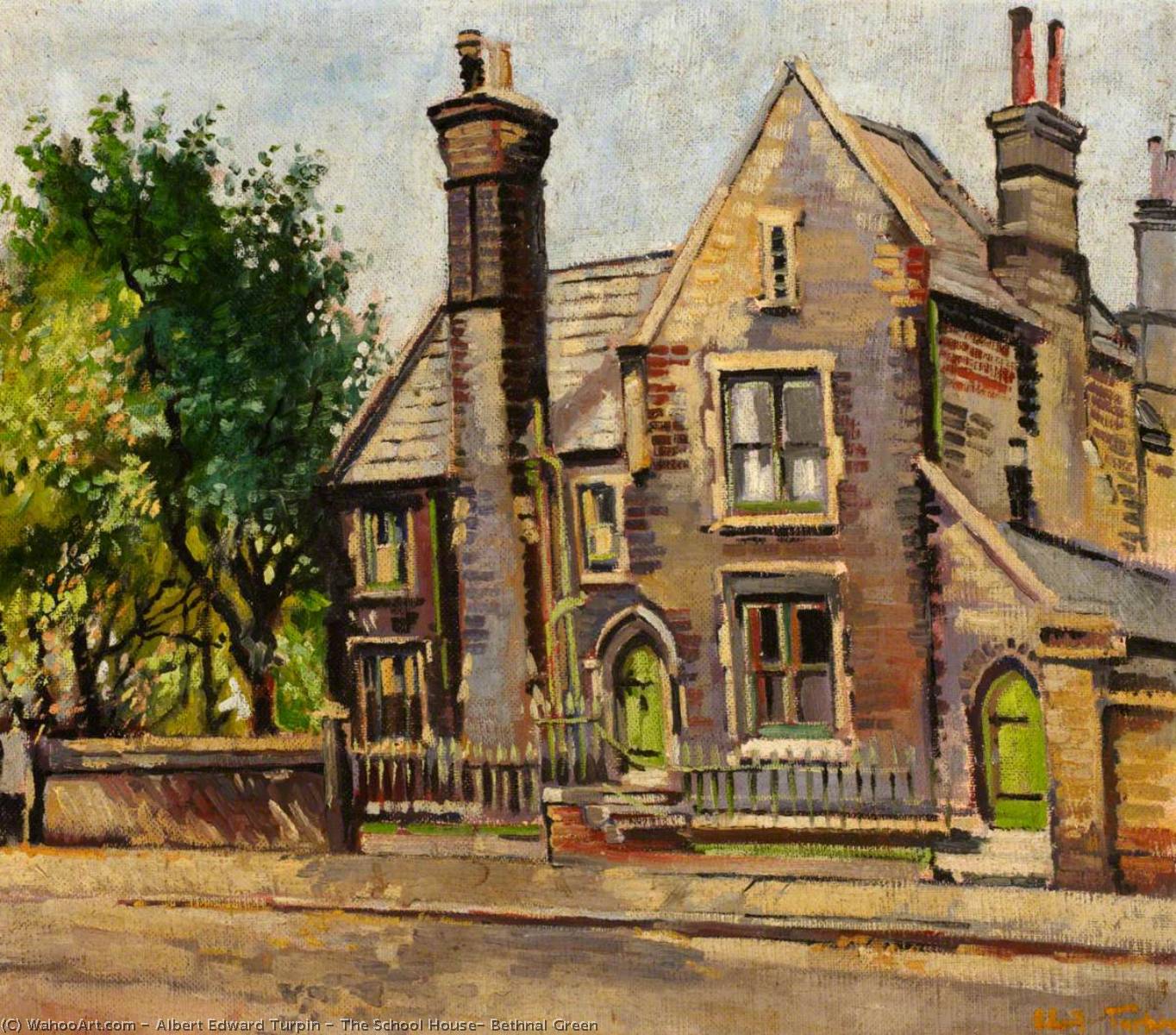
The School House, Bethnal Green
 54.0 x 63.0 cm
 Tower Hamlets Local History Library And Archives
 Pročitaj više
Ručno rađena uljana reprodukcija
Ručno oslikano uljanim bojama na platnu u dimenzijama i okviru po vašem izboru, izrađeno po porudžbini od strane naših umetnika. ( Kupi print Kupi digitalnu sliku)




































Izaberite jednu od naših unapred definisanih veličina koje odgovaraju originalnim proporcijama umetničkog dela.

Можете унети сопствене димензије како бисте прилагодили дело одређеном оквиру или простору. Ако одабрана величина не одговара пропорцијама оригинала, слика ће бити исечена или проширена додатним елементима који се ручно насликавају. Дигитални prikaz ће вам бити послат на одобрење пре почетка производње.
Имајте на уму да преглед на екрану не одражава стварно исецање или проширење. Само приказ (mockup) ће тачно приказати коначну композицију.
Иако су доступне прилагођене величине, препоручујемо да одаберете димензију из дефинисане листе како бисте сачували оригиналне пропорције.
Nakon narudžbine, tim ArtsDot.com će klijentu putem e-pošte poslati uputstva i dostaviti prikaz predloženog rešenja
Isporuka širom sveta () za 3/4 nedelje umesto uobičajenih 5 nedelja. (27 август). Bez kompromisa po pitanju kvaliteta.

Besplatna ekspresna dostava širom sveta

Visokokvalitetno laneno platno

Kompletno osiguranje transporta

Garancija povraćaja carine i uvoznih dažbina

Garancija vernosti boja

Politika povrata u roku od 60 dana (samo u slučaju nedostataka)

Garancija povrata novca od 100%

Popust pri grupnoj kupovini
 Opcija sa staklom dostupna je samo za dimenzije manje od 110 cm

The School House, Bethnal Green
Tehnika reprodukcije
Dimenzije reprodukcije
-


Konačna cena
$ 263
Srodna umetnička dela










Biografija umetnika
Albert Edward Turpin: A Chronicle of the East End in Paint
Albert Edward Turpin’s life and art are inextricably linked to the vibrant, often overlooked, tapestry of Bethnal Green and its surrounding districts during the early 20th century. Born in 1900 into a family struggling with precarious employment – his father a tea-cooper, feather sorter, and occasional docker – Turpin’s early years were defined by economic hardship and a keen awareness of the realities of working-class life. This formative experience would profoundly shape his artistic vision, driving him to capture not just the visual landscape but also the spirit and resilience of his community. His story is one of unexpected talent emerging from humble beginnings, culminating in recognition within a significant, yet often forgotten, art movement.
Turpin’s formal artistic training was modest, primarily consisting of evening classes at the Bethnal Green Working Men's Institute and the Bow & Bromley Commercial Institute. These institutions provided him with foundational skills – perspective, composition, and an introduction to various painting techniques – but it was his own observations and experiences that truly informed his work. Crucially, he found a mentor in John Cooper, a respected artist and teacher who headed the East London Art Club, a collective dedicated to portraying the lives and scenes of the East End.
The East London Group and Turpin’s Style
Turpin's artistic journey truly began with his involvement in the East London Group, an influential collective of artists active from the late 1920s through the mid-1930s. This group sought to document the rapidly changing landscape of London’s East End – a district undergoing significant industrial decline and social transformation. Unlike many contemporary artists who focused on grand historical or mythological subjects, the East London Group prioritized depicting everyday life: street scenes, market stalls, working-class homes, and the faces of ordinary people. Turpin's contribution to this movement was particularly notable for his ability to imbue these scenes with a sense of authenticity and emotional resonance.
Turpin’s style is often described as realist, but it transcends simple imitation. He possessed a remarkable eye for detail, meticulously rendering the textures of brickwork, the folds of clothing, and the expressions on faces. His palette was generally muted – dominated by earthy tones and subtle gradations of color – reflecting the gritty reality of his subject matter. However, he wasn’t afraid to inject moments of vibrancy into his work, particularly in depictions of market scenes or street life, capturing the energy and bustle of these spaces.
Notable amongst Turpin's subjects were poignant portrayals of poverty and hardship – images like *Man Must Eat*, depicting a man scavenging for food from a rubbish bin, served as stark reminders of the struggles faced by many in his community. Yet, even in these difficult scenes, there was an underlying sense of dignity and resilience. He also captured the beauty of everyday moments: a group of men gathered at an alehouse, children playing in the streets, or the simple pleasures of market life.
A Dual Life: Painter and Firefighter
Turpin’s artistic pursuits were often interwoven with his practical profession as a window cleaner. This seemingly mundane occupation provided him with unparalleled access to the streets and buildings he depicted – offering a unique vantage point for observation and inspiration. He famously insisted on finishing all his windows by lunchtime, dedicating the afternoon to painting. This dual life—the physical labor of a window cleaner and the creative pursuit of an artist—became a defining characteristic of Turpin’s existence.
During World War II, Turpin joined the London Fire Brigade, further solidifying his connection to the East End community. He served with distinction, earning commendations for bravery and contributing significantly to the war effort. His wartime experiences undoubtedly influenced his art, adding a layer of urgency and social commentary to his work. Following the war, he was elected Mayor of Bethnal Green in 1946 – an unexpected honor that reflected the respect and affection held for this unassuming artist.
Legacy and Recognition
Despite his significant contributions to the East London Group and his undeniable talent, Turpin’s work remained largely overlooked during his lifetime. His subject matter—the lives of ordinary people—was often deemed unsuitable for the established art market. However, in recent years, there has been a growing appreciation for Turpin's artistic legacy. His paintings are now recognized as important documents of East End life and powerful expressions of social consciousness.
Recent exhibitions, including those organized by Spitalfields Life and the Contemporary Art Society, have brought Turpin’s work to a wider audience, highlighting his unique perspective and enduring appeal. His story serves as a reminder that artistic talent can emerge from unexpected places and that even the most humble of lives can leave a lasting mark on the world.
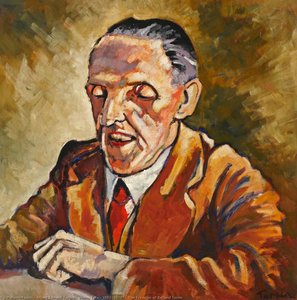
albert edward turpin
1900 - 1964
Osnovne informacije
- Artistic Movement Or Style: East London Group
- Artists Or Movements Influenced By This Artist: ['East London Group']
- Artists Who Influenced This Artist: ['John Cooper']
- Date Of Birth: 1900
- Date Of Death: 1964
- Full Name: Albert Edward Turpin
- Nationality: British
- Notable Artworks:
- Man Must Eat
- The Dust Bin
- Street Scene
- Place Of Birth: Bethnal Green, London

