

 Pregledaj u prostoru
 Pošalji
 Podeli
 Detalji o delu

 Преузми
 Slični predmeti
 Rendgenski snimak
 Slajdovi
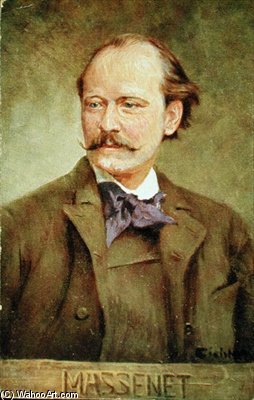
Portrait Of Jules Massene

 Pročitaj više
Ručno rađena uljana reprodukcija
Ručno oslikano uljanim bojama na platnu u dimenzijama i okviru po vašem izboru, izrađeno po porudžbini od strane naših umetnika. ( Kupi print Kupi digitalnu sliku)




































Izaberite jednu od naših unapred definisanih veličina koje odgovaraju originalnim proporcijama umetničkog dela.

Можете унети сопствене димензије како бисте прилагодили дело одређеном оквиру или простору. Ако одабрана величина не одговара пропорцијама оригинала, слика ће бити исечена или проширена додатним елементима који се ручно насликавају. Дигитални prikaz ће вам бити послат на одобрење пре почетка производње.
Имајте на уму да преглед на екрану не одражава стварно исецање или проширење. Само приказ (mockup) ће тачно приказати коначну композицију.
Иако су доступне прилагођене величине, препоручујемо да одаберете димензију из дефинисане листе како бисте сачували оригиналне пропорције.
Nakon narudžbine, tim ArtsDot.com će klijentu putem e-pošte poslati uputstva i dostaviti prikaz predloženog rešenja
Isporuka širom sveta () za 3/4 nedelje umesto uobičajenih 5 nedelja. (28 август). Bez kompromisa po pitanju kvaliteta.

Besplatna ekspresna dostava širom sveta

Visokokvalitetno laneno platno

Kompletno osiguranje transporta

Garancija povraćaja carine i uvoznih dažbina

Garancija vernosti boja

Politika povrata u roku od 60 dana (samo u slučaju nedostataka)

Garancija povrata novca od 100%

Popust pri grupnoj kupovini
 Opcija sa staklom dostupna je samo za dimenzije manje od 110 cm

Portrait Of Jules Massene
Tehnika reprodukcije
Dimenzije reprodukcije
-


Konačna cena
$ 263
Srodna umetnička dela
Biografija umetnika
Albert Eichhorn: The Painter of Brahms’ Soul
Albert Eichhorn (1811 – 1851) remains a figure shrouded in artistic mystery, yet his singular contribution to German portraiture—particularly his unflinching depictions of Johannes Brahms—solidifies his place as one of the most important artists of his era. Born in Düsseldorf, Eichhorn’s early life offers scant biographical detail, leaving historians to reconstruct his formative years from scattered references and stylistic analysis alone. Despite this lack of comprehensive documentation, Eichhorn's artistic output speaks volumes about his talent and unwavering dedication to capturing the essence of human character.- Early Life & Training: Little is known about Eichhorn’s formal education beyond indications that he studied under Anton Graff in Düsseldorf, a prominent Düsseldorf School painter known for his landscapes and portraits. Graff instilled in Eichhorn a meticulous attention to detail and an understanding of tonal gradation—techniques that would become hallmarks of Eichhorn's distinctive style.
- Style & Technique: Eichhorn’s artistic approach was characterized by a remarkable sensitivity to light and shadow, achieved through painstaking layering of thin glazes over toned canvases. This technique allowed him to convey subtle nuances of expression and emotion—a crucial element in his portraits. Unlike many of his contemporaries who favored idealized representations, Eichhorn relentlessly pursued realism, striving for an accuracy that bordered on psychological insight.
The Brahms Portraits: A Legacy of Observation
Eichhorn’s fame rests primarily upon his series of portraits depicting Johannes Brahms, commissioned by the violinist Friedrich Ritter von Mengelstein in 1850. These canvases are not merely likenesses; they are profound explorations of Brahms' personality—his gaze fixed intently on the viewer, conveying a palpable sense of thoughtfulness and introspection. Critics lauded Eichhorn’s ability to capture Brahms’ inner life, describing his portraits as “windows into the soul.” The meticulous detail with which Eichhorn rendered Brahms’ facial features—the furrowed brow, the slight downturn of the lips—suggests an artist deeply attuned to capturing subtle psychological cues.- Mengelstein's Commission & Process: Ritter von Mengelstein approached Eichhorn with a specific vision for his portrait – he wanted an image that reflected Brahms’ musical genius and quiet dignity. Eichhorn undertook the commission with unwavering seriousness, spending considerable time observing Brahms before commencing work. He reportedly sketched Brahms repeatedly from various angles, meticulously documenting every nuance of expression.
- Critical Reception & Significance: The Brahms portraits received widespread acclaim upon their unveiling in 1851. They were praised for their technical brilliance and emotional depth—a testament to Eichhorn’s artistic prowess. More importantly, the portraits established Eichhorn as a pioneer in psychological portraiture, influencing subsequent generations of artists who sought to convey inner states through visual representation.
Influences & Artistic Context
Eichhorn's style was undeniably shaped by the Düsseldorf School of Painting, which emphasized tonal gradation and meticulous observation—principles championed by Graff and other influential masters. However, Eichhorn’s artistic vision extended beyond mere stylistic imitation; he absorbed influences from Rembrandt and Caravaggio, artists known for their dramatic use of chiaroscuro – the interplay between light and dark – to heighten emotional impact. This fascination with tonal contrast would become a defining characteristic of his oeuvre.- Rembrandt & Caravaggio: Eichhorn’s admiration for Rembrandt and Caravaggio is evident in his handling of light and shadow, mirroring their masterful techniques. Like these Baroque titans, Eichhorn sought to evoke emotion through visual storytelling—creating portraits that transcended mere likenesses and communicated profound psychological truths.
- The Düsseldorf School & Its Legacy: The Düsseldorf School’s commitment to realism and tonal gradation established a precedent for artistic innovation—a legacy that Eichhorn embraced wholeheartedly. His work stands as an enduring symbol of German Romanticism's preoccupation with capturing the complexities of human experience.
A Tragic End & Lasting Impact
Albert Eichhorn’s life was tragically cut short in 1851 at the age of forty, succumbing to tuberculosis—a common ailment during his time. Despite his untimely demise, Eichhorn's artistic legacy endured, securing his place as a singular voice within German art history. His Brahms portraits continue to captivate audiences today, serving as enduring reminders of Eichhorn’s extraordinary talent and unwavering dedication to portraying the human spirit with unflinching honesty. They remain among the most celebrated depictions of Brahms ever created—a testament to Eichhorn's ability to distill the essence of musical genius into a single unforgettable image.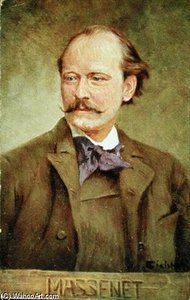
albert eichhorn
1811 - 1851
Osnovne informacije
- Artistic Movement Or Style: Romanticism
- Artists Or Movements Influenced By This Artist: ['Romantic Painting']
- Artists Who Influenced This Artist: ['Caspar David Friedrich']
- Date Of Birth: 1811
- Date Of Death: 1851
- Full Name: Albert Eichhorn
- Nationality: German
- Notable Artworks: ['Portrait of Johannes Brahms']
- Place Of Birth: Germany
Povezani članci

The Enduring Legacy of Oil on Canvas: Technique, History & Aesthetic Impact
Explore the rich history & techniques of oil painting – from Renaissance masters to Impressionism. Discover pigments, layering methods, and why this timeless medium endures. Expert insights for artists & art enthusiasts.

Oil on Canvas: A Historical & Technical Exploration of a Timeless Artistic Medium
Explore the rich history & enduring techniques of oil painting on canvas. Discover the science behind its longevity, conservation practices, and contemporary relevance. Expert insights for art enthusiasts.

The Enduring Power of Painting: A Historical & Contemporary Exploration of Form and Emotion
Explore the rich history & enduring techniques of oil painting with ArtsDot. Discover masterpieces, learn about art collecting, and find authentic handmade reproductions crafted by skilled artists.
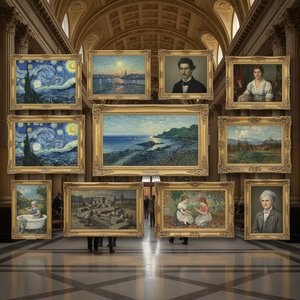
19th Century Masterpieces: 10 Paintings That Defined an Era | ArtsDot
Journey through 19th century art with ArtsDot! Explore 10 iconic paintings – from Monet & Renoir to Courbet – and discover the stories behind Romanticism, Realism & Impressionism. Find museum-quality reproductions for your home decor. Explore the full collection online!

Trajnu Ostavština Uljanih Boja na Platnu: Tehnika, Istorija i Savremena Praksa
Istražite bogatu istoriju i savremene tehnike uljanog slikarstva. Saveti stručnjaka, analiza radova velikih majstora i vodiči za biranje kvalitetnih materijala. Otkrijte tajne očuvanja umetničkih dela!

