 Pregledaj u prostoru
 Pošalji
 Podeli
 Detalji o delu

 Преузми
 Slični predmeti
 Rendgenski snimak
 Slajdovi
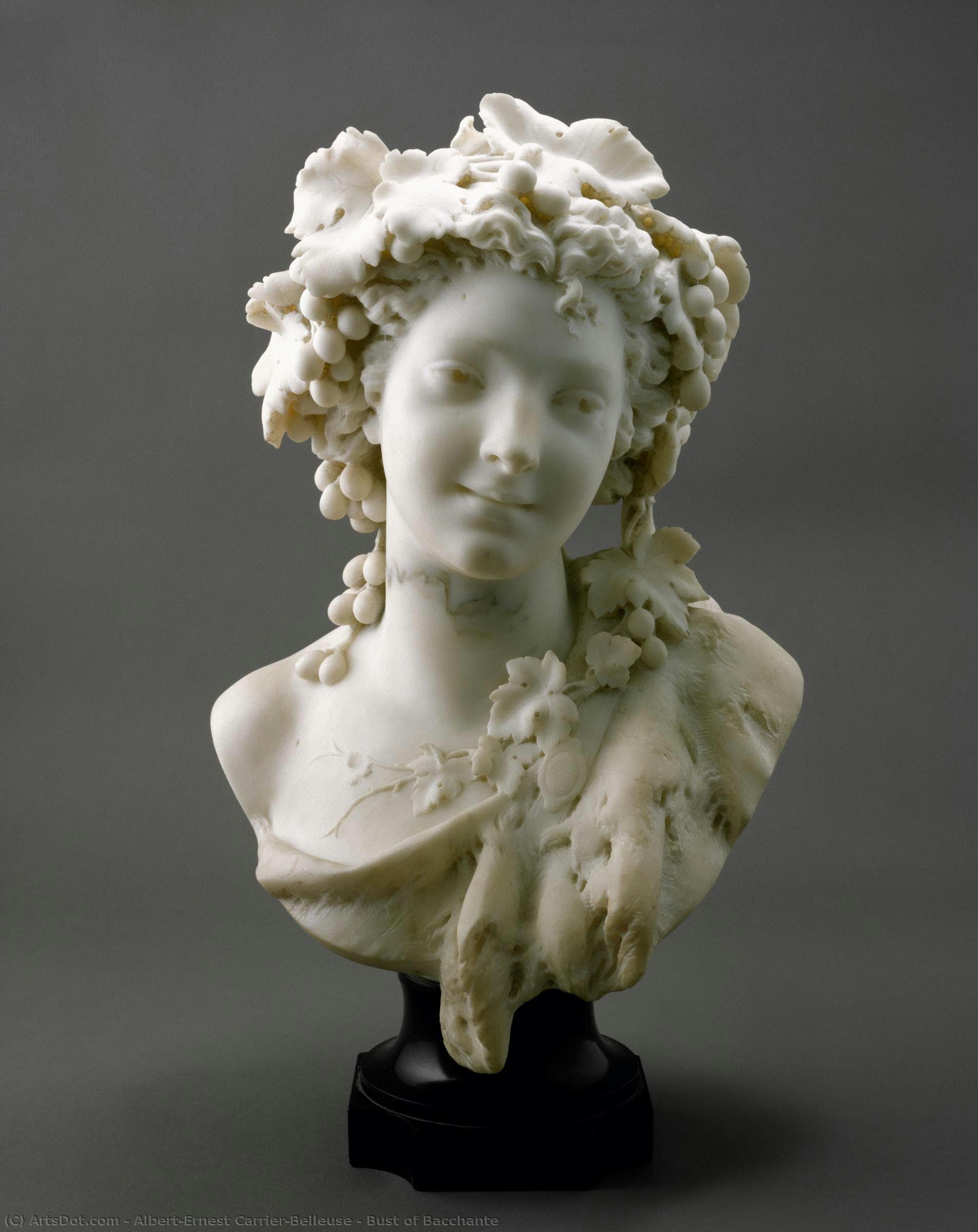
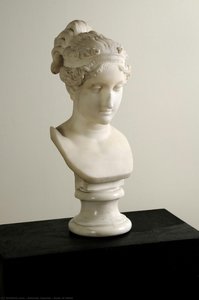
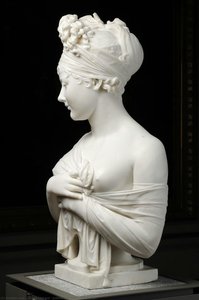
Bust of Bacchante
 1860
1860 33.0 x 50.0 cm
 Pročitaj više
Ručno rađena uljana reprodukcija
Ručno oslikano uljanim bojama na platnu u dimenzijama i okviru po vašem izboru, izrađeno po porudžbini od strane naših umetnika. ( Kupi print Kupi digitalnu sliku)




































Izaberite jednu od naših unapred definisanih veličina koje odgovaraju originalnim proporcijama umetničkog dela.

Можете унети сопствене димензије како бисте прилагодили дело одређеном оквиру или простору. Ако одабрана величина не одговара пропорцијама оригинала, слика ће бити исечена или проширена додатним елементима који се ручно насликавају. Дигитални prikaz ће вам бити послат на одобрење пре почетка производње.
Имајте на уму да преглед на екрану не одражава стварно исецање или проширење. Само приказ (mockup) ће тачно приказати коначну композицију.
Иако су доступне прилагођене величине, препоручујемо да одаберете димензију из дефинисане листе како бисте сачували оригиналне пропорције.
Nakon narudžbine, tim ArtsDot.com će klijentu putem e-pošte poslati uputstva i dostaviti prikaz predloženog rešenja
Isporuka širom sveta () za 3/4 nedelje umesto uobičajenih 5 nedelja. (28 август). Bez kompromisa po pitanju kvaliteta.

Besplatna ekspresna dostava širom sveta

Visokokvalitetno laneno platno

Kompletno osiguranje transporta

Garancija povraćaja carine i uvoznih dažbina

Garancija vernosti boja

Politika povrata u roku od 60 dana (samo u slučaju nedostataka)

Garancija povrata novca od 100%

Popust pri grupnoj kupovini
 Opcija sa staklom dostupna je samo za dimenzije manje od 110 cm

Bust of Bacchante
Tehnika reprodukcije
Dimenzije reprodukcije
-


Konačna cena
$ 263
Srodna umetnička dela






Biografija umetnika
The Sculptural Legacy of Albert Ernest Carrier Belleuse
In the vibrant, shifting landscape of nineteenth-century French art, few figures possessed the versatility and technical mastery of Albert Ernest Carrier Belleuse. Born in 1824 in Anizy-le-Château, his journey into the world of fine art began not with the grand marble of academies, but with the delicate, precise hands of a goldsmith’s apprentice. This early immersion in the intricate details of precious metals instilled in him a lifelong reverence for texture and form, a foundation that would later allow him to navigate the complex transition from Neoclassical rigidity to the fluid grace of the burgeoning Art Nouveau movement.
His formal education at the École des Beaux-Arts under the tutelage of David D'Angers provided the structural discipline necessary for his ascent. Under D'Angers, Carrier Belleuse mastered the anatomical precision and classical ideals that would define much of his early repertoire. Yet, he was never a mere imitator of the past. As his career progressed, he began to infuse his works with a Romantic fervor, moving away from static perfection toward a more expressive, emotive realism. This evolution is perhaps most evident in his ability to capture movement and vitality, whether through the delicate porcelain collaborations during his time in England or his monumental bronze achievements in Paris.
A Master of Form and Fluidity
The brilliance of Carrier Belleuse lay in his remarkable ability to synthesize disparate artistic movements into a singular, cohesive aesthetic. He possessed a unique talent for bridging the gap between the ornate elegance of the Rococo era and the raw, naturalistic energy of Realism. His works often feature a captivating interplay of light and shadow, particularly when working in bronze or terra cotta, where he could manipulate surfaces to suggest the softness of skin or the heavy drape of fabric.
His sculptural repertoire was as diverse as his influences:
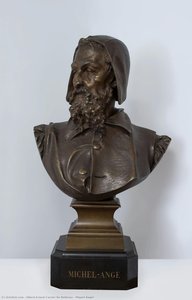
- The Portraiture of Greatness: In works such as his silvered bronze bust of Miguel Ángel, he demonstrated an unparalleled ability to blend classical reverence with a psychological depth that honors the subject's legendary spirit.
- Allegorical Elegance: Pieces like his Torchère showcase his mastery of the allegorical form, using intertwined figures to embody complex human emotions such as passion and strength through neoclassical grace.
- The Capture of Motion: His ability to translate the ephemeral nature of life into permanent medium is seen in his more impressionistic explorations, where the boundaries between figure and atmosphere begin to blur.
Mentorship and Historical Significance
Beyond his individual achievements, Carrier Belleuse holds a profound place in art history due to his role as a bridge between generations. Most notably, he served as a mentor to Auguste Rodin. While Rodin would eventually shatter the conventions of sculpture to create a new language of modernism, it was the foundational training and stylistic breadth provided by Carrier Belleuse that helped shape the early trajectory of the master of movement. Their collaborative efforts, such as those seen in the Brussels Stock Exchange, represent a fascinating intersection of established tradition and emerging innovation.
Decorated with the Légion d'honneur and a member of the Société Nationale des Beaux-Arts, his recognition was a testament to his immense contribution to French culture. As he transitioned from the delicate "carrier" signature to the more established "carrier-belleuse," his work became synonymous with the sophisticated aesthetic of the late nineteenth century. Today, his legacy endures not just in museums, but in the very DNA of modern sculpture, reminding us of a time when art could be simultaneously grand, decorative, and deeply human.
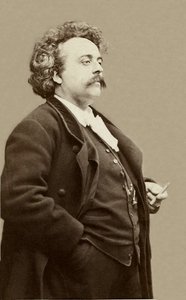
albert ernest carrier belleuse
1824 - 1887 , France
Osnovne informacije
- Artistic Movement Or Style: Neoclassical & Realist
- Artists Or Movements Influenced By This Artist: Auguste Rodin
- Artists Who Influenced This Artist: David D'angers
- Date Of Birth: June 12, 1824
- Date Of Death: June 4, 1887
- Full Name: Albert Ernest Carrier-Belleuse
- Nationality: French
- Notable Artworks:
- The Rape of Hippodamia
- At The Couturier
- Place Of Birth: Anizy-le-Château, France