

 Pregledaj u prostoru
 Pošalji
 Podeli
 Detalji o delu

 Преузми
 Slični predmeti
 Rendgenski snimak
 Slajdovi
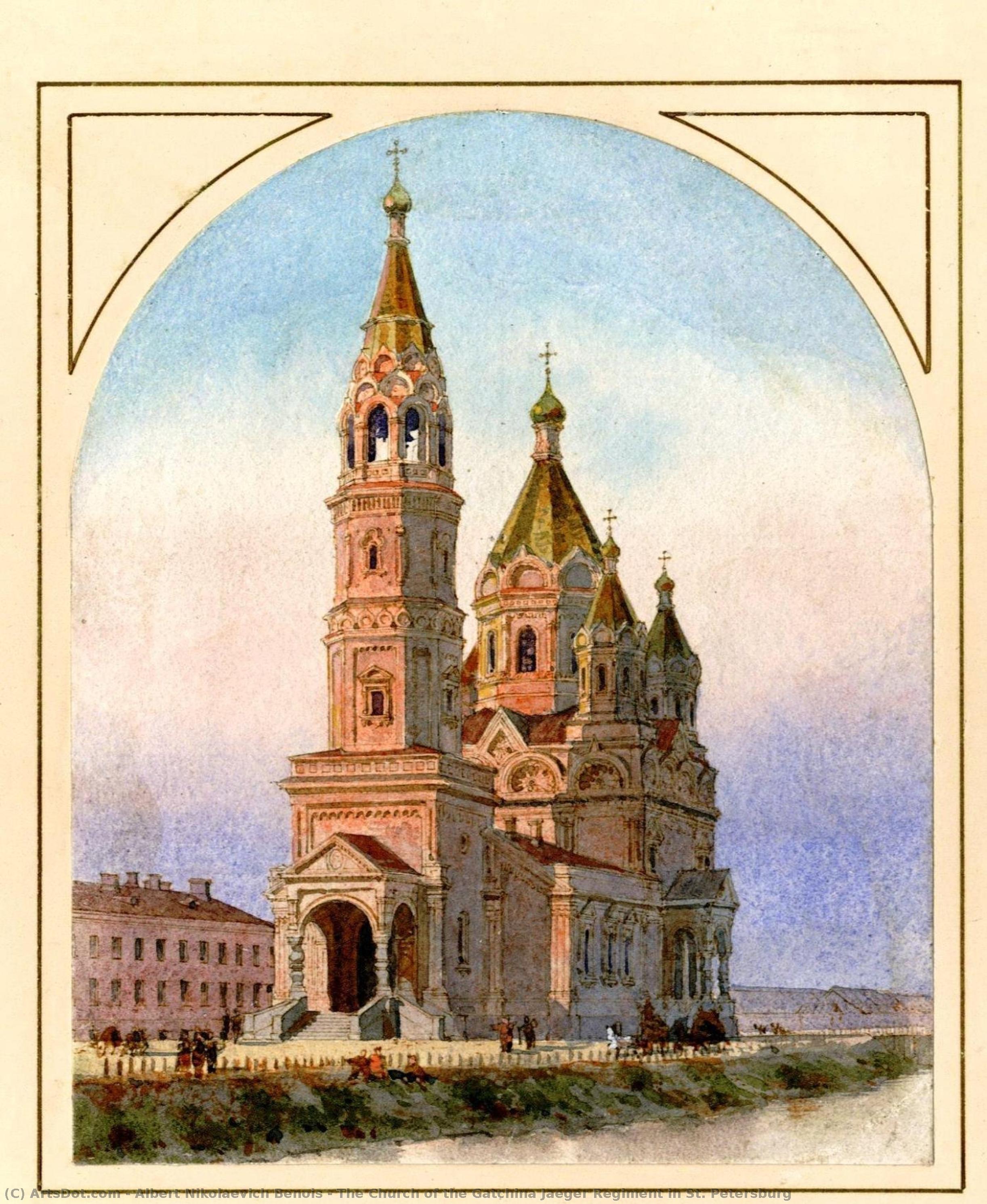
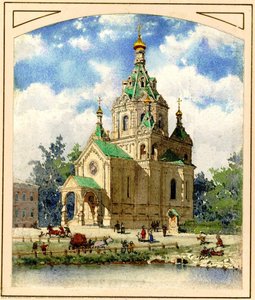
The Church of the Gatchina Jaeger Regiment in St. Petersburg
 Acrylic On Canvas
- WallArt
- Historical Illustration
 1880
1880 50.0 x 35.0 cm
 Hermitage Museum
 Pročitaj više
Ručno rađena uljana reprodukcija
Ručno oslikano uljanim bojama na platnu u dimenzijama i okviru po vašem izboru, izrađeno po porudžbini od strane naših umetnika. ( Kupi print Kupi digitalnu sliku)




P118B $10

P118H $10

P118W $10

P438Z $10

P508JH $12

P508YH $12

P805H $10

P805Z $10

P919BZ $10

P919G $10

P919XJ $10

P959ZH $10

P968JZ $12

W106C $8

W218G $10

W218JH $8

W218Y $10

W307PJ $10

W316G $10

W316PJ $8

W316Y $10

W398PJ $8

W4111J $10

W500HY $15

W500JH $15

W692G $12

W849H $8

W940BG $15

W953PJ $8




Izaberite jednu od naših unapred definisanih veličina koje odgovaraju originalnim proporcijama umetničkog dela.

Можете унети сопствене димензије како бисте прилагодили дело одређеном оквиру или простору. Ако одабрана величина не одговара пропорцијама оригинала, слика ће бити исечена или проширена додатним елементима који се ручно насликавају. Дигитални prikaz ће вам бити послат на одобрење пре почетка производње.
Имајте на уму да преглед на екрану не одражава стварно исецање или проширење. Само приказ (mockup) ће тачно приказати коначну композицију.
Иако су доступне прилагођене величине, препоручујемо да одаберете димензију из дефинисане листе како бисте сачували оригиналне пропорције.
Nakon narudžbine, tim ArtsDot.com će klijentu putem e-pošte poslati uputstva i dostaviti prikaz predloženog rešenja
Isporuka širom sveta () za 3/4 nedelje umesto uobičajenih 5 nedelja. (4 септембар). Bez kompromisa po pitanju kvaliteta.

Besplatna ekspresna dostava širom sveta

Visokokvalitetno laneno platno

Kompletno osiguranje transporta

Garancija povraćaja carine i uvoznih dažbina

Garancija vernosti boja

Politika povrata u roku od 60 dana (samo u slučaju nedostataka)

Garancija povrata novca od 100%

Popust pri grupnoj kupovini
 Opcija sa staklom dostupna je samo za dimenzije manje od 110 cm

The Church of the Gatchina Jaeger Regiment in St. Petersburg
Tehnika reprodukcije
Dimenzije reprodukcije
-


Konačna cena
$ 338
A Window Into Imperial Russia: Exploring Albert Benois’s Watercolor Depiction of St. Petersburg Cathedral
The watercolor painting “The Church of the Gatchina Jaeger Regiment in St. Petersburg,” executed by Albert Nikolayevich Benois in 1880, stands as a testament to the artistic fervor and cultural sophistication of late Victorian Russia. More than just a visual representation of Saint Isaac’s Cathedral—a monumental edifice dominating Sofia Square—the artwork embodies a profound engagement with architectural grandeur, historical memory, and the burgeoning spirit of Impressionism within the Russian avant-garde. Benois's meticulous attention to detail captures not merely the physical structure but also an atmosphere imbued with reverence and contemplation.Architectural Precision Meets Atmospheric Illusion
Boisois’s masterful technique exemplifies the principles of watercolor painting—a medium favored by artists seeking luminosity and nuanced tonal gradations. Lines delineate the cathedral’s imposing façade, emphasizing its towering spires and intricate ornamentation. However, these lines serve as anchors for washes of color that create an illusion of depth and perspective. The artist skillfully employs atmospheric haze to soften the edges of distant hills and imbue the sky with a muted palette of blues and greys—a characteristic feature of Impressionist landscapes. This deliberate blurring of contours contributes to a sense of immediacy and invites viewers into the scene, fostering an emotional connection to its grandeur.Historical Significance and Symbolic Resonance
Saint Isaac’s Cathedral holds immense symbolic importance within Russian Orthodox Christianity and national identity. Constructed in the mid-18th century as a symbol of imperial power and piety, it served as a focal point for religious ceremonies and civic celebrations throughout Russia's history. Benois’s depiction captures this legacy—a visual chronicle of a building that has witnessed centuries of cultural transformation. The cathedral’s golden domes gleam faintly against the overcast sky, representing divine illumination and spiritual aspiration. Its sheer scale underscores the ambition of its architects and the enduring power of faith to inspire awe and wonder.A Painter's Emotional Response
Beyond its architectural merits and historical context, “The Church of the Gatchina Jaeger Regiment in St. Petersburg” resonates with a palpable emotional depth. Benois’s brushstrokes convey not only technical skill but also an artist’s personal response to the subject matter—a feeling of solemn beauty and nostalgic contemplation. The muted color palette evokes memories of bygone eras, prompting viewers to reflect on Russia's rich artistic heritage. This artwork is more than just a depiction; it’s an invitation to experience the sublime—to appreciate the majesty of Saint Isaac’s Cathedral and contemplate its enduring significance as a symbol of Russian culture and spirituality.Provenance and Reproduction Considerations
Boisois’s watercolor “The Church of the Gatchina Jaeger Regiment in St. Petersburg” is housed in private collections, demonstrating its enduring appeal to discerning collectors. Reproductions crafted with archival pigments on high-quality paper faithfully recreate the original artwork's luminous quality and textural nuances—allowing admirers worldwide to experience a fragment of Imperial Russia’s artistic legacy.Srodna umetnička dela
![Legend Of St Francis - [23] - St Francis Mourned By St Clare — Đijoto Di Bondone, Gothic](/media/artworks/images-thumb/17/1c/171c284c41dc3ef8bca83e51c1e1e531.jpg)

Biografija umetnika
Albert Nikolayevich Benois: A Watercolorist of Russian Landscapes and Cultural Bridges
Born in St. Petersburg on March 14, 1852, into a family deeply intertwined with the artistic and intellectual currents of Russia, Albert Nikolayevich Benois (died May 16, 1936) emerged as a significant figure in late 19th and early 20th-century Russian art. His lineage—descended from Louis Jules Benois, a French confectioner who became a royal headwaiter—combined European sophistication with the rich traditions of his homeland, shaping an artistic sensibility that would ultimately bridge diverse cultural landscapes. Benois’s life was not merely one of artistic creation; it was a tapestry woven with family legacies, academic pursuits, and extensive travels, all contributing to the unique perspective reflected in his evocative watercolor paintings.
His early years were steeped in artistic influence. Educated at the Imperial Academy of Arts from 1871 to 1877, Benois initially focused on architecture before discovering a profound passion for watercolor painting under the guidance of Luigi Premazzi. This shift proved pivotal, establishing his signature style—characterized by delicate washes, atmospheric perspective, and an intimate portrayal of Russian landscapes and architectural details. Crucially, he was part of the founding members of the “Circle of Russian Watercolorists” (Russkoe Kratokrasnoye Obshchestvo) in 1880, a group that championed watercolor as a serious artistic medium and challenged the dominance of oil painting within the Russian art establishment. This association exposed him to innovative techniques and fostered a spirit of experimentation that would inform his later work.
The Influence of Family and Travel
Benois’s family history profoundly shaped his artistic trajectory. His father, Nicholas Benois, was a renowned architect responsible for many iconic buildings in St. Petersburg, including the Principal Imperial Stables at Peterhof. His mother, Camilla Cavos, a granddaughter of Catterino Cavos (the designer of the Mariinsky Theatre), instilled within him an appreciation for elegance and theatricality. The family’s connections to prominent musicians—particularly Nikolai Tcherepnin, with whom he maintained a close relationship—further enriched his cultural awareness. However, it was Benois's own travels that truly broadened his artistic horizons. Beginning in 1890, he embarked on extensive journeys through Europe, North Africa, Central Asia, Korea, and Japan, meticulously documenting the landscapes, architecture, and people he encountered. These experiences weren’t merely sightseeing trips; they were immersive investigations into diverse cultures, resulting in a series of paintings that captured the essence of these faraway lands with remarkable sensitivity and detail.
A Curator and Artistic Collaborator
Beyond his painting practice, Benois played an active role in the Russian art world. He served as a keeper at the Alexander III Russian Museum from 1895 to 1903, gaining invaluable experience in museum management and collection curation. In 1894, he was appointed a professor of watercolor painting at the Imperial Academy of Arts, a position he held until 1905, shaping generations of young artists. His involvement extended beyond academia; he became a curator at the Russian Museum in 1903, contributing to its expansion and development. Notably, his collaboration with Sergei Diaghilev’s Ballets Russes proved transformative. Benois's stage designs—particularly for “Les Sylphides,” “Giselle,” and “Petrushka”—were groundbreaking, employing innovative color palettes, architectural elements, and a sense of theatricality that redefined ballet aesthetics. His work with the Moscow Art Theatre further solidified his reputation as a versatile artist and designer.
Legacy and Artistic Significance
Albert Nikolayevich Benois’s legacy extends far beyond his individual paintings. He was a pivotal figure in the development of Russian watercolor, elevating it from a secondary medium to one of serious artistic merit. His meticulous observation, atmospheric rendering, and ability to capture both the grandeur and intimacy of landscapes—from the vast expanse of the Finnish skerries to the bustling streets of St. Petersburg—established him as a master of his craft. His travels not only enriched his artistic repertoire but also fostered a deep appreciation for cultural diversity, reflected in the nuanced portrayals of foreign lands within his oeuvre. Benois’s work continues to be celebrated for its beauty, technical skill, and profound connection to Russian culture and history. His influence can still be felt today in the works of contemporary watercolor artists who draw inspiration from his innovative techniques and artistic vision.
albert nikolaevich benois
1852 - 1936
Osnovne informacije
- Artistic Movement Or Style: Watercolor landscapes
- Artists Or Movements Influenced By This Artist: ['World of Art']
- Artists Who Influenced This Artist: ['Luigi Premazzi']
- Date Of Birth: March 14, 1852
- Date Of Death: May 16, 1936
- Full Name: Albert Nikolayevich Benois
- Nationality: Russian
- Notable Artworks:
- Sunset on the river
- Bay with sailboats, 1900
- Place Of Birth: St Petersburg, Russia
Povezani članci

Watercolor Wonders: 10 Masterpieces That Redefined Art History | ArtsDot
Journey through 10 legendary watercolor masterpieces by Sargent, Turner & Homer! Explore iconic landscapes, portraits & floral art that redefined history. Find museum-quality reproductions and curated decor ideas at ArtsDot.com.

Ephemeral Visions: Exploring the Artistic Legacy & Contemporary Practice of Watercolor Painting
Explore the captivating world of watercolor painting! Discover its rich history, essential techniques, influential artists & collecting tips. A comprehensive guide for art enthusiasts from ArtsDot.

Ephemeral Visions: Exploring the History & Emotional Resonance of Watercolor Painting
Explore the captivating history of watercolor painting, from ancient techniques to modern masters like Kandinsky & Blake. Discover essential artists, collecting tips & the emotional power of this luminous medium. Expert insights for art enthusiasts.

Ephemeral Visions: Exploring the Artistic Legacy & Nuances of Watercolor Painting
Explore the captivating world of watercolor painting! Discover its rich history, essential techniques, influential artists & collecting tips from art experts. A comprehensive guide for enthusiasts.
Акварел кроз векове: Историјски развој, технике и савремена пракса
Истражите историју акварела, технике и савремене трендове уз стручне увиде ArtsDot-а. Сазнајте више о познатим уметницима и материјалима за сликање акварелом. Купите квалитетне репродукције или наручите персонализовани портрет!

