

 Pregledaj u prostoru
 Pošalji
 Podeli
 Detalji o delu

 Преузми
 Slični predmeti
 Rendgenski snimak
 Slajdovi
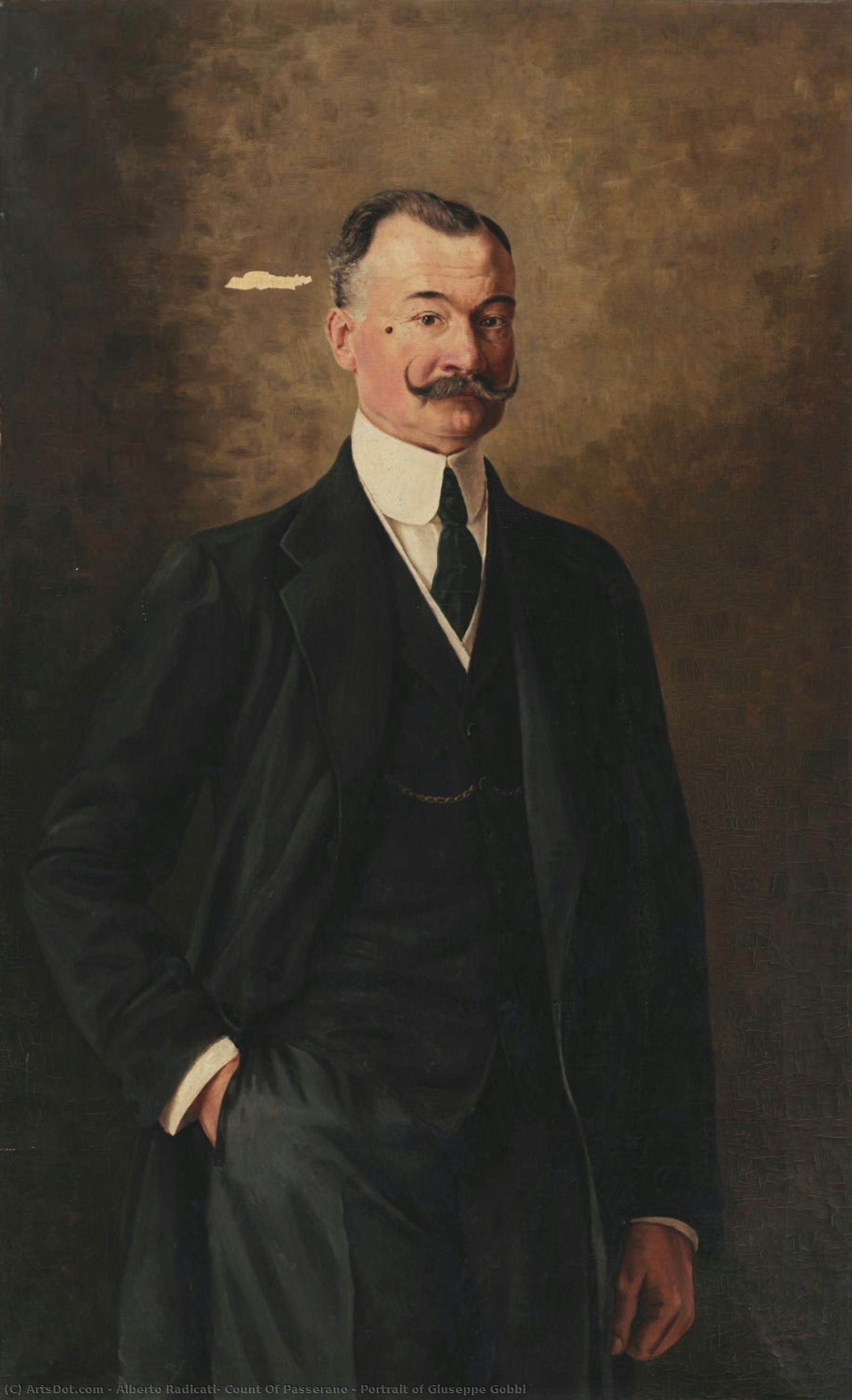
Portrait of Giuseppe Gobbi
 1912
1912 131.0 x 80.0 cm
 Ca’ Granda – Ospedale Maggiore Policlinico
 Pročitaj više
Giclee štampa / Umetnički otisak
Giclée štampa ili print na platnu muzejskog kvaliteta uz brzu proizvodnju i fleksibilne opcije završne obrade. ( Kupi ručno naslikanu sliku Kupi digitalnu sliku)




































Izaberite jednu od naših unapred definisanih veličina koje odgovaraju originalnim proporcijama umetničkog dela.

Možete uneti sopstvene dimenzije kako biste umetničko delo prilagodili specifičnom okviru ili prostoru. Ako odabrani format ne odgovara proporcijama originalne slike, mi ćemo ili iscrtati deo dela ili proširiti sliku pomoću ogledane ivice ili jednobojnog popunjavanja. Digitalni prikaz će vam biti poslat na odobrenje pre početka proizvodnje.
Imajte na umu da pregled na ekranu ne odražava stvarno iscrtavanje ili proširivanje. Samo će prikaz (mockup) precizno pokazati finalnu kompoziciju.
Iako su prilagođene dimenzije dostupne, preporučujemo da odaberete dimenziju sa unapred definisane liste kako biste očuvali originalne proporcije.
Dostava širom sveta () za 2 nedelje umesto uobičajenih 4/5 nedelja. (29 август)

Besplatna ekspresna dostava širom sveta

Visokokvalitetno laneno platno

Kompletno osiguranje transporta

Garancija povraćaja carine i uvoznih dažbina

Garancija vernosti boja

Politika povrata u roku od 60 dana (samo u slučaju nedostataka)

Garancija povrata novca od 100%

Popust pri grupnoj kupovini
 Opcija sa staklom dostupna je samo za dimenzije manje od 110 cm

Portrait of Giuseppe Gobbi
Giclee štampa / Umetnički otisak
Dimenzije reprodukcije
-


Konačna cena
$ 62
Srodna umetnička dela







Biografija umetnika
Johann Carl Loth: A Venetian Master of Group Portraits
The late 17th and early 18th centuries witnessed a remarkable flourishing of artistic talent in Venice, a city renowned for its patronage, vibrant social life, and unparalleled skill in portraiture. Among the many artists who contributed to this golden age was Johann Carl Loth (c. 1698 – 1698), a German painter who spent most of his prolific career immersed in the Venetian artistic milieu. While often overshadowed by some of his more celebrated contemporaries, Loth’s work offers a fascinating glimpse into the social dynamics and aristocratic circles of the era, particularly through his masterful depictions of group portraits—conversation pieces that captured the essence of convivial gatherings.
Born around 1698 in Munich, Bavaria, Loth's early life remains somewhat shrouded in mystery. He received his initial artistic training under his father, Johann Ulrich Loth, a painter who had already established himself in the region. Following this foundational education, Loth traveled to Venice, a pivotal decision that would profoundly shape his artistic development and ultimately define his legacy. The Venetian style—characterized by its rich color palettes, dramatic lighting, and emphasis on capturing fleeting expressions—proved immensely influential, transforming Loth’s approach to portraiture.
Loth quickly established himself as a sought-after artist within the city's vibrant artistic community. His specialization lay in history paintings, though he is most remembered for his intricate group compositions. These weren't merely static arrangements of figures; rather, they were dynamic scenes brimming with personality and social interaction. Loth possessed an extraordinary ability to convey the atmosphere of a gathering—the laughter, the animated conversation, the subtle gestures that revealed character and relationships. His subjects frequently included members of the nobility, artists, musicians, and intellectuals, offering a window into the cultural life of Venice.
A key element of Loth’s artistic practice was his collaboration with other prominent Venetian painters. He worked alongside figures like Pietro Liberi and Michael Wenzel Halbax, benefiting from their expertise and contributing to the collective dynamism of the city's art scene. His association with the renowned collector and connoisseur, Willem Drost, further solidified his position within the artistic elite. Loth’s work was highly regarded by influential critics such as Horace Walpole, who praised his “coloring and graceful likeness,” suggesting a level of skill that surpassed even some of his more established peers. The artist's dedication to capturing authentic social interactions is evident in works like ‘The Club of Artists,’ a lively depiction of a gathering at the King’s Arms, showcasing Loth’s ability to portray both individual personalities and the collective energy of the group.
Loth’s Techniques and Influences
Loth's artistic style was deeply rooted in the Baroque tradition, yet he skillfully adapted it to the unique demands of Venetian portraiture. He employed a rich, layered technique, utilizing a complex system of glazes and scumbles to achieve luminous colors and subtle tonal variations. His brushwork was often loose and expressive, contributing to the sense of movement and spontaneity within his compositions. He drew inspiration from the works of earlier masters, particularly Rubens and Rembrandt, incorporating their techniques into his own practice.
The influence of Italian art is undeniable in Loth’s work. He embraced the Venetian penchant for dramatic lighting—often employing chiaroscuro to highlight key figures and create a sense of depth and atmosphere. Furthermore, he skillfully rendered fabrics and textures, capturing the luxuriousness of aristocratic attire with remarkable detail. His meticulous attention to costume and setting provided valuable insights into the social customs and material culture of 18th-century Venice.
Notably, Loth’s work demonstrates a keen understanding of composition—a skill honed through years of observation and study. He expertly arranged his figures within the frame, creating visual balance and directing the viewer's eye to the most important elements of the scene. His ability to capture fleeting expressions and subtle gestures was particularly noteworthy, conveying a sense of immediacy and realism that set his work apart from more formal or idealized portraits.
A Legacy in Conversation Pieces
Johann Carl Loth’s contribution to the development of the conversation piece is significant. These intimate group portraits, capturing moments of social interaction, became increasingly popular during the 18th century—reflecting a shift towards greater informality and a desire to represent the complexities of human relationships. Loth's work exemplifies this trend, offering a glimpse into the private lives of Venetian aristocrats and intellectuals.
Despite his considerable talent and influence, Loth’s artistic legacy has often been overlooked. However, his paintings continue to be admired for their technical skill, expressive quality, and insightful portrayal of social life. His work serves as a valuable reminder of the vibrant artistic community that flourished in Venice during the late 17th and early 18th centuries—a period marked by innovation, experimentation, and a profound appreciation for beauty.
Related Works & Historical Context
- Rubens’ *Adoration of the Magi* (1698): Loth purchased this masterpiece from Gijsbert van Ceulen, demonstrating his discerning eye and commitment to acquiring significant works of art.
- Hyacinthe Rigaud’s *Self-Portrait in a Turban* (1704): A contemporary example of the Venetian style that influenced Loth's work.
- 1698 in Art: This year saw several important artistic developments, including Maximilian II Emanuel, Prince-Elector of Bavaria, acquiring Rubens’ *Adoration of the Magi*.
The broader historical context of Loth’s career is crucial to understanding his work. Venice was a cosmopolitan center—a crossroads of cultures and ideas—during the 18th century. The city's wealth and influence attracted artists, merchants, and intellectuals from across Europe. Loth’s artistic practice reflects this dynamic environment, incorporating elements of Italian, German, and Venetian traditions.
Further research into Johann Carl Loth reveals a complex and fascinating artist—a skilled painter, astute observer, and dedicated member of the Venetian art community. His legacy endures through his captivating group portraits—testaments to his artistic talent and his ability to capture the essence of human interaction.
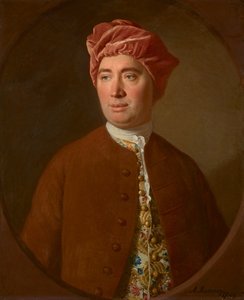
alberto radicati, count of passerano
1698 - 1737 , Italy
Osnovne informacije
- Artistic Movement Or Style: Baroque
- Artists Or Movements Influenced By This Artist:
- Karel Dujardin
- Karel Marat
- Artists Who Influenced This Artist: ['Johann Ulrich Loth']
- Date Of Birth: August 8, 1632
- Date Of Death: October 6, 1698
- Full Name: Johann Carl Loth
- Nationality: German
- Notable Artworks:
- Adoration of the Magi
- Self-portrait in a turban
- Place Of Birth: Munich, Bavaria

