

 Pregledaj u prostoru
 Pošalji
 Podeli
 Detalji o delu

 Преузми
 Slični predmeti
 Rendgenski snimak
 Slajdovi
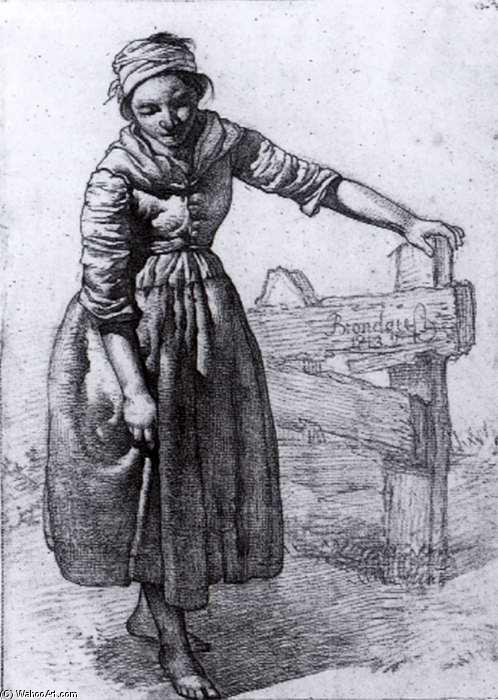
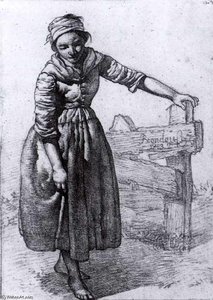
Girl Standing by a Fence
 Drawing
- WallArt
- Dutch Romanticism
 1813
1813 248.0 x 179.0 cm
 Rijksmuseum
 Pročitaj više
Ručno rađena uljana reprodukcija
Ručno oslikano uljanim bojama na platnu u dimenzijama i okviru po vašem izboru, izrađeno po porudžbini od strane naših umetnika. ( Kupi print Kupi digitalnu sliku)




P118B $10

P118H $10

P118W $10

P438Z $10

P508JH $12

P508YH $12

P805H $10

P805Z $10

P919BZ $10

P919G $10

P919XJ $10

P959ZH $10

P968JZ $12

W106C $8

W218G $10

W218JH $8

W218Y $10

W307PJ $10

W316G $10

W316PJ $8

W316Y $10

W398PJ $8

W4111J $10

W500HY $15

W500JH $15

W692G $12

W849H $8

W940BG $15

W953PJ $8




Izaberite jednu od naših unapred definisanih veličina koje odgovaraju originalnim proporcijama umetničkog dela.

Можете унети сопствене димензије како бисте прилагодили дело одређеном оквиру или простору. Ако одабрана величина не одговара пропорцијама оригинала, слика ће бити исечена или проширена додатним елементима који се ручно насликавају. Дигитални prikaz ће вам бити послат на одобрење пре почетка производње.
Имајте на уму да преглед на екрану не одражава стварно исецање или проширење. Само приказ (mockup) ће тачно приказати коначну композицију.
Иако су доступне прилагођене величине, препоручујемо да одаберете димензију из дефинисане листе како бисте сачували оригиналне пропорције.
Nakon narudžbine, tim ArtsDot.com će klijentu putem e-pošte poslati uputstva i dostaviti prikaz predloženog rešenja
Isporuka širom sveta () za 3/4 nedelje umesto uobičajenih 5 nedelja. (30 август). Bez kompromisa po pitanju kvaliteta.

Besplatna ekspresna dostava širom sveta

Visokokvalitetno laneno platno

Kompletno osiguranje transporta

Garancija povraćaja carine i uvoznih dažbina

Garancija vernosti boja

Politika povrata u roku od 60 dana (samo u slučaju nedostataka)

Garancija povrata novca od 100%

Popust pri grupnoj kupovini
 Opcija sa staklom dostupna je samo za dimenzije manje od 110 cm

Girl Standing by a Fence
Tehnika reprodukcije
Dimenzije reprodukcije
-


Konačna cena
$ 263
A Glimpse into Domesticity: Albertus Brondgeest's "Girl Standing by a Fence"
Albertus Brondgeest’s “Girl Standing by a Fence,” painted in 1813, is more than just a portrait; it’s a window into the quiet rhythms of early 19th-century Dutch life. The black and white sketch, rendered with remarkable detail, captures a young woman lost in thought beside a weathered wooden fence. It's a scene imbued with a gentle melancholy, an invitation to pause and reflect on the simple beauty of everyday existence. Brondgeest, though not as widely celebrated as some of his contemporaries, possessed a keen eye for capturing fleeting moments and subtle emotions, and this work exemplifies that talent.
Style and Technique: The Art of Red Chalk
The choice of red chalk as the primary medium is significant. This technique, popular in the 18th and early 19th centuries, allowed artists to achieve a remarkable range of tones and textures with relatively few materials. Brondgeest masterfully utilizes the chalk's inherent softness to create a sense of intimacy and immediacy. The delicate lines define the woman’s form—the gentle curve of her neck, the folds of her long skirt – while also suggesting the rough texture of the wooden fence behind her. The absence of color doesn't diminish the impact; instead, it focuses our attention on the interplay of light and shadow, enhancing the emotional depth of the scene. The artist’s hand is evident in every stroke, a testament to his skill and dedication to capturing the essence of his subject.
Historical Context: Fashion and Rural Life
To fully appreciate "Girl Standing by a Fence," it's helpful to consider its historical context. The woman’s attire—a long skirt with a fuller silhouette, suggesting a style from the late 18th or early 19th century—provides clues about her social standing and the era in which she lived. The headscarf covering her hair was common for women of that time, reflecting both modesty and practicality. The setting itself – a rural landscape with a simple wooden fence – speaks to a slower pace of life, far removed from the bustling cities. Brondgeest’s work reflects a growing interest in depicting scenes of everyday life, moving away from grand historical narratives towards more intimate and personal subjects. It's a snapshot of a world on the cusp of significant change, preserving a moment of quiet dignity before the rapid industrialization that would soon transform European society.
Symbolism and Emotional Resonance
While seemingly straightforward, "Girl Standing by a Fence" is rich in subtle symbolism. The fence itself can be interpreted as a boundary—a separation between the woman and the wider world, or perhaps a reflection of her own internal thoughts. Her gaze directed downwards suggests introspection, a moment of quiet contemplation. The overall mood is one of gentle melancholy, tinged with a sense of longing. It’s not a scene of overt joy or sorrow, but rather a nuanced portrayal of human emotion—the kind that resonates deeply because it speaks to universal experiences of solitude and reflection. Brondgeest doesn't offer answers; instead, he invites us to share in the woman's quiet moment, prompting our own reflections on life, memory, and the passage of time.
Srodna umetnička dela
Biografija umetnika
A Life Immersed in Dutch Light: Albertus Brondgeest and the Pursuit of Pastoral Beauty
Albertus Brondgeest, born in Amsterdam on October 2nd, 1786, emerged from a prosperous family with an initial reluctance towards his artistic inclinations. While his lineage boasted connections to the celebrated painter Ferdinand Bol—his mother being a great-granddaughter—the path of a merchant was initially envisioned for young Albertus. However, a formative experience at the 1800 auction of Cornelis Ploos van Amstel’s collection ignited an enduring passion within him, setting in motion a life dedicated to art, albeit one uniquely interwoven with commerce and connoisseurship. He wasn't simply a painter; he was a man deeply embedded in the artistic fabric of his time, navigating the worlds of creation, trade, and scholarly appreciation. His early training commenced under Pieter Gerardus van Os, a cattle and landscape artist who had recently settled in Amsterdam, fostering a foundational skill set that would later blossom into a distinctive style focused on capturing the serene beauty of the Dutch countryside.Balancing Brushstrokes and Business: A Dual Pursuit
Brondgeest’s artistic journey wasn't solely defined by formal instruction. He diligently studied 17th-century Dutch drawings, immersing himself in the masters of the Golden Age—Rembrandt van Rijn being a particularly potent influence. This dedication to historical precedent shaped his aesthetic sensibilities and informed his meticulous technique. Simultaneously, he embarked on a successful career in the art trade, opening his own dealership in 1817. This entrepreneurial venture wasn’t merely a means to financial stability; it provided him with unparalleled access to artworks, allowing for continuous study and refinement of his artistic eye. He became a prominent figure in Amsterdam's mid-19th century art market, skillfully balancing the demands of commerce with his personal creative endeavors. His business thrived, enabling him to acquire “Vlietzorg,” a country estate near Haarlem, which would become a sanctuary for plein air painting and further exploration of landscape themes. He was also an active member of artistic societies like *Zonder Wet of Spreuk* (“Without Law or Motto”), demonstrating his commitment to the broader artistic community.The Allure of Landscape: Technique and Inspiration
Brondgeest’s paintings, while not his primary source of income, reveal a profound sensitivity to light, atmosphere, and the subtle nuances of nature. Initially working with water-based paints, he transitioned to oils in 1809 under the guidance of Wouter Johannes van Troostwijk, a move that significantly enhanced the richness and depth of his work. His landscapes are characterized by impeccable technique—a testament to his rigorous study of historical masters—and a discerning restraint in composition. He embarked on annual sketching trips from 1817 to 1828, venturing into Germany, Belgium, France, and England to capture direct observations of the natural world. These travels were crucial in developing his ability to translate fleeting moments of light and shadow onto canvas. Later, as business commitments increased, he focused on river views near Haarlem, demonstrating a continued dedication to landscape painting despite logistical constraints. His drawings, often executed with remarkable precision, are particularly noteworthy for their delicate rendering of foliage, water, and architectural elements.Recognition and Legacy: A Master of Dutch Pastoral Life
Throughout his career, Brondgeest received recognition from various artistic institutions. He was awarded a golden medal by the Society Felix Meritis in 1814 for *A View within a Dutch city, at sunlight, with a significant “stoffaadje”*, and earned a silver medal from the city government of The Hague in 1839. His membership in prestigious organizations like the Koninklijk Nederlandsch Instituut (Royal Dutch Institute) and the Royal Academies of Amsterdam and Antwerp further solidified his standing within the artistic establishment. While his style may have been considered somewhat traditional by the 1840s, his commitment to “decorum” and technical excellence continued to earn him respect among collectors and fellow artists. Today, Brondgeest’s drawings are preserved in esteemed collections such as the Rijksprentenkabinet in Amsterdam, the Harvard Art Museums, and the Teylers Museum in Haarlem—a lasting testament to his skill and enduring contribution to Dutch landscape painting. He passed away on July 30th, 1849, leaving behind a body of work that continues to captivate viewers with its serene beauty and masterful execution.A Lasting Impression
- Influences: Rembrandt van Rijn, Jan Hulswit, Pieter Gerardus van Os.
- Key Characteristics: Meticulous technique, serene landscapes, subtle use of light and shadow, dedication to historical precedent.
- Major Achievements: Golden medal from the Society Felix Meritis (1814), recognition from artistic institutions in The Hague and Amsterdam, preservation of his work in prominent museum collections.
- Historical Significance: Brondgeest represents a fascinating intersection of art and commerce in 19th-century Netherlands. His dedication to both creation and connoisseurship provides valuable insight into the artistic landscape of his time.
albertus brondgeest
1786 - 1849 , Netherlands
Osnovne informacije
- Artistic Movement Or Style: Romanticism
- Artists Or Movements Influenced By This Artist: ['Caspar Netscher']
- Artists Who Influenced This Artist:
- Cornelis van Os
- Wouter Johannes Troostwijk
- Date Of Birth: 1786 Amsterdam
- Date Of Death: 1849 Amsterdam
- Full Name: Albertus Brondgeest
- Nationality: Dutch
- Notable Artworks:
- Girl Standing by a Fence
- The Shepherdess
- Place Of Birth: Amsterdam Netherlands
Povezani članci

Dark Masterpieces: 10 Iconic Paintings Dominated by Black Tones |
Explore 10 iconic paintings dominated by black tones, from Rembrandt’s chiaroscuro to Goya's dark expressions. Discover the stories behind these masterpieces & find museum-quality art reproductions for your home at .
19th Century Masterpieces: 10 Paintings That Defined an Era | ArtsDot
Journey through 19th century art with ArtsDot! Explore 10 iconic paintings – from Monet & Renoir to Courbet – and discover the stories behind Romanticism, Realism & Impressionism. Find museum-quality reproductions for your home decor. Explore the full collection online!
Albertus Verhoesen: Capturing Dutch Pastoral Life with Exquisite Detail
Explore the idyllic rural scenes of Albertus Verhoesen (1806-1881). Discover his charming paintings, renowned for realistic detail and pastoral beauty. Learn about this Dutch Romantic master at ArtsDot.
Charles Leickert: Capturing the Dutch Golden Age Light – A Comprehensive Study of Technique, Context, and Legacy
Explore the captivating winter landscapes of Charles Leickert, a master of Dutch Golden Age light & atmosphere. Discover his techniques, symbolism, and lasting legacy – a comprehensive study for art enthusiasts and collectors.
Cornelis Springer: A Dutch Master of Cityscapes & Intimate Reflections
Explore the captivating world of Cornelis Springer (1817-1891), a Dutch master renowned for his detailed cityscapes and atmospheric paintings. Discover his life, style & available artworks at ArtsDot.

