


 Pregledaj u prostoru
 Pošalji
 Podeli
 Detalji o delu

 Преузми
 Slični predmeti
 Rendgenski snimak
 Slajdovi
Maki (Chinese black pine) and maple trees
 1700
1700 145.0 x 351.0 cm
 Pročitaj više
Ručno rađena uljana reprodukcija
Ručno oslikano uljanim bojama na platnu u dimenzijama i okviru po vašem izboru, izrađeno po porudžbini od strane naših umetnika. ( Kupi print Kupi digitalnu sliku)




































Izaberite jednu od naših unapred definisanih veličina koje odgovaraju originalnim proporcijama umetničkog dela.

Можете унети сопствене димензије како бисте прилагодили дело одређеном оквиру или простору. Ако одабрана величина не одговара пропорцијама оригинала, слика ће бити исечена или проширена додатним елементима који се ручно насликавају. Дигитални prikaz ће вам бити послат на одобрење пре почетка производње.
Имајте на уму да преглед на екрану не одражава стварно исецање или проширење. Само приказ (mockup) ће тачно приказати коначну композицију.
Иако су доступне прилагођене величине, препоручујемо да одаберете димензију из дефинисане листе како бисте сачували оригиналне пропорције.
Nakon narudžbine, tim ArtsDot.com će klijentu putem e-pošte poslati uputstva i dostaviti prikaz predloženog rešenja
Isporuka širom sveta () za 3/4 nedelje umesto uobičajenih 5 nedelja. (29 август). Bez kompromisa po pitanju kvaliteta.

Besplatna ekspresna dostava širom sveta

Visokokvalitetno laneno platno

Kompletno osiguranje transporta

Garancija povraćaja carine i uvoznih dažbina

Garancija vernosti boja

Politika povrata u roku od 60 dana (samo u slučaju nedostataka)

Garancija povrata novca od 100%

Popust pri grupnoj kupovini
 Opcija sa staklom dostupna je samo za dimenzije manje od 110 cm

Maki (Chinese black pine) and maple trees
Tehnika reprodukcije
Dimenzije reprodukcije
-


Konačna cena
$ 263
Srodna umetnička dela



Biografija umetnika
Aleksei Mikhailovich Korin: A Pioneer of Lyric Landscape Painting
Alexei Mikhailovich Korin (1865 – 1923) stands as a pivotal figure in Russian art history, particularly renowned for his contribution to the lyrical landscape movement and his profound engagement with the Peredvizhniki group. Born into a family steeped in Palekh icon painting tradition—his father, Nikolai Korin, was a celebrated miniature painter—Aleksei’s artistic journey began amidst an environment that fostered both visual literacy and a deep appreciation for craftsmanship. Despite initial reluctance from his parents to pursue formal art studies, fueled by a desire to honor familial heritage, Aleksei defied expectations and enrolled at the Moscow School of Painting, Sculpture and Architecture in 1884, establishing connections with luminaries like Vasily Perov, Illarion Pryanishnikov, Vladimir Makovsky, and Vasily Polenov. This formative period instilled within him a stylistic ethos characterized by meticulous observation and an unwavering commitment to capturing the essence of nature—a cornerstone of his artistic legacy.- Early Influences: Korin’s artistic sensibilities were profoundly shaped by the teachings of Perov, who championed realism and emotional intensity in portraying peasant life. Pryanishnikov's meticulous attention to detail mirrored Korin’s own dedication to capturing subtle nuances within landscapes.
- Formal Training & Recognition: Graduating with honors in 1889—receiving a silver medal—Korin cemented his position as a rising talent and swiftly joined the Peredvizhniki group, cementing his association with artists who prioritized plein air painting and conveying subjective experience.
The Pursuit of Lyricism: Korin's Engagement with Landscape Painting
Korin’s artistic vocation found its most compelling expression in landscape painting—a genre he embraced wholeheartedly throughout his career. Unlike the grand vistas favored by earlier Romantic painters, Korin sought to distill the spirit of Russian wilderness into evocative compositions imbued with melancholic beauty and psychological depth. His canvases frequently depict misty mornings over birch groves or tranquil lakes reflecting the muted hues of twilight—scenes rendered with breathtaking precision and infused with palpable emotion. This stylistic approach aligns seamlessly with the Peredvizhniki’s core tenets: prioritizing direct observation, conveying inner feelings, and rejecting academic conventions in favor of artistic sincerity.- Notable Landscapes: Among Korin's celebrated works are “The Rooks Have Returned,” a masterful depiction of autumnal birch trees bathed in golden light—a testament to his technical prowess and artistic vision—and “Plyos,” where he captured the serene beauty of Lake Plyos under overcast skies.
- Technique & Aesthetic Considerations: Korin’s technique involved painstaking layering of glazes—creating luminous surfaces that subtly modulated color—and employing a delicate brushstroke to convey atmospheric haze and textural variations. He aimed not merely to reproduce visual reality but to evoke a profound sense of contemplation and communion with the natural world.
Membership in the Peredvizhniki Group & Artistic Collaboration
Korin’s affiliation with the Peredvizhniki group—a collective of artists who rejected official patronage and championed artistic independence—represented a watershed moment in Russian art history. Founded in 1870, the Peredvizhniki challenged prevailing academic standards and advocated for portraying rural life with unflinching honesty—often confronting social injustices and celebrating the dignity of peasant labor. Korin’s participation in this movement fostered collaborative relationships with fellow artists—most notably Isaac Levitan—who shared his commitment to lyrical landscape painting and emotional expression. These collaborations enriched Korin's artistic repertoire and solidified his reputation as a leading voice within the Peredvizhniki circle.- Shared Artistic Vision: Levitan’s influence on Korin is evident in their mutual fascination with capturing the sublime beauty of Russian wilderness—a preoccupation that permeated both artists’ oeuvre.
- Collective Exhibitions & Artistic Discourse: The Peredvizhniki group organized regular exhibitions—providing a platform for disseminating innovative artistic ideas and fostering critical dialogue—and Korin actively engaged in these discussions—contributing to the ongoing evolution of Russian landscape painting.
Later Years & Legacy
Following the October Revolution, Korin relocated from Moscow to Marino, Tver Governorate—establishing a workshop where he continued to teach and mentor aspiring artists. He accepted commissions for murals at St. Nicholas Cathedral in Sofia—demonstrating his unwavering dedication to artistic craftsmanship and furthering his reputation as a respected educator. Furthermore, he played an instrumental role in revitalizing the iconography of Trinity Lavra of St Sergius—returning to his alma mater and reaffirming his commitment to preserving cultural heritage. Aleksei Korin’s enduring legacy resides not only in his stunning landscapes but also in his pioneering spirit—his refusal to conform to artistic conventions and his unwavering belief in the transformative power of art—solidifying his place as a cornerstone of Russian lyrical landscape painting and an exemplar of artistic integrity.- Teaching & Mentorship: Korin’s influence extended beyond his own artistic creations—inspiring generations of students who embraced his stylistic ethos and pursued excellence in landscape painting.
- Cultural Preservation Efforts: His involvement in restoring the iconography at Trinity Lavra underscored his commitment to safeguarding Russian cultural heritage—a testament to his humanist values and enduring artistic vision.
Concluding Remarks
Aleksei Mikhailovich Korin’s oeuvre stands as a beacon of artistic sincerity—characterized by meticulous observation, evocative brushwork, and an unwavering devotion to capturing the sublime beauty of Russian wilderness. His contribution to the Peredvizhniki group—his collaborative relationships with fellow artists—and his enduring legacy as a teacher and cultural preservationist solidify his position as one of Russia’s most celebrated landscape painters—a figure whose artistic vision continues to inspire admiration and contemplation today.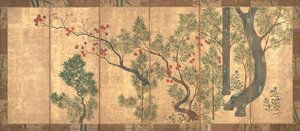
Osnovne informacije
- Artistic Movement Or Style: Peredvizhniki
- Artists Or Movements Influenced By This Artist: ['Isaac Levitan']
- Artists Who Influenced This Artist:
- Vasily Perov
- Vladimir Makovsky
- Date Of Birth: March 16, 1865
- Date Of Death: February 13, 1923
- Full Name: Aleksei Mikhailovich Korin
- Nationality: Russian
- Notable Artworks:
- The Sick Artist
- Plyos Landscape
- Place Of Birth: Palekh, Russia

