

 Pregledaj u prostoru
 Pošalji
 Podeli
 Detalji o delu

 Преузми
 Slični predmeti
 Rendgenski snimak
 Slajdovi
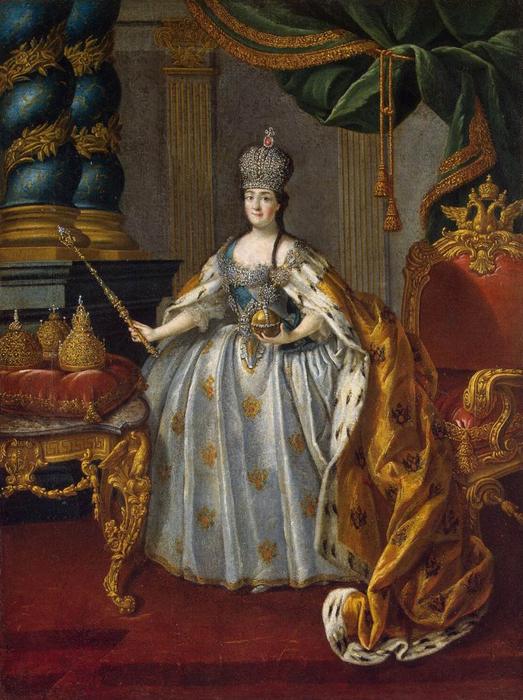
Portrait of Catherine II
 Acrylic On Canvas
- WallArt
- Baroque Realism
 51.0 x 38.0 cm
 Hermitage Museum
 Pročitaj više
Kupite digitalnu sliku visoke rezolucije i poboljšanog kvaliteta, koja je znatno superiornija od onoga što vidite u online prikazu.
Svaka datoteka je pedantno pripremljena od strane naših stručnjaka koristeći napredne alate i profesionalnu ručnu retušu. Osiguravamo da svaka slika ima izuzetnu oštrinu, preciznu reprodukciju boja i fine detalje.
Konačna datoteka se dostavlja putem e-pošte u roku od 72 sata, optimizovana za neposrednu upotrebu u profesionalnim, izdavačkim i štamparskim okruženjima. To je isti kvalitet kojem veruju vrhunski studiji dizajna, izdavači i galerije.
Digitalna slika
Preuzmite datoteku visoke rezolucije za ličnu upotrebu, štampanje i kreativne projekte. ( Kupi print Kupi ručno naslikanu sliku)
Uključeno uz svaku porudžbinu digitalne slike
Profesionalna digitalna isporuka, zagarantovana
Kada odaberete ArtsDot.com, ne dobijate samo sliku – vi primate profesionalno unapređeno digitalno umetničko delo, izrađeno sa najvećom preciznošću i uz garanciju zadovoljstva. Evo svega što automatski dolazi uz vašu porudžbinu:

Brza dostava putem e-pošte
Vaša digitalna slika visoke rezolucije biće vam poslata putem e-pošte u roku od 72 sata od poručivanja – spremna za trenutnu upotrebu.

Digitalna datoteka unapređena veštačkom inteligencijom
Vaše umetničko delo je profesionalno optimizovano korišćenjem naprednih AI alata i ručne obrade, čime se osiguravaju maksimalni detalji, oštrina i preciznost boja.

Besplatna ponovna isporuka doživotno
Slučajno ste obrisali ili izgubili svoju datoteku? Ne brinite – poslaćemo vam je ponovo u bilo kom trenutku, potpuno besplatno.

Bez troškova uvoza – zauvek
Uživajte u svojim umetničkim delima trenutno, bez carine, dažbina ili troškova dostave – digitalni download je uvek bez poreza.

Garancija vernosti boja
Uz pomoć profesionalnih alata i upravljanja bojama, osiguravamo da vaša digitalna slika što vernije odražava originalne boje.

Garancija zadovoljstva u roku od 60 dana
Ako niste zadovoljni svojom digitalnom slikom, revidirat ćemo je ili vratiti 100% novca u roku od 60 dana – bez ikakvih pitanja.

100% garancija povrata novca
Niste zadovoljni? Obezbedite pun povrat novca u roku od 60 dana od trenutka kada ste primili svoju digitalnu datoteku – bez suvišnih pitanja.

Popusti na velike porudžbine
Kupite 3 slike, uštedite 10% - Kupite 5 slika, uštedite 15% - Kupite 10+ slika, uštedite 20%. Odlično za kreativne projekte, galerije i agencije.
A Portrait Steeped in Imperial Grace: Aleksey Petrovich Antropov’s Vision of Catherine II
The canvas holds an arresting stillness—a portrait of Catherine II, Empress of Russia, rendered by Aleksey Petrovich Antropov sometime around 1785. More than just a likeness, it's a meticulously crafted tableau that encapsulates the grandeur and sophistication of the Russian court during her reign, offering viewers a window into both royal power and artistic brilliance. Antropov’s masterful technique—characterized by meticulous detail and luminous color palettes—elevates this depiction beyond mere representation, transforming it into an emblem of imperial prestige.Subject Matter and Composition: Symbolism of Authority
The portrait depicts Catherine II seated upon a throne-like chair adorned with opulent gold detailing, immediately establishing her position as sovereign ruler. Her gaze is direct, unwavering, conveying confidence and composure—traits deemed essential for leadership during the Enlightenment era. The inclusion of a scepter in her right hand serves as a potent symbol of authority, mirroring the ceremonial traditions of the Russian monarchy. Furthermore, the draped fabric behind Catherine contributes to the overall impression of regal splendor, reinforcing the visual narrative of imperial dominion. Antropov’s careful arrangement of elements—the chair, the scepter, and the drapery—creates a harmonious composition that underscores Catherine II's dominance within her realm.Style and Technique: Realism Enhanced by Light
Antropov employed a distinctly realistic style, prioritizing accuracy in capturing the subject’s physical features and attire. However, he skillfully utilized chiaroscuro – the dramatic interplay of light and shadow – to sculpt Catherine II’s form and imbue the painting with depth and emotion. Observe how Antropov expertly highlights the contours of her face, emphasizing her expression and conveying a sense of inner dignity. The artist's meticulous attention to texture—evident in the folds of her gown and the sheen of the gold embellishments—further enhances the realism of the piece. These techniques demonstrate Antropov’s mastery of artistic craftmanship and his commitment to portraying Catherine II with profound sensitivity.Historical Context: Reflecting Enlightenment Ideals
Painted during Catherine II's ascension to the throne in 1762, this portrait reflects the broader intellectual currents of the Enlightenment. The Empress championed reforms aimed at modernizing Russia’s legal system and bolstering its cultural influence—a period marked by a fervent belief in reason and human progress. Antropov’s depiction aligns seamlessly with these ideals, portraying Catherine II as an enlightened ruler who embodies both intellect and regal grace. The opulent setting—the throne room—symbolizes the ambition of the Russian monarchy to emulate European sophistication and prestige during this transformative era.Emotional Impact: Capturing Majesty and Dignity
Ultimately, Antropov’s portrait succeeds in conveying a powerful emotional resonance. It transcends mere visual representation, capturing not only Catherine II's physical appearance but also her inner character—her unwavering resolve and inherent dignity. The painting invites contemplation on the complexities of leadership and the enduring legacy of imperial grandeur. Viewing this artwork evokes admiration for Antropov’s artistic skill and prompts reflection on the historical significance of Catherine II’s reign, cementing its place as a masterpiece of Russian Baroque art.- Artist: Aleksey Petrovich Antropov
- Year Painted: Approximately 1785
- Medium: Oil on Canvas
- Dimensions: 51 x 38 cm
Further Exploration:
For more information about Aleksey Petrovich Antropov and his artistic contributions, please visit this link:Portrait of Catherine II by ANTROPOV, Aleksey Petrovich. You can also discover similar artworks on Portrait of Grand Duchess Catherine Alekseevna, Future Empress Catherine II the Great and Portrait Of Catherine Ii.Srodna umetnička dela


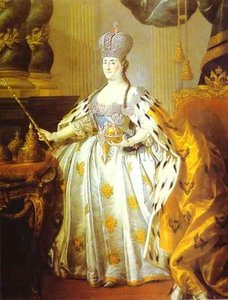
Biografija umetnika
Aleksey Antropov: The Painter of Imperial Grace
Born in Saint Petersburg in 1716, Aleksey Petrovich Antropov emerged as a pivotal figure in the landscape of 18th-century Russian art. His career spanned nearly half a century, marked by a remarkable versatility that encompassed portraiture, ecclesiastical frescoes, and miniature painting—a testament to his artistic breadth and adaptability within the evolving courtly and religious spheres of Imperial Russia. Antropov’s work is not merely decorative; it offers intimate glimpses into the lives of nobility, the grandeur of imperial ceremonies, and the spiritual heart of the Orthodox Church.
Antropov's early life was steeped in the traditions of the Russian state. His father held a position within the Armory, an institution responsible for maintaining the royal collections—a formative experience that undoubtedly instilled in him an appreciation for craftsmanship and historical context. He began his artistic training at the Chancellery of Buildings, where he honed his skills under the tutelage of established masters. This early exposure to architectural decoration and portraiture laid the foundation for his future success. Crucially, he received instruction from Louis Caravaque, a French court painter who brought Western European techniques and sensibilities into Russian art, influencing Antropov’s approach to composition, lighting, and detail.
The Frescoes of Power: Kiev and Beyond
Antropov's reputation truly blossomed during his period in Kiev (1752-1755), where he was commissioned to decorate the St. Andrew’s Church. This project represents a high point in his career, showcasing his mastery of fresco technique and his ability to imbue religious subjects with a palpable sense of drama and emotion. The most celebrated work from this period is undoubtedly the “Last Supper,” a monumental fresco that dominates the altar space—a vibrant tableau filled with meticulously rendered figures and an impressive use of color. The scale and ambition of this undertaking demonstrated Antropov’s growing confidence as an artist, solidifying his position within the highest echelons of the Russian artistic establishment.
Beyond Kiev, Antropov continued to contribute significantly to the decoration of prominent St. Petersburg landmarks. He played a key role in embellishing the Winter Palace, Anichkov Palace, and other royal residences, imbuing these spaces with an aura of imperial splendor. His work during this time was characterized by a refined elegance and a meticulous attention to detail—qualities that reflected the prevailing aesthetic sensibilities of the Russian court.
Portraiture and Courtly Influence
While his ecclesiastical frescoes secured Antropov’s place in architectural history, it is perhaps through his portraiture that he achieved the greatest renown. He produced a series of captivating portraits of members of the Imperial family and the aristocracy—works that offer invaluable insights into the fashion, customs, and social dynamics of 18th-century Russia. His portraits are not simply likenesses; they capture the personalities and bearing of his subjects with remarkable sensitivity and psychological depth. Notably, he painted a series of portraits of Empress Elizabeth, capturing her regal presence and inner strength. His portrait of Count Rumyantsev is particularly admired for its subtle use of color and its evocative portrayal of aristocratic elegance.
Antropov’s artistic trajectory was significantly shaped by his association with Prince Ivan Shuvalov, a prominent figure in the Imperial court. Shuvalov recognized Antropov's talent and provided him with patronage and opportunities—a crucial factor in his professional advancement. The prince’s support enabled Antropov to pursue his artistic ambitions without the constraints of financial hardship.
Legacy and Influence
Aleksey Petrovich Antropov died in Saint Petersburg in 1795, leaving behind a substantial body of work that continues to be admired for its technical skill, stylistic grace, and historical significance. His frescoes remain as testaments to the grandeur of Imperial Russia, while his portraits offer intimate glimpses into the lives of those who shaped the nation’s destiny. Antropov's influence extended beyond his own lifetime, particularly through his student Dmitry Levitzky, who carried on Antropov’s artistic legacy and further developed his techniques.
Today, Antropov’s works are housed in museums across Russia and beyond—a testament to their enduring appeal. His art serves as a valuable window into the cultural and artistic landscape of 18th-century Russia, offering insights into the values, beliefs, and aspirations of a bygone era.
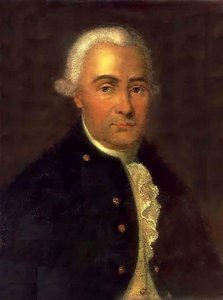
aleksey petrovich antropov
1716 - 1795

