 Pregledaj u prostoru
 Pošalji
 Podeli
 Detalji o delu

 Преузми
 Slični predmeti
 Rendgenski snimak
 Slajdovi
Stories of St. Jerome


 Pročitaj više
Ručno rađena uljana reprodukcija
Ručno oslikano uljanim bojama na platnu u dimenzijama i okviru po vašem izboru, izrađeno po porudžbini od strane naših umetnika. ( Kupi print Kupi digitalnu sliku)




P118B $10

P118H $10

P118W $10

P438Z $10

P508JH $12

P508YH $12

P805H $10

P805Z $10

P919BZ $10

P919G $10

P919XJ $10

P959ZH $10

P968JZ $12

W106C $8

W218G $10

W218JH $8

W218Y $10

W307PJ $10

W316G $10

W316PJ $8

W316Y $10

W398PJ $8

W4111J $10

W500HY $15

W500JH $15

W692G $12

W849H $8

W940BG $15

W953PJ $8




Izaberite jednu od naših unapred definisanih veličina koje odgovaraju originalnim proporcijama umetničkog dela.

Можете унети сопствене димензије како бисте прилагодили дело одређеном оквиру или простору. Ако одабрана величина не одговара пропорцијама оригинала, слика ће бити исечена или проширена додатним елементима који се ручно насликавају. Дигитални prikaz ће вам бити послат на одобрење пре почетка производње.
Имајте на уму да преглед на екрану не одражава стварно исецање или проширење. Само приказ (mockup) ће тачно приказати коначну композицију.
Иако су доступне прилагођене величине, препоручујемо да одаберете димензију из дефинисане листе како бисте сачували оригиналне пропорције.
Nakon narudžbine, tim ArtsDot.com će klijentu putem e-pošte poslati uputstva i dostaviti prikaz predloženog rešenja
Isporuka širom sveta () za 3/4 nedelje umesto uobičajenih 5 nedelja. (21 август). Bez kompromisa po pitanju kvaliteta.

Besplatna ekspresna dostava širom sveta

Visokokvalitetno laneno platno

Kompletno osiguranje transporta

Garancija povraćaja carine i uvoznih dažbina

Garancija vernosti boja

Politika povrata u roku od 60 dana (samo u slučaju nedostataka)

Garancija povrata novca od 100%

Popust pri grupnoj kupovini
 Opcija sa staklom dostupna je samo za dimenzije manje od 110 cm

Stories of St. Jerome
Tehnika reprodukcije
Dimenzije reprodukcije
-


Konačna cena
$ 313
Opis umetničkog dela
A Tapestry of Papal Authority: Alessandro Allori’s “Stories of St. Jerome”
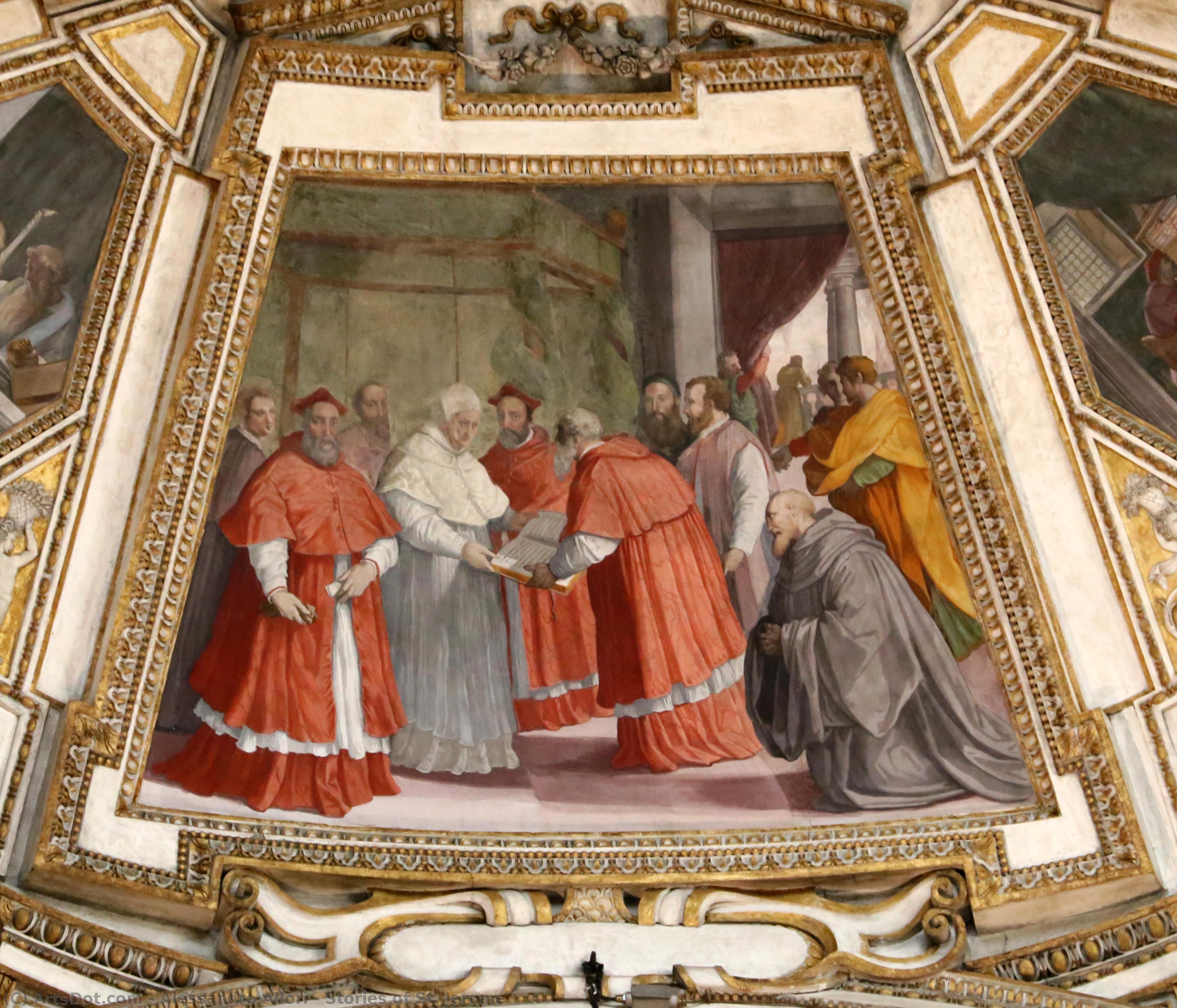
Alessandro Allori's "Stories of St. Jerome," painted in 1577, is more than just a fresco; it’s a meticulously crafted window into the heart of Renaissance Rome and the complex dynamics of papal power. Commissioned likely for a prominent location within a religious institution – though its exact whereabouts remain elusive – this monumental work offers a captivating glimpse into the intellectual and political landscape of the late 16th century. The painting depicts a scene brimming with scholarly activity, centered around a gathering of cardinals and monks engaged in a formal exchange of documents, all set against an intricately designed architectural backdrop.
The style is firmly rooted in the Mannerist tradition, yet subtly anticipates the burgeoning Baroque aesthetic. Allori’s signature approach—characterized by polished surfaces, elongated figures, and a deliberate sense of theatricality—is evident throughout. However, unlike some of his contemporaries who leaned heavily on Bronzino's cool elegance, Allori imbues his work with a vibrant energy and a heightened sense of drama. The figures are rendered with remarkable realism, their drapery cascading in luxurious folds, while the architectural elements – arches, columns, and vaulted ceilings – possess an almost sculptural quality. The use of perspective is masterful, creating a convincing illusion of depth within the confined space, though it’s characteristic of fresco painting—a flattened effect achieved through careful modeling and shading.
Decoding the Narrative: Figures and Their Significance
At the heart of the composition stands a group of cardinals, their faces conveying an air of solemn deliberation. They are surrounded by monks, engrossed in the meticulous process of examining and signing documents – likely decrees or pronouncements issued from the papal court. The inclusion of other men observing from a distance suggests a broader audience, emphasizing the gravity and importance of the proceedings. The central figure, often interpreted as St. Jerome himself (though not explicitly depicted), is subtly integrated into the scene, perhaps representing the patron saint of scholars and translators – a fitting subject for such an intellectual gathering.
Beyond the immediate depiction of a formal meeting, “Stories of St. Jerome” speaks to the broader themes of papal authority, scholarship, and the dissemination of knowledge. The act of signing documents symbolizes the power of the papacy to shape religious doctrine and influence the course of history. The monks represent the dedication to learning and the preservation of ancient texts – vital roles within the Catholic Church at the time. The overall effect is one of controlled power balanced by intellectual pursuit, a delicate equilibrium that defined much of Renaissance Rome.
Technique and Materials: A Masterclass in Fresco Painting
As a fresco, “Stories of St. Jerome” was executed directly onto wet plaster, allowing the pigments to bind permanently within the material. This technique demanded meticulous planning and execution, as any errors would be irreversible. Allori’s skill is particularly evident in his masterful use of color – dominated by rich reds, creams, and browns—to create a sense of depth and atmosphere. The application of pigment is remarkably smooth, reflecting the artist's careful attention to detail and his mastery of *buon fresco* (good fresco) technique.
The illusionistic space created through perspective is achieved not just through linear techniques but also through carefully rendered architectural details – the arches, columns, and ceiling coffers—that mimic the real world. The use of *trompe-l'oeil*, or “fooling the eye,” adds to the painting’s immersive quality, drawing the viewer into the scene and blurring the boundaries between reality and representation. The subtle variations in texture, achieved through layering pigments and manipulating the plaster surface, further enhance the illusionistic effect.
Emotional Resonance: A Portrait of Power and Reflection
Despite its formal subject matter, “Stories of St. Jerome” possesses a profound emotional resonance. The solemn expressions on the faces of the cardinals convey a sense of weighty responsibility, while the attentive gaze of the monks suggests a deep engagement with their work. The overall atmosphere is one of quiet contemplation and intellectual rigor – a testament to the importance of learning and scholarship within the context of papal authority.
More than just a historical record, this fresco invites viewers to reflect on the nature of power, knowledge, and faith. It’s a powerful reminder of the complex interplay between religious institutions, political forces, and intellectual pursuits that shaped Renaissance Europe. Today, reproductions of “Stories of St. Jerome” continue to captivate audiences with their masterful technique, evocative imagery, and enduring relevance.
Srodna umetnička dela
Biografija umetnika
Наслеђе Фиренце: Живот и уметност Алесандра Алорија
Алесандро Алори, рођен у Фиренци 31. маја 1535. године, представља фасцинантну фигуру касног маниристичког стила. Његов уметнички пут је био дубоко обликован околностима; рано остао сироче, пронашао је необичног оца и ментора у Анђелу Бронзину, једном од најславнијих сликара Фиренце. Ово усвајање није било само породична ствар – то је било уроњавање у свет рафиниране технике, интелектуалне строгости и карактеристичних естетских принципа који ће дефинисати његов сопствени стил. Бронзино га је не само опремио техничком мајсторшћу већ и посебном осетљивошћу: склоношћу полираним површинама, издуженим формама и хладном, готово скулптуралном квалитету његових фигура. Овај утицај постао је камен темељац Алоријеве уметничке личности, иако је током каријере често био критикован због перцепције изведености. Допуњавао је ову основну обуку анатомијским студијама – чак је спроводио дисекције у болници Санта Марија Нуова – демонстрирајући посвећеност разумевању људског облика који је био основа његових стилизованих представљања.Ехо маниризма и уметнички развој
Алоријев рад је дубоко укорењен у маниристичкој традицији, уметничком покрету карактеризованом вештачношћу, елеганцијом и нагласком на стилској софистицираности уместо на реалистичном приказу. Међутим, он није био револуционар; радије је био вешт тумач и развијач постојећих облика. Критичари су често примећивали његову тенденцију да се у великој мери ослања на претходну уметност, прочишћавајући и поновно тумачећи радове мајстора попут Микеланђела и Рафаела кроз призму Бронзинове естетике. То није нужно недостатак – говори о Алоријевој улози као кључне фигуре у преносу уметничког знања у фирентинским круговима. Његове слике су обележене готово узнемиравајућом глаткошћу, фигурама које поседују мермерски квалитет који им даје дводимензионалан, статуарни изглед. Овај ефекат није био само питање технике; то је био намерни естетски избор, који одражава маниристичку жељу да се уметност уздигне изнад природе, да би се створиле слике идеализоване лепоте и интелектуалне сложености. Водио је једну од најважнијих радионица Фиренце заједно са Санти ди Титом, а његови ученици су укључивали познате уметнике попут Кристофора дел Алтисима, Чезареа Дандинија, Аурелиа Ломија и његовог сина, Кристофана Алорија, обезбеђујући наставак овог уметничког наслеђа.Главна дела и покровитељство
Алоријева каријера је процветала под покровитељством истакнутих фирентинских породица, највише Медичија. Значајно је допринео неколико важних декоративних пројеката за њих, укључујући његов рад на Студиолу Франческа I у Палацу Векио. Његови *Ловац бисера*, део ове елаборне коморе, пример је његове способности да створи сложене алегоријске сцене испуњене грациозним фигурама и детаљним детаљима. Такође је проширио фреске које су започели ранији мајстори попут Андрее дел Сарта и Франћиабиђа у Вили ди Пођо а Кајано, демонстрирајући и своју техничку вештину и спремност да се ангажује са уметничким наслеђем Фиренце. Осим ових великих поруџбина, Алори је произвео бројне портрете, религиозне слике и олтарске слике које показују његово мајсторство композиције, боје и форме. Истакнут пример је “Алегорија људског живота”, смештена у Галерији Уфици, која оличава ренесансне хуманистичке идеале који су били преовладали током његовог времена. Његова фреска "Приче светог Јеронима" додатно демонстрира његову вештину наративног сликања и илузионистичког простора.Наслеђе и историјски значај
Алесандро Алори је умро у Фиренци 22. септембра 1607. године, оставивши за собом корпус дела који наставља да фасцинира и изазива историчаре уметности. Иако га често надјачују иновативнији уметници његовог времена, његов значај лежи у његовој улози као кључне фигуре у касном маниристичком покрету и као преносиоцу уметничке традиције. Он није био новатор наравно попут Микеланђела или Леонарда да Винчија, али је био изузетно вешт занатлија који је прочишћавао и развијао постојеће стилове, обезбеђујући њихово опстанак за будуће генерације. Прича о слици – можда портрету Елеоноре ди Толедо де Медичи – враћена у Гемaлдегалерију у Берлину након деценија изгубљена, додаје интригантни слој његовом наслеђу. Његов утицај се протезао кроз бројне ученике, највише његовог сина Кристофана Алорија, који је наставио породичну уметничку традицију. Алоријеве слике остају драгоцене сведочења елеганције и интелектуалне сложености фирентинског маниризма, нудећи увид у свет где уметност није била само о репрезентацији већ о потрази за идеализованом лепотом и рафинираним изразом. Он остаје важна фигура за разумевање прелаза од ренесансне уметности ка барокном периоду.Истраживање Алоријевог света данас
- Музејске збирке: Откријте ремек-дела Алесандра Алорија у институцијама попут Галерије Уфици, Гемaлдегалерије у Берлину и разним другим музејима широм света.
- Истакнута дела: Истражите иконичне слике као што су “Алегорија људског живота”, “Приче светог Јеронима” и његов допринос Студиолу Франческа I.
- Даља истраживања: Удубљите се у Алоријев живот и уметност кроз ресурсе попут Википедије, архива музеја Гети и научних чланака о фирентинском маниризму.
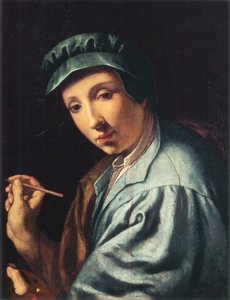
Алесандро Алори
1535 - 1607 , Србија
Osnovne informacije
- Artistic Movement Or Style: Manirizam
- Artists Or Movements Influenced By This Artist: ['Kristofano Allori']
- Artists Who Influenced This Artist: ['Agnolo Bronzino']
- Date Of Birth: 31. maj 1535.
- Date Of Death: 22. septembar 1607.
- Full Name: Alessandro Allori
- Nationality: Italijan
- Notable Artworks:
- Alegorija života
- Priče o Jeremiji
- Place Of Birth: Firenca, Italija
Povezani članci

Porodična freska nasleđe: Očuvanje kulture i identiteta kroz zidno slikarstvo – Istorijski uvid za kolekcionare
Istražite bogatu istoriju zidnog slikarstva i njegov značaj za očuvanje kulture i porodičnog nasleđa. Ekskluzivni uvid za kolekcionare, restauratore i ljubitelje umetnosti. Saznajte više o tehnikama, vrednosti i budućnosti ove drevne veštine.

The Enduring Legacy of Fresco Painting: Techniques, History & Contemporary Relevance
Explore the rich history & enduring artistry of fresco painting – from Giotto to Michelangelo! Discover techniques, conservation efforts, & modern applications. Learn how ArtsDot brings this timeless art form to your home.

The Enduring Legacy of Fresco: Technique, History & Artistic Expression Across Cultures
Explore the rich history & enduring legacy of fresco painting! Discover ancient techniques, Giotto's masterpieces, and modern applications. Expert insights for art lovers & professionals.
The Enduring Legacy of Fresco: Technique, History & Artistic Expression
Explore the rich history & enduring artistry of fresco painting. Discover techniques from Giotto to Michelangelo, conservation efforts, & modern applications. Learn how ArtsDot brings this timeless art form to your home.
Umetnička dela koja oživljavaju prostor: Emocionalna snaga personalizovane freske u enterijeru
Otkrijte emocionalnu snagu personalizovane freske! Ekskluzivni vodič o istoriji, tehnikama i primeni freski u luksuznom dizajnu enterijera. Kreirajte jedinstveno umetničko delo za vaš dom.