

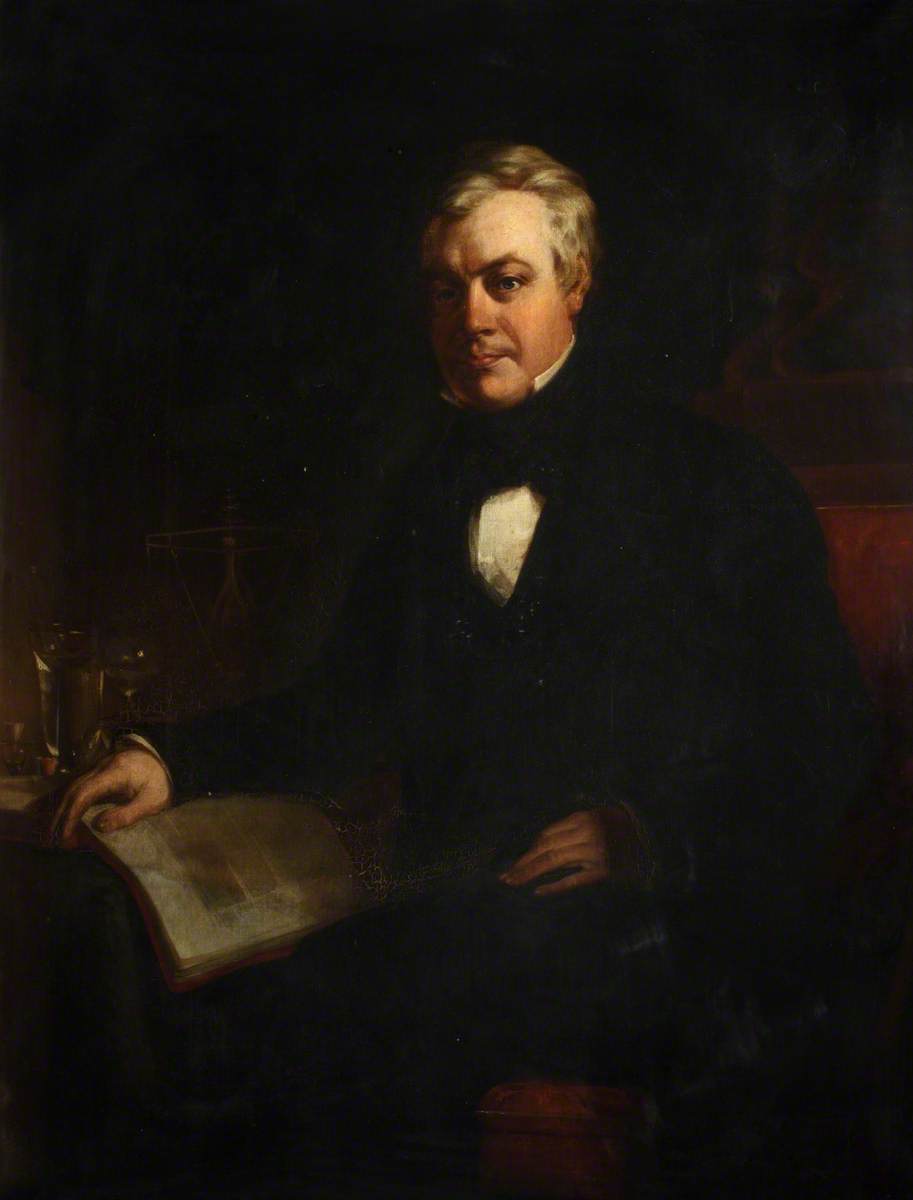
 Pregledaj u prostoru
 Pošalji
 Podeli
 Detalji o delu

 Преузми
 Slični predmeti
 Rendgenski snimak
 Slajdovi
Thomas Clark (1801–1867)
 1856
1856 123.0 x 99.0 cm
 Pročitaj više
Ručno rađena uljana reprodukcija
Ručno oslikano uljanim bojama na platnu u dimenzijama i okviru po vašem izboru, izrađeno po porudžbini od strane naših umetnika. ( Kupi print Kupi digitalnu sliku)




































Izaberite jednu od naših unapred definisanih veličina koje odgovaraju originalnim proporcijama umetničkog dela.

Можете унети сопствене димензије како бисте прилагодили дело одређеном оквиру или простору. Ако одабрана величина не одговара пропорцијама оригинала, слика ће бити исечена или проширена додатним елементима који се ручно насликавају. Дигитални prikaz ће вам бити послат на одобрење пре почетка производње.
Имајте на уму да преглед на екрану не одражава стварно исецање или проширење. Само приказ (mockup) ће тачно приказати коначну композицију.
Иако су доступне прилагођене величине, препоручујемо да одаберете димензију из дефинисане листе како бисте сачували оригиналне пропорције.
Nakon narudžbine, tim ArtsDot.com će klijentu putem e-pošte poslati uputstva i dostaviti prikaz predloženog rešenja
Isporuka širom sveta () za 3/4 nedelje umesto uobičajenih 5 nedelja. (28 август). Bez kompromisa po pitanju kvaliteta.

Besplatna ekspresna dostava širom sveta

Visokokvalitetno laneno platno

Kompletno osiguranje transporta

Garancija povraćaja carine i uvoznih dažbina

Garancija vernosti boja

Politika povrata u roku od 60 dana (samo u slučaju nedostataka)

Garancija povrata novca od 100%

Popust pri grupnoj kupovini
 Opcija sa staklom dostupna je samo za dimenzije manje od 110 cm

Thomas Clark (1801–1867)
Tehnika reprodukcije
Dimenzije reprodukcije
-


Konačna cena
$ 263
Srodna umetnička dela









Biografija umetnika
The Soul of the Highlands: The Artistic Journey of Alexander Craig
In the heart of the nineteenth century, a period defined by the tension between classical order and the untamed spirit of Romanticism, Alexander Craig emerged as a vital voice in British art. Born in Edinburgh in 1808, Craig was a painter who possessed the rare ability to navigate two seemingly disparate worlds. His early years were rooted in the disciplined traditions of the Edinburgh Academy, where he mastered the rigorous principles of classical drawing, proportion, and form. This foundational training provided him with a technical precision that would later allow him to capture the most minute details of both human character and rugged terrain. Yet, while his hands were trained in neoclassicism, his heart was drawn toward the sublime, a passion ignited by his encounter with the celebrated landscape painter Samuel Laurence.
Under the mentorship of Laurence, Craig’s artistic sensibilities underwent a profound transformation. He moved beyond mere topographical accuracy to embrace the dramatic lighting and expressive brushwork that defined the Romantic movement. This evolution allowed him to translate the raw, atmospheric power of the Scottish Highlands onto canvas. His works, such as those depicting the legendary Ben Nevis, Glencoe, and Loch Lomond, are more than just visual records; they are emotional explorations of nature’s grandeur and terror. Through a meticulous process of painstaking sketching and delicate watercolor washes, Craig achieved a level of realism that captured the very essence of the mist-shrouded mountains and the tranquil depths of the lochs, creating a sense of presence that continues to resonate with viewers today.
Mastery of Portraiture and the Classical Legacy
While his landscapes captured the wildness of Scotland, Craig’s mastery of portraiture demonstrated his profound respect for the masters of the past. He possessed an extraordinary ability to reinterpret classical styles for a contemporary audience, most notably through his extensive collaborations and copies after the Flemish master Anthony van Dyck. These works, such as his stunning rendition of Edward Somerset, 2nd Marquis Worcester, serve as enduring symbols of Baroque elegance. In these portraits, Craig utilized chiaroscuro lighting and rich, textured details to evoke a sense of historical weight and aristocratic sophistication, proving that his technical virtuosity was just as potent in the studio as it was in the field.
His talent for capturing the human essence extended to contemporary figures as well, blending his classical training with a modern sensibility. A notable example is his 1842 masterpiece, James Smith of Deanston, where he utilized bold brushstrokes and vivid colors to depict a subject exuding confidence and sophistication. In this work, the interplay of light and shadow adds a palpable depth to the composition, showcasing his ability to breathe life into oil on canvas. This duality—the ability to honor the meticulous traditions of the Old Masters while embracing the emotive freedom of the Romantic era—is what defines Craig’s unique contribution to the art historical canon.
The legacy of Alexander Craig remains a testament to the enduring power of observation and emotion. His life's work stands as a bridge between eras, offering a window into a time when the precision of the academy met the wild, unbridled beauty of the natural world. Through his landscapes and portraits, he did not merely paint what he saw; he painted how it felt to stand before the majesty of the Highlands or in the presence of greatness.
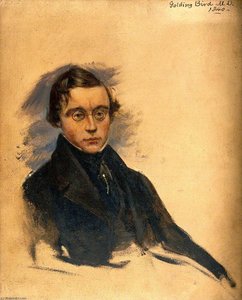
alexander craig
1808 - 1878
Osnovne informacije
- Artistic Movement Or Style: Romantic Landscape Painting
- Artists Or Movements Influenced By This Artist: ['Romantic Landscape Painting']
- Artists Who Influenced This Artist:
- Samuel Laurence
- Anthony van Dyck
- Date Of Death: 1878
- Full Name: Alexander Craig
- Nationality: Scottish
- Notable Artworks:
- Justus von Liebig (copy after Samuel Laurence)
- Edward Somerset, 2nd Marquis Worcester (copy after Anthony van Dyck)
- Place Of Birth: Glasgow, Scotland

