

 Pregledaj u prostoru
 Pošalji
 Podeli
 Detalji o delu

 Преузми
 Slični predmeti
 Rendgenski snimak
 Slajdovi
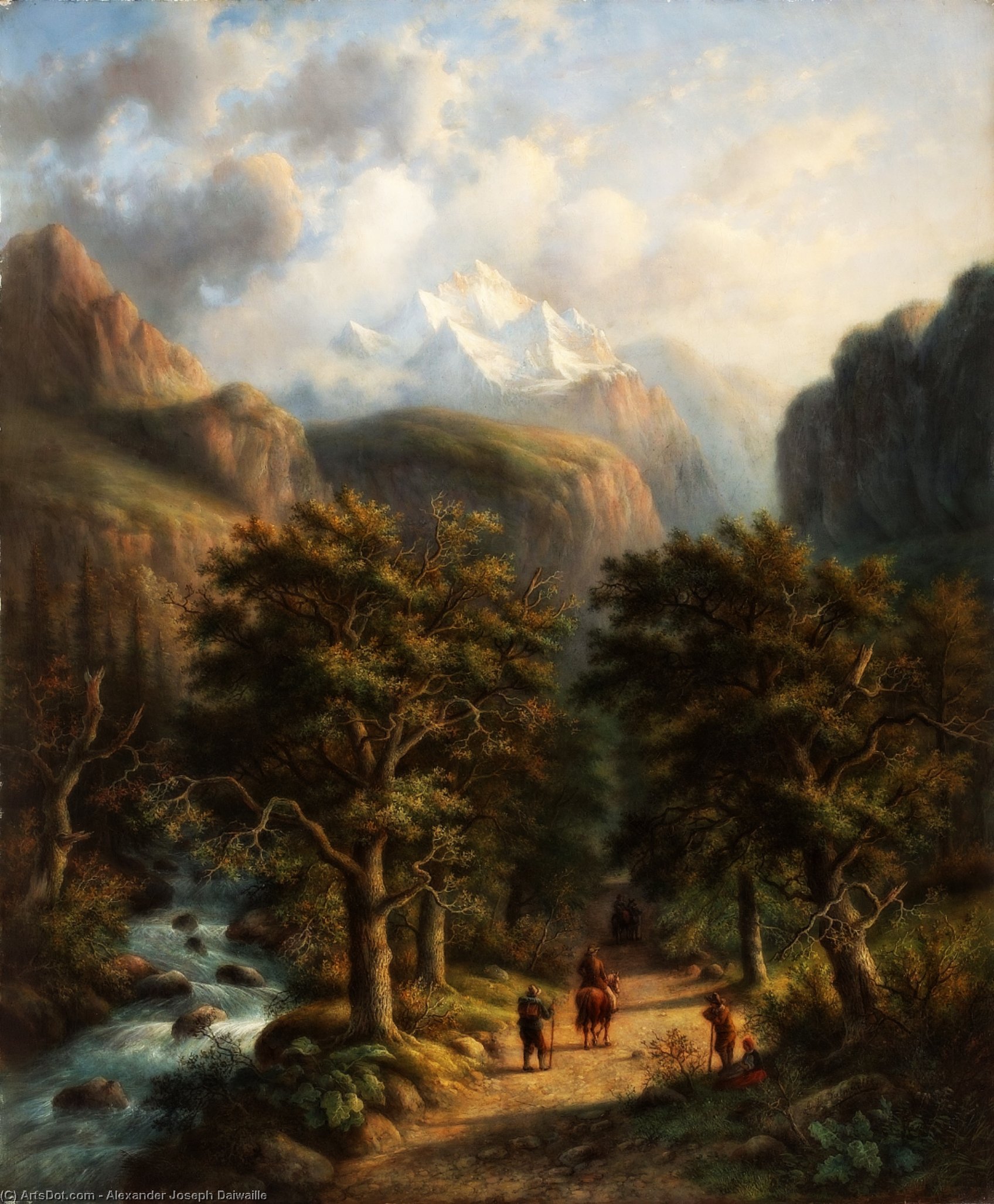
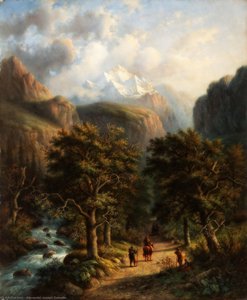
Landschaft im Hochgebirge
 Pročitaj više
Ručno rađena uljana reprodukcija
Ručno oslikano uljanim bojama na platnu u dimenzijama i okviru po vašem izboru, izrađeno po porudžbini od strane naših umetnika. ( Kupi print Kupi digitalnu sliku)




































Izaberite jednu od naših unapred definisanih veličina koje odgovaraju originalnim proporcijama umetničkog dela.

Можете унети сопствене димензије како бисте прилагодили дело одређеном оквиру или простору. Ако одабрана величина не одговара пропорцијама оригинала, слика ће бити исечена или проширена додатним елементима који се ручно насликавају. Дигитални prikaz ће вам бити послат на одобрење пре почетка производње.
Имајте на уму да преглед на екрану не одражава стварно исецање или проширење. Само приказ (mockup) ће тачно приказати коначну композицију.
Иако су доступне прилагођене величине, препоручујемо да одаберете димензију из дефинисане листе како бисте сачували оригиналне пропорције.
Nakon narudžbine, tim ArtsDot.com će klijentu putem e-pošte poslati uputstva i dostaviti prikaz predloženog rešenja
Isporuka širom sveta () za 3/4 nedelje umesto uobičajenih 5 nedelja. (25 август). Bez kompromisa po pitanju kvaliteta.

Besplatna ekspresna dostava širom sveta

Visokokvalitetno laneno platno

Kompletno osiguranje transporta

Garancija povraćaja carine i uvoznih dažbina

Garancija vernosti boja

Politika povrata u roku od 60 dana (samo u slučaju nedostataka)

Garancija povrata novca od 100%

Popust pri grupnoj kupovini
 Opcija sa staklom dostupna je samo za dimenzije manje od 110 cm

Landschaft im Hochgebirge
Tehnika reprodukcije
Dimenzije reprodukcije
-


Konačna cena
$ 263
Srodna umetnička dela







Biografija umetnika
The Legacy of Alexander Joseph Daiwaille: Bridging Romantic Vision and Dutch Tradition
Alexander Joseph Daiwaille (1818–1888) stands as a significant figure in 19th-century Dutch art, particularly renowned for his captivating landscapes imbued with the spirit of Romanticism while simultaneously upholding the traditions established by his father, Jean Augustin Daiwaille. Born in Amsterdam to a family steeped in artistic lineage, Daiwaille’s formative years instilled within him an appreciation for meticulous observation and expressive brushwork. His father, a celebrated portrait painter, provided the foundation upon which Alexander would build a career that transitioned from the intimate study of human likeness to the expansive, emotive exploration of the natural world.
His early training focused primarily on portraiture, mirroring the stylistic conventions prevalent at the time and demonstrating a dedication to capturing the likeness of his subjects with remarkable accuracy. However, Daiswaille’s artistic inclinations eventually extended beyond mere representation; he possessed an innate fascination for the natural world, fueled by extensive travels across the Netherlands and Germany. These expeditions served as invaluable sources of inspiration, shaping his landscapes into evocative depictions of rural vistas and urban panoramas—scenes rendered with a masterful blend of tonal harmonies and atmospheric perspective characteristic of Romantic painters like Caspar David Friedrich.
A Journey Through Light and Landscape
The evolution of Daiwaille's style is deeply intertwined with his movements across Europe. His travels took him through various artistic hubs, including Hilversum, Nijmegen, and The Hague, each location contributing new textures to his visual vocabulary. A pivotal chapter in his life occurred during his time in Kleve, where he established a studio alongside his brother-in-law, the renowned landscape painter Barend Cornelis Koekkoek. This collaboration proved particularly fruitful, as it allowed for a profound intellectual exchange and experimentation with light and color.
In this shared creative space, Daiwaille honed a distinctive artistic style marked by luminous color palettes and an emphasis on capturing the fleeting effects of light upon the landscape. His works from this period are considered masterpieces of Dutch Romanticism, showcasing his ability to:
- Capture the ephemeral quality of sunlight filtering through dense woodland.
- Render the tranquil yet powerful presence of livestock within pastoral settings.
- Evoke a sense of the sublime through dramatic weather patterns and atmospheric depth.
- Balance the precision of his Dutch training with the emotional intensity of the Romantic movement.
Artistic Significance and Historical Resonance
As Daiwaille’s career progressed, he eventually settled in Brussels, where he remained until his death in 1888. While his roots were firmly planted in the Dutch tradition of meticulous detail, his heart belonged to the boundless horizons of the Romantic era. His ability to blend the structured clarity of his upbringing with the untamed beauty of nature allowed him to create works that resonate with both nostalgia and awe. Through his landscapes, one can witness a profound dialogue between the human observer and the vast, often unpredictable, majesty of the earth.
Today, the works of Alexander Joseph Daiwaille serve as a vital window into a transformative period of European art history. He remains a bridge between eras—a painter who respected the legacy of his ancestors while fearlessly embracing the emotional revolution of his time. His canvases continue to invite viewers to experience the quiet majesty of a snowy landscape or the sun-drenched peace of a landscape with cattle, ensuring his place in the pantheon of great Dutch masters.
Alexander Joseph Daiwaille
1818 - 1888 , Netherlands
Osnovne informacije
- Artistic Movement Or Style: Romanticism
- Artists Or Movements Influenced By This Artist: Barend Koekkoek
- Artists Who Influenced This Artist: Jean Augustin Daiwaille
- Date Of Birth: Amsterdam, Netherlands (1818)
- Date Of Death: 1888
- Full Name: Alexander Joseph Daiwaille
- Nationality: Dutch
- Notable Artworks:
- Landscape with Cattle
- Snow landscape
- Winter - A Peasant on a Path in a Wooded Landscape - a Town in the Background
- Place Of Birth: Amsterdam

