

 Pregledaj u prostoru
 Pošalji
 Podeli
 Detalji o delu

 Преузми
 Slični predmeti
 Rendgenski snimak
 Slajdovi
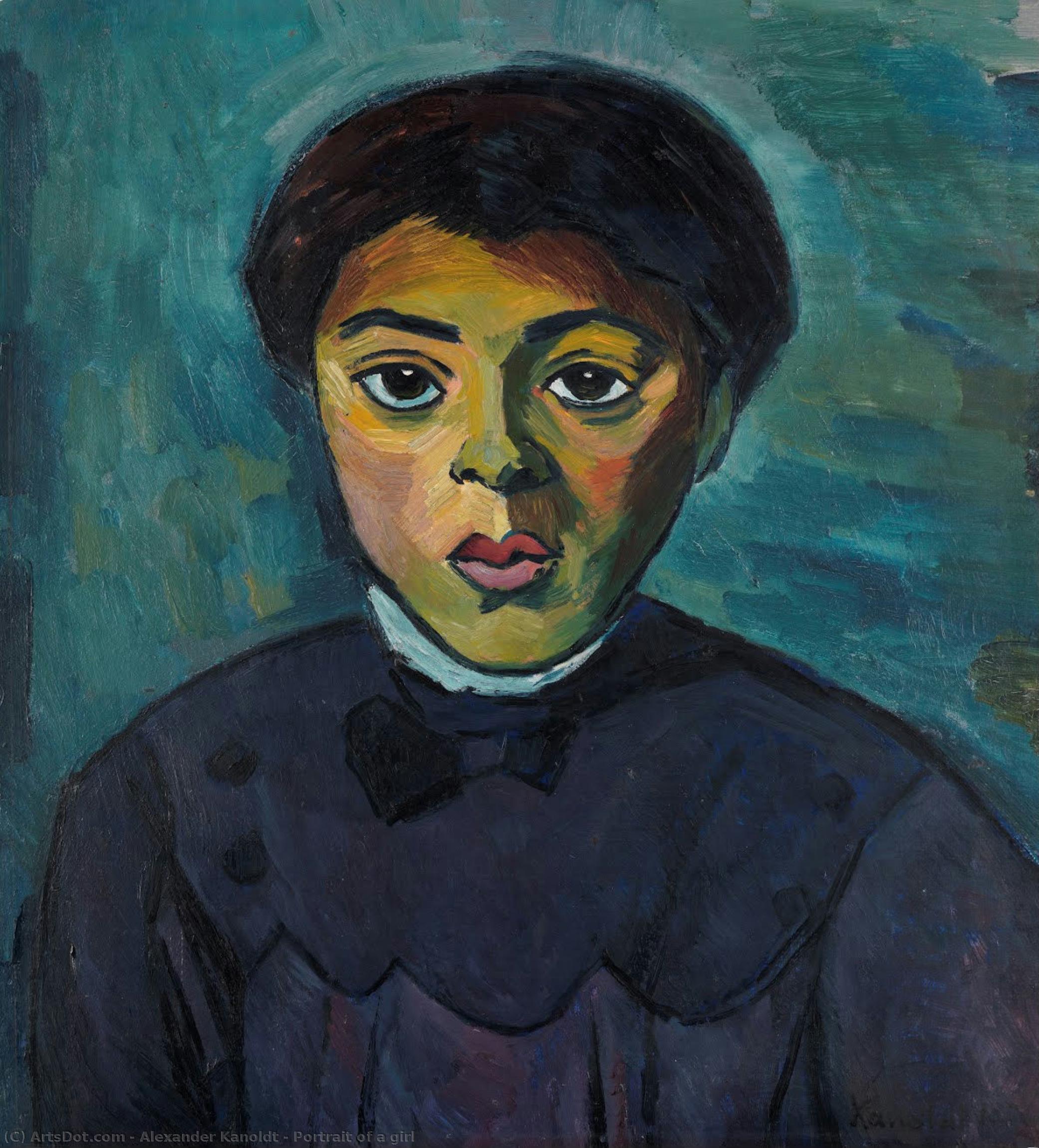
Portrait of a girl


 Pročitaj više
Giclee štampa / Umetnički otisak
Giclée štampa ili print na platnu muzejskog kvaliteta uz brzu proizvodnju i fleksibilne opcije završne obrade. ( Kupi ručno naslikanu sliku Kupi digitalnu sliku)




P118B $10

P118H $10

P118W $10

P438Z $10

P508JH $12

P508YH $12

P805H $10

P805Z $10

P919BZ $10

P919G $10

P919XJ $10

P959ZH $10

P968JZ $12

W106C $8

W218G $10

W218JH $8

W218Y $10

W307PJ $10

W316G $10

W316PJ $8

W316Y $10

W398PJ $8

W4111J $10

W500HY $15

W500JH $15

W692G $12

W849H $8

W940BG $15

W953PJ $8




Izaberite jednu od naših unapred definisanih veličina koje odgovaraju originalnim proporcijama umetničkog dela.

Možete uneti sopstvene dimenzije kako biste umetničko delo prilagodili specifičnom okviru ili prostoru. Ako odabrani format ne odgovara proporcijama originalne slike, mi ćemo ili iscrtati deo dela ili proširiti sliku pomoću ogledane ivice ili jednobojnog popunjavanja. Digitalni prikaz će vam biti poslat na odobrenje pre početka proizvodnje.
Imajte na umu da pregled na ekranu ne odražava stvarno iscrtavanje ili proširivanje. Samo će prikaz (mockup) precizno pokazati finalnu kompoziciju.
Iako su prilagođene dimenzije dostupne, preporučujemo da odaberete dimenziju sa unapred definisane liste kako biste očuvali originalne proporcije.
Dostava širom sveta () za 2 nedelje umesto uobičajenih 4/5 nedelja. (26 август)

Besplatna ekspresna dostava širom sveta

Visokokvalitetno laneno platno

Kompletno osiguranje transporta

Garancija povraćaja carine i uvoznih dažbina

Garancija vernosti boja

Politika povrata u roku od 60 dana (samo u slučaju nedostataka)

Garancija povrata novca od 100%

Popust pri grupnoj kupovini
 Opcija sa staklom dostupna je samo za dimenzije manje od 110 cm

Portrait of a girl
Giclee štampa / Umetnički otisak
Dimenzije reprodukcije
-


Konačna cena
$ 62
Opis predmeta
A Gaze Across Time: The Soul of Alexander Kanoldt’s Portraiture
In the quiet intimacy of Alexander Kanoldt’s 1911 masterpiece, Portrait of a Girl, we encounter more than just a likeness; we meet a profound moment of stillness captured in the amber of early twentieth-century German modernism. The painting presents a young girl with dark, lustrous hair, adorned by a delicate bow that serves as a soft punctuation to her solemn presence. As she gazters directly at the viewer, her expression—serious, contemplative, and remarkably mature for her years—creates an immediate, unshakeable connection. This is not merely a study of a subject, but an invitation into a psychological space where the boundaries between the observer and the observed begin to dissolve.
The composition is masterfully balanced, utilizing a striking contrast between the grounded, detailed presence of the girl and the ethereal expanse of a blue sky in the background. This choice of backdrop strips away the distractions of domesticity or landscape, forcing the eye to settle upon the subtle nuances of her facial features. The artist employs a technique that honors his Nazarene roots—a tradition of meticulous realism inherited from his father—yet infuses it with the burgeoning avant-garde spirit he encountered in Munich. There is a rhythmic clarity to the brushwork, where light and shadow dance across her skin, lending a sculptural quality to her face that feels both timeless and deeply human.
The Intersection of Tradition and Modernity
To understand the emotional weight of this portrait, one must look toward the vibrant intellectual landscape of 1911. Having moved to Munich and integrated into the Neue Sezession, Kanoldt was breathing the same air as legends like Kandinsky and Jawlensky. While his contemporaries were pushing toward total abstraction, Kanoldt found his unique voice in a refined, structured realism that captured the essence of form. In this portrait, we see the tension of that era: the weight of classical training meeting the modern desire to capture the psychological truth of the individual. The blue sky behind her does not just provide color; it acts as a void of infinite possibility, emphasizing the girl's singular, grounded reality.
For the discerning collector or interior designer, this piece offers a rare opportunity to introduce a sense of contemplative elegance into a space. The painting’s palette is both soothing and commanding, making it an ideal centerpiece for a room designed for reflection, such as a library, a study, or a sophisticated gallery wall. It possesses that elusive quality in fine art—the ability to command attention through silence rather than noise. A high-quality reproduction of this work allows the subtle textures of Kanoldt’s brushstrokes and the haunting depth of the girl's gaze to become a permanent, soulful fixture in a modern home, bridging the gap between historical significance and contemporary aesthetic grace.
Srodna umetnička dela
Biografija umetnika
Early Life and Artistic Training
Alexander Kanoldt was born in Karlsruhe, Germany, on September 29, 1881, into a family steeped in artistic tradition. His father, Edmond Kanoldt, himself a painter of the Nazarene style—a movement characterized by its devotional imagery and meticulous realism—provided him with an early exposure to visual art and instilled within him a profound appreciation for craftsmanship. This familial influence would prove pivotal in shaping Kanoldt’s own artistic trajectory. Following his formative years at Karlsruhe Academy of Fine Arts, he relocated to Munich in 1908, where he immersed himself in the vibrant intellectual milieu of the burgeoning avant-garde scene. It was here that he encountered luminaries such as Alexei Jawlensky and Wassily Kandinsky—artists who championed radical experimentation and challenged conventional artistic norms—and Gabriele Münter, establishing connections that would propel him into the heart of the Neue Sezession (New Secession).Membership in Neue Sezession and Initial Influences
Kanoldt’s involvement with Neue Sezession in 1913 marked a decisive turning point in his artistic development. Alongside Jawlensky and Kandinsky, he actively participated in debates concerning the direction of modern art, advocating for a stylistic approach that blended expressive abstraction with meticulous observation—a hallmark of what would become known as New Objectivity (Neue Sachlichkeit). The movement’s core tenets centered on confronting reality unflinchingly, rejecting sentimentalism and prioritizing clarity of form and precise rendering. Early influences included Henri Matisse's bold color palettes and Georges Braque’s pioneering explorations of Cubist principles, particularly the fragmentation of objects and the simultaneous depiction of multiple viewpoints—techniques that Kanoldt skillfully adapted to his own distinctive style.World War I and Stylistic Evolution
The outbreak of World War I in 1914 profoundly impacted Kanoldt’s life and artistic pursuits. He enlisted in the German army, serving bravely until 1918, during which time he honed his observational skills and deepened his understanding of spatial relationships. Returning from the war, Kanoldt's still lifes began to reflect the influence of artists like Pablo Picasso and Georges Braque, incorporating Cubist ideas—such as geometric simplification and multiple perspectives—into his compositions. However, unlike many of his contemporaries who embraced Expressionism’s emotive intensity, Kanoldt maintained a rigorously controlled aesthetic, prioritizing accuracy and detail above all else.The Magic Realist Style and Recurring Themes
By the early 1920s, Kanoldt established the style for which he is most celebrated: a mesmerizing blend of Magic Realism and New Objectivity. This distinctive approach involved depicting commonplace objects—pots plants, tins, fruit, mugs—on tabletops with astonishing precision, capturing subtle nuances of light and texture. Simultaneously, he explored geometrical landscapes, presenting them in austere compositions that emphasized geometric forms and spatial clarity. Recurring themes throughout his oeuvre included solitude, contemplation, and a fascination with the materiality of everyday life—subjects rendered with unwavering seriousness and imbued with an understated beauty.Later Career and Recognition
Kanoldt’s academic career began in 1925 when he was appointed professor at Breslau Academy (now Wrocław University), where he continued to teach until 1931. During this period, tensions arose between Kanoldt and the Bauhaus faction at the academy regarding artistic priorities—a clash that mirrored broader divisions within the German avant-garde. Despite facing increasing opposition from the Nazi regime in 1933, Kanoldt attempted to navigate the political landscape by adopting a Romantic style, albeit one that remained rooted in his uncompromising commitment to formal integrity. Tragically, many of his artworks were seized during Kristallnacht (Night of Broken Glass) in 1937 as “degenerate art,” marking a devastating blow to his artistic legacy. He died in Berlin in January 1939, leaving behind a body of work that continues to captivate viewers with its remarkable clarity and evocative stillness—a testament to Kanoldt’s enduring contribution to German Art History.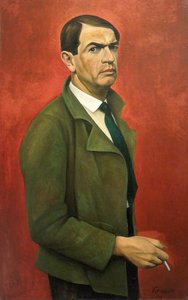
Alexander Kanoldt
1881 - 1939
Osnovne informacije
- Artistic Movement Or Style: Magic Realism
- Artists Or Movements Influenced By This Artist: ['Cubism']
- Artists Who Influenced This Artist:
- Edmond Kanoldt
- Derain
- Date Of Birth: September 29, 1881
- Date Of Death: January 24, 1939
- Full Name: Alexander Kanoldt
- Nationality: German
- Notable Artworks:
- Factory behind Trees
- Large Still Life with Jugs and a Red Tea Caddy
- Place Of Birth: Karlsruhe, Germany
Povezani članci
Slate Blue Masterpieces: 10 Iconic Paintings & Timeless Home Decor Ideas
Immerse yourself in the captivating world of slate blue! Explore 10 iconic paintings by Monet, Van Gogh & Renoir. Discover their stories, techniques & find museum-quality art reproductions for your home at .
The Allure of Azure: Exploring the Symbolic & Aesthetic Depths of Blue in Art History
Explore the rich history of blue in art! Discover its symbolism, from ancient pigments to modern masterpieces by Kandinsky & Seurat. Uncover the psychological impact and cultural meanings behind this captivating hue.
Azure Visions: Exploring Representations of the Blue Dress in Western Art History
Explore the rich history of the blue dress in Western art! Discover its symbolism, from Renaissance masterpieces to modern interpretations by artists like Martin & Schiele. Uncover cultural meanings and artistic techniques.
Dark Gray Masterpieces: 10 Iconic Paintings & Timeless Home Decor Ideas
Explore 10 iconic paintings dominated by dark gray tones, from Rembrandt & Caravaggio to Goya. Discover the stories behind these masterpieces and find museum-quality art reproductions for your home at . Explore the full collection online.
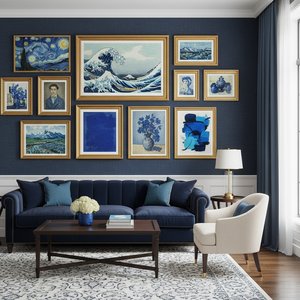
Navy Hues & Masterpieces: 10 Iconic Paintings for Elegant Home Decor
Dive into a world of captivating navy hues! Explore 10 iconic paintings – from Van Gogh's 'Starry Night' to Monet’s seascapes. Discover the stories behind these masterpieces & find museum-quality art reproductions for your home at .

