 Pregledaj u prostoru
 Pošalji
 Podeli
 Detalji o delu

 Преузми
 Slični predmeti
 Rendgenski snimak
 Slajdovi
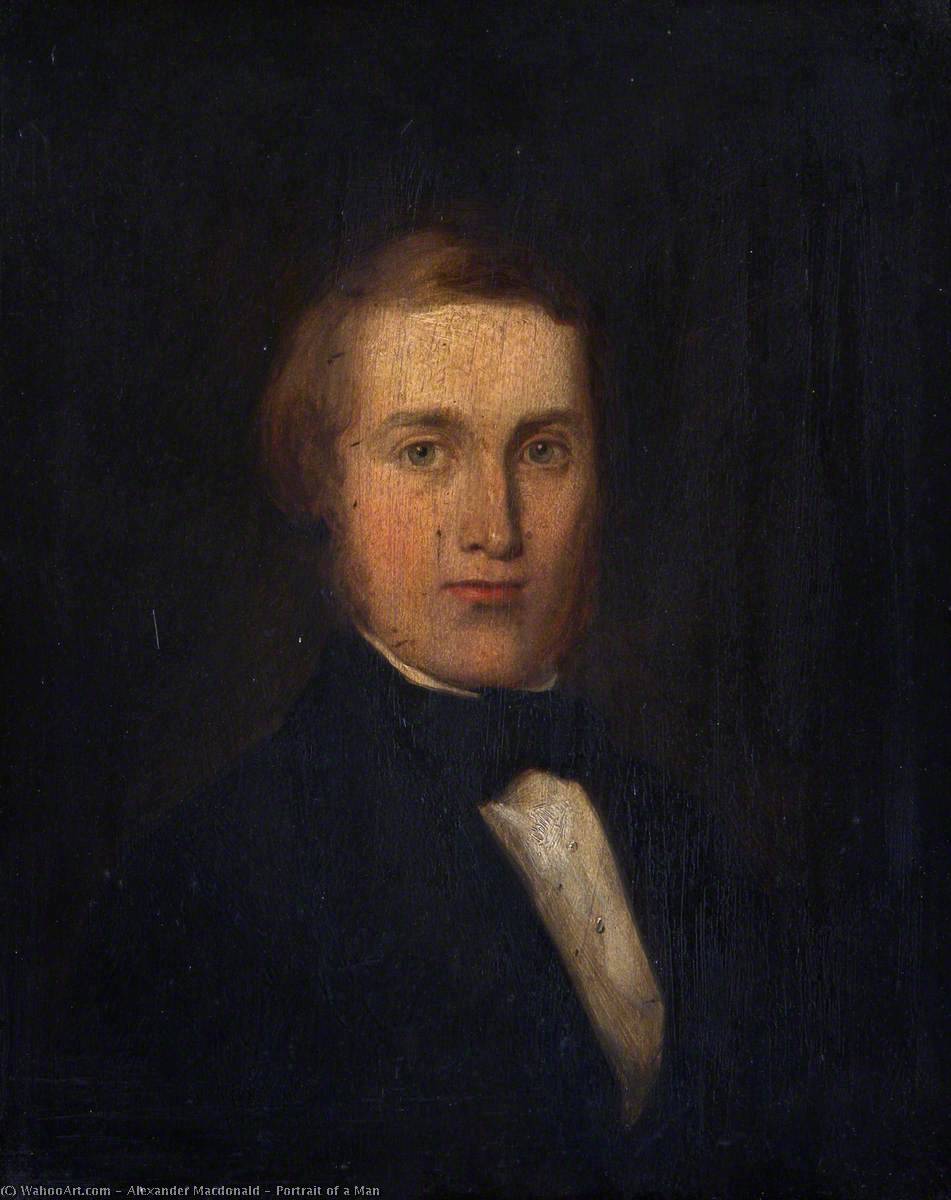
Portrait of a Man
 29.0 x 24.0 cm
 Hospitalfield Arts
 Pročitaj više
Giclee štampa / Umetnički otisak
Giclée štampa ili print na platnu muzejskog kvaliteta uz brzu proizvodnju i fleksibilne opcije završne obrade. ( Kupi ručno naslikanu sliku Kupi digitalnu sliku)




































Izaberite jednu od naših unapred definisanih veličina koje odgovaraju originalnim proporcijama umetničkog dela.

Možete uneti sopstvene dimenzije kako biste umetničko delo prilagodili specifičnom okviru ili prostoru. Ako odabrani format ne odgovara proporcijama originalne slike, mi ćemo ili iscrtati deo dela ili proširiti sliku pomoću ogledane ivice ili jednobojnog popunjavanja. Digitalni prikaz će vam biti poslat na odobrenje pre početka proizvodnje.
Imajte na umu da pregled na ekranu ne odražava stvarno iscrtavanje ili proširivanje. Samo će prikaz (mockup) precizno pokazati finalnu kompoziciju.
Iako su prilagođene dimenzije dostupne, preporučujemo da odaberete dimenziju sa unapred definisane liste kako biste očuvali originalne proporcije.
Dostava širom sveta () za 2 nedelje umesto uobičajenih 4/5 nedelja. (7 септембар)

Besplatna ekspresna dostava širom sveta

Visokokvalitetno laneno platno

Kompletno osiguranje transporta

Garancija povraćaja carine i uvoznih dažbina

Garancija vernosti boja

Politika povraćaja u roku od 100 dana (isključivo u slučaju nedostataka)

Garancija povrata novca od 100%

Popust pri grupnoj kupovini
 Opcija sa staklom dostupna je samo za dimenzije manje od 110 cm

Portrait of a Man
Giclee štampa / Umetnički otisak
Dimenzije reprodukcije
-


Konačna cena
$ 62
Srodna umetnička dela









Biografija umetnika
A Glimpse into Victorian Lives: The Art of Alexander Macdonald
Alexander Macdonald, born in 1837, was a Scottish artist who quietly documented the essence of his era through an extraordinary gift for portraiture and sketching. While not as widely celebrated as some of his contemporaries, Macdonald’s work offers a uniquely intimate window into Victorian society, capturing not just likenesses but also the character and atmosphere of the time. His life, though relatively undocumented in grand biographical detail, was dedicated to honing his skills and producing an impressive body of work that continues to resonate with those seeking a deeper connection to 19th-century Scotland and beyond. He lived until 1885, leaving behind a legacy of detailed observations rendered with remarkable sensitivity.Early Training and Artistic Development
Details surrounding Macdonald’s formal artistic training remain somewhat elusive. However, the precision and skill evident in his sketches suggest a rigorous apprenticeship or dedicated study under an established artist. He quickly gravitated towards portraiture, recognizing its potential to explore human psychology and social standing. Unlike many artists who sought dramatic historical narratives or sweeping landscapes, Macdonald found beauty and meaning in the everyday faces of Victorian life – merchants, landowners, families, and individuals from all walks of society. His early works demonstrate a clear understanding of light and shadow, employing techniques reminiscent of the Dutch Masters, particularly in his ability to capture texture and realism. He wasn’t interested in idealization; instead, he strived for an honest representation of his subjects, flaws and all. This commitment to authenticity would become a defining characteristic of his style.Capturing Victorian Society: Themes and Techniques
Macdonald's artistic output primarily focused on portraiture, but it was the *way* he approached this genre that set him apart. He wasn’t merely creating images for wealthy patrons; he was building a visual archive of Victorian life. His sketches, often executed with charcoal or graphite, are particularly compelling – quick studies that reveal a remarkable ability to capture fleeting expressions and subtle nuances of personality. These weren't preliminary drawings for larger paintings, but works of art in their own right, prized for their immediacy and intimacy.- Portraiture as Social Commentary: Macdonald’s portraits often reveal details about the sitter’s profession or social status through clothing, accessories, and background elements. He subtly hinted at the complexities of Victorian class structures.
- The Power of Observation: His landscapes, though less frequent than his portraits, demonstrate a keen eye for detail and an appreciation for the natural beauty of Scotland. They often served as backdrops for his portraiture, grounding his subjects in their environment.
- A Focus on Character: Macdonald’s work is notable for its psychological depth. He wasn't simply interested in physical resemblance; he sought to capture the inner life of his sitters.