

 Pregledaj u prostoru
 Pošalji
 Podeli
 Detalji o delu

 Преузми
 Slični predmeti
 Rendgenski snimak
 Slajdovi
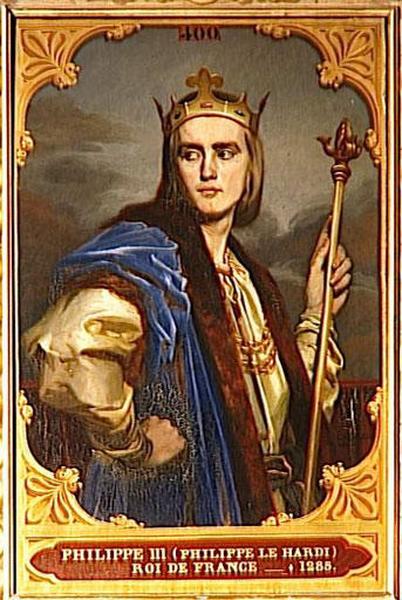
PHILIPPE III, DIT LE HARDI, ROI DE FRANCE (1245 1285)
 Pročitaj više
Giclee štampa / Umetnički otisak
Giclée štampa ili print na platnu muzejskog kvaliteta uz brzu proizvodnju i fleksibilne opcije završne obrade. ( Kupi ručno naslikanu sliku Kupi digitalnu sliku)




































Izaberite jednu od naših unapred definisanih veličina koje odgovaraju originalnim proporcijama umetničkog dela.

Možete uneti sopstvene dimenzije kako biste umetničko delo prilagodili specifičnom okviru ili prostoru. Ako odabrani format ne odgovara proporcijama originalne slike, mi ćemo ili iscrtati deo dela ili proširiti sliku pomoću ogledane ivice ili jednobojnog popunjavanja. Digitalni prikaz će vam biti poslat na odobrenje pre početka proizvodnje.
Imajte na umu da pregled na ekranu ne odražava stvarno iscrtavanje ili proširivanje. Samo će prikaz (mockup) precizno pokazati finalnu kompoziciju.
Iako su prilagođene dimenzije dostupne, preporučujemo da odaberete dimenziju sa unapred definisane liste kako biste očuvali originalne proporcije.
Dostava širom sveta () za 2 nedelje umesto uobičajenih 4/5 nedelja. (27 август)

Besplatna ekspresna dostava širom sveta

Visokokvalitetno laneno platno

Kompletno osiguranje transporta

Garancija povraćaja carine i uvoznih dažbina

Garancija vernosti boja

Politika povrata u roku od 60 dana (samo u slučaju nedostataka)

Garancija povrata novca od 100%

Popust pri grupnoj kupovini
 Opcija sa staklom dostupna je samo za dimenzije manje od 110 cm

PHILIPPE III, DIT LE HARDI, ROI DE FRANCE (1245 1285)
Giclee štampa / Umetnički otisak
Dimenzije reprodukcije
-


Konačna cena
$ 62
Srodna umetnička dela





Biografija umetnika
A Chronicler of Courts: The Life and Art of Alexandre Laemlein
Alexandre Laemlein, born in 1813 and passing in 1871, occupies a fascinating, if often overlooked, niche within the pantheon of 19th-century French painting. He wasn’t a revolutionary like Delacroix or Courbet, nor did he strive for the atmospheric effects of the Barbizon school. Instead, Laemlein dedicated his considerable talent to meticulously recreating scenes from the opulent world of the French aristocracy – specifically, the era preceding and during the Revolution. His work is not born of direct experience; rather, it’s a carefully constructed homage, a visual archaeology of a vanished age fueled by rigorous research and a remarkable technical skill. He stands as a testament to the enduring power of historical fascination and the desire to preserve, through art, the memory of a bygone era.Early Life and Artistic Formation
Details surrounding Laemlein’s early life remain somewhat scarce. What is known suggests he received a traditional academic training, likely at the École des Beaux-Arts in Paris – though concrete records are elusive. This foundation instilled within him a mastery of draftsmanship and an understanding of classical composition, elements that would become hallmarks of his style. However, it was not the contemporary world that captured Laemlein’s imagination. He turned instead to the past, specifically the reigns of Louis XV and Louis XVI. This predilection wasn't merely aesthetic; it reflected a broader Romantic interest in history as a source of national identity and moral lessons. The July Revolution of 1830 likely played a role, fostering a sense of nostalgia for the pre-revolutionary order among certain segments of French society. Laemlein’s art catered to this sentiment, offering meticulously rendered glimpses into a world perceived as possessing grace, elegance, and stability – qualities increasingly absent in the rapidly changing France of his time.The Art of Reconstruction: Style and Technique
Laemlein's paintings are characterized by their painstaking attention to detail. He wasn’t interested in grand narratives or dramatic gestures; instead, he focused on recreating the *atmosphere* of court life – the textures of silks and velvets, the gleam of polished furniture, the intricate details of hairstyles and jewelry. His compositions often feature intimate scenes: ladies-in-waiting gossiping, courtiers engaged in polite conversation, musicians performing in lavish salons. He was a master of light and shadow, using it to create a sense of depth and realism. His work is not about invention; it’s about reconstruction. He meticulously researched period costumes, furniture styles, and architectural details, consulting historical documents and engravings to ensure accuracy. This dedication to verisimilitude sets him apart from many of his contemporaries who employed looser interpretations of history. He aimed to transport the viewer back in time, offering a window into the daily lives of those who inhabited these grand spaces.Themes and Influences
The dominant theme throughout Laemlein’s oeuvre is undoubtedly the French court. He depicted scenes from Versailles, Fontainebleau, and other royal residences, focusing on the social rituals and personal dramas that unfolded within their walls. While he painted portraits of specific historical figures – Marie Antoinette being a frequent subject – his work often features anonymous sitters, allowing him to explore broader themes of class, gender, and power. His influences are diverse. He clearly drew inspiration from 18th-century artists like Watteau and Boucher, admiring their elegance and refinement. However, he also studied the works of earlier masters such as Rembrandt and Caravaggio, adopting their techniques for creating dramatic lighting effects.- The influence of historical documentation is paramount.
- A fascination with Rococo aesthetics is evident in his color palettes and compositions.
- He demonstrates a keen understanding of portraiture traditions.
Legacy and Historical Significance
Alexandre Laemlein’s work, while not widely celebrated during his lifetime, has experienced a resurgence of interest in recent years. He is now recognized as an important chronicler of French court life, offering valuable insights into the material culture and social customs of the 18th century. His paintings are prized for their meticulous detail, technical skill, and evocative atmosphere. He doesn’t offer a critical commentary on history; rather, he presents a romanticized vision of the past. This is not necessarily a flaw – his work serves as a powerful reminder of the enduring appeal of nostalgia and the desire to preserve cultural heritage. In an age increasingly dominated by rapid change, Laemlein's paintings provide a glimpse into a world that has vanished, inviting us to reflect on the complexities of history and the power of art to shape our understanding of the past. His dedication to recreating this lost world ensures his place as a significant, if often understated, figure in 19th-century French painting.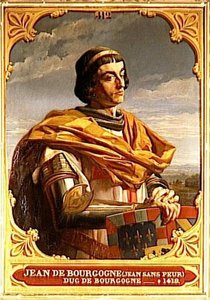
alexandre laemlein
1813 - 1871
Osnovne informacije
- Artistic Movement Or Style: Romanticism
- Artists Or Movements Influenced By This Artist: ['Eugène Delacroix']
- Artists Who Influenced This Artist: ['Jean-Auguste Dominique Ingres']
- Date Of Birth: 1813
- Date Of Death: 1871
- Full Name: Alexandre Laemlein
- Nationality: French
- Notable Artworks: ['Portrait of Madame Louise de Bourbon']
- Place Of Birth: Paris, France

