

 Pregledaj u prostoru
 Pošalji
 Podeli
 Detalji o delu

 Преузми
 Slični predmeti
 Rendgenski snimak
 Slajdovi
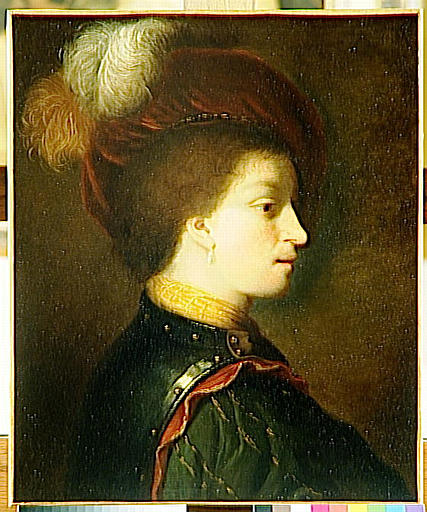
PERSONNAGE EN COSTUME MILITAIRE DE FANTAISIE


 Pročitaj više
Kupite digitalnu sliku visoke rezolucije i poboljšanog kvaliteta, koja je znatno superiornija od onoga što vidite u online prikazu.
Svaka datoteka je pedantno pripremljena od strane naših stručnjaka koristeći napredne alate i profesionalnu ručnu retušu. Osiguravamo da svaka slika ima izuzetnu oštrinu, preciznu reprodukciju boja i fine detalje.
Konačna datoteka se dostavlja putem e-pošte u roku od 72 sata, optimizovana za neposrednu upotrebu u profesionalnim, izdavačkim i štamparskim okruženjima. To je isti kvalitet kojem veruju vrhunski studiji dizajna, izdavači i galerije.
Digitalna slika
Preuzmite datoteku visoke rezolucije za ličnu upotrebu, štampanje i kreativne projekte. ( Kupi print Kupi ručno naslikanu sliku)
Uključeno uz svaku porudžbinu digitalne slike
Profesionalna digitalna isporuka, zagarantovana
Kada odaberete ArtsDot.com, ne dobijate samo sliku – vi primate profesionalno unapređeno digitalno umetničko delo, izrađeno sa najvećom preciznošću i uz garanciju zadovoljstva. Evo svega što automatski dolazi uz vašu porudžbinu:

Brza dostava putem e-pošte
Vaša digitalna slika visoke rezolucije biće vam poslata putem e-pošte u roku od 72 sata od poručivanja – spremna za trenutnu upotrebu.

Digitalna datoteka unapređena veštačkom inteligencijom
Vaše umetničko delo je profesionalno optimizovano korišćenjem naprednih AI alata i ručne obrade, čime se osiguravaju maksimalni detalji, oštrina i preciznost boja.

Besplatna ponovna isporuka doživotno
Slučajno ste obrisali ili izgubili svoju datoteku? Ne brinite – poslaćemo vam je ponovo u bilo kom trenutku, potpuno besplatno.

Bez troškova uvoza – zauvek
Uživajte u svojim umetničkim delima trenutno, bez carine, dažbina ili troškova dostave – digitalni download je uvek bez poreza.

Garancija vernosti boja
Uz pomoć profesionalnih alata i upravljanja bojama, osiguravamo da vaša digitalna slika što vernije odražava originalne boje.

Garancija zadovoljstva u roku od 60 dana
Ako niste zadovoljni svojom digitalnom slikom, revidirat ćemo je ili vratiti 100% novca u roku od 60 dana – bez ikakvih pitanja.

100% garancija povrata novca
Niste zadovoljni? Obezbedite pun povrat novca u roku od 60 dana od trenutka kada ste primili svoju digitalnu datoteku – bez suvišnih pitanja.

Popusti na velike porudžbine
Kupite 3 slike, uštedite 10% - Kupite 5 slika, uštedite 15% - Kupite 10+ slika, uštedite 20%. Odlično za kreativne projekte, galerije i agencije.
PERSONNAGE EN COSTUME MILITAIRE DE FANTAISIE: A Portrait of Elegance and Quiet Contemplation
The artwork “Personnage en Costume Militaire de Fantaisie” by Alexis Grimou stands as a testament to the refined aesthetic sensibilities of late Baroque and early Rococo France. Painted around 1710, this oil on canvas portrait captures a woman in profile, bathed in dramatic chiaroscuro lighting that underscores her serene expression and commanding presence. More than just a depiction of appearance, it’s an exploration of character—a glimpse into the inner life conveyed through meticulous observation and masterful brushwork.A Masterful Synthesis of Dutch Influence
Grimou's artistic vision was profoundly shaped by the legacy of Rembrandt and Anthony van Dyck, artists he diligently studied before embarking on his independent career. This dedication to classical precedent is evident in Grimou’s technique—characterized by smooth blending and subtle gradations of color—a hallmark of academic painting during that period. Unlike many contemporaries who relied on studio apprenticeships, Grimou cultivated a singular style rooted in profound artistic understanding. The artist's deliberate choice to emulate the luminous qualities of Rembrandt’s portraits speaks volumes about his ambition to transcend mere representation and achieve psychological depth.The Language of Light and Shadow: Dramatic Composition
The composition itself is carefully considered, centering on the woman’s face and upper body against a dark background that serves as an anchor for her features. Diagonal lines created by the folds of her costume contribute to dynamism while simultaneously directing the viewer's gaze inward. Grimou skillfully employs chiaroscuro—the interplay between light and shadow—to sculpt the subject’s form, highlighting her skin tone and emphasizing the contours of her hair. This technique isn’t merely decorative; it’s integral to conveying a sense of solemn dignity and contemplative introspection.Symbolism Embedded in Costume and Ornamentation
Beyond its technical prowess, “Personnage en Costume Militaire de Fantaisie” is rich in symbolic detail. The woman wears an opulent costume—a dark bodice adorned with pearls, a scarlet velvet turban embellished with feathers, and a jeweled pendant—each element meticulously rendered to convey status and refinement. These accessories are not merely decorative; they represent the social conventions of the era and underscore the subject’s position within aristocratic society. The vibrant red of the turban symbolizes passion and boldness, juxtaposed against the quiet composure of her gaze.A Legacy of Elegance: Grimou's Place in Art History
Alexis Grimou earned the moniker “the French Rembrandt” not for slavish imitation but for sharing his mentor’s ability to penetrate beneath surface appearances and reveal the soul of his subjects. His work exemplifies the ideals of Neoclassicism—a movement that sought to revive classical forms and values—yet retains a distinctly Baroque sensibility rooted in dramatic lighting and expressive brushwork. “Personnage en Costume Militaire de Fantaisie” remains an enduring masterpiece, inviting viewers to contemplate beauty, dignity, and the complexities of human emotion. Its exquisite detail and masterful execution solidify Grimou’s position as one of France's most celebrated portraitists of his time.Srodna umetnička dela
Biografija umetnika
A Life Illuminated: The World of Alexis Grimou
Alexis Grimou, a name perhaps less instantly recognizable than those of his celebrated contemporaries, nevertheless occupies a vital and fascinating niche in the history of 18th-century French art. Born in Argenteuil in 1678 and passing away in Paris in 1733, Grimou carved out a unique path as a portraitist, earning him the evocative moniker “the French Rembrandt.” This title wasn’t merely bestowed for stylistic imitation; it acknowledged a shared mastery of light and shadow, an ability to penetrate beyond surface appearances and reveal the inner lives of his subjects. Unlike many artists of his era who benefited from formal apprenticeships within established studios, Grimou's artistic journey was largely self-directed, fueled by diligent study and a profound engagement with the works of Dutch masters like Anthony van Dyck and, most significantly, Rembrandt. This independent spirit would come to define not only his technique but also his approach to the art world itself.Forging a Style: Light, Shadow, and Psychological Depth
Grimou’s dedication to the Dutch tradition profoundly shaped his artistic identity. He wasn't simply replicating techniques; he was absorbing a philosophy of painting that prioritized psychological realism and emotional resonance. His canvases are characterized by a warm, rich palette, often employing earth tones and subtle gradations of color. However, it is his masterful use of chiaroscuro – the dramatic interplay of light and shadow – that truly sets him apart. This technique wasn’t merely decorative; it served to sculpt form, heighten drama, and most importantly, illuminate the character of his sitters. He moved beyond mere physical likeness, striving to capture a sense of personality, mood, and even vulnerability in each portrait. His compositions often feel intimate and informal, depicting women engaged in everyday activities – singing, playing musical instruments, or simply lost in thought. These weren’t grand, imposing portraits designed to showcase wealth or status; they were glimpses into private moments, imbued with a sense of genuine human connection. His genre paintings further expanded this exploration of daily life, offering candid observations of ordinary people and their experiences—a departure from the more formal conventions prevalent at the time.Navigating the Artistic Landscape: Academies and Independence
Grimou’s talent was undeniable, leading to his acceptance into the prestigious Royal Academy of Painting and Sculpture in Paris in 1705. However, his tenure there proved short-lived. Disillusioned by what he perceived as a lack of artistic rigor and an abundance of mediocrity among his peers, he resigned from the Academy, demonstrating a fiercely independent streak. This refusal to compromise his artistic vision led him to seek alternative avenues for creative expression, ultimately finding a more congenial environment at the Académie de Saint-Luc in 1709. The Académie de Saint-Luc, known for its more progressive and less restrictive atmosphere, allowed Grimou greater freedom to pursue his own artistic path. This period marked a flourishing of creativity, as he continued to refine his style and explore new thematic possibilities.Lasting Legacy: Influence and Rediscovery
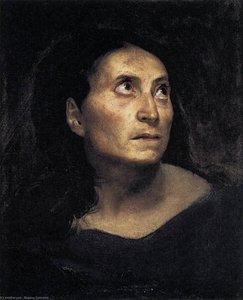
While not achieving the widespread fame of some of his contemporaries during his lifetime, Alexis Grimou’s influence on subsequent generations of French painters is undeniable. Artists like Jean-Honoré Fragonard and Louis-David Greuze were deeply impacted by his emphasis on psychological realism and his ability to imbue portraits with personality and emotion. His work served as a bridge between the formality of Baroque portraiture and the more intimate, emotionally charged style that would come to characterize Rococo painting. Though largely overlooked for many years, Grimou’s art has experienced a resurgence in recent decades, thanks to renewed scholarly interest and a growing appreciation for his unique contribution to French artistic heritage. Paintings such as Young Woman in Theatrical Costume, with its expressive emotion, Young Pilgrim Girl, showcasing delicate handling of light and texture, and the captivating self-portrait Portrait de l'Artiste en Buveur stand as testaments to his skill. Grimou’s legacy lies not only in the beauty of his paintings but also in his unwavering commitment to artistic integrity and his ability to capture the essence of human experience on canvas, solidifying his place as a significant figure in 18th-century French art.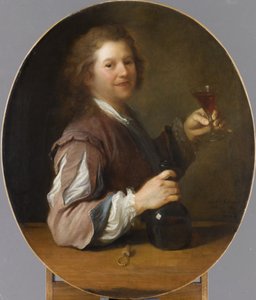
Alexis Grimou
1678 - 1733

