

 Pregledaj u prostoru
 Pošalji
 Podeli
 Detalji o delu

 Преузми
 Slični predmeti
 Rendgenski snimak
 Slajdovi
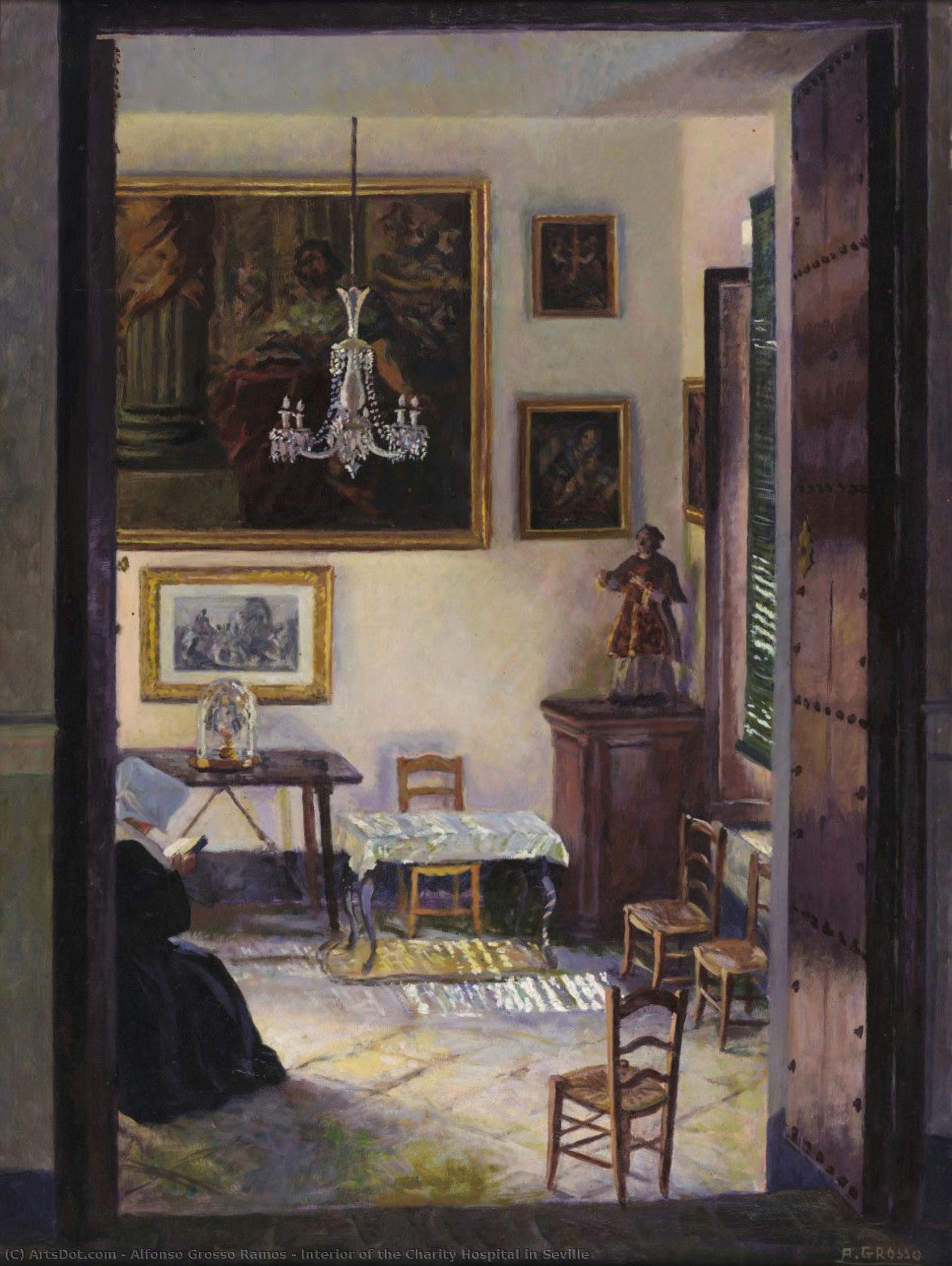
Interior of the Charity Hospital in Seville
 1955
1955 31.0 x 17.0 cm
 Museu do Caramulo
 Pročitaj više
Giclee štampa / Umetnički otisak
Giclée štampa ili print na platnu muzejskog kvaliteta uz brzu proizvodnju i fleksibilne opcije završne obrade. ( Kupi ručno naslikanu sliku Kupi digitalnu sliku)




































Izaberite jednu od naših unapred definisanih veličina koje odgovaraju originalnim proporcijama umetničkog dela.

Možete uneti sopstvene dimenzije kako biste umetničko delo prilagodili specifičnom okviru ili prostoru. Ako odabrani format ne odgovara proporcijama originalne slike, mi ćemo ili iscrtati deo dela ili proširiti sliku pomoću ogledane ivice ili jednobojnog popunjavanja. Digitalni prikaz će vam biti poslat na odobrenje pre početka proizvodnje.
Imajte na umu da pregled na ekranu ne odražava stvarno iscrtavanje ili proširivanje. Samo će prikaz (mockup) precizno pokazati finalnu kompoziciju.
Iako su prilagođene dimenzije dostupne, preporučujemo da odaberete dimenziju sa unapred definisane liste kako biste očuvali originalne proporcije.
Dostava širom sveta () za 2 nedelje umesto uobičajenih 4/5 nedelja. (27 август)

Besplatna ekspresna dostava širom sveta

Visokokvalitetno laneno platno

Kompletno osiguranje transporta

Garancija povraćaja carine i uvoznih dažbina

Garancija vernosti boja

Politika povrata u roku od 60 dana (samo u slučaju nedostataka)

Garancija povrata novca od 100%

Popust pri grupnoj kupovini
 Opcija sa staklom dostupna je samo za dimenzije manje od 110 cm

Interior of the Charity Hospital in Seville
Giclee štampa / Umetnički otisak
Dimenzije reprodukcije
-


Konačna cena
$ 62
Srodna umetnička dela









Biografija umetnika
Andrew Warhola: A Pop Icon’s Transformation
Born Andrew Warhola Jr. on August 6, 1928, in Pittsburgh, Pennsylvania, Andy Warhol wasn't initially destined for the art world as we know it. He hailed from a family of Slovakian immigrants – his father, Andrej Warhola, was a successful shoe salesman and his mother, Julia Zavacky Warhola, ran a bakery. Early life instilled in him a strong work ethic and an appreciation for commerce, shaping his initial career path. However, a chance encounter with art dealer Klaus Arrigo sparked a profound shift, leading him to pursue formal training at the Carnegie Institute of Technology (now Carnegie Mellon University), where he earned a Bachelor of Fine Art in Pictorial Design.
Initially, Warhol’s artistic endeavors centered around commercial illustration. He quickly established himself as a highly sought-after illustrator for major brands like Tiffany & Co., *The New York Times*, and I. Miller Shoes. His work was characterized by its clean lines, bold colors, and meticulous attention to detail – skills honed through years of professional practice. Yet, despite his success in the commercial realm, Warhol yearned for a deeper artistic expression, one that moved beyond mere reproduction and embraced a new visual language.
The Rise of Pop Art and the Factory
The 1960s marked a pivotal decade for Warhol’s career, coinciding with the emergence of Pop Art. Influenced by artists like Richard Hamilton and Roy Lichtenstein, Warhol began to explore themes of celebrity culture, consumerism, and mass media – subjects that resonated deeply with the rapidly changing American landscape. He famously established “The Factory,” a sprawling studio space in New York City that served as both an artistic hub and a social gathering place for a diverse group of individuals including artists, musicians, fashion designers, and celebrities.
This unconventional environment fueled Warhol’s creative process. He experimented with various media – painting, sculpture, film, photography, and screen printing – pushing the boundaries of traditional art forms. His iconic silkscreen paintings, such as *Campbell's Soup Cans* (1962) and *Marilyn Diptych* (1967), became instantly recognizable symbols of Pop Art’s irreverent critique of American society. These works deliberately blurred the lines between high art and popular culture, challenging viewers to reconsider their perceptions of value and meaning.
Technique and Innovation: The Power of Screen Printing
Warhol's mastery of screen printing was central to his artistic vision. He didn’t simply replicate images; he transformed them through a meticulous process of layering colors, manipulating textures, and repeating motifs. This technique allowed him to create works that were both visually striking and conceptually complex. The repetitive nature of the process also reflected Warhol’s fascination with mass production and the homogenization of American culture.
His use of repetition was not merely mechanical; it served as a commentary on celebrity, fame, and the ephemeral nature of attention. By endlessly reproducing images of iconic figures like Marilyn Monroe, Elvis Presley, and Coca-Cola bottles, Warhol questioned the very notion of originality and explored the ways in which mass media shapes our understanding of reality.
Legacy and Influence
Andy Warhol’s impact on contemporary art is undeniable. He shattered traditional notions of what constituted “art” and paved the way for future generations of artists to explore new mediums, techniques, and subject matter. His work continues to be exhibited in museums around the world and remains a source of fascination and debate.
Beyond his artistic achievements, Warhol’s persona – his flamboyant style, his detached demeanor, and his willingness to embrace celebrity – solidified his status as a cultural icon. He was a shrewd businessman who understood the power of branding and marketing, transforming himself into one of the most recognizable figures of the 20th century. He died on February 22, 1987, in New York City, leaving behind a legacy that continues to inspire and provoke.

alfonso grosso ramos
1928 - 1995 , Spain
Osnovne informacije
- Artistic Movement Or Style: Assemblage, Pop Art
- Artists Or Movements Influenced By This Artist:
- Minimal Art
- Pop Art
- Artists Who Influenced This Artist:
- Ellsworth Kelly
- Paul Feeley
- Date Of Birth: September 13, 1928
- Date Of Death: May 19, 2018
- Full Name: Robert Indiana
- Nationality: American
- Notable Artworks:
- Stavrosis
- Jeanne d’Arc
- Wall of China
- Place Of Birth: New Castle, Indiana, USA

