

 Pregledaj u prostoru
 Pošalji
 Podeli
 Detalji o delu

 Преузми
 Slični predmeti
 Rendgenski snimak
 Slajdovi
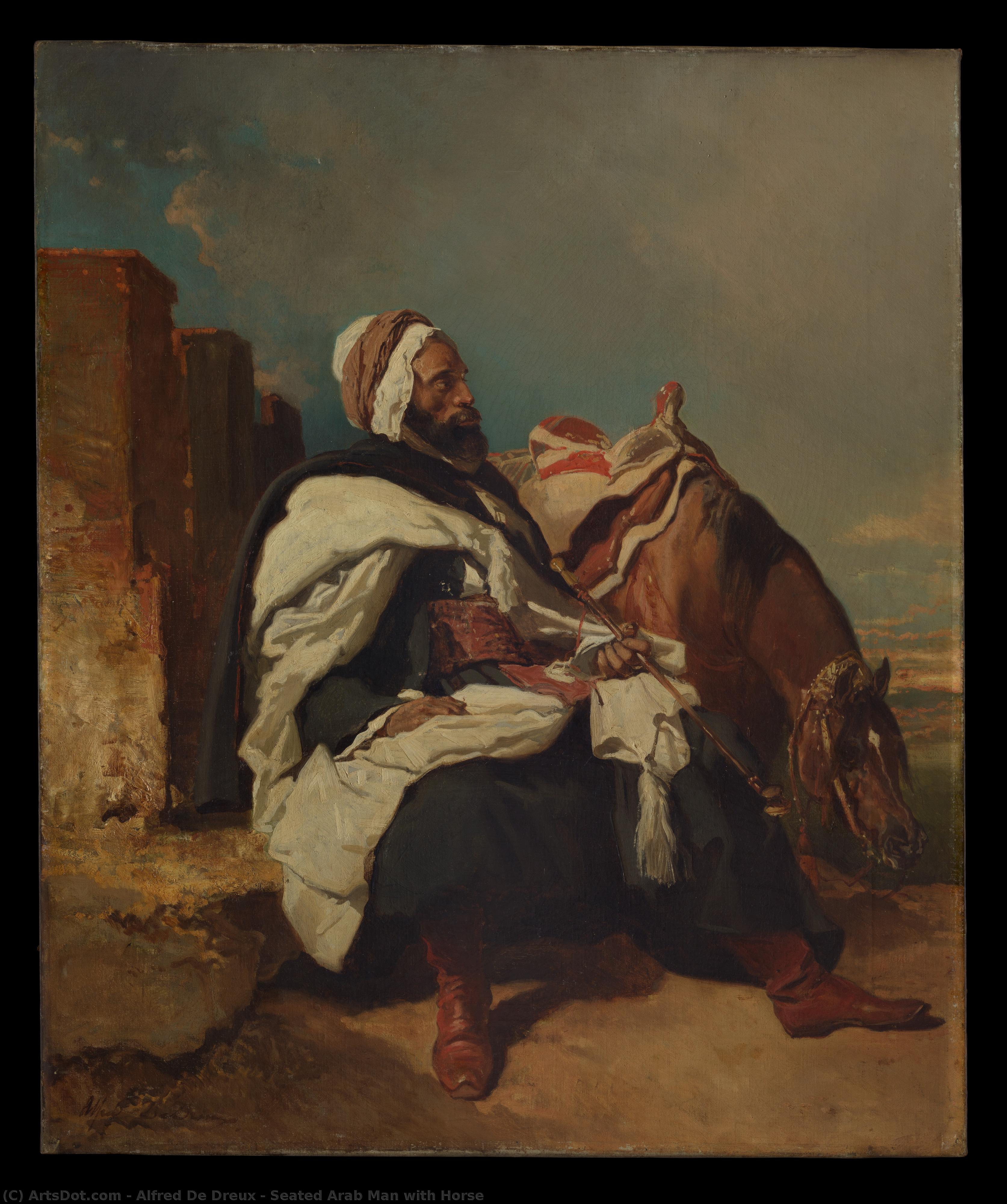
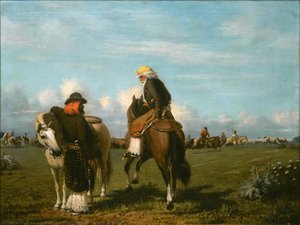
Seated Arab Man with Horse
 1850
1850 65.0 x 54.0 cm
 Pročitaj više
Ručno rađena uljana reprodukcija
Ručno oslikano uljanim bojama na platnu u dimenzijama i okviru po vašem izboru, izrađeno po porudžbini od strane naših umetnika. ( Kupi print Kupi digitalnu sliku)




































Izaberite jednu od naših unapred definisanih veličina koje odgovaraju originalnim proporcijama umetničkog dela.

Можете унети сопствене димензије како бисте прилагодили дело одређеном оквиру или простору. Ако одабрана величина не одговара пропорцијама оригинала, слика ће бити исечена или проширена додатним елементима који се ручно насликавају. Дигитални prikaz ће вам бити послат на одобрење пре почетка производње.
Имајте на уму да преглед на екрану не одражава стварно исецање или проширење. Само приказ (mockup) ће тачно приказати коначну композицију.
Иако су доступне прилагођене величине, препоручујемо да одаберете димензију из дефинисане листе како бисте сачували оригиналне пропорције.
Nakon narudžbine, tim ArtsDot.com će klijentu putem e-pošte poslati uputstva i dostaviti prikaz predloženog rešenja
Isporuka širom sveta () za 3/4 nedelje umesto uobičajenih 5 nedelja. (22 август). Bez kompromisa po pitanju kvaliteta.

Besplatna ekspresna dostava širom sveta

Visokokvalitetno laneno platno

Kompletno osiguranje transporta

Garancija povraćaja carine i uvoznih dažbina

Garancija vernosti boja

Politika povrata u roku od 60 dana (samo u slučaju nedostataka)

Garancija povrata novca od 100%

Popust pri grupnoj kupovini
 Opcija sa staklom dostupna je samo za dimenzije manje od 110 cm

Seated Arab Man with Horse
Tehnika reprodukcije
Dimenzije reprodukcije
-


Konačna cena
$ 263
Opis umetničkog dela
Srodna umetnička dela






Biografija umetnika
The Spirit of the Equestrian Romantic
Alfred de Dreux, born Pierre-Alfred Dedreux, was far more than a mere chronicler of horses; he was the poet of the nineteenth-century saddle. Emerging from the vibrant heart of Paris in 1810, his life and art were inextricably linked to the grace, power, and nobility of the equine form. To gaze upon a de Dreux canvas is to step into an era of Romanticism, where emotional intensity meets a profound fascination with the natural world. His work does not simply depict animals; it captures a palpable sense of movement and a certain aristocratic grandeur that defined the French social landscape of his time.His mastery lay in his ability to blend impressionistic realism with the dramatic flair of his era. Whether capturing the quiet dignity of a portrait or the thundering energy of a hunt, de Dreux possessed an uncanny knack for rendering textures—the sheen of a horse's coat, the heavy drape of velvet, and the misty atmosphere of a forest at dawn. His paintings serve as windows into a lost world of elegance, where the bond between human and beast was celebrated with unparalleled sensitivity.
Artistic Lineage and Formative Years
The foundations of de Dreux’s brilliance were laid within the prestigious studios of his contemporaries, surrounded by an environment steeped in artistic excellence. Growing up in a family of distinction—his father was the esteemed architect Pierre-Anne Dedreux—he was uniquely positioned to absorb the nuances of fine art from a young age. Most significantly, he found mentorship under the legendary Théodore Géricault, a close family friend whose influence breathed life into de Dreux’s early works. From Géricault, he inherited a Romantic ethos characterized by dramatic lighting and an expressive, almost visceral, approach to subject matter.This training was further refined at the studio of Léon Cogniet, where he mastered the art of realistic observation. This dual education allowed him to navigate the delicate balance between different artistic demands, specifically:
- The raw, dynamic energy found in his celebrated equestrian scenes
- The meticulous, polished precision required for high-society portraiture
A Legacy of Elegance and Influence
De Dreux’s ascent in the Parisian art world was meteoric, marked by his frequent and successful appearances at the Paris Salon. Since his debut in 1831, he had been a fixture of the prestigious exhibitions, earning him the reputation as one of the premier horse painters of the Romantic era. His subjects were often the very elite of French society, ranging from the Duc d’Orléans to members of the English aristocracy. Through his brush, the leisure activities of the upper class—hunting expeditions and equestrian displays—were elevated to the level of high art.Though his life ended prematurely in 1860, the impact of Alfred de Dreux remains etched into the fabric of visual culture. His influence transcends the boundaries of traditional oil painting, reaching even into the modern realm of luxury branding. It is widely noted that his evocative depictions of equestrian elegance served as a profound inspiration for the iconic Hermès logo, bridging the gap between nineteenth-century Romanticism and contemporary prestige. Today, de Dreux stands as a master of movement and light, ensuring that his canvases continue to captivate collectors and art enthusiasts alike.
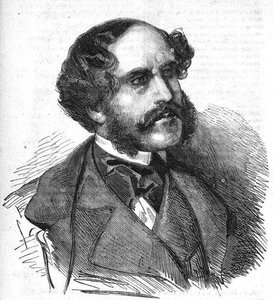
Alfred de Dreux
1810 - 1860 , France
Osnovne informacije
- Artistic Movement Or Style: Romanticism
- Artists Or Movements Influenced By This Artist: ['Hermès']
- Artists Who Influenced This Artist: ['Théodore Gericault']
- Date Of Birth: March 23, 1810
- Date Of Death: March 5, 1860
- Full Name: Pierre-Alfred Dedreux
- Nationality: French
- Notable Artworks:
- Interior del Salon
- Duc d'Orléans Equestrian Portrait
- Place Of Birth: Paris, France

