

 Pošalji
 Podeli
 Detalji o delu

 Преузми
 Slični predmeti
 Slajdovi
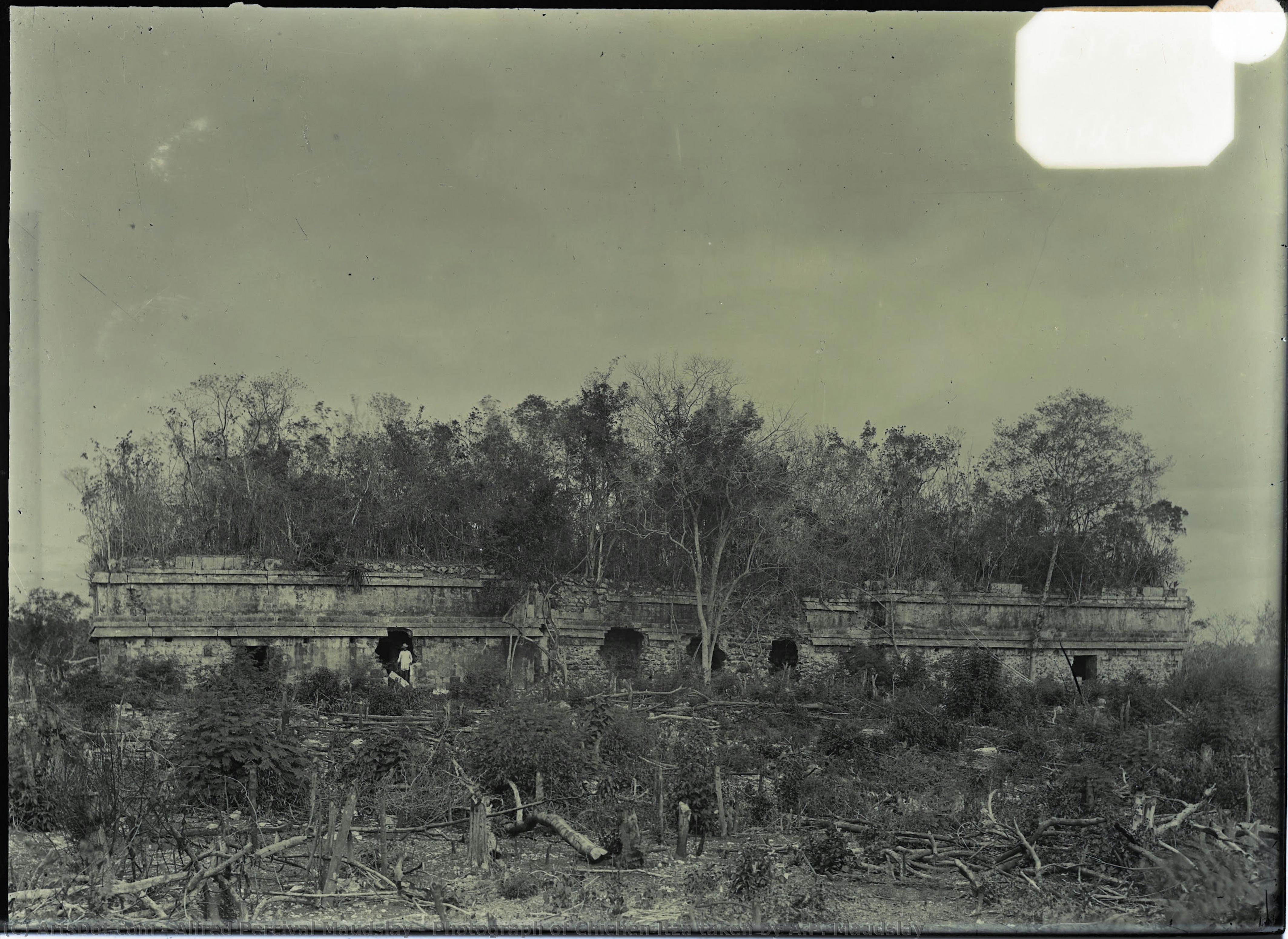
Photograph of Chichén Itzá taken by A.P. Maudslay
 Giclée Print
- Digital
- Documentary Photography
 1894
1894 12.0 x 16.0 cm
 Britanski muzej
 Pročitaj više
Giclee štampa / Umetnički otisak
Giclée štampa ili print na platnu muzejskog kvaliteta uz brzu proizvodnju i fleksibilne opcije završne obrade. ( Kupi ručno naslikanu sliku Kupi digitalnu sliku)




































Izaberite jednu od naših unapred definisanih veličina koje odgovaraju originalnim proporcijama umetničkog dela.

Možete uneti sopstvene dimenzije kako biste umetničko delo prilagodili specifičnom okviru ili prostoru. Ako odabrani format ne odgovara proporcijama originalne slike, mi ćemo ili iscrtati deo dela ili proširiti sliku pomoću ogledane ivice ili jednobojnog popunjavanja. Digitalni prikaz će vam biti poslat na odobrenje pre početka proizvodnje.
Imajte na umu da pregled na ekranu ne odražava stvarno iscrtavanje ili proširivanje. Samo će prikaz (mockup) precizno pokazati finalnu kompoziciju.
Iako su prilagođene dimenzije dostupne, preporučujemo da odaberete dimenziju sa unapred definisane liste kako biste očuvali originalne proporcije.
Dostava širom sveta () za 2 nedelje umesto uobičajenih 4/5 nedelja. (3 септембар)

Besplatna ekspresna dostava širom sveta

Visokokvalitetno laneno platno

Kompletno osiguranje transporta

Garancija povraćaja carine i uvoznih dažbina

Garancija vernosti boja

Politika povrata u roku od 60 dana (samo u slučaju nedostataka)

Garancija povrata novca od 100%

Popust pri grupnoj kupovini
 Opcija sa staklom dostupna je samo za dimenzije manje od 110 cm

Photograph of Chichén Itzá taken by A.P. Maudslay
Giclee štampa / Umetnički otisak
Dimenzije reprodukcije
-


Konačna cena
$ 62
A Window into the Ancient World: Alfred Percival Maudslay’s Photographic Masterpiece
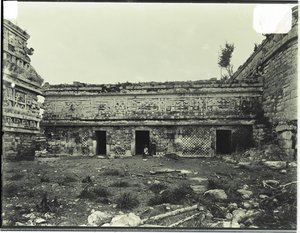
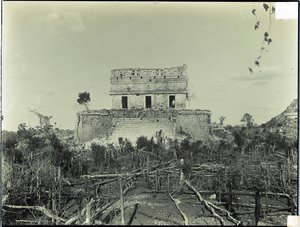
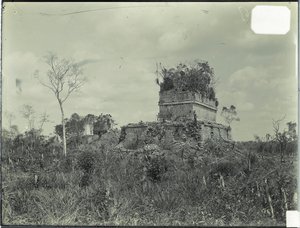
The image before you – “Photograph of Chichén Itzá taken by A.P. Maudslay” – is more than simply a depiction of an ancient Mayan city; it's a meticulously crafted portal into the late 19th century, a testament to early archaeological exploration, and a poignant reminder of a civilization’s enduring legacy. Captured in stark black and white during 1894, this remarkable wet collodion photograph by British colonial administrator and archaeologist Alfred Percival Maudslay offers an extraordinarily detailed and evocative view of Chichén Itzá – the sprawling Mayan metropolis nestled within the Yucatán Peninsula of Mexico. The photograph immediately draws the eye to a monumental stone structure, likely a temple or fortress, dominating the frame with its weathered walls and crumbling grandeur. This isn’t a romanticized vision; it's a raw, honest portrayal of a site undergoing the slow, inevitable process of decay – a powerful visual statement about time and impermanence.
Maudslay’s compositional choices are deliberate and profoundly effective. He employs a horizontal format, emphasizing the breadth and scale of the ruins—a strategic decision that immediately establishes a sense of awe. The central stone structure is positioned with careful precision, anchoring the composition while allowing the eye to wander through the surrounding vegetation. Foreground elements – uneven ground and sparse foliage – serve as a subtle guide, leading the viewer deeper into the scene and creating an illusion of vastness. The lighting, characteristic of wet collodion photography, casts dramatic shadows that accentuate the textures of the stone, highlighting its intricate carvings and revealing the passage of centuries.
The Pioneer: Alfred Percival Maudslay – A Life Dedicated to Discovery
Understanding the context surrounding this photograph is crucial to appreciating its significance. Alfred Percival Maudslay (1850-1931) was a complex and fascinating figure—a British colonial administrator, archaeologist, and avid collector of ethnographic materials. His early career took him across the globe, from the administrative offices of Jamaica and Trinidad to the remote islands of the South Pacific. However, it was his time in Guatemala that truly defined his legacy. Driven by an insatiable curiosity and a pioneering spirit, Maudslay embarked on a series of meticulous expeditions to document the Mayan ruins, meticulously recording their architecture, inscriptions, and cultural significance. He wasn’t merely observing; he was actively participating in the process of archaeological discovery, employing innovative techniques like plaster casting and detailed photography – methods that would become standard practice for future generations of archaeologists.
Maudslay's work was not without controversy. His colonial background inevitably raised questions about his motivations and the impact of his explorations on indigenous communities. Yet, his dedication to preserving Mayan heritage remains undeniable. His meticulous documentation provided invaluable insights into a lost civilization, contributing significantly to our understanding of their history, religion, and social structures. The photograph itself stands as a testament to his commitment—a tangible record of a world largely forgotten by the wider Western gaze.
Symbolism and Technique: A Glimpse into Wet Collodion Photography
The image’s stark monochrome palette immediately evokes a sense of timelessness, transporting the viewer back to the late 19th century. The wet collodion process, employed by Maudslay, was a demanding technique requiring immediate development—a crucial factor influencing the photograph's tonal range and texture. The resulting images are characterized by their sharp detail, deep blacks, and subtle gradations of gray, creating an atmosphere of both drama and intimacy. Notice the way the light plays across the stone surfaces, revealing the intricate carvings and highlighting the weathered textures – a testament to the skill and patience of the photographer.
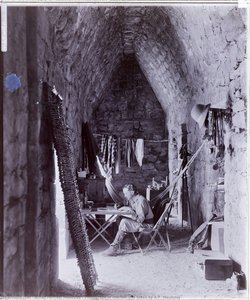
Beyond its technical merits, the photograph is laden with symbolism. The imposing ruins themselves represent the rise and fall of civilizations, the cyclical nature of time, and the enduring power of human creativity. The solitary figure in the background (likely Maudslay himself) serves as a reminder of the individual’s role in uncovering and preserving our shared history. It's a visual meditation on legacy, exploration, and the profound connection between humanity and its past.
A Timeless Masterpiece: Reproduction and Artistic Value
ArtsDot offers high-quality reproductions of this extraordinary photograph, allowing you to bring this piece of history into your home or office. Whether you’re an art collector, a design enthusiast, or simply someone captivated by the beauty of ancient ruins, this image is sure to evoke a sense of wonder and intrigue. The reproduction faithfully captures the original's detail and atmosphere, ensuring that you experience the full impact of Maudslay’s pioneering work. Consider it not just a print, but a window into another world—a tangible connection to a civilization that continues to inspire awe and fascination today.
Srodna umetnička dela
Biografija umetnika
**rani život i obrazovanje**
Alfred Percival Maudslay, britanski kolonijalni administrator i arheolog, rođen je 18. marta 1850. godine u Londonu u imućnoj porodici. Svoje prirodne nauke studirao je na Trinity Hall-u u Kembridžu, steći diplomu nakon što je 1872. godine završio osnovne studije.**karijera i putovanja**
Maudlejevi rani planovi za medicinsku karijeru odloženi su dok je putovao sa svojim bratom, obilazeći Centralnu Ameriku, Meksiko i delove Sjedinjenih Država. Ovo putovanje je probudilo duboko interesovanje za arheologiju, koje će kasnije definisati njegovo trajno nasleđe. Nakon povratka kući, Maudslay je ponovo odložio medicinske studije kako bi 1873. godine otputovao u Island. Zbog hroničnog bronhitisa, bio je primoran da potraži topliju klimu, što ga je vodilo kroz niz radnih mesta na Jamajci, Trinidadu i, na kraju, na Južnom Pacifiku.**arheološki doprinosi**
Vreme provedeno u britanskim pacifičkim kolonijama postavilo je temelje za njegova buduća arheološka istraživanja. Počeo je da se bavi prikupljanjem etnografskog materijala, što će na kraju doprineti formiranju Univerzitetskog muzeja arheologije i etnologije u Kembridžu. Njegov prijatelj, ornitolog Osbert Salvin, podstakao je Maudslaya da istraži drevne jadeške ruševine u mestima Quiriguá i Copán.**značajna dostignuća**
- Maudslay je bio prvi koji je opisao nalazište Yaxchilán.
- Istraživao je Chichén Itzu tokom 1880-ih, ostavljajući za nama bogat arhiv fotografija.
- Objavio je prvi opširni opis Chichen Itze u svojoj knjizi, Biologia Centrali-Americana.
- Izradio je kompletan prevod sa anotacijama dela "Historia" Bernala Díaza del Castilla, koji i danas predstavlja standardno izdanje na engleskom jeziku.
**umetničko nasleđe**
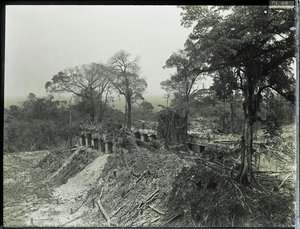
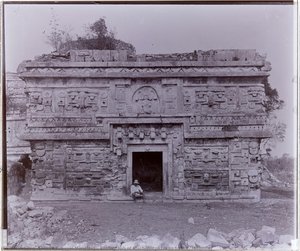
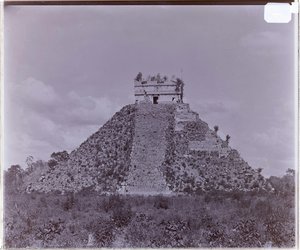
Maudlejeve fotografije i pisma su očuvani, nudeći nam jedinstven uvid u svet arheologije 19. veka. Njegov rad se može pronaći u brojnim muzejima, uključujući Britanski muzej (London, Ujedinjeno Kraljevstvo), koji čuva nekoliko njegovih fotografija.- Fotografija Chichén Itzá koju je snimio A.P. Maudslay (16 x 21 cm, Britanski muzej, fotografija)
- Fotografija Chichén Itzá koju je snimio A.P. Maudslay (25 x 30 cm, Britanski muzej, fotografija)
- Fotografija Copána koju je snimio A.P. Maudslay (31 x 25 cm, Britanski muzej, fotografija)
**zaključak**
Nasleđe Alfreda Percivala Maudslaya predstavlja svedočanstvo o moći radoznalosti i istraživanja. Od njegovih ranih dana kao kolonijalnog administratora do kasnijih godina provedenih kao arheolog, Maudlejev rad nastavlja da inspiriše i edukuje generacije.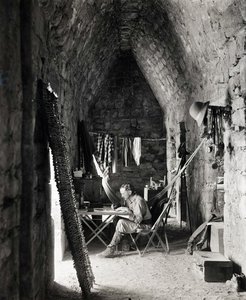
Alfred Percival Maudslay
1850 - 1931 , Ujedinjeno Kraljevstvo
Osnovne informacije
- Artistic Movement Or Style: Arheologija/Fotografija
- Date Of Birth: 1850
- Date Of Death: 1931
- Full Name: Alfred Percival Maudslay
- Nationality: Britanac
- Notable Artworks: ['Fotografija Čičena Itze']
- Place Of Birth: London, Ujedinjeno Kraljevstvo
Povezani članci

Sir Alfred Munnings' Masterpieces: 25 Paintings That Define Equine Art | ArtsDot
Explore 25 iconic Sir Alfred Munnings paintings! Discover the beauty of British Impressionism, equine art & rural England. Find museum-quality reproductions and elevate your home decor with ArtsDot. Explore the full collection online.
Beyond the Lens: Photography's Enduring Influence on Modern & Contemporary Art
Explore photography's pivotal role in shaping modern & contemporary art. Discover key movements, influential artists like Stieglitz, and expert collecting advice from ArtsDot.

Pictorialism: A Search for Artistic Photography's Soul – Aesthetics, Techniques & Legacy
Explore the captivating world of Pictorialism – a pivotal movement that transformed photography into fine art. Discover key artists like Stieglitz & Käsebier, techniques, and collecting tips from experts.

Monochrome Visions: Exploring the Aesthetic & Historical Significance of Black & White Photography
Explore the rich history & artistic power of black and white photography. From early techniques to iconic masters like Ansel Adams, discover why monochrome continues to captivate art lovers today. Expert insights for collectors.
Witnessing History Through Lens & Light: Documentary Photography's Enduring Legacy
Explore the powerful history of documentary photography – from its origins to contemporary masters like Gordon Parks & W. Eugene Smith. Discover how this art form shapes our understanding of society and witness pivotal moments in time.

