

 Pošalji
 Podeli
 Detalji o delu

 Преузми
 Slični predmeti
 Slajdovi
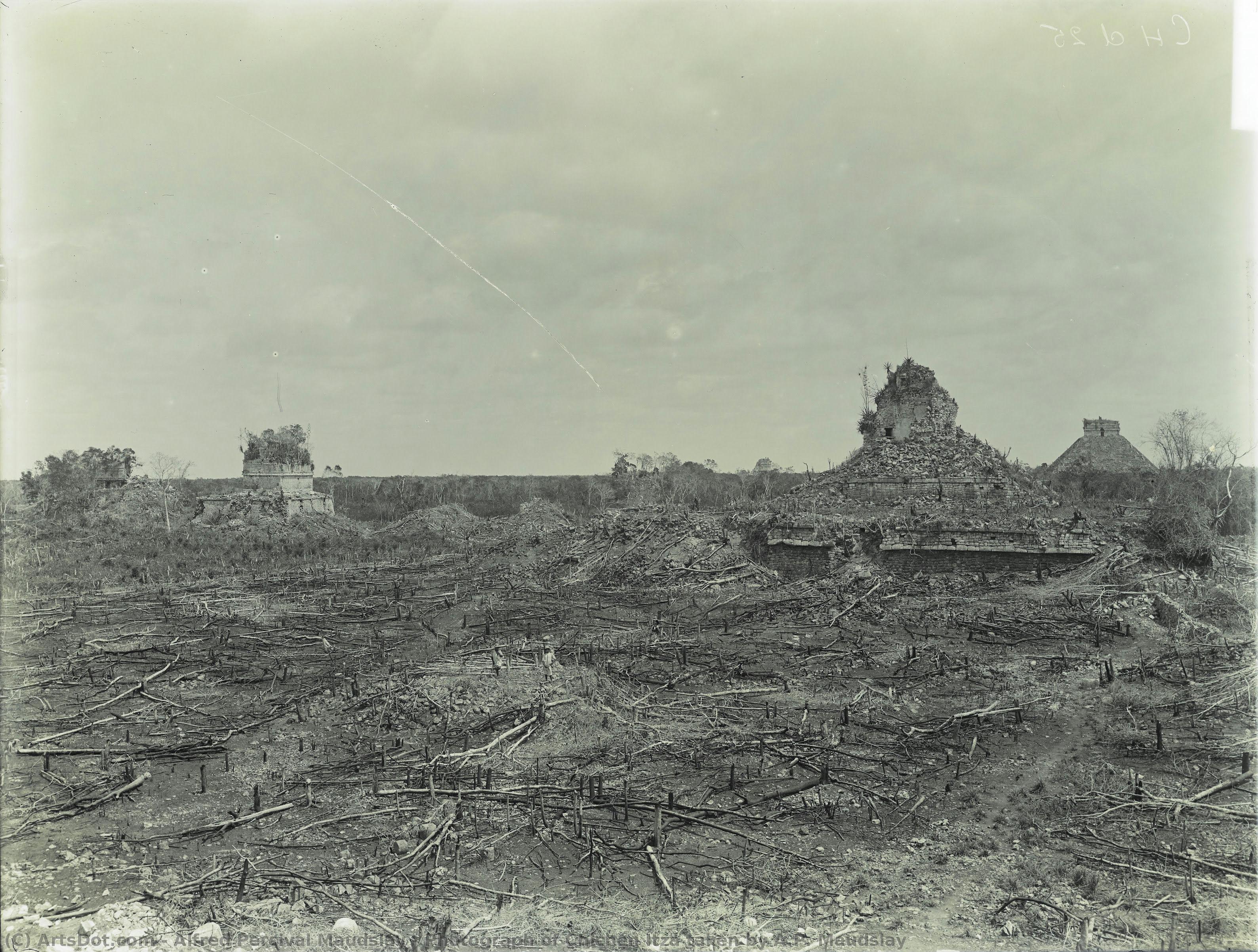
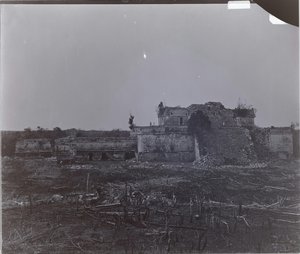
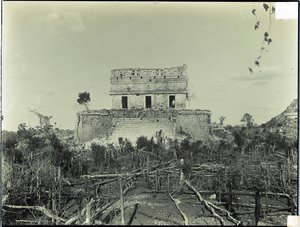
Photograph of Chichén Itzá taken by A.P. Maudslay
 Giclée Print
- Digital
 1894
1894 16.0 x 21.0 cm
 Britanski muzej
 Pročitaj više
Ručno rađena uljana reprodukcija
Ručno oslikano uljanim bojama na platnu u dimenzijama i okviru po vašem izboru, izrađeno po porudžbini od strane naših umetnika. ( Kupi print Kupi digitalnu sliku)




































Izaberite jednu od naših unapred definisanih veličina koje odgovaraju originalnim proporcijama umetničkog dela.

Можете унети сопствене димензије како бисте прилагодили дело одређеном оквиру или простору. Ако одабрана величина не одговара пропорцијама оригинала, слика ће бити исечена или проширена додатним елементима који се ручно насликавају. Дигитални prikaz ће вам бити послат на одобрење пре почетка производње.
Имајте на уму да преглед на екрану не одражава стварно исецање или проширење. Само приказ (mockup) ће тачно приказати коначну композицију.
Иако су доступне прилагођене величине, препоручујемо да одаберете димензију из дефинисане листе како бисте сачували оригиналне пропорције.
Nakon narudžbine, tim ArtsDot.com će klijentu putem e-pošte poslati uputstva i dostaviti prikaz predloženog rešenja
Isporuka širom sveta () za 3/4 nedelje umesto uobičajenih 5 nedelja. (2 септембар). Bez kompromisa po pitanju kvaliteta.

Besplatna ekspresna dostava širom sveta

Visokokvalitetno laneno platno

Kompletno osiguranje transporta

Garancija povraćaja carine i uvoznih dažbina

Garancija vernosti boja

Politika povrata u roku od 60 dana (samo u slučaju nedostataka)

Garancija povrata novca od 100%

Popust pri grupnoj kupovini
 Opcija sa staklom dostupna je samo za dimenzije manje od 110 cm

Photograph of Chichén Itzá taken by A.P. Maudslay
Tehnika reprodukcije
Dimenzije reprodukcije
-


Konačna cena
$ 263
A Window Into Ancient Majesty: Alfred Maudslay’s Chichén Itzá Photograph
The photograph presented here – “Photograph of Chichén Itzá taken by A.P. Maudslay” – transcends the simple documentation of a historical site; it's an immersive experience, a portal into the heart of a vanished civilization and the pioneering spirit of its early study. Captured in 1894 during his extensive travels throughout Central America, this remarkable wet collodion image by British colonial administrator and archaeologist Alfred Percival Maudslay offers a remarkably detailed and evocative view of Chichén Itzá – the sprawling Mayan city nestled within the Yucatán Peninsula of Mexico. More than just a visual record, it’s a testament to Maudslay's meticulous approach to archaeological documentation and his profound appreciation for the grandeur and mystery of the ancient Maya.
The image immediately draws the eye to a monumental stone structure, likely a temple or fortress, dominating the frame with its weathered walls and crumbling grandeur. The composition is carefully constructed, utilizing a horizontal format that emphasizes the breadth and scale of the ruins – a strategic decision designed to evoke a sense of awe and wonder. Foreground elements—uneven ground and sparse vegetation—serve as a subtle guide, leading the viewer deeper into the scene and creating an illusion of vastness, mirroring the immense scope of the Mayan empire.
Technical Mastery & Historical Context
Maudslay’s photographic technique was remarkably advanced for its time. Employing wet collodion process – a complex method requiring immediate development – he achieved an astonishing level of detail and tonal range within the monochrome palette. The resulting image is characterized by sharp lines, meticulously rendered textures, and a subtle interplay of light and shadow. The use of a large format camera ensured that every intricate carving and weathered surface was captured with exceptional clarity, offering a rare glimpse into the physical reality of Chichén Itzá as it existed in 1894.
Crucially, this photograph wasn’t simply a snapshot; it was part of a larger, systematic project undertaken by Maudslay. He meticulously documented not only the architecture but also the surrounding landscape and even the local population, recognizing the importance of understanding the context in which these structures were built and used. His work contributed significantly to the burgeoning field of archaeological photography, establishing standards for detail and accuracy that continue to influence practice today.
Symbolism & The Echoes of a Lost World
The photograph’s power lies not only in its technical brilliance but also in its evocative symbolism. The weathered stones whisper tales of centuries past – of elaborate rituals, sophisticated mathematics, and a complex social structure. The ruins themselves stand as potent reminders of the rise and fall of civilizations, prompting reflection on the impermanence of human endeavors and the enduring legacy of those who came before us. The image subtly conveys a sense of melancholy, acknowledging the passage of time and the gradual decay that inevitably accompanies the abandonment of a once-thriving city.
Furthermore, Maudslay’s choice to capture the scene in monochrome – relying solely on shades of gray and white – amplifies this effect. The absence of color directs attention to texture, form, and light, intensifying the sense of antiquity and emphasizing the inherent beauty of the stone itself. It's a deliberate stylistic decision that elevates the photograph beyond mere documentation, transforming it into a work of art.
A Legacy in Reproduction & Artistic Appreciation
Today, this photograph serves as a valuable historical artifact, offering a unique window into the past and illuminating the early days of archaeological exploration. Reproductions, such as those offered by ArtsDot.com, allow us to appreciate Maudslay’s vision and technical skill while preserving the integrity of his original work. The image's stark beauty and profound symbolism continue to resonate with art lovers, collectors, and interior designers seeking pieces that evoke a sense of history, mystery, and timeless elegance.
Whether displayed in a museum, a private collection, or as part of an artistic installation, “Photograph of Chichén Itzá taken by A.P. Maudslay” remains a powerful reminder of the enduring allure of ancient civilizations and the transformative power of visual documentation.
Srodna umetnička dela
Biografija umetnika
**rani život i obrazovanje**
Alfred Percival Maudslay, britanski kolonijalni administrator i arheolog, rođen je 18. marta 1850. godine u Londonu u imućnoj porodici. Svoje prirodne nauke studirao je na Trinity Hall-u u Kembridžu, steći diplomu nakon što je 1872. godine završio osnovne studije.**karijera i putovanja**
Maudlejevi rani planovi za medicinsku karijeru odloženi su dok je putovao sa svojim bratom, obilazeći Centralnu Ameriku, Meksiko i delove Sjedinjenih Država. Ovo putovanje je probudilo duboko interesovanje za arheologiju, koje će kasnije definisati njegovo trajno nasleđe. Nakon povratka kući, Maudslay je ponovo odložio medicinske studije kako bi 1873. godine otputovao u Island. Zbog hroničnog bronhitisa, bio je primoran da potraži topliju klimu, što ga je vodilo kroz niz radnih mesta na Jamajci, Trinidadu i, na kraju, na Južnom Pacifiku.**arheološki doprinosi**
Vreme provedeno u britanskim pacifičkim kolonijama postavilo je temelje za njegova buduća arheološka istraživanja. Počeo je da se bavi prikupljanjem etnografskog materijala, što će na kraju doprineti formiranju Univerzitetskog muzeja arheologije i etnologije u Kembridžu. Njegov prijatelj, ornitolog Osbert Salvin, podstakao je Maudslaya da istraži drevne jadeške ruševine u mestima Quiriguá i Copán.**značajna dostignuća**
- Maudslay je bio prvi koji je opisao nalazište Yaxchilán.
- Istraživao je Chichén Itzu tokom 1880-ih, ostavljajući za nama bogat arhiv fotografija.
- Objavio je prvi opširni opis Chichen Itze u svojoj knjizi, Biologia Centrali-Americana.
- Izradio je kompletan prevod sa anotacijama dela "Historia" Bernala Díaza del Castilla, koji i danas predstavlja standardno izdanje na engleskom jeziku.
**umetničko nasleđe**
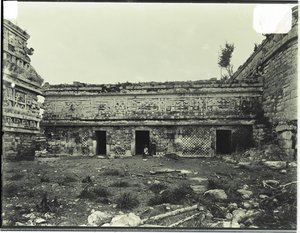
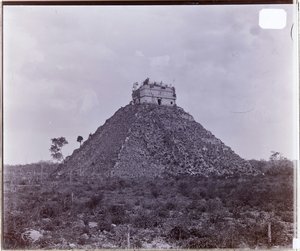
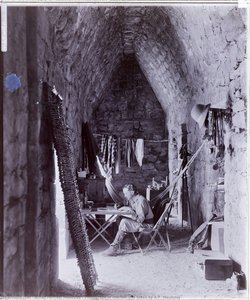
Maudlejeve fotografije i pisma su očuvani, nudeći nam jedinstven uvid u svet arheologije 19. veka. Njegov rad se može pronaći u brojnim muzejima, uključujući Britanski muzej (London, Ujedinjeno Kraljevstvo), koji čuva nekoliko njegovih fotografija.- Fotografija Chichén Itzá koju je snimio A.P. Maudslay (16 x 21 cm, Britanski muzej, fotografija)
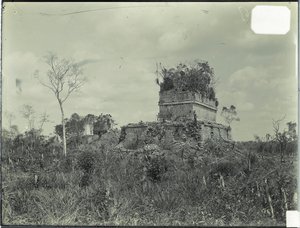
- Fotografija Chichén Itzá koju je snimio A.P. Maudslay (25 x 30 cm, Britanski muzej, fotografija)
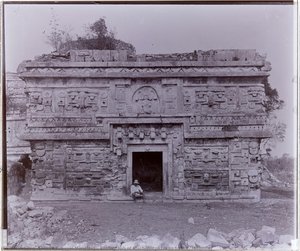
- Fotografija Copána koju je snimio A.P. Maudslay (31 x 25 cm, Britanski muzej, fotografija)
**zaključak**
Nasleđe Alfreda Percivala Maudslaya predstavlja svedočanstvo o moći radoznalosti i istraživanja. Od njegovih ranih dana kao kolonijalnog administratora do kasnijih godina provedenih kao arheolog, Maudlejev rad nastavlja da inspiriše i edukuje generacije.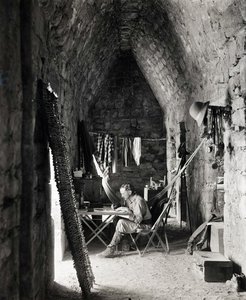
Alfred Percival Maudslay
1850 - 1931 , Ujedinjeno Kraljevstvo
Osnovne informacije
- Artistic Movement Or Style: Arheologija/Fotografija
- Date Of Birth: 1850
- Date Of Death: 1931
- Full Name: Alfred Percival Maudslay
- Nationality: Britanac
- Notable Artworks: ['Fotografija Čičena Itze']
- Place Of Birth: London, Ujedinjeno Kraljevstvo
Povezani članci
Sir Alfred Munnings' Masterpieces: 25 Paintings That Define Equine Art | ArtsDot
Explore 25 iconic Sir Alfred Munnings paintings! Discover the beauty of British Impressionism, equine art & rural England. Find museum-quality reproductions and elevate your home decor with ArtsDot. Explore the full collection online.

Beyond the Lens: Photography's Enduring Influence on Modern & Contemporary Art
Explore photography's pivotal role in shaping modern & contemporary art. Discover key movements, influential artists like Stieglitz, and expert collecting advice from ArtsDot.

Pictorialism: A Search for Artistic Photography's Soul – Aesthetics, Techniques & Legacy
Explore the captivating world of Pictorialism – a pivotal movement that transformed photography into fine art. Discover key artists like Stieglitz & Käsebier, techniques, and collecting tips from experts.

Monochrome Visions: Exploring the Aesthetic & Historical Significance of Black & White Photography
Explore the rich history & artistic power of black and white photography. From early techniques to iconic masters like Ansel Adams, discover why monochrome continues to captivate art lovers today. Expert insights for collectors.
Witnessing History Through Lens & Light: Documentary Photography's Enduring Legacy
Explore the powerful history of documentary photography – from its origins to contemporary masters like Gordon Parks & W. Eugene Smith. Discover how this art form shapes our understanding of society and witness pivotal moments in time.

