

 Pregledaj u prostoru
 Pošalji
 Podeli
 Detalji o delu

 Преузми
 Slični predmeti
 Rendgenski snimak
 Slajdovi
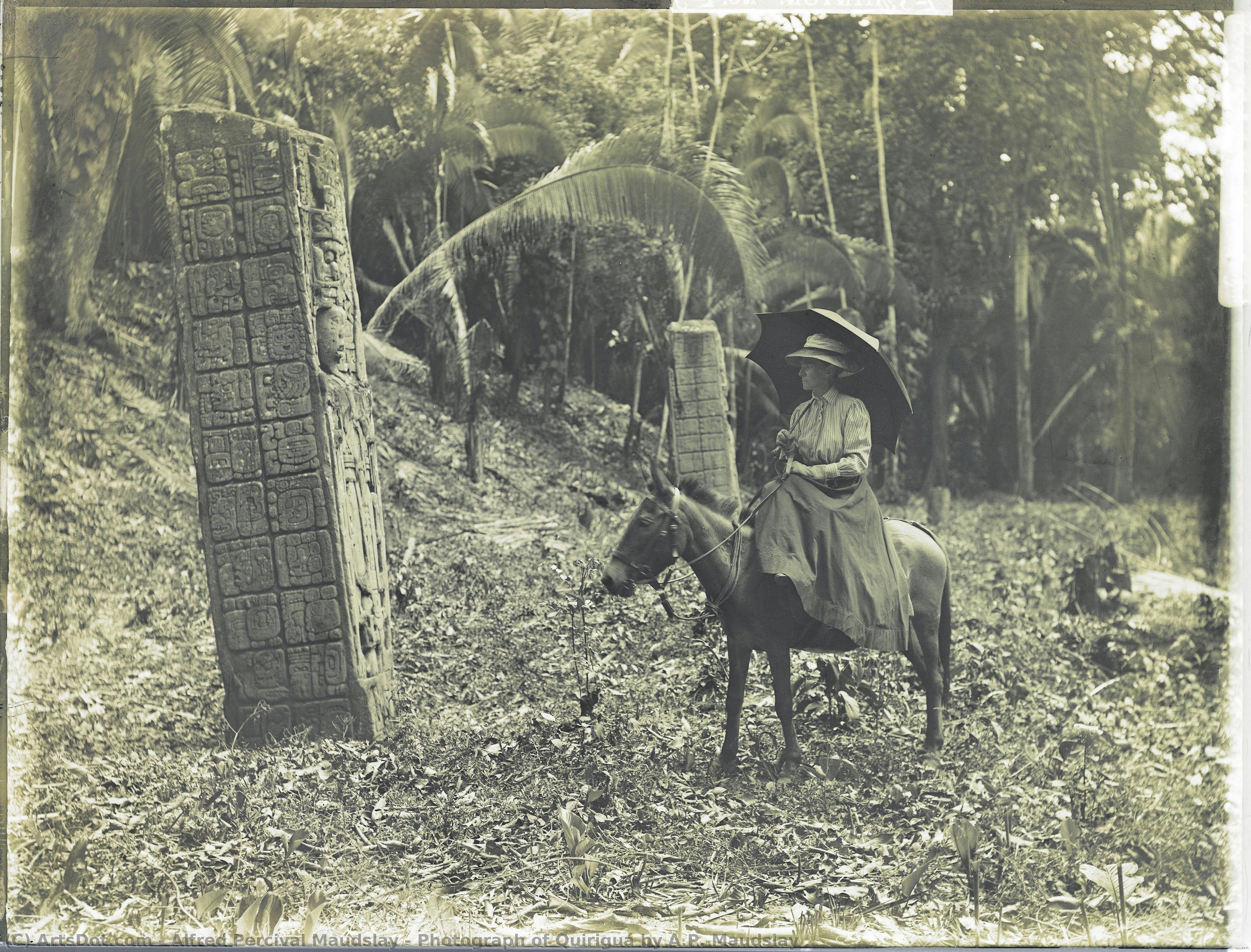
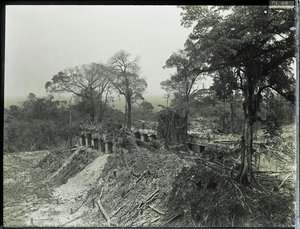
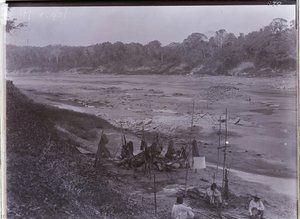
Photograph of Quiriguá by A.P. Maudslay
 Acrylic On Canvas
- WallArt
 16.0 x 21.0 cm
 Britanski muzej
 Pročitaj više
Ručno rađena uljana reprodukcija
Ručno oslikano uljanim bojama na platnu u dimenzijama i okviru po vašem izboru, izrađeno po porudžbini od strane naših umetnika. ( Kupi print Kupi digitalnu sliku)




P118B $10

P118H $10

P118W $10

P438Z $10

P508JH $12

P508YH $12

P805H $10

P805Z $10

P919BZ $10

P919G $10

P919XJ $10

P959ZH $10

P968JZ $12

W106C $8

W218G $10

W218JH $8

W218Y $10

W307PJ $10

W316G $10

W316PJ $8

W316Y $10

W398PJ $8

W4111J $10

W500HY $15

W500JH $15

W692G $12

W849H $8

W940BG $15

W953PJ $8




Izaberite jednu od naših unapred definisanih veličina koje odgovaraju originalnim proporcijama umetničkog dela.

Можете унети сопствене димензије како бисте прилагодили дело одређеном оквиру или простору. Ако одабрана величина не одговара пропорцијама оригинала, слика ће бити исечена или проширена додатним елементима који се ручно насликавају. Дигитални prikaz ће вам бити послат на одобрење пре почетка производње.
Имајте на уму да преглед на екрану не одражава стварно исецање или проширење. Само приказ (mockup) ће тачно приказати коначну композицију.
Иако су доступне прилагођене величине, препоручујемо да одаберете димензију из дефинисане листе како бисте сачували оригиналне пропорције.
Nakon narudžbine, tim ArtsDot.com će klijentu putem e-pošte poslati uputstva i dostaviti prikaz predloženog rešenja
Isporuka širom sveta () za 3/4 nedelje umesto uobičajenih 5 nedelja. (30 август). Bez kompromisa po pitanju kvaliteta.

Besplatna ekspresna dostava širom sveta

Visokokvalitetno laneno platno

Kompletno osiguranje transporta

Garancija povraćaja carine i uvoznih dažbina

Garancija vernosti boja

Politika povrata u roku od 60 dana (samo u slučaju nedostataka)

Garancija povrata novca od 100%

Popust pri grupnoj kupovini
 Opcija sa staklom dostupna je samo za dimenzije manje od 110 cm

Photograph of Quiriguá by A.P. Maudslay
Tehnika reprodukcije
Dimenzije reprodukcije
-


Konačna cena
$ 263
A Window Into Ancient Majesty: Photograph of Quiriguá by A.P. Maudslay
The image before you is more than just a photograph; it’s a portal – a carefully constructed window into the heart of ancient Maya civilization, specifically the monumental city of Quiriguá in southeastern Guatemala. Captured by the pioneering archaeologist and photographer Alfred Percival Maudslay during his expeditions in the late 19th century, this black-and-white image offers an intimate glimpse of a world both profoundly mysterious and undeniably majestic. It’s a testament to Maudslay's meticulous approach to documenting a culture on the brink of disappearing, preserving its grandeur for posterity.
Maudslay wasn’t merely recording ruins; he was actively engaged in understanding them. His work at Quiriguá, and across other Maya sites like Tikal and Copán, went far beyond simple surveying. He recognized the importance of capturing not just the visible structures but also the intricate glyphs carved into their surfaces – a crucial element for deciphering the history and beliefs of this sophisticated society. The photograph itself is a product of his innovative use of dry plate photography, a relatively new technology at the time, demanding careful technique and patience to achieve the clarity and detail evident in the final image.
The Setting: A City Carved from Stone
The scene depicted isn’t one of isolated ruins; it's a vibrant tableau of human activity set against the backdrop of colossal stone monuments. The photograph captures a moment during what appears to be a procession or ceremonial gathering, likely involving local inhabitants interacting with the impressive structures. A horse and rider dominate the foreground, suggesting the presence of authority and perhaps even a connection between the ruling elite and the people. The figures in the background, dressed in long robes, add to the sense of ritual and community. Notably, a bird is perched atop one of the ancient stelae – a subtle detail that hints at the Maya’s deep reverence for nature and its integration into their cosmology.
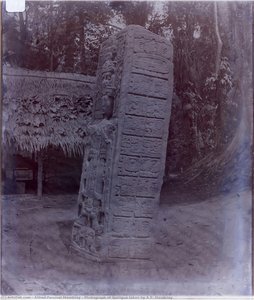
Quiriguá itself is remarkable for its sheer scale and artistic complexity. The city is famed for its massive stelae, towering sculptures carved from red sandstone, each adorned with elaborate glyphic inscriptions detailing the lineage of rulers and recounting significant historical events. These monumental works were not simply decorative; they served as powerful symbols of authority, legitimizing the power of the Maya elite and reinforcing their connection to the divine.
Technique and Artistic Vision
Maudslay’s photographic approach was remarkably advanced for his time. He didn't just snap a quick picture; he meticulously planned each shot, considering lighting, composition, and perspective. His use of a tripod ensured sharp focus, while his careful attention to detail is evident in the clarity of the stone carvings and the expressions on the faces of the people depicted. The monochrome palette enhances the dramatic effect, emphasizing the textures of the stone and creating a timeless quality.
Furthermore, Maudslay’s work extended beyond photography. He pioneered the technique of making plaster casts of the stelae's glyphs, allowing for their precise replication and study – a method that remains invaluable to scholars today. These casts, alongside his photographs, formed the basis of his monumental *Archaeology* series, a comprehensive record of Maya civilization.
A Legacy of Discovery
Alfred Percival Maudslay’s photograph of Quiriguá is more than just a historical document; it's a window into a lost world. It speaks to the enduring power of human creativity and the importance of preserving cultural heritage. Reproductions of this image, like those offered by ArtsDot.com, allow us to connect with the past in a tangible way, fostering an appreciation for the ingenuity and artistry of the Maya civilization. The photograph’s evocative quality invites contemplation on themes of power, ritual, and the relationship between humanity and its environment – making it a compelling addition to any collection or interior space.
Srodna umetnička dela
Biografija umetnika
**rani život i obrazovanje**
Alfred Percival Maudslay, britanski kolonijalni administrator i arheolog, rođen je 18. marta 1850. godine u Londonu u imućnoj porodici. Svoje prirodne nauke studirao je na Trinity Hall-u u Kembridžu, steći diplomu nakon što je 1872. godine završio osnovne studije.**karijera i putovanja**
Maudlejevi rani planovi za medicinsku karijeru odloženi su dok je putovao sa svojim bratom, obilazeći Centralnu Ameriku, Meksiko i delove Sjedinjenih Država. Ovo putovanje je probudilo duboko interesovanje za arheologiju, koje će kasnije definisati njegovo trajno nasleđe. Nakon povratka kući, Maudslay je ponovo odložio medicinske studije kako bi 1873. godine otputovao u Island. Zbog hroničnog bronhitisa, bio je primoran da potraži topliju klimu, što ga je vodilo kroz niz radnih mesta na Jamajci, Trinidadu i, na kraju, na Južnom Pacifiku.**arheološki doprinosi**
Vreme provedeno u britanskim pacifičkim kolonijama postavilo je temelje za njegova buduća arheološka istraživanja. Počeo je da se bavi prikupljanjem etnografskog materijala, što će na kraju doprineti formiranju Univerzitetskog muzeja arheologije i etnologije u Kembridžu. Njegov prijatelj, ornitolog Osbert Salvin, podstakao je Maudslaya da istraži drevne jadeške ruševine u mestima Quiriguá i Copán.**značajna dostignuća**
- Maudslay je bio prvi koji je opisao nalazište Yaxchilán.
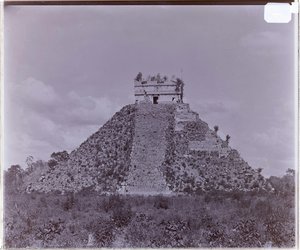
- Istraživao je Chichén Itzu tokom 1880-ih, ostavljajući za nama bogat arhiv fotografija.
- Objavio je prvi opširni opis Chichen Itze u svojoj knjizi, Biologia Centrali-Americana.
- Izradio je kompletan prevod sa anotacijama dela "Historia" Bernala Díaza del Castilla, koji i danas predstavlja standardno izdanje na engleskom jeziku.
**umetničko nasleđe**
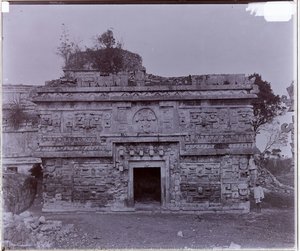
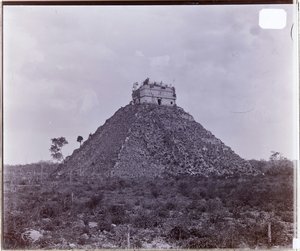
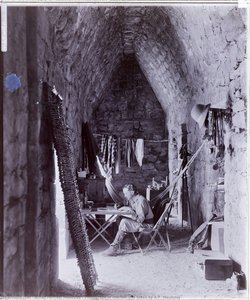
Maudlejeve fotografije i pisma su očuvani, nudeći nam jedinstven uvid u svet arheologije 19. veka. Njegov rad se može pronaći u brojnim muzejima, uključujući Britanski muzej (London, Ujedinjeno Kraljevstvo), koji čuva nekoliko njegovih fotografija.- Fotografija Chichén Itzá koju je snimio A.P. Maudslay (16 x 21 cm, Britanski muzej, fotografija)
- Fotografija Chichén Itzá koju je snimio A.P. Maudslay (25 x 30 cm, Britanski muzej, fotografija)
- Fotografija Copána koju je snimio A.P. Maudslay (31 x 25 cm, Britanski muzej, fotografija)
**zaključak**
Nasleđe Alfreda Percivala Maudslaya predstavlja svedočanstvo o moći radoznalosti i istraživanja. Od njegovih ranih dana kao kolonijalnog administratora do kasnijih godina provedenih kao arheolog, Maudlejev rad nastavlja da inspiriše i edukuje generacije.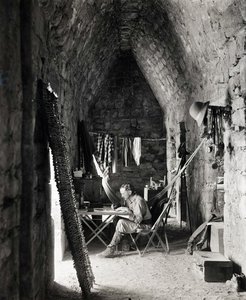
Alfred Percival Maudslay
1850 - 1931 , Ujedinjeno Kraljevstvo
Osnovne informacije
- Artistic Movement Or Style: Arheologija/Fotografija
- Date Of Birth: 1850
- Date Of Death: 1931
- Full Name: Alfred Percival Maudslay
- Nationality: Britanac
- Notable Artworks: ['Fotografija Čičena Itze']
- Place Of Birth: London, Ujedinjeno Kraljevstvo
Povezani članci

Dark Masterpieces: 10 Iconic Paintings Dominated by Black Tones |
Explore 10 iconic paintings dominated by black tones, from Rembrandt’s chiaroscuro to Goya's dark expressions. Discover the stories behind these masterpieces & find museum-quality art reproductions for your home at .
Mars Black Masterpieces: 10 Iconic Paintings & Timeless Art Decor Ideas
Delve into the power of 'Mars Black' with 10 iconic paintings by masters like Rembrandt & Caravaggio. Explore dramatic chiaroscuro, gothic art, and timeless beauty. Find museum-quality reproductions & elevate your home decor on .
Lamp Black & Masterpieces: 10 Paintings That Define Shadow & Light |
Delve into the captivating world of 'Lamp Black' tones with 10 iconic paintings by masters like Rembrandt & Caravaggio. Explore Baroque chiaroscuro, dramatic lighting & shadow in art history. Find museum-quality reproductions at
Ivory Black Masters: 10 Paintings That Define Dramatic Art |
Delve into the power of 'Ivory Black' with 10 iconic paintings by masters like Rembrandt & Caravaggio. Explore dramatic chiaroscuro, gothic moods & timeless art history. Find museum-quality reproductions and elevate your home decor at
Hubert Robert: Picturing Ruins, Preserving Memory – A Study of Romantic Antiquarianism & Artistic Innovation
Explore the captivating world of Hubert Robert, master of Romantic landscape painting & 'capriccio' ruins. Discover his historical context, artistic innovations, and collecting insights with ArtsDot.

