

 Pregledaj u prostoru
 Pošalji
 Podeli
 Detalji o delu

 Преузми
 Slični predmeti
 Rendgenski snimak
 Slajdovi
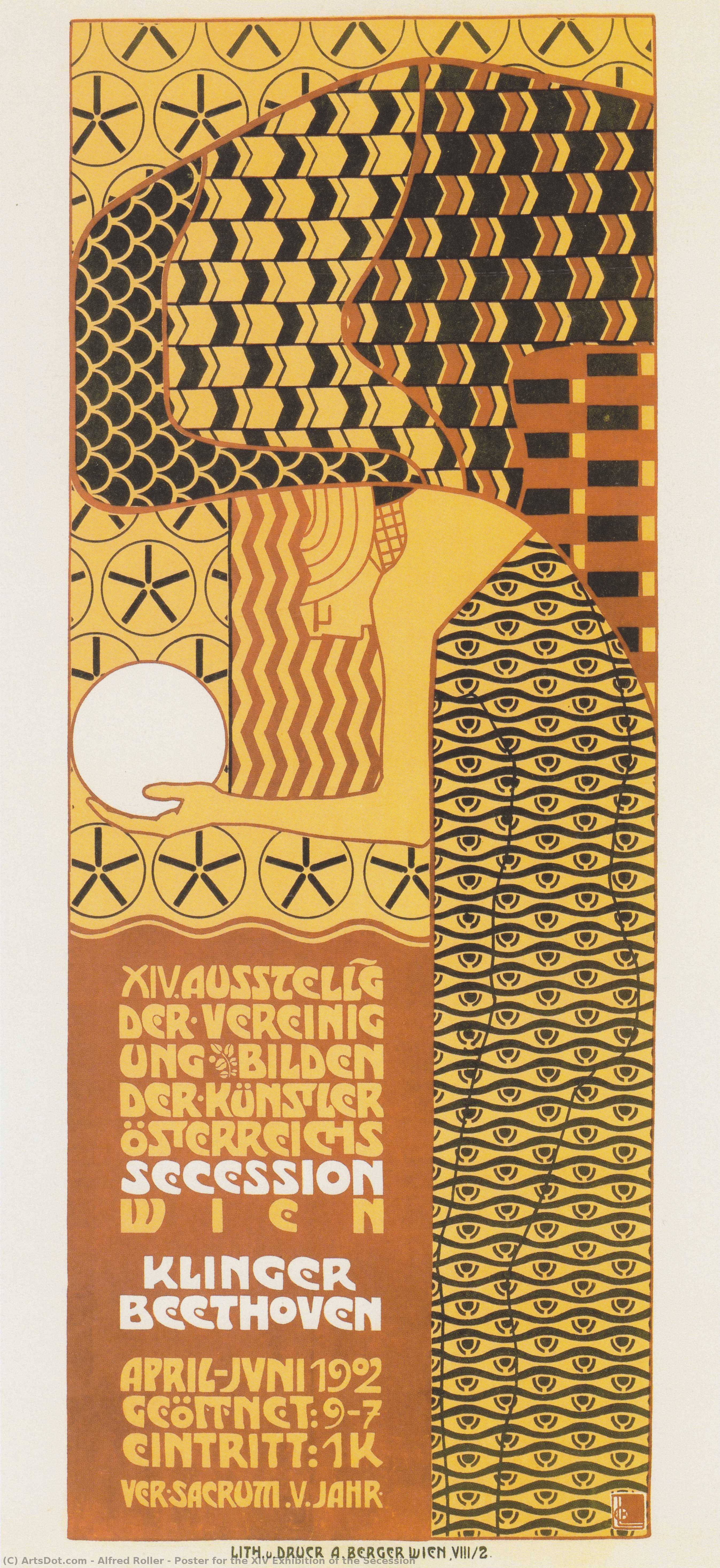
Poster for the XIV Exhibition of the Secession

 Pročitaj više
Giclee štampa / Umetnički otisak
Giclée štampa ili print na platnu muzejskog kvaliteta uz brzu proizvodnju i fleksibilne opcije završne obrade. ( Kupi ručno naslikanu sliku Kupi digitalnu sliku)




































Izaberite jednu od naših unapred definisanih veličina koje odgovaraju originalnim proporcijama umetničkog dela.

Možete uneti sopstvene dimenzije kako biste umetničko delo prilagodili specifičnom okviru ili prostoru. Ako odabrani format ne odgovara proporcijama originalne slike, mi ćemo ili iscrtati deo dela ili proširiti sliku pomoću ogledane ivice ili jednobojnog popunjavanja. Digitalni prikaz će vam biti poslat na odobrenje pre početka proizvodnje.
Imajte na umu da pregled na ekranu ne odražava stvarno iscrtavanje ili proširivanje. Samo će prikaz (mockup) precizno pokazati finalnu kompoziciju.
Iako su prilagođene dimenzije dostupne, preporučujemo da odaberete dimenziju sa unapred definisane liste kako biste očuvali originalne proporcije.
Dostava širom sveta () za 2 nedelje umesto uobičajenih 4/5 nedelja. (25 август)

Besplatna ekspresna dostava širom sveta

Visokokvalitetno laneno platno

Kompletno osiguranje transporta

Garancija povraćaja carine i uvoznih dažbina

Garancija vernosti boja

Politika povrata u roku od 60 dana (samo u slučaju nedostataka)

Garancija povrata novca od 100%

Popust pri grupnoj kupovini
 Opcija sa staklom dostupna je samo za dimenzije manje od 110 cm

Poster for the XIV Exhibition of the Secession
Giclee štampa / Umetnički otisak
Dimenzije reprodukcije
-


Konačna cena
$ 62
Srodna umetnička dela
Biografija umetnika
Henri de Toulouse-Lautrec: A Parisian Visionary
Born Henri Marie Raymond de Toulouse-Lautrec-Montfa in 1864, the future artist’s life was profoundly shaped by a confluence of aristocratic heritage and physical adversity. His birth into the wealthy Toulouse-Lautrec family of southern France afforded him an initial privileged existence, but a childhood accident—a fall from a horse that shattered both his legs—left him with a permanently stunted stature. This physical difference became inextricably linked to his artistic vision, fueling a desire to capture the world as he perceived it, unfiltered by conventional beauty standards.
Early exposure to art and design within his family’s circle laid the groundwork for his future pursuits. However, it was in Paris during the late 19th century that Toulouse-Lautrec truly blossomed, immersing himself in the vibrant, often decadent, world of bohemian nightlife. This immersion wasn't merely observational; he actively sought out the marginalized and unconventional – prostitutes, dancers, musicians, and performers – transforming them into the subjects of his most celebrated works. His fascination with this underbelly of Parisian society was not driven by mere sensationalism but a genuine attempt to document and understand a rapidly changing urban landscape.
The Influence of Post-Impressionism and Beyond
Toulouse-Lautrec’s artistic development is often categorized within the broader movement of Post-Impressionism, though he resisted such labels. He shared affinities with artists like Paul Cézanne, Vincent van Gogh, Paul Gauguin, and Georges Seurat – all grappling with the limitations of Impressionism and seeking new ways to represent reality. However, Lautrec’s approach diverged significantly. Unlike these contemporaries who often focused on formal experimentation, Toulouse-Lautrec prioritized capturing the *essence* of his subjects—their emotions, their movements, and the atmosphere of the spaces they inhabited.
His use of bold outlines, flattened perspectives, and a deliberately rough brushstroke created a sense of immediacy and dynamism that set him apart. He wasn’t interested in replicating photographic realism; instead, he employed a highly stylized approach to convey mood and character. The influence of Japanese prints—particularly *ukiyo-e* – is also evident in his compositions, particularly the use of bold outlines and flattened space.
A World of Nocturnal Scenes
Toulouse-Lautrec’s oeuvre is dominated by scenes from Parisian nightlife: cabarets, dance halls, brothels, and gambling dens. He meticulously documented these spaces, capturing their energy, their clientele, and the fleeting moments of human interaction. His paintings are not merely depictions of physical locations; they are portraits of a particular time and place—a vibrant, often chaotic, reflection of Parisian life at the turn of the century.
Notable works like *At the Moulin Rouge* (1892-93) and *Jane Avril Playing Poker* (1897) exemplify his ability to capture movement and emotion with remarkable precision. He employed a technique of multiple sketches, building up layers of paint to achieve a sense of spontaneity and immediacy. His use of color was equally expressive—bold reds, yellows, and blues were often used to heighten the drama and create a visually arresting effect.
Legacy and Recognition
Despite facing significant personal struggles – including bouts of alcoholism and depression – Toulouse-Lautrec achieved considerable recognition during his lifetime. His work was exhibited in major galleries throughout Europe and America, and he became a celebrated figure in Parisian artistic circles. The auction sale of *La Blanchisseuse* (1905) for an unprecedented sum underscored the growing appreciation for his art.
Today, Toulouse-Lautrec’s legacy endures as one of the most distinctive and beloved artists of the late 19th century. His bold style, his unflinching portrayal of Parisian life, and his ability to capture the essence of human emotion continue to resonate with audiences worldwide. His work remains a powerful testament to the transformative power of art and its capacity to illuminate the complexities of the human experience.
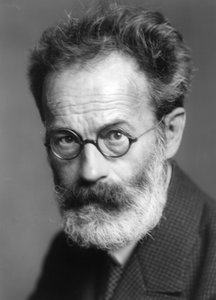
alfred roller
1864 - 1935 , Austria
Osnovne informacije
- Artistic Movement Or Style: Post-Impressionism
- Artists Or Movements Influenced By This Artist: ['George Seurat']
- Artists Who Influenced This Artist:
- Paul Cézanne
- Vincent van Gogh
- Date Of Birth: November 24, 1864
- Date Of Death: September 9, 1901
- Full Name: Henri Marie Raymond de Toulouse-Lautrec
- Nationality: French
- Notable Artworks:
- La Blanchisseuse
- Moulin de la Galette
- Place Of Birth: Camjac, Aveyron, France

