

 Pregledaj u prostoru
 Pošalji
 Podeli
 Detalji o delu

 Преузми
 Slični predmeti
 Rendgenski snimak
 Slajdovi
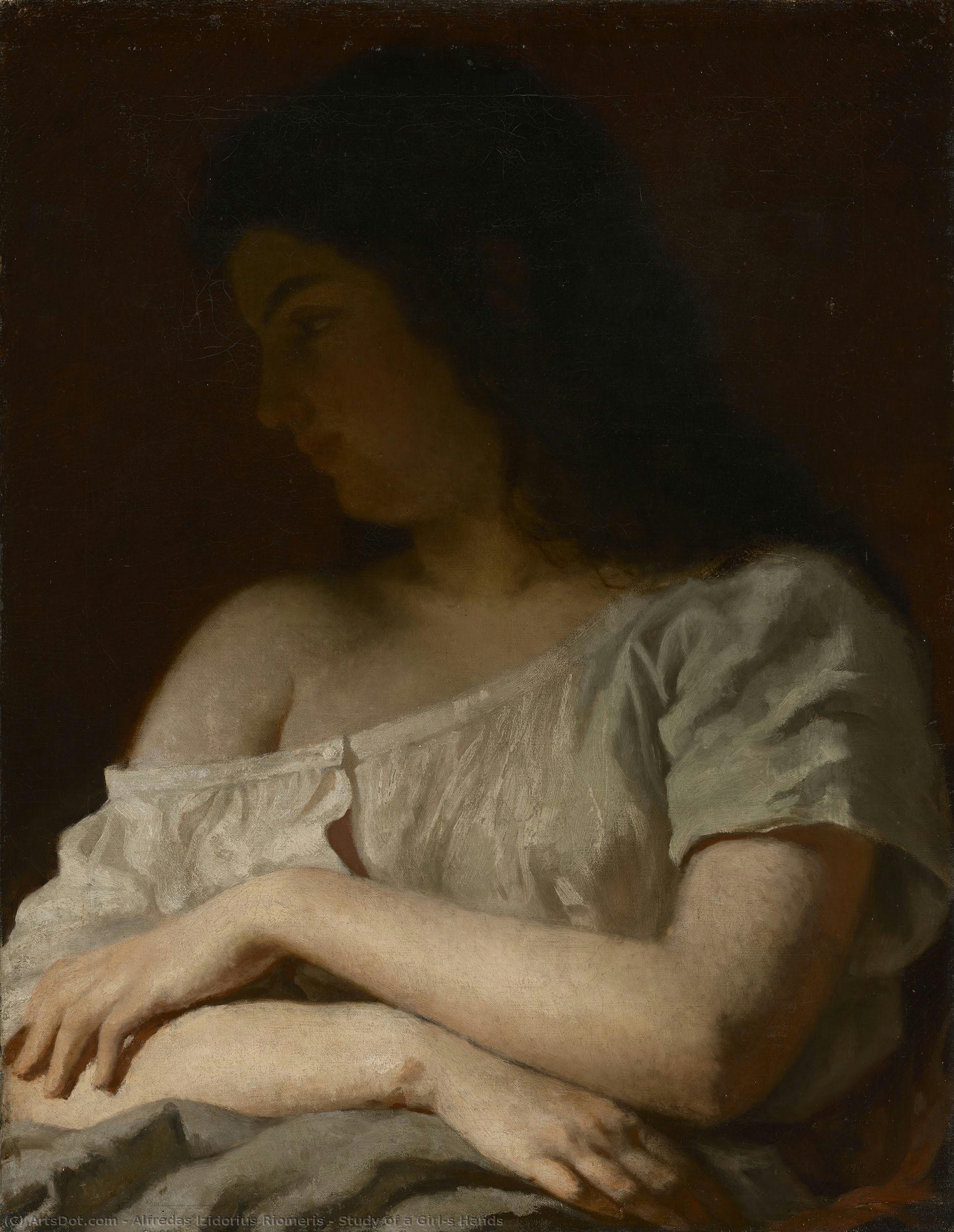
Study of a Girl’s Hands

 Pročitaj više
Giclee štampa / Umetnički otisak
Giclée štampa ili print na platnu muzejskog kvaliteta uz brzu proizvodnju i fleksibilne opcije završne obrade. ( Kupi ručno naslikanu sliku Kupi digitalnu sliku)




































Izaberite jednu od naših unapred definisanih veličina koje odgovaraju originalnim proporcijama umetničkog dela.

Možete uneti sopstvene dimenzije kako biste umetničko delo prilagodili specifičnom okviru ili prostoru. Ako odabrani format ne odgovara proporcijama originalne slike, mi ćemo ili iscrtati deo dela ili proširiti sliku pomoću ogledane ivice ili jednobojnog popunjavanja. Digitalni prikaz će vam biti poslat na odobrenje pre početka proizvodnje.
Imajte na umu da pregled na ekranu ne odražava stvarno iscrtavanje ili proširivanje. Samo će prikaz (mockup) precizno pokazati finalnu kompoziciju.
Iako su prilagođene dimenzije dostupne, preporučujemo da odaberete dimenziju sa unapred definisane liste kako biste očuvali originalne proporcije.
Dostava širom sveta () za 2 nedelje umesto uobičajenih 4/5 nedelja. (24 август)

Besplatna ekspresna dostava širom sveta

Visokokvalitetno laneno platno

Kompletno osiguranje transporta

Garancija povraćaja carine i uvoznih dažbina

Garancija vernosti boja

Politika povrata u roku od 60 dana (samo u slučaju nedostataka)

Garancija povrata novca od 100%

Popust pri grupnoj kupovini
 Opcija sa staklom dostupna je samo za dimenzije manje od 110 cm

Study of a Girl’s Hands
Giclee štampa / Umetnički otisak
Dimenzije reprodukcije
-


Konačna cena
$ 62
Srodna umetnička dela



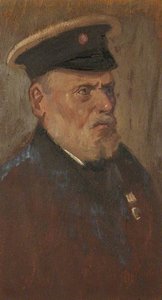



Biografija umetnika
Alfred Izydor Römer (1832–1897): A Pioneer of Baltic Realism
Alfred Izydor Römer (Römer or Roemer), born May 16, 1832, in Vilnius, Lithuania, was a multifaceted artist hailing from a noble family rooted in Baltic-German origins. His lineage traced back to influential figures who shaped Lithuanian and Polish history—a father steeped in artistic activism and a grandfather championing the abolition of serfdom—providing him with an environment rich in intellectual curiosity and social engagement. Römer’s formative years were marked by rigorous artistic training under Kanuti Rusiecki, fostering his mastery of drawing techniques honed during his exile to Vologda following his father's imprisonment in 1839. This experience instilled a profound appreciation for observation and meticulous detail, qualities that would define his distinctive artistic vision.- Early Life & Education: Römer’s upbringing nurtured a deep connection to Lithuanian culture and fostered an unwavering commitment to artistic excellence. His father's advocacy for social reform instilled in him a moral compass aligned with humanist ideals.
- European Travels & Artistic Influences: In 1857, Römer embarked on a transformative journey through Europe alongside Jan Zienkiewicz, immersing himself in the artistic landscapes of Dresden, Paris, Belgium, and Italy. These travels exposed him to diverse artistic traditions—particularly Romanticism—inspiring him to explore emotive expression within his compositions. Notably, Thomas Stuart Smith’s work served as a significant catalyst for Römer's stylistic evolution.
A Master of Lithuanian Landscape & Portraiture
Römer established an art academy in Vilnius, furthering the dissemination of artistic knowledge and nurturing the talents of aspiring artists. His dedication to teaching solidified his role as a cultural pillar within Lithuania. He skillfully captured the essence of rural life—evident in evocative depictions of landscapes and peasant scenes—demonstrating a commitment to portraying authentic representations of Lithuanian society. Simultaneously, Römer excelled in portraiture, producing remarkably realistic portraits that conveyed psychological depth and capturing the individual character of his subjects. His meticulous attention to anatomical accuracy and subtle nuances of expression cemented his reputation as one of Lithuania’s foremost artists.- Notable Paintings: Römer's oeuvre includes “Study of a Girl’s Hands,” a poignant exploration of human emotion rendered with remarkable precision, showcasing the artist’s mastery of technique.
- Medieval Art Reproductions: Römer’s legacy extends beyond individual artworks; he contributed to the revival and dissemination of medieval art through reproductions available on ArtsDot.com.
Recognition & Legacy
Römer's artistic achievements garnered considerable acclaim during his lifetime, securing him a prominent place in Lithuanian art history. His unwavering dedication to realism—influenced by the Polish-Lithuanian art movement—established him as a champion of traditional artistic methods and materials. Römer’s contribution to Lithuanian culture is commemorated through The Stirling Smith Art Gallery and Museum, which houses a comprehensive collection of his paintings and sculptures. Furthermore, Römer collaborated with Peter Thomson and Thomas Faed, artists who shared similar stylistic sensibilities and contributed to the broader artistic landscape of the era. Alfred Izydor Römer remains an enduring symbol of Lithuanian artistic heritage—a testament to unwavering dedication, meticulous observation, and profound engagement with the human condition.Further Exploration
For a deeper understanding of Römer’s life and work, consult Wikipedia: https://en.wikipedia.org/wiki/Alfred_Izydor_Romer. Also explore his contributions to Lithuanian art history at ArtsDot.com: /en/artists/alfredas-izidorius-riomeris-en/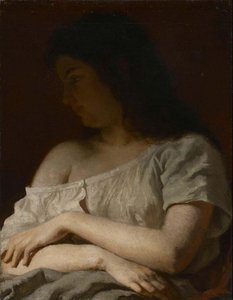
alfredas izidorius riomeris
1832 - 1897 , Lithuania
Osnovne informacije
- Artistic Movement Or Style: Romanticism Realism
- Artists Or Movements Influenced By This Artist: ['Polish Lithuanian Art']
- Artists Who Influenced This Artist:
- Thomas Stuart Smith
- Peter Thomson
- Thomas Faed
- Date Of Birth: 1832 Vilnius Lithuania
- Date Of Death: 1897 Karalinova Belarus
- Full Name: Alfred Izydor Römer
- Nationality: Polish Lithuanian
- Notable Artworks: ['The Stirling Smith Art Gallery and Museum']
- Place Of Birth: Vilnius Lithuania

