

 Pregledaj u prostoru
 Pošalji
 Podeli
 Detalji o delu

 Преузми
 Slični predmeti
 Rendgenski snimak
 Slajdovi
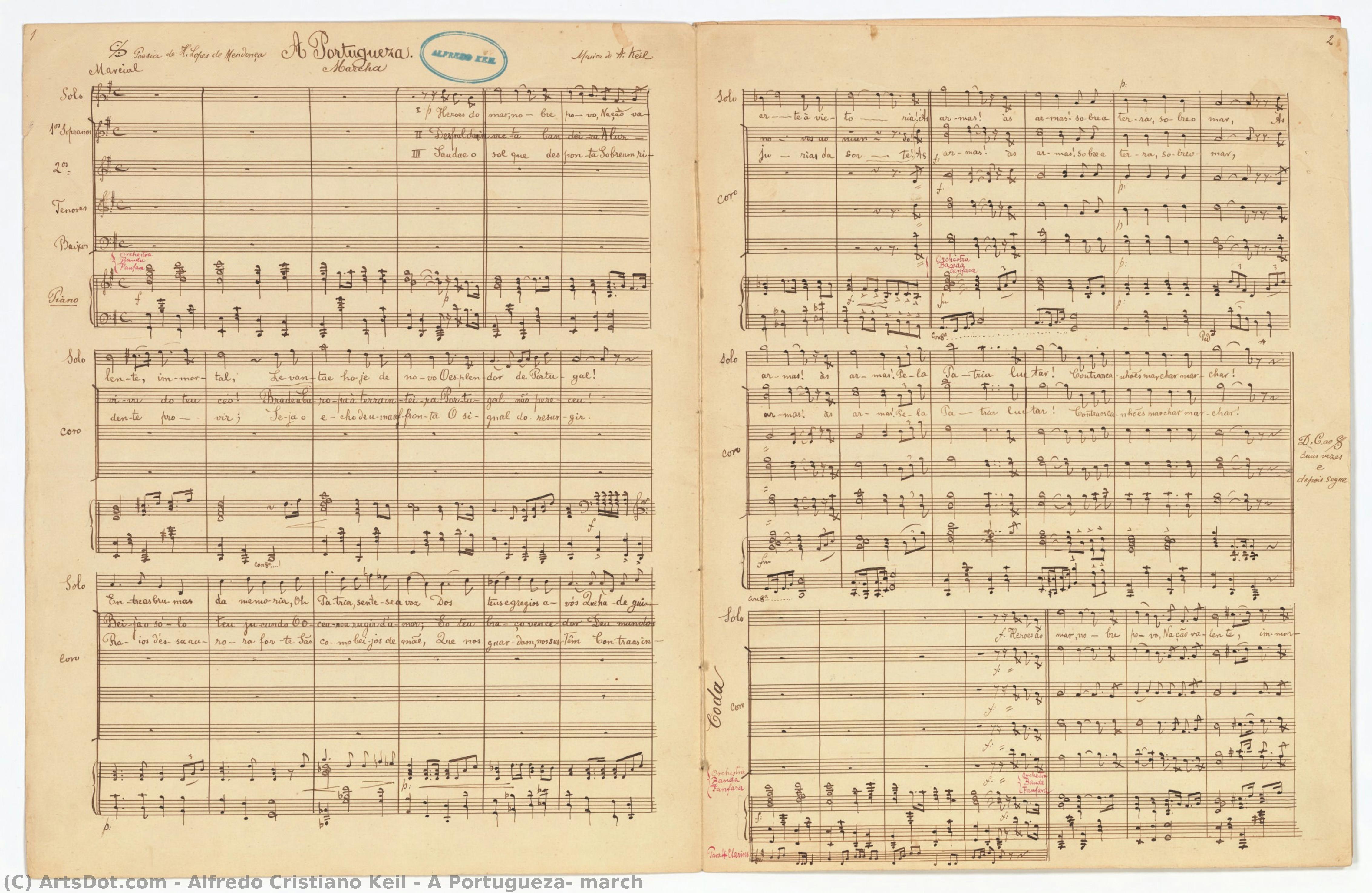
A Portugueza: march
 Manuscript
- Romanticism
 1890
1890- 19th Century
 35.0 x 54.0 cm
 Museu Nacional da Música
 Pročitaj više
Giclee štampa / Umetnički otisak
Giclée štampa ili print na platnu muzejskog kvaliteta uz brzu proizvodnju i fleksibilne opcije završne obrade. ( Kupi ručno naslikanu sliku Kupi digitalnu sliku)




P118B $10

P118H $10

P118W $10

P438Z $10

P508JH $12

P508YH $12

P805H $10

P805Z $10

P919BZ $10

P919G $10

P919XJ $10

P959ZH $10

P968JZ $12

W106C $8

W218G $10

W218JH $8

W218Y $10

W307PJ $10

W316G $10

W316PJ $8

W316Y $10

W398PJ $8

W4111J $10

W500HY $15

W500JH $15

W692G $12

W849H $8

W940BG $15

W953PJ $8




Izaberite jednu od naših unapred definisanih veličina koje odgovaraju originalnim proporcijama umetničkog dela.

Možete uneti sopstvene dimenzije kako biste umetničko delo prilagodili specifičnom okviru ili prostoru. Ako odabrani format ne odgovara proporcijama originalne slike, mi ćemo ili iscrtati deo dela ili proširiti sliku pomoću ogledane ivice ili jednobojnog popunjavanja. Digitalni prikaz će vam biti poslat na odobrenje pre početka proizvodnje.
Imajte na umu da pregled na ekranu ne odražava stvarno iscrtavanje ili proširivanje. Samo će prikaz (mockup) precizno pokazati finalnu kompoziciju.
Iako su prilagođene dimenzije dostupne, preporučujemo da odaberete dimenziju sa unapred definisane liste kako biste očuvali originalne proporcije.
Dostava širom sveta () za 2 nedelje umesto uobičajenih 4/5 nedelja. (22 август)

Besplatna ekspresna dostava širom sveta

Visokokvalitetno laneno platno

Kompletno osiguranje transporta

Garancija povraćaja carine i uvoznih dažbina

Garancija vernosti boja

Politika povrata u roku od 60 dana (samo u slučaju nedostataka)

Garancija povrata novca od 100%

Popust pri grupnoj kupovini
 Opcija sa staklom dostupna je samo za dimenzije manje od 110 cm

A Portugueza: march
Giclee štampa / Umetnički otisak
Dimenzije reprodukcije
-


Konačna cena
$ 62
Opis predmeta
A Melodic Echo from the Heart of Portugal
In the delicate, aged fibers of this handwritten manuscript lies more than just musical notation; it is a rhythmic heartbeat of a nation. A Portugueza: march, composed in 1890 by the illustrious Alfredo Cristiano Keil, serves as a profound window into the soul of late 19th-century Portuguese Romanticism. As one gazes upon the two-page spread, the eye is immediately drawn into a dense, intricate dance of black ink against a warm, yellowed parchment. This is not merely a document of notes and rests; it is a visual symphony where every clef and time signature acts as a structural element in a larger, historical narrative. The composition possesses a rhythmic density that mirrors the very march it describes, creating a sense of disciplined movement and ceremonial grandeur.
The technique preserved within these pages speaks to an era of meticulous craftsmanship. The manuscript displays the elegant, deliberate hand of a composer at work, where the interplay of staff lines and musical symbols creates a complex, geometric network. There is a tactile quality to the piece, with the rough, uneven texture of the aged paper providing a soulful backdrop to the precise black ink. For the discerning collector or interior designer, this artwork offers a unique aesthetic of "organized complexity." The monochromatic palette, punctuated only by the subtle patina of time, allows it to integrate seamlessly into sophisticated, classical, or even contemporary minimalist environments, acting as a conversation piece that bridges the gap between auditory history and visual art.
The Legacy of a Dual Master
To understand the emotional weight of this score, one must consider the man behind the pen. Alfredo Cristiano Keil was a rare polymath of the arts, a figure who moved with equal grace between the brush and the baton. While he is celebrated as a pivotal painter of the Romantic and Naturalist movements in Portugal, his contribution to the nation's sonic identity is perhaps even more enduring. This specific march, A Portugueza, carries a weight of national pride, as Keil would later go on to compose the very melody that became Portugal’s national anthem. The manuscript captures a moment of creative genesis, reflecting a period when Portuguese art was deeply influenced by the dramatic compositions and emotive palettes learned in the studios of Munich and Nuremberg.
The emotional impact of this piece lies in its ability to evoke nostalgia and reverence. It is a relic of a time when music was physically etched into existence, requiring a physical connection between the composer's intent and the paper's surface. For those seeking to adorn a space with art that possesses true historical gravity, this reproduction offers an opportunity to host a piece of cultural heritage. It brings into a room the quiet dignity of the 1890s, inviting contemplation on the enduring power of melody and the indelible marks left by masters of the Romantic era.
Srodna umetnička dela
Biografija umetnika
The Dual Soul of a Portuguese Master
Alfredo Cristiano Keil (1850-1907) stands as a pivotal figure in Portuguese artistic history, embodying the spirit of Romanticism while simultaneously forging his own distinctive path as both composer and painter. Born in Lisbon to Johann Christian Keil and Maria Josefina Stellflug, he inherited a lineage steeped in German heritage—a duality that profoundly shaped his worldview and artistic sensibilities. His formative years were spent absorbing the intellectual currents of Munich and Nuremberg, where he honed his skills under the tutelage of esteemed Romantic painters Kaulbach and von Kreling. From these masters, he imbibed a profound mastery of dramatic composition and an emotive use of color palettes that would later define his visual language.
Returning to Portugal, Keil established himself as a celebrated Romantic painter, navigating alongside the burgeoning naturalist movement with a unique grace. Unlike many of his contemporaries who sought to depict reality with scientific precision, Keil’s artistic vision leaned towards capturing the inner landscapes of emotion. His canvases resonate with a palpable sensitivity, often featuring intimate scenes bathed in melanchative hues or evocative depictions of the Portuguese countryside. Whether through delicate black and white drawings, such as the tender moment captured in Les Voici!, or more complex botanical studies like his floral arrangement of lilies in Ici-bas!, his work reflects an unwavering belief in the power of art to convey profound truths and a deep connection to the human condition.
A Symphony of National Identity
Beyond the canvas, Keil achieved considerable renown as a composer, cementing his reputation as Portugal’s foremost Romantic opera composer. His musical output was characterized by lyrical melodies and dramatic narratives that breathed life into the grand stages of his era. Through ambitious works such as Donna Bianca (1888), Irene (1893), and Serrena (1899), he explored the heights of operatic expression, blending classical structure with a romanticized emotional depth. His musicality extended into more intimate forms as well, seen in his collection of six mélodies, which showcased his ability to weave delicate, poetic sentiments into song.
Perhaps his most enduring contribution to the cultural fabric of his nation lies in his role as a musical patriot. In 1891, Keil collaborated with the poet Henrique Lopes de Mendonça to craft the music for A Portuguesa, which would become Portugal's national anthem. This stirring march, documented in rare handwritten scores from 1890, serves as a testament to his commitment to serving his nation’s cultural identity. Through this monumental achievement, Keil ensured that his artistic legacy would not only be found in the quiet contemplation of galleries but would also echo through the very heart of Portuguese civic life.
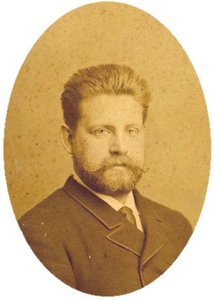
alfredo cristiano keil
1850 - 1907 , Portugal
Osnovne informacije
- Artistic Movement Or Style: Romanticism
- Artists Or Movements Influenced By This Artist: ['Romanticism']
- Artists Who Influenced This Artist:
- Kaulbach
- von Kreling
- Date Of Birth: 1850 Lisbon Portugal
- Date Of Death: 1907
- Full Name: Alfredo Cristiano Keil
- Nationality: Portuguese
- Notable Artworks:
- Six Mélodies: Adieu
- Six Mélodies: Les Voici!
- Six Mélodies: Ici-bas!
- Donna Bianca opera
- Place Of Birth: Lisbon Portugal
Povezani članci
Harmonies on Canvas: Exploring the Visual Representation of Music in Art History
Explore the fascinating history of music's visual representation in art! From ancient symbolism to modern abstraction, discover how artists have captured sound and emotion on canvas. Expert insights & stunning examples.
Alfredo Roque Gameiro: A Portuguese Master of Historical Painting & Artistic Eclecticism
Discover Alfredo Roque Gameiro (1864-1935), a renowned Portuguese painter celebrated for his vibrant watercolors and historical illustrations. Explore his legacy & artworks at ArtsDot.
19th Century Masterpieces: 10 Paintings That Defined an Era | ArtsDot
Journey through 19th century art with ArtsDot! Explore 10 iconic paintings – from Monet & Renoir to Courbet – and discover the stories behind Romanticism, Realism & Impressionism. Find museum-quality reproductions for your home decor. Explore the full collection online!

Reflections of an Era: Identity & Social Commentary in 19th-Century Portraiture
Explore the captivating world of 19th-century portraiture! Discover key artists, movements like Realism & Impressionism, and the powerful social commentary embedded within these iconic artworks. Expert insights at ArtsDot.
Iconic Art of the 18th & 19th Centuries: Masterpieces for Your Home | ArtsDot
Journey through 18th & 19th century art! Explore iconic masterpieces by Monet, Van Gogh & more. Discover the stories behind these timeless paintings and find museum-quality reproductions for your home at ArtsDot.com.

