

 Pregledaj u prostoru
 Pošalji
 Podeli
 Detalji o delu

 Преузми
 Slični predmeti
 Rendgenski snimak
 Slajdovi
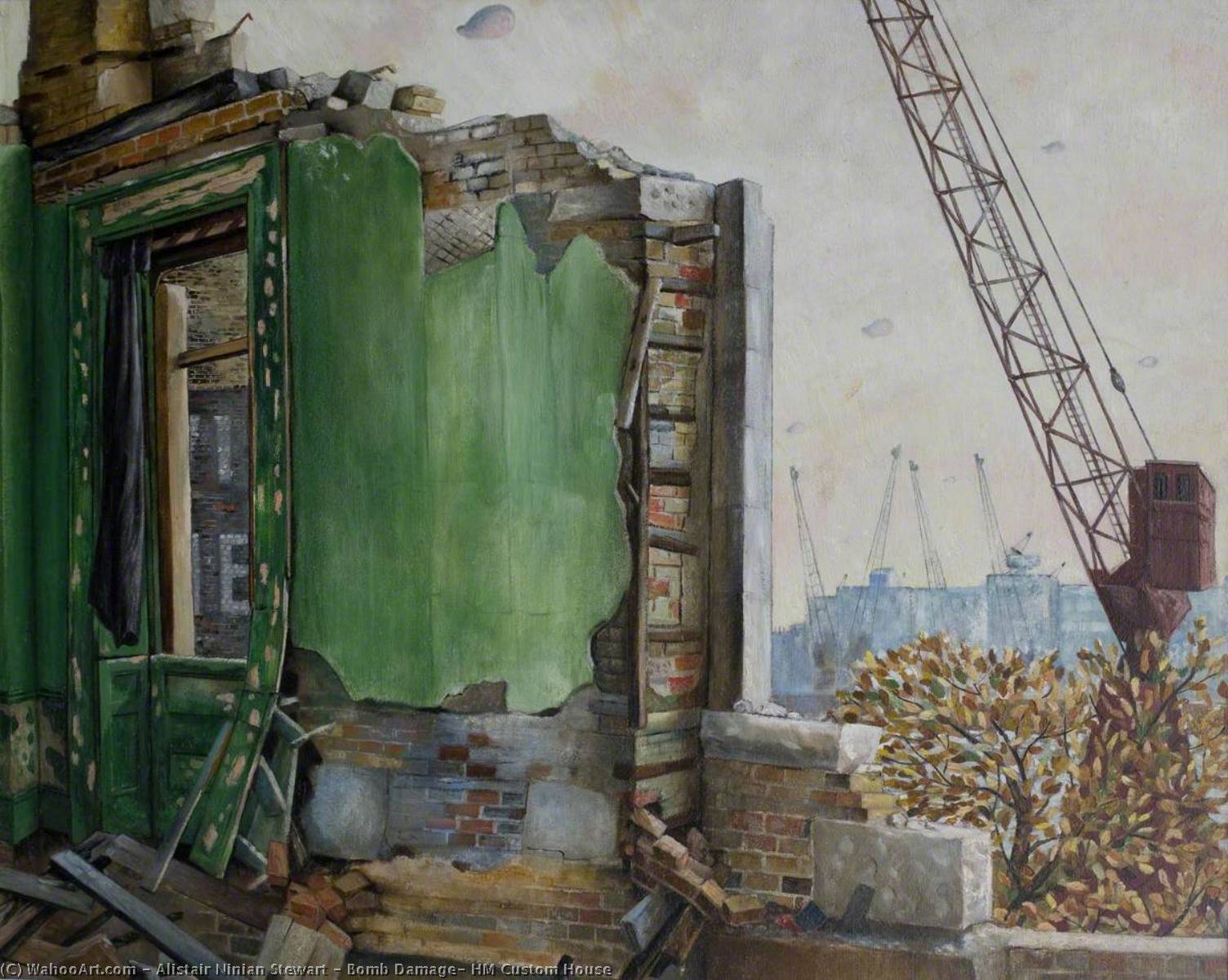
Bomb Damage, HM Custom House
 1941
1941 90.0 x 74.0 cm
 Ministry of Defence
 Pročitaj više
Giclee štampa / Umetnički otisak
Giclée štampa ili print na platnu muzejskog kvaliteta uz brzu proizvodnju i fleksibilne opcije završne obrade. ( Kupi ručno naslikanu sliku Kupi digitalnu sliku)




































Izaberite jednu od naših unapred definisanih veličina koje odgovaraju originalnim proporcijama umetničkog dela.

Možete uneti sopstvene dimenzije kako biste umetničko delo prilagodili specifičnom okviru ili prostoru. Ako odabrani format ne odgovara proporcijama originalne slike, mi ćemo ili iscrtati deo dela ili proširiti sliku pomoću ogledane ivice ili jednobojnog popunjavanja. Digitalni prikaz će vam biti poslat na odobrenje pre početka proizvodnje.
Imajte na umu da pregled na ekranu ne odražava stvarno iscrtavanje ili proširivanje. Samo će prikaz (mockup) precizno pokazati finalnu kompoziciju.
Iako su prilagođene dimenzije dostupne, preporučujemo da odaberete dimenziju sa unapred definisane liste kako biste očuvali originalne proporcije.
Dostava širom sveta () za 2 nedelje umesto uobičajenih 4/5 nedelja. (6 септембар)

Besplatna ekspresna dostava širom sveta

Visokokvalitetno laneno platno

Kompletno osiguranje transporta

Garancija povraćaja carine i uvoznih dažbina

Garancija vernosti boja

Politika povrata u roku od 100 dana (samo u slučaju nedostataka)

Garancija povrata novca od 100%

Popust pri grupnoj kupovini
 Opcija sa staklom dostupna je samo za dimenzije manje od 110 cm

Bomb Damage, HM Custom House
Giclee štampa / Umetnički otisak
Dimenzije reprodukcije
-


Konačna cena
$ 62
Srodna umetnička dela








Biografija umetnika
Alistair Ninian Stewart: Echoes of War and the Pallor of Galloway
Alistair Ninian Stewart (1908-1979) wasn’t a name immediately recognized in the annals of 20th-century British art, yet his work possesses a haunting beauty and profound historical resonance. Born in Edinburgh, Scotland, into a family with strong artistic leanings – his father was a renowned painter – Stewart's journey as an artist was shaped by both personal tragedy and the tumultuous backdrop of World War II. His canvases aren’t merely depictions of landscapes or buildings; they are imbued with a palpable sense of loss, memory, and the enduring impact of conflict on the British psyche.
Stewart’s early artistic training focused primarily on landscape painting, influenced by the Scottish tradition of depicting the rugged beauty of Galloway. He initially embraced a more traditional style, capturing the rolling hills, heather-clad moors, and dramatic coastlines with meticulous detail. However, the outbreak of World War II dramatically altered his trajectory. The bombing raids over Britain, particularly those targeting London, profoundly affected him, triggering a shift in his subject matter and artistic approach. He began to document the devastation – the skeletal remains of buildings, the rubble-strewn streets, and the lingering sense of fear – with an unflinching realism that belied the romanticism often associated with landscape painting.
The Shadow of War: A Shift in Style
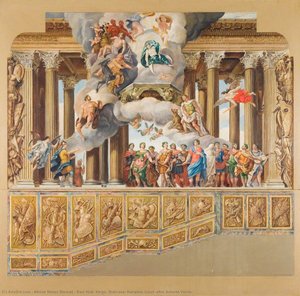
Following the war, Stewart’s work underwent a significant transformation. He moved away from purely representational depictions, exploring tonal variations and atmospheric effects to convey the emotional weight of his subjects. His paintings became characterized by muted colors, subtle textures, and a deliberate blurring of outlines – techniques reminiscent of Tonalism, a late 19th-century movement emphasizing mood and atmosphere over precise detail. This stylistic evolution is particularly evident in his iconic series of wartime paintings, including “East Wall, Kings’ Staircase, Hampton Court” (1943) and "North Bastion, Tower of London" (1941). These works aren't celebratory portrayals of military might; instead, they offer a poignant meditation on destruction, decay, and the fragility of human existence. The stark contrast between the grandeur of the historical buildings and their ravaged state serves as a powerful metaphor for the broader social and psychological trauma experienced by Britain during the war years.
Stewart’s artistic influences were diverse. He admired the work of J.M.W. Turner, whose atmospheric landscapes had profoundly impacted his early training. Later, he was drawn to the works of Edward Hopper, particularly his evocative portrayals of urban isolation and loneliness. However, it's crucial to note that Stewart’s wartime paintings transcend mere imitation; they possess a uniquely Scottish sensibility – a melancholic awareness of mortality and a deep connection to the land.
Galloway Revisited: A Return to Roots
Despite his wartime output, Stewart never abandoned his love for Galloway. In the post-war years, he returned to this region, producing a series of paintings that celebrated its enduring beauty while subtly acknowledging the scars left by past conflicts. These landscapes retain the meticulous detail of his earlier work but are infused with a newfound sense of quiet contemplation and resilience. The muted colors and atmospheric effects suggest a deeper understanding of the land’s history – its connection to both prosperity and hardship.
His later works often featured portraits, notably his evocative depictions of Sir John Watson Gordon, a leading Scottish master. These portraits demonstrate Stewart's ability to capture not only physical likeness but also the character and personality of his subjects. The influence of Tonalism is still present, creating a sense of intimacy and emotional depth.
Legacy and Historical Significance
Alistair Ninian Stewart’s contribution to British art may have been initially overlooked, yet his wartime paintings hold significant historical value. They offer a rare and unflinching glimpse into the psychological impact of World War II on Britain – a subject often glossed over in official accounts. His work serves as a poignant reminder of the human cost of conflict and the enduring power of memory. Furthermore, Stewart’s stylistic evolution—his transition from traditional landscape painting to atmospheric Tonalism—demonstrates the dynamic nature of artistic expression during a period of profound social and political upheaval. Today, his paintings are increasingly recognized for their emotional depth, technical skill, and historical significance, solidifying Alistair Ninian Stewart's place as a compelling voice in 20th-century British art.
alistair ninian stewart
1908 - 1979
Osnovne informacije
- Artistic Movement Or Style: WWII Art, Landscape Painting
- Artists Or Movements Influenced By This Artist:
- Impressionist painters
- Macchiaioli artists
- Artists Who Influenced This Artist:
- Tommy Gordon
- William MacGeorge
- Date Of Birth: 1908
- Date Of Death: 1979
- Full Name: Alistair Ninian Stewart
- Nationality: Scottish
- Notable Artworks:
- East Wall, Hampton Court
- North Bastion, Tower London
- Place Of Birth: WahooArt, Scotland