

 Pregledaj u prostoru
 Pošalji
 Podeli
 Detalji o delu

 Преузми
 Slični predmeti
 Rendgenski snimak
 Slajdovi
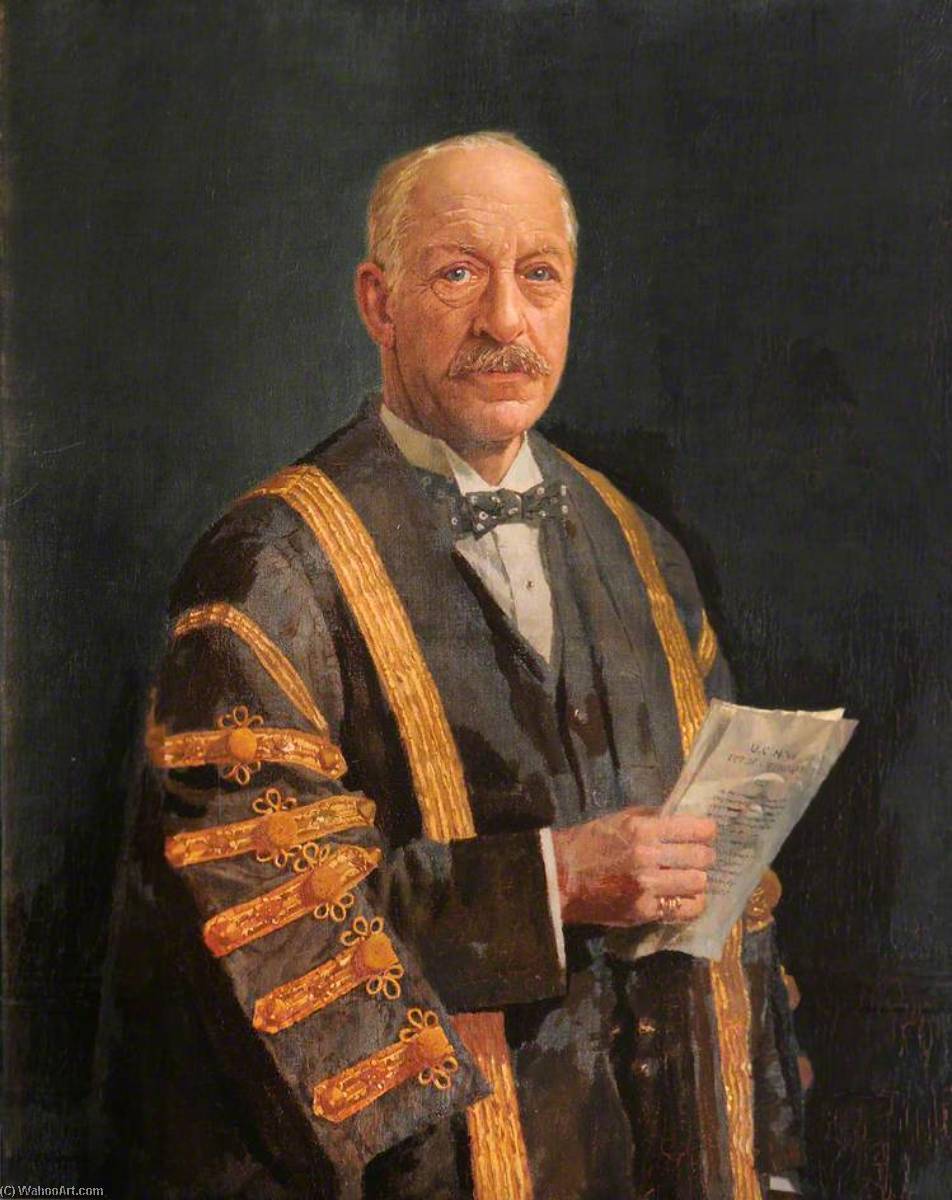
Lord Tyrell Kenyon (1864–1927), KCVC, 4th Baron of Gredington, President of the College (1900–1923), Senior Deputy Chancellor of the University of Wales (1919–1920)
 1929
1929 105.0 x 84.0 cm
 University of Bangor
 Pročitaj više
Giclee štampa / Umetnički otisak
Giclée štampa ili print na platnu muzejskog kvaliteta uz brzu proizvodnju i fleksibilne opcije završne obrade. ( Kupi ručno naslikanu sliku Kupi digitalnu sliku)




































Izaberite jednu od naših unapred definisanih veličina koje odgovaraju originalnim proporcijama umetničkog dela.

Možete uneti sopstvene dimenzije kako biste umetničko delo prilagodili specifičnom okviru ili prostoru. Ako odabrani format ne odgovara proporcijama originalne slike, mi ćemo ili iscrtati deo dela ili proširiti sliku pomoću ogledane ivice ili jednobojnog popunjavanja. Digitalni prikaz će vam biti poslat na odobrenje pre početka proizvodnje.
Imajte na umu da pregled na ekranu ne odražava stvarno iscrtavanje ili proširivanje. Samo će prikaz (mockup) precizno pokazati finalnu kompoziciju.
Iako su prilagođene dimenzije dostupne, preporučujemo da odaberete dimenziju sa unapred definisane liste kako biste očuvali originalne proporcije.
Dostava širom sveta () za 2 nedelje umesto uobičajenih 4/5 nedelja. (2 септембар)

Besplatna ekspresna dostava širom sveta

Visokokvalitetno laneno platno

Kompletno osiguranje transporta

Garancija povraćaja carine i uvoznih dažbina

Garancija vernosti boja

Politika povrata u roku od 60 dana (samo u slučaju nedostataka)

Garancija povrata novca od 100%

Popust pri grupnoj kupovini
 Opcija sa staklom dostupna je samo za dimenzije manje od 110 cm

Lord Tyrell Kenyon (1864–1927), KCVC, 4th Baron of Gredington, President of the College (1900–1923), Senior Deputy Chancellor of the University of Wales (1919–1920)
Giclee štampa / Umetnički otisak
Dimenzije reprodukcije
-


Konačna cena
$ 62
Srodna umetnička dela








Biografija umetnika
Allan Gwynne-Jones CBE – A Painter of Light and Landscape
Allan Gwynne-Jones (1892–1982) was an English painter whose distinctive style blended Impressionistic observation with a bold Fauvist palette, establishing him as one of Britain’s most respected artists of the early 20th century. Born in Richmond, Surrey, he possessed a remarkably diverse background – initially educated at Bedales School and subsequently qualifying as a solicitor—yet his true passion lay in visual art, propelling him toward a career that transcended legal practice.- Early Years & Education: Gwynne-Jones’ formative years were marked by a grounding in humanist scholarship and classical studies, fostering an appreciation for detail and proportion that would inform his artistic endeavors. Bedales School instilled in him a disciplined approach to learning alongside a burgeoning interest in the natural world.
- Military Service & Trauma: His involvement with the Welsh Guards during World War I proved pivotal, shaping not only his physical resilience but also profoundly impacting his emotional landscape. Serving on the Western Front, he endured harrowing experiences culminating in a serious injury at the Battle of the Somme in 1916—an event that instilled within him an enduring sensitivity to human suffering and fueled his artistic exploration of emotion.
Slade School & Artistic Development
Following demobilization, Gwynne-Jones pursued formal artistic training at the Slade School of Fine Art in London, where he honed his skills under influential instructors like Henry Tonks and Frank Auerbach. This period solidified his commitment to painting as a vocation and nurtured his burgeoning talent for capturing fleeting moments of light and color—a hallmark of his distinctive aesthetic. He became Professor of Painting between 1923 and 1930, shaping the artistic sensibilities of generations of students before resigning to rejoin the Slade faculty. During this time he developed his own style, characterized by expressive brushstrokes and vibrant hues reminiscent of Fauvist painters like Matisse and Picasso.- Notable Techniques: Gwynne-Jones’ technique involved layering thin washes of color onto canvas—a method that allowed him to achieve remarkable luminosity and atmospheric depth. He meticulously studied the interplay of light and shadow, striving to convey not merely visual representation but also emotional resonance.
Floral Painting & Royal Recognition
Beyond portraits, Gwynne-Jones achieved considerable acclaim for his depictions of flowers—particularly roses—which he treated with an almost obsessive attention to detail. His canvases pulsated with color and texture, capturing the ephemeral beauty of blossoms in exquisite realism. This dedication to botanical observation reflected a lifelong fascination with nature’s rhythms and transformations. In 1956 Gwynne-Jones was appointed Royal Academician, recognizing his contribution to British art history.Legacy & Notable Works
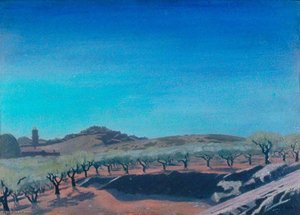
Allan Gwynne-Jones died in Eastleach Turville, Gloucestershire, in 1982, leaving behind a substantial body of work that continues to inspire admiration for its expressive power and technical virtuosity. His paintings—such as “Eyguières, Provence, Morning” and “Still Life”—remain treasured examples of British Impressionism and Fauvist art. Furthermore, Gwynne-Jones’ daughter Emily Gwynne-Jones is herself a celebrated artist, perpetuating the family's artistic heritage. A joint exhibition showcasing their collaborative efforts solidified his enduring influence on contemporary art.- Key Exhibitions: Gwynne-Jones participated in numerous prestigious exhibitions throughout his career, including retrospectives at the Royal Academy and Tate Britain, cementing his reputation as one of Britain’s foremost painters.
allan gwynne jones
1892 - 1982
Osnovne informacije
- Artistic Movement Or Style: Fauvist
- Artists Or Movements Influenced By This Artist: ['Slade School Fine Art']
- Artists Who Influenced This Artist:
- Georges Braque
- Pablo Picasso
- Date Of Birth: 1892
- Date Of Death: 1982
- Full Name: Allan Gwynne-Jones CBE DSO RA
- Nationality: English
- Notable Artworks:
- Eyguières, Provence, Morning
- Still Life
- Place Of Birth: Richmond, Surrey

