

 Pregledaj u prostoru
 Pošalji
 Podeli
 Detalji o delu

 Преузми
 Slični predmeti
 Rendgenski snimak
 Slajdovi
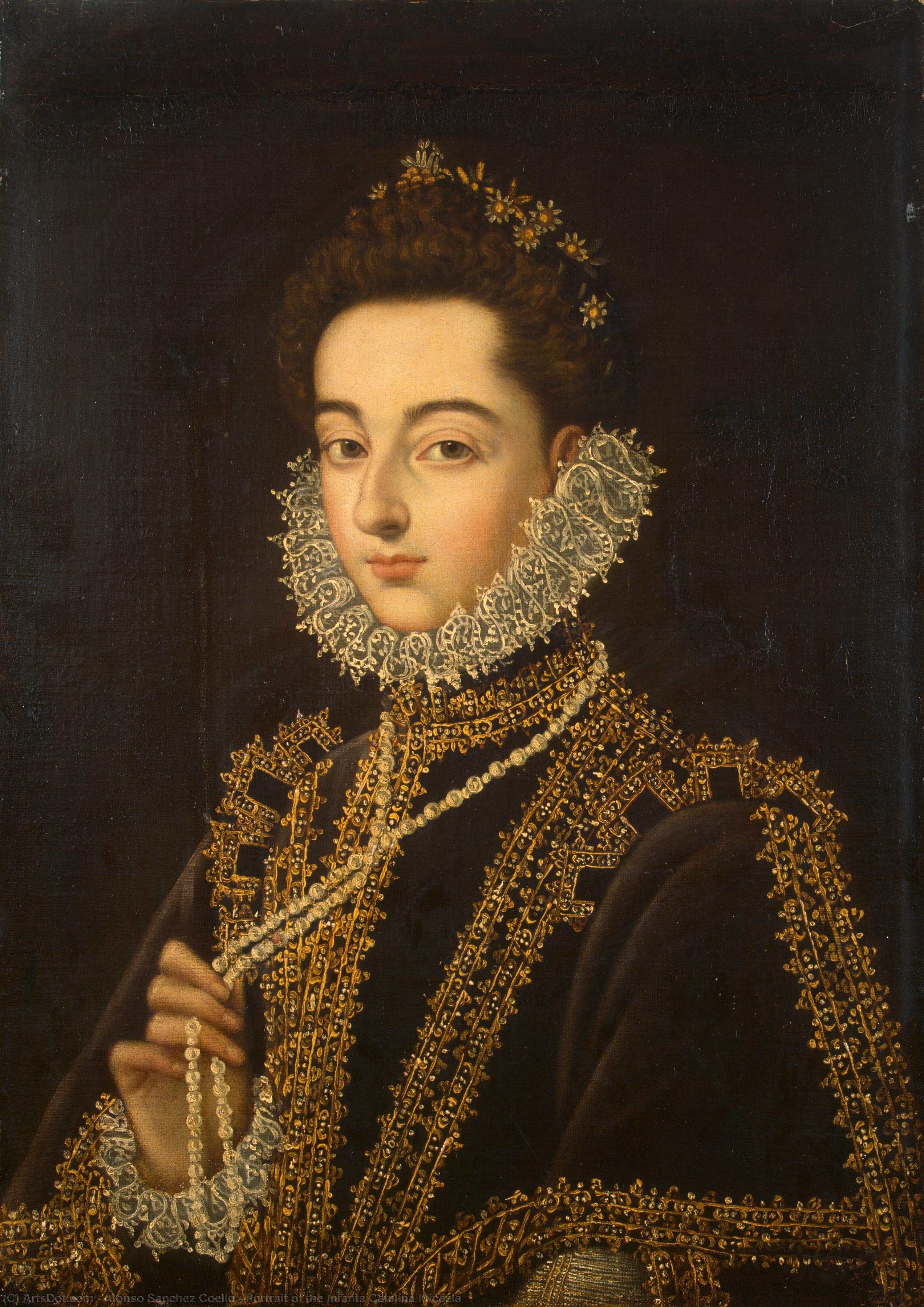
Portrait of the Infanta Catalina Micaela
 Oil On Canvas
- WallArt
- Renaissance Portraiture
 1682
1682 70.0 x 50.0 cm
 Hermitage Museum
 Pročitaj više
Giclee štampa / Umetnički otisak
Giclée štampa ili print na platnu muzejskog kvaliteta uz brzu proizvodnju i fleksibilne opcije završne obrade. ( Kupi ručno naslikanu sliku Kupi digitalnu sliku)




P118B $10

P118H $10

P118W $10

P438Z $10

P508JH $12

P508YH $12

P805H $10

P805Z $10

P919BZ $10

P919G $10

P919XJ $10

P959ZH $10

P968JZ $12

W106C $8

W218G $10

W218JH $8

W218Y $10

W307PJ $10

W316G $10

W316PJ $8

W316Y $10

W398PJ $8

W4111J $10

W500HY $15

W500JH $15

W692G $12

W849H $8

W940BG $15

W953PJ $8




Izaberite jednu od naših unapred definisanih veličina koje odgovaraju originalnim proporcijama umetničkog dela.

Možete uneti sopstvene dimenzije kako biste umetničko delo prilagodili specifičnom okviru ili prostoru. Ako odabrani format ne odgovara proporcijama originalne slike, mi ćemo ili iscrtati deo dela ili proširiti sliku pomoću ogledane ivice ili jednobojnog popunjavanja. Digitalni prikaz će vam biti poslat na odobrenje pre početka proizvodnje.
Imajte na umu da pregled na ekranu ne odražava stvarno iscrtavanje ili proširivanje. Samo će prikaz (mockup) precizno pokazati finalnu kompoziciju.
Iako su prilagođene dimenzije dostupne, preporučujemo da odaberete dimenziju sa unapred definisane liste kako biste očuvali originalne proporcije.
Dostava širom sveta () za 2 nedelje umesto uobičajenih 4/5 nedelja. (30 август)

Besplatna ekspresna dostava širom sveta

Visokokvalitetno laneno platno

Kompletno osiguranje transporta

Garancija povraćaja carine i uvoznih dažbina

Garancija vernosti boja

Politika povrata u roku od 60 dana (samo u slučaju nedostataka)

Garancija povrata novca od 100%

Popust pri grupnoj kupovini
 Opcija sa staklom dostupna je samo za dimenzije manje od 110 cm

Portrait of the Infanta Catalina Micaela
Giclee štampa / Umetnički otisak
Dimenzije reprodukcije
-


Konačna cena
$ 62
The Enigmatic Beauty of a Royal Portrait
Alonso Sánchez Coello’s “Portrait of the Infanta Catalina Micaela,” painted in 1582-85, is more than just a depiction of a young noblewoman; it's a meticulously crafted window into the formality and subtle power dynamics of 16th-century Spanish court life. The painting, now residing within the hallowed halls of the Museo del Prado in Madrid, immediately draws the eye with its restrained elegance – a deliberate departure from the flamboyant excesses often associated with portraiture during that era. The subject, Catalina Micaela, daughter of Philip II and Margaret Thérèse of Austria, is presented with an almost austere dignity, her gaze lowered as if lost in contemplation, yet radiating an undeniable grace.
Coello’s genius lies not merely in his technical skill – the subtle gradations of light and shadow, the delicate rendering of fabrics and jewelry – but in his ability to imbue a formal portrait with a profound sense of humanity. He masterfully blends influences from the Flemish objectivity championed by Anthonis Mor, whom he studied in Flanders, with the Venetian sensuality that characterized Titian’s work. This fusion results in a remarkably lifelike portrayal, capturing not just the physical likeness of the Infanta but also hinting at her inner world – a quiet intelligence and perhaps even a touch of melancholy.
A Masterclass in Renaissance Technique
Examining the painting closely reveals Coello’s sophisticated understanding of technique. He employs a layered approach, building up color and texture through numerous thin glazes—a hallmark of Flemish painting—creating an astonishingly luminous surface. The rich crimson of her dress is offset by the cool tones of her hair and skin, while the intricate details of her jewelry – pearls, gold buttons, and delicate lace – are rendered with painstaking precision. Notice, too, how he subtly uses light to sculpt the form of her face, emphasizing the delicate curve of her cheekbone and the gentle slope of her nose.
- Flemish Objectivity: Coello’s meticulous attention to detail and realistic depiction of textures reflects the influence of Flemish painting.
- Venetian Sensuality: The use of warm colors, particularly in the dress, hints at the Venetian tradition's emphasis on color and light.
- Glaze Technique: The numerous thin glazes create a luminous and vibrant surface.
Symbolism and Context within the Spanish Court
Beyond its technical brilliance, “Portrait of the Infanta Catalina Micaela” is steeped in symbolism relevant to the Spanish court of Philip II. The pose itself—the lowered gaze, the crossed hands—is a common motif in Renaissance portraits, signifying modesty and restraint – virtues highly valued within the rigid social hierarchy of the time. The inclusion of her gloves, a symbol of feminine refinement, further reinforces this image of aristocratic grace. Catalina Micaela’s position as one of the King's daughters made her a prominent figure in court circles, and Coello’s portrait serves not only to commemorate her beauty but also to subtly assert her status within the royal family.
Furthermore, the painting provides insight into the artistic patronage system prevalent during this period. The Infanta’s portrait was commissioned by Philip II himself, a testament to Coello's standing as one of the most sought-after court painters in Spain. The work reflects the King’s desire to project an image of power and prosperity – a carefully constructed façade designed to reinforce his authority.
A Timeless Masterpiece: Reproduction Possibilities
Today, “Portrait of the Infanta Catalina Micaela” stands as a testament to Alonso Sánchez Coello's artistic genius. If you’re seeking to bring this captivating portrait into your own home or office, a high-quality reproduction offers an accessible and affordable way to appreciate its beauty and historical significance. 1st Art Gallery offers meticulously hand-painted reproductions that capture the essence of Coello's original masterpiece, ensuring that you possess a stunning work of art that will grace your space for generations to come.
Srodna umetnička dela
Biografija umetnika
Rani život i obuka
- Rođen: Benifaió, Španija (1531)
- Proveo je detinjstvo u okolini Valensije, sve do smrti svog oca.
- Oko 1541/4acije godine, preselio se u Portugaliju kako bi živeo sa svojim dedom, plemićem u službi portugalskih monarha.
- Studirao je kod Antonisa Mora (Antonio Moro) u Flandru oko 1550. godine.
- Dobio je pokroviteljstvo od Antoana de Granvila, biskupa Arasa, koji je bio takođe Morov pokrovitelj.
Karijera na španskom dvoru
- Radio je za portugalsku kraljevsku porodicu, a kasnije i za dvor Juana Manuela, princa Portugalije.
- Prešao je na španski dvor Filipa II godine 1555, po preporuci Juane, Filipove sestre.
- Postao je dvorski slikar 1560. godine.
- Oko 1560/61. godine oženio se Luisom Rejaltes, ćerkom srebrara.
- Njegova ćerka, Isabel Sančez, takođe je postala slikarka i pomagala mu u radionici.
- Zajedno sa dvorom preselio se u Toledo, a 1561. godine se nastanio u Madridu.
Umetnički stil i uticaji
- Stil: Spojio je flamansku objektivnost sa venecijanskom senzualnošću.
- Uticaji: Primarno je bio pod uticajem Antonisa Mora i Ticinija.
- Od Mora je naučio preciznost.
- Od Ticinija je preuzeo venecijanske zlatne tonove, bogatstvo izrade i umetničko korišćenje svetlosti.
- Poznat je po portretima koji odlikuju prirodnost poza, dostojanstvo, suzdržanost i toplina boja.
Velika dela i dostignuća
- Stvarao je kako portrete, tako i religiozna dela.
- Njegova religiozna dela bila su konvencionalna, ali pokazuju strog, asketski stil.
- Značajni portreti:
- Filip II držeći brojanicu (1573)
- Portreti infante Isabel Klare Eugenije (1571)
- Serija slika koja prikazuje decu Filipa II.
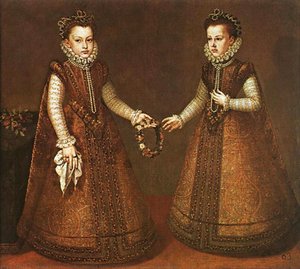
- Dvostruki portret infanta Isabele Klare Eugenije i Kataline Mikale (1568–9).
- Slikao je religiozna dela za El Eskorial.
- Izradio je topografski prikaz luke u Sevilli.
Nasleđe i istorijski značaj
- Njegova reputacija portretiste bila je zakomplikovana brojnim kopijama i imitacijama.
- Smatra se značajnom figurom španske renesanse, naročito zbog svojih dvoranskih portreta.
- Njegov rad je uticao na kasnije umetnike, uključujući Velaskeza, posebno u pogledu prikazivanja tekstura poput oklopa i draperija.
- Preminuo je u Madridu 8. avgusta 1588. godine.
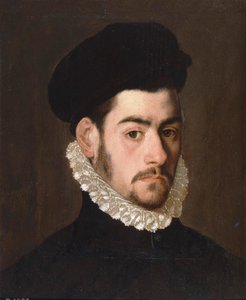
Alonso Sánchez Coello
1531 - 1588 , Španija
Osnovne informacije
- Artistic Movement Or Style: Španski renesans
- Artists Or Movements Influenced By This Artist:
- Juan Pantoja de la Cruz
- Felipe de Liaño
- Artists Who Influenced This Artist:
- Anthonis Mor
- Tizijan
- Date Of Birth: oko 1531.
- Date Of Death: 1588.
- Full Name: Alonso Sánchez Coello
- Nationality: Iberijski
- Notable Artworks:
- Felipe II drži brojanicu
- Portret dame
- Ana Austrijska
- Don Juan Austrijski
- Katarina Austrijska, kraljica
- Place Of Birth: Benifaió, Španija
Povezani članci
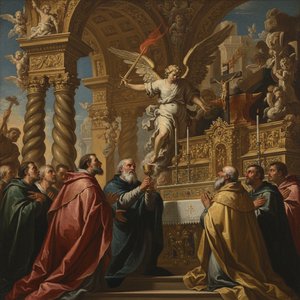
The Golden Age Reforged: Dramatic Realism & Religious Zeal in Spanish Baroque Art
Explore the dramatic world of Spanish Baroque art! Discover masters like Zurbarán & the powerful influence of religious zeal on painting techniques – a guide for collectors and enthusiasts.
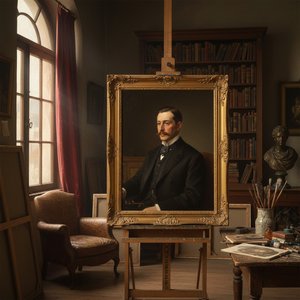
Rafael de Penagos: A Study in Spanish Portraiture & Artistic Identity
Explore the life & art of Rafael de Penagos, a leading Spanish Art Deco illustrator. Discover his iconic 'Penagos Woman', commercial work, and lasting legacy. Learn about this pivotal figure in 20th-century Spanish art history.
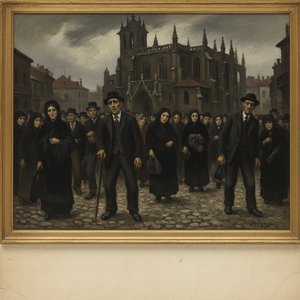
José Gutiérrez Solana: A Chronicle of Spanish Society Through Expressionist Vision
Explore the captivating world of José Gutiérrez Solana, a pivotal Spanish Expressionist painter. Discover his haunting depictions of early 20th-century Spain, influenced by Goya & El Greco. Learn about his key works and lasting legacy.
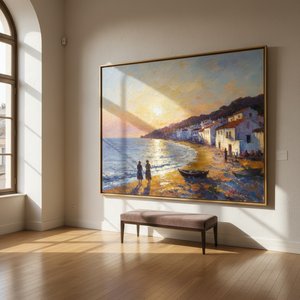
Manuel Benedito Vives: A Study of Light, Color & Emotional Resonance in Contemporary Spanish Painting
Explore the captivating world of Manuel Benedito Vives, a celebrated Spanish painter influenced by Sorolla. Discover his masterful portraits, luminous landscapes & enduring legacy – a favorite of the Spanish Royal Family. Art collectors will appreciate this in-depth study.
Top 25 Remek-dela Prado Muzeja: Umetnička Baština Španije za Vaš Dom
Istražite 25 remek-dela Prado muzeja u Madridu! Otkrijte priče iza Velázqueza, Goye i El Greca. Pronađite inspiraciju za dekoraciju enterijera uz reprodukcije slika vrhunskog kvaliteta na ArtsDot.com.

